Macro and traditional finance

Crypto market falls 4% over weekend amid Middle East escalation
Why it matters: The opening of oil and stock markets on Monday will show whether they confirm the crypto market's risk repricing; a jump in Brent would add pressure after the Fed's rate hike.
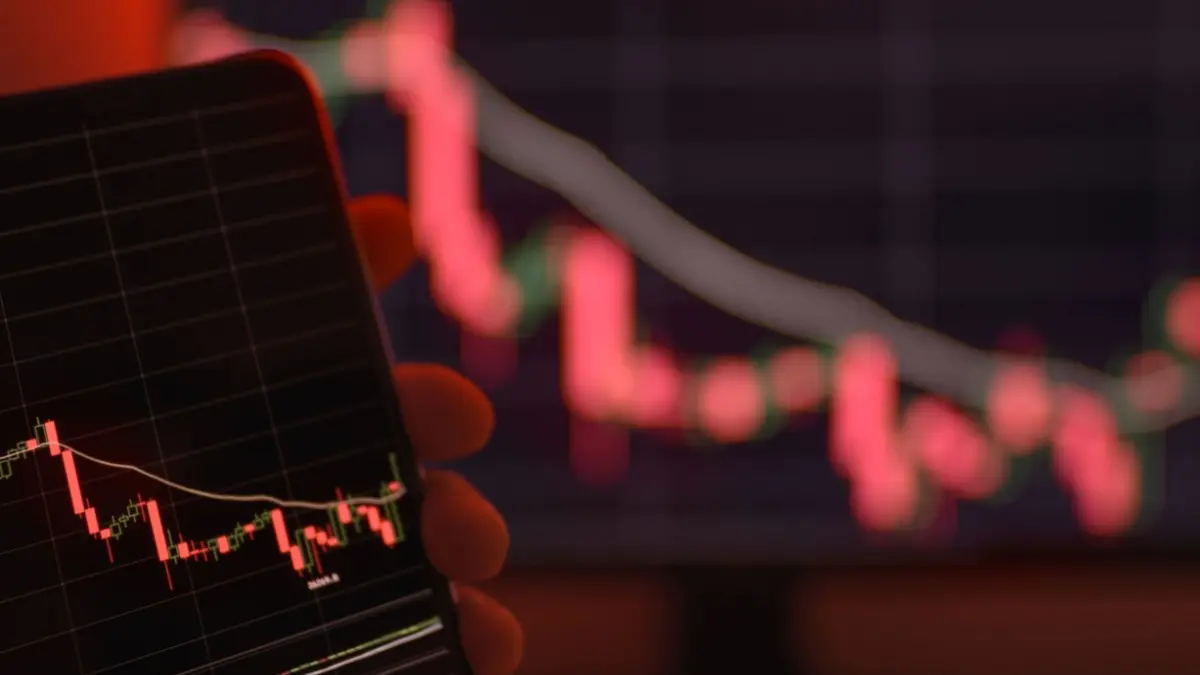
Bitcoin falls to $80,340 after new attacks on Saudi oil routes
Why it matters: Crypto trades on weekends, so bitcoin is the first to signal how markets are reacting to the Middle East escalation.

Raoul Pal: bitcoin will outperform Nasdaq 100 as rates rise
Why it matters: Pal's thesis runs counter to market expectations: rising rates usually pressure bitcoin, but it rose, which could signal a shift in the macro regime.

Saudi Arabia exits China's CBDC-based mBridge payment system
Why it matters: The departure of the largest oil exporter weakens a project for settlements bypassing SWIFT and dollar clearing, reducing risks to the dollar system.

US must set tariffs against Russia by October 18, 2026
Why it matters: For the crypto market this is a macro risk: harsh tariffs could fuel inflation and pressure risk assets, including bitcoin.
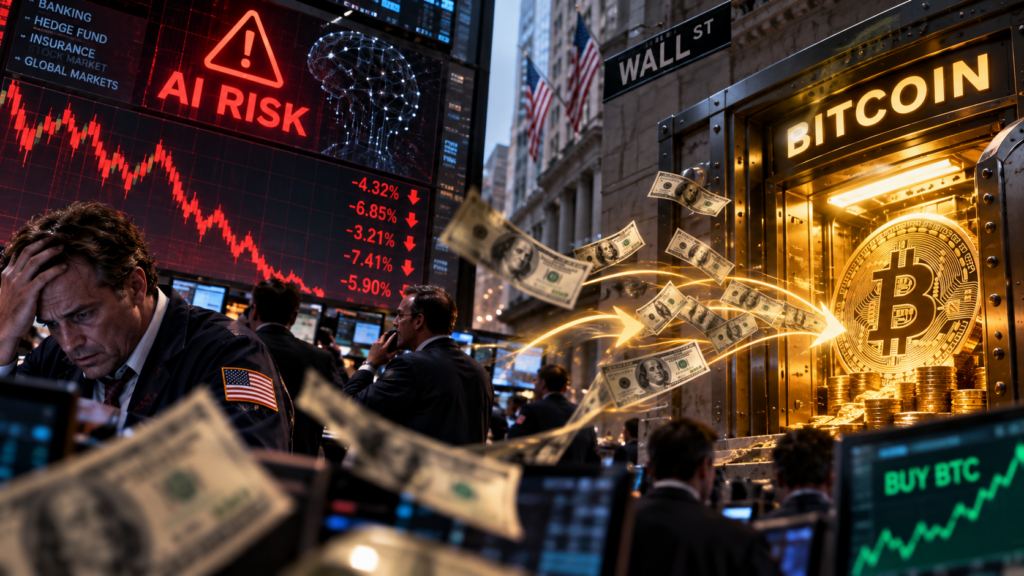
Hut 8 co-founder warns of AI threat to financial system, moves funds back into BTC
Why it matters: A signal about the risks at the intersection of AI and traditional finance, and about a major miner returning capital to bitcoin through ETFs.

bitbank analyst: Bitcoin holds after FOMC, focus on US rates and Middle East
Why it matters: Although the Fed has tightened its rhetoric, the market is not pricing in a sharp rate increase, so BTC remains range-bound; a break of $78,000 or $75,500 will set the direction.

Robert Kiyosaki: 'biggest crash in history' has begun, he holds Bitcoin
Why it matters: Another high-profile warning from a well-known author reinforces the narrative of Bitcoin as a safe-haven asset, though past crash predictions have not materialized.
Fed hikes rates by 25 bps, but bitcoin rises: why it matters
Why it matters: What matters most for bitcoin is not the Fed but Treasury yields, inflation and the labor market: if yields stabilize, pressure on BTC will ease.

BofA: Fed may hike twice more in 2026, but 75 bps may not be enough
Why it matters: A tighter Fed policy weighs on liquidity and risk assets, including bitcoin and the crypto market.

Arthur Hayes: Crypto doesn't need CLARITY Act, rate hike was enough
Why it matters: The comment from an influential player underscores that macro factors matter more than regulation for the market.
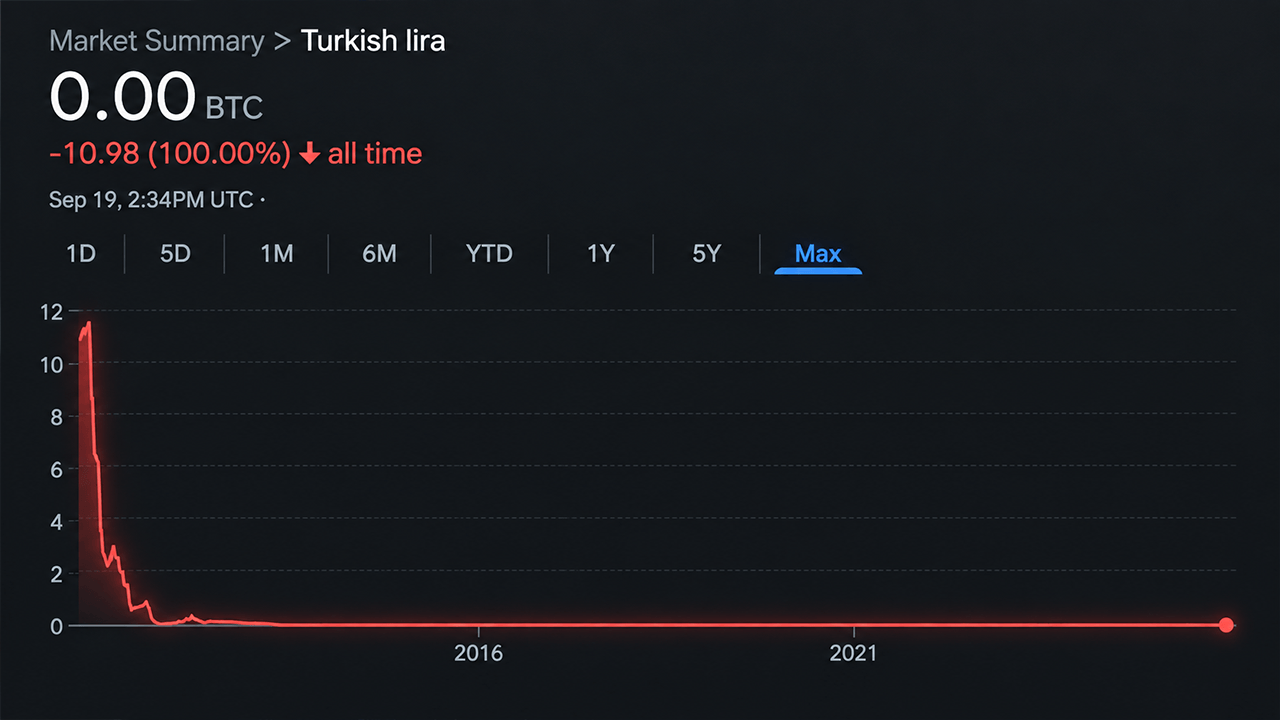
Bitcoin nears 4 million lira as lira hits record low on 31.5% inflation
Why it matters: The weak lira is boosting demand for bitcoin and USDT as a store of value in Turkey, supporting trading volumes in the local market.

Traders Put Odds of an October Fed Rate Hike at 54–57%
Why it matters: Fed tightening weighs on risk assets, but in 2026 the crypto market has repeatedly ignored rate hikes, reacting instead to regulatory news.
Grayscale: Bitcoin can withstand new Fed rate hikes
Why it matters: If the thesis holds, further Fed rate hikes will pressure Bitcoin less than in 2022.

As lira crisis deepens, bitcoin and gold become savings havens in Turkey
Why it matters: Growing demand for BTC and stablecoins in Turkey confirms the use case of crypto as a hedge against devaluation in high-inflation countries.
Anthropic moves IPO to November as market awaits largest listing
Why it matters: The largest-ever IPO would boost risk appetite, which has historically supported bitcoin and the crypto market.
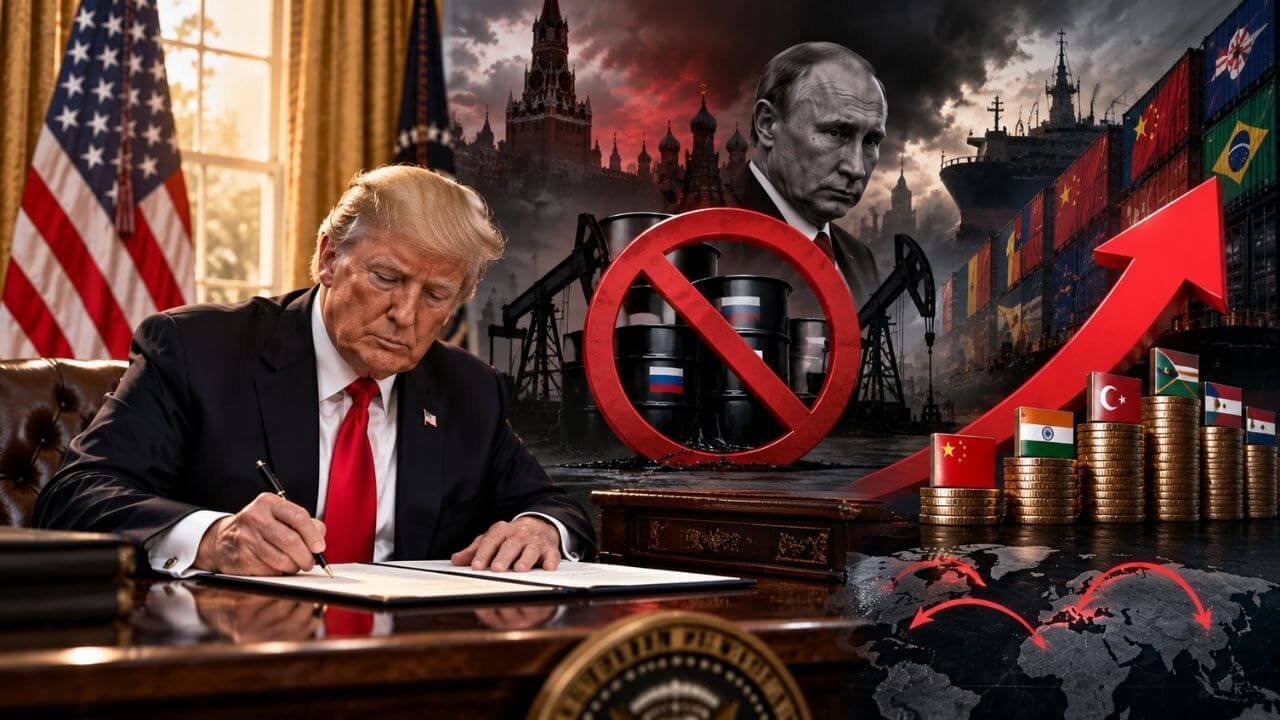
Trump signs Russia and Iran sanctions law with tariffs of up to 100%
Why it matters: Rising geopolitical and trade risks could increase volatility and pressure on risk assets, including bitcoin.
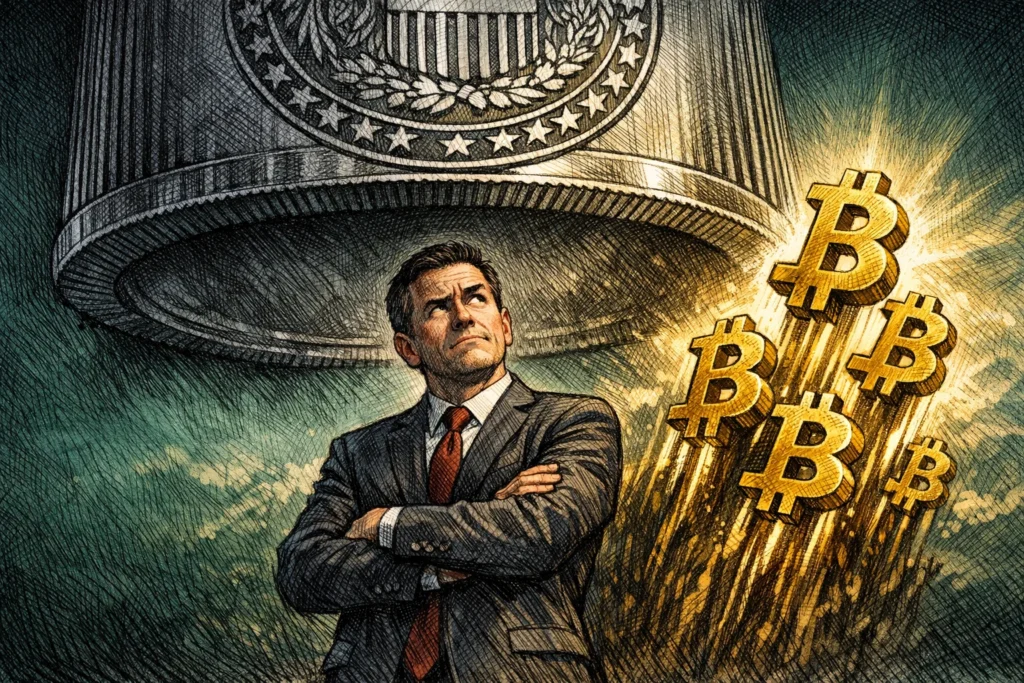
Analysts compare Bitcoin's post-Fed hike rally to 2022
Why it matters: If ETF inflows do not recover, the post-hike rebound could prove a trap, as it did in 2022.
Trump and Xi to meet September 24: AI and tariff truce in focus
Why it matters: Easing trade tensions between the U.S. and China would support risk appetite and could push Bitcoin higher.

BofA: Fed Under Warsh Could Raise Rates Above 5%
Why it matters: A more aggressive Fed cycle will increase pressure on the crypto market and risk assets, supporting the dollar and yields.