Macro and traditional finance
The Fed and interest rates, inflation, geopolitics, traditional finance and CBDCs — the macro backdrop behind bitcoin's price.

Bitcoin and gold rally despite hawkish Fed
Why it matters: Bitcoin and gold rising alongside a strong dollar signals demand for protection against fiat debasement and may foreshadow a dollar correction.

Fed's Goolsbee warns supply shocks force painful trade-offs in inflation fight
Why it matters: A hawkish Fed signal pressures risk assets including bitcoin and delays expectations for rate cuts.
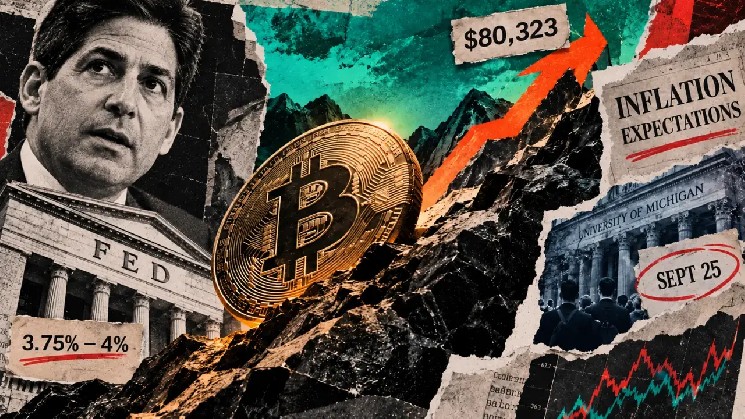
Bitcoin above $80K faces test from US inflation survey and BOJ rate hike
Why it matters: Sustained ETF inflows and softer inflation expectations would support a move toward $82,500–85,000; renewed outflows or firmer data put $80,000 and $77,500 in play.
Fed's Goolsbee: Open to Rate Cuts If Inflation Is Clearly Heading Back to 2%
Why it matters: The comments shape expectations for the Fed's next policy move, a key driver for risk assets including bitcoin.

Meltem Demirors: Bitcoin was 'the wrong token' as AI now prices intelligence
Why it matters: The migration of mining hashrate into AI compute is a potential long-term risk to Bitcoin's network security and economics.

Bitcoin's $85K Rally Fueled by Falling Oil Prices
Why it matters: Cheaper oil eases inflation fears and helps markets absorb the Fed's rate hike, supporting demand for Bitcoin.

Bitcoin, Ethereum, XRP Extend Rally as Trump Cancels Strikes on Houthis
Why it matters: Easing Middle East tensions restored risk appetite, though the Bab el-Mandeb standoff remains a lingering risk for markets.
Bessent Proposes US-China AI Incident Hotline as Bitcoin Holds Near $84.6K
Why it matters: Easing US-China tensions lowers the geopolitical risk premium and supports appetite for risk assets, including bitcoin.
ECB's Cipollone: Tokenised Central Bank Money Is Essential for Europe's Digital Finance
Why it matters: Tokenised ECB money could narrow the space for private stablecoins in wholesale settlement and set a standard for digital assets in the EU.
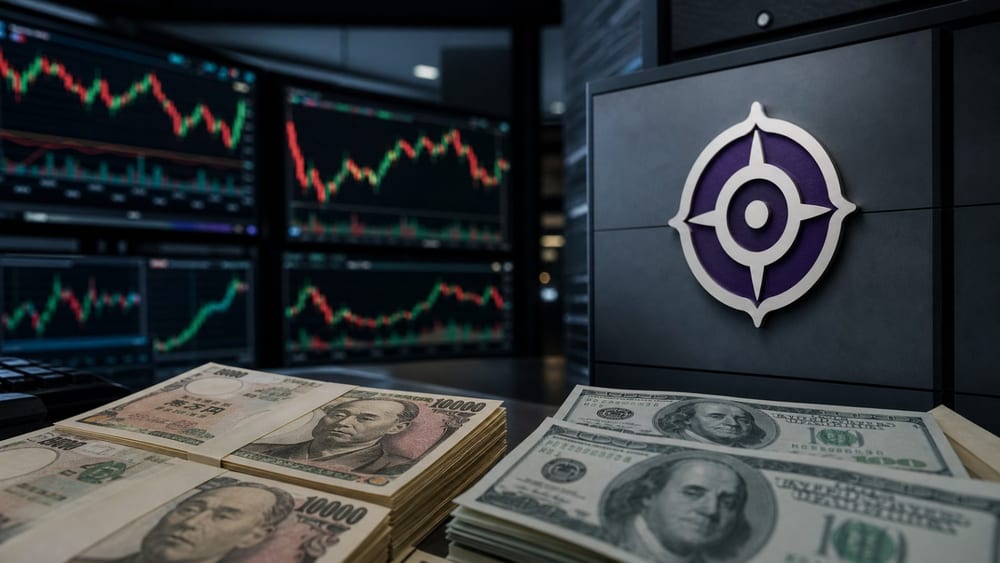
Bank of Japan hikes rate to 1.25% as board member Masu calls for more tightening
Why it matters: Further BOJ tightening strengthens the yen and pressures risk assets, including bitcoin, via higher yields and carry-trade unwinds.

T. Rowe Price: Bitcoin has become a key asset for hedging currency debasement
Why it matters: A signal of growing institutional demand for Bitcoin as a defensive asset amid U.S. government debt concerns.
Bill Miller: Bitcoin is undervalued, price-to-fair-value gap at its widest
Why it matters: The argument that BTC is undervalued amid rising U.S. government debt supports Bitcoin's narrative as a defensive asset.

Kaiko: Bitcoin moves on shifts in rate expectations, not Fed decisions themselves
Why it matters: Traders should watch the gap between the Fed's decision and market expectations, since surprises in guidance and projections move bitcoin volatility the most.
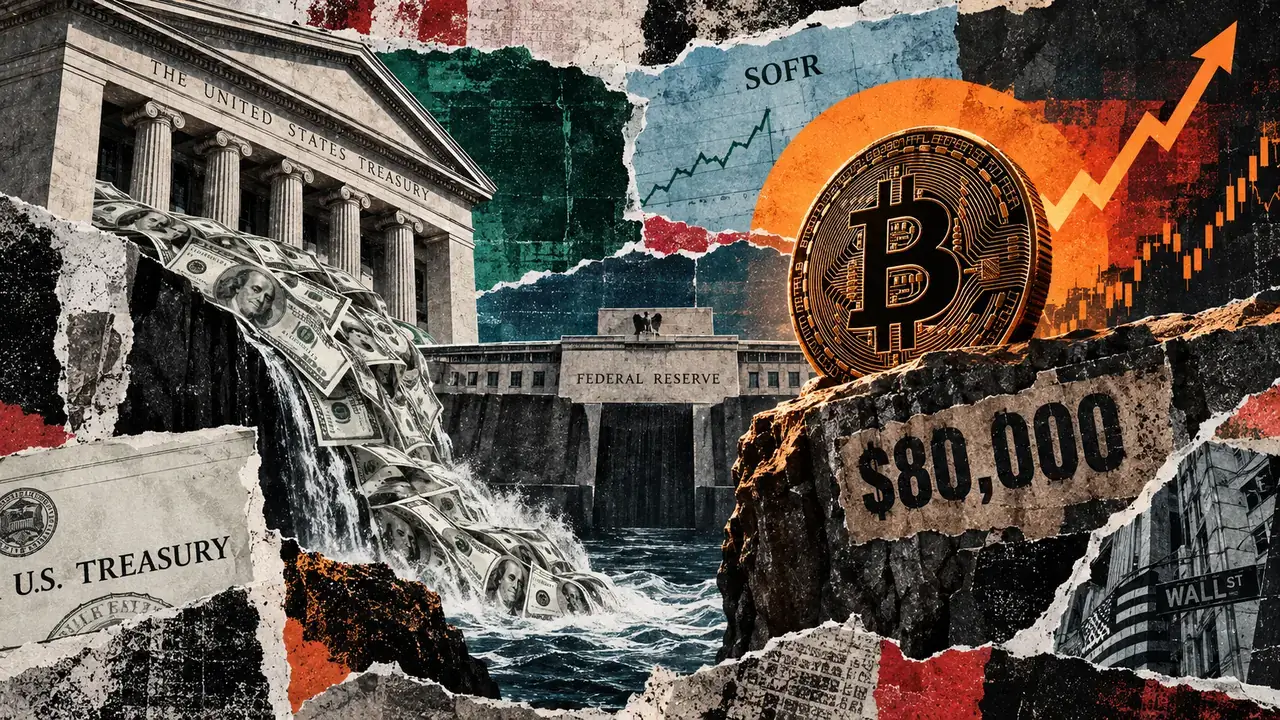
Bitcoin Shatters $80,000 as $148B US Liquidity Drain Fails to Break Markets
Why it matters: Repo markets stayed inside the Fed's corridor, so the tax-date liquidity drain did not trigger a broader squeeze; attention now shifts to ETF demand and fresh buyers.

ECB launches Pontes pilot linking blockchain networks to TARGET
Why it matters: The ECB's tokenization infrastructure could accelerate institutional blockchain adoption across Europe.

Gallup: US crypto ownership rate falls from 2025 peak
Why it matters: Declining retail interest in the US could weaken the inflow of new funds into the market.

Bloomberg analyst: crypto faces lose-lose scenario on hawkish Fed
Why it matters: A signal of liquidity squeeze risk: with a hawkish Fed and an S&P 500 correction, crypto's high correlation with equities would amplify losses.

Bank of Korea tests 24/7 won settlement with four banks
Why it matters: Expanding access to the won will simplify cross-border settlements and strengthen the integration of the central bank's blockchain infrastructure into global payments.

Three events this week: Fed speeches, PMI and Trump-Xi meeting
Why it matters: Fed signals on further tightening and geopolitics will determine whether bitcoin holds above $80,000.
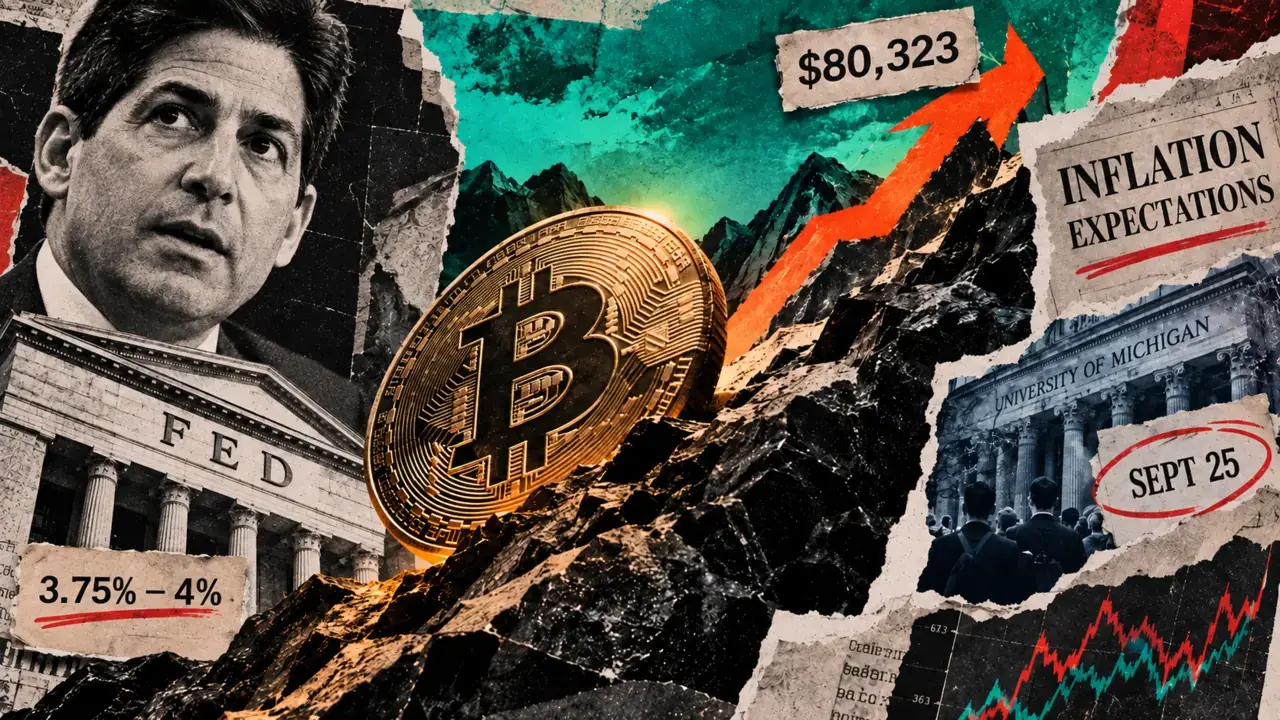
Bitcoin above $80,000: $95,157 December forecast, inflation and BOJ rate in focus
Why it matters: Whether the rebound above $80,000 holds depends on inflation expectations and ETF flows; soft data would support a move to $82,500–85,000, while hot data would bring back $77,500.