Macro and traditional finance

Bank of Korea tests 24/7 won settlement with four banks
Why it matters: Expanding access to the won will simplify cross-border settlements and strengthen the integration of the central bank's blockchain infrastructure into global payments.

Three events this week: Fed speeches, PMI and Trump-Xi meeting
Why it matters: Fed signals on further tightening and geopolitics will determine whether bitcoin holds above $80,000.
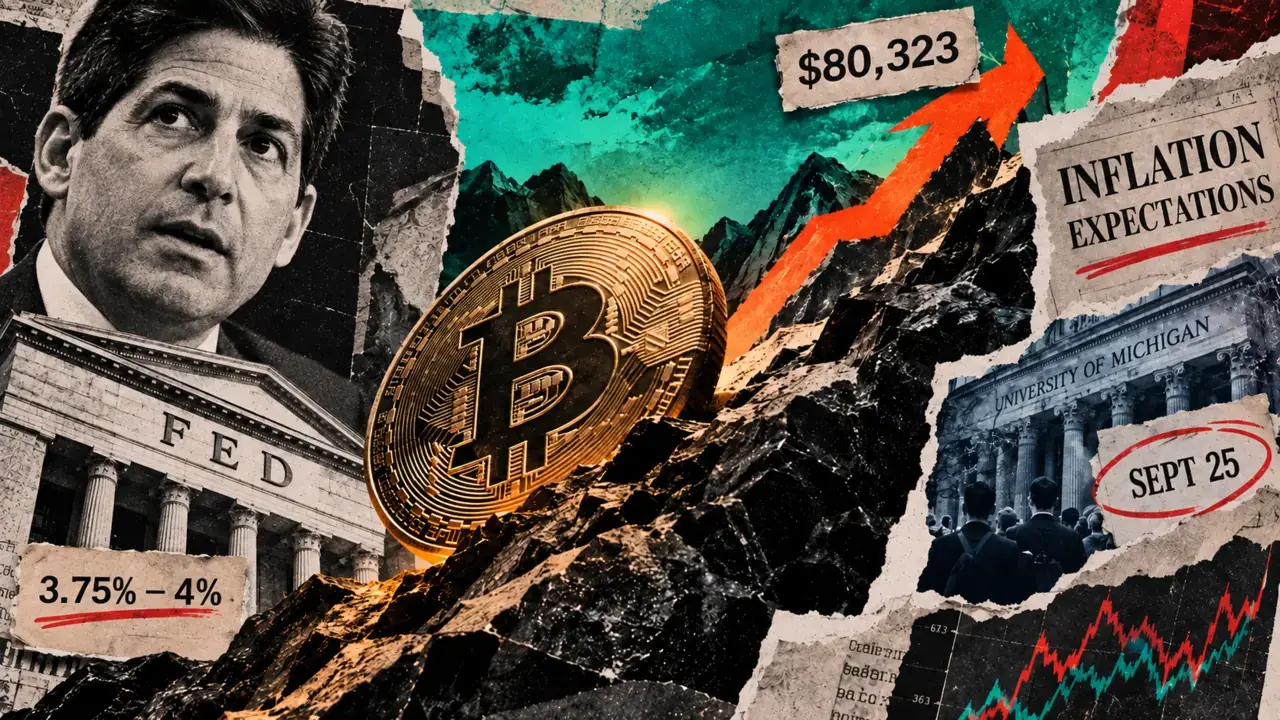
Bitcoin above $80,000: $95,157 December forecast, inflation and BOJ rate in focus
Why it matters: Whether the rebound above $80,000 holds depends on inflation expectations and ETF flows; soft data would support a move to $82,500–85,000, while hot data would bring back $77,500.

Bitcoin above $81,000 ahead of Trump-Xi meeting; markets eye Iran
Why it matters: The Sept. 24 Trump-Xi meeting could set the geopolitical backdrop and risk appetite, influencing bitcoin and oil.

Bitcoin starts week above $81,000 as market eyes Japan
Why it matters: Yen weakness and the risk of Bank of Japan intervention could increase volatility in global markets and affect appetite for risk assets, including bitcoin.
Wall Street strategists: markets climbing a 'wall of worry' is a sign of strength, BTC holds $81,000
Why it matters: If the market rises despite negative news, it may indicate sustained demand and reduced risk of a sharp reversal downward.
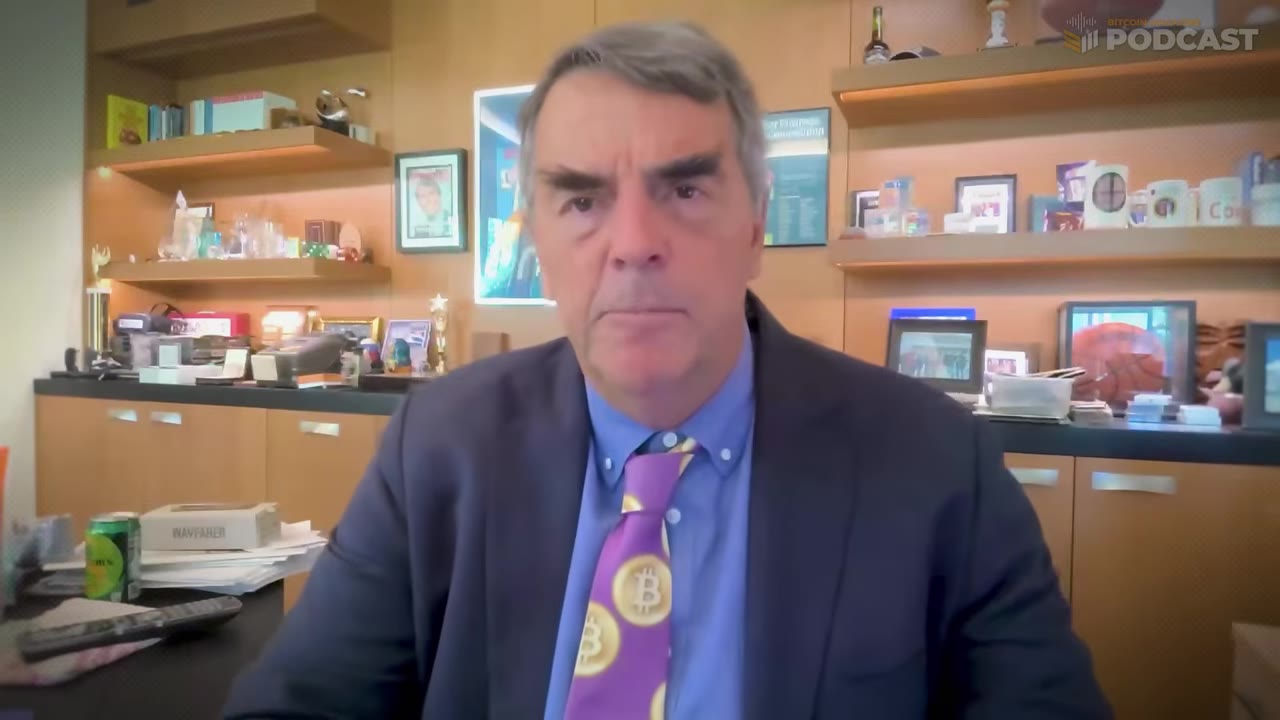
Tim Draper Urges Individuals, Companies and Governments to Hold Bitcoin
Why it matters: The remarks from a well-known venture investor reinforce the bitcoin-as-safe-haven narrative amid inflation and banking-sector concerns.

US DOE launches $215M quantum race: risks for Bitcoin
Why it matters: Quantum progress accelerates debate over migrating Bitcoin to post-quantum signatures (BIP-360/361), which could take years.
US 10-year Treasury yield hits 5%, pressuring bitcoin and risk assets
Why it matters: Rising US Treasury yields increase pressure on bitcoin and risk assets, raising the risk of a correction.
Bitcoin holds near $78,000 ahead of Fed decision as market prices 90% odds of a hike
Why it matters: The Fed's September 16 decision will set short-term direction: a rate hike would increase pressure on risk assets and could send BTC to $70,000.

Polymarket puts 22% odds on Bab el-Mandeb Strait closing this year
Why it matters: The strait carries about 12% of global trade; its closure would hit oil, LNG and freight rates, feeding into crypto via risk-off sentiment.

Morgan Stanley questions Fed's approach to price stability under Warsh
Why it matters: Fewer signals from the Fed mean higher volatility in rates and risk assets, including bitcoin, which is already reacting to the regulator's decisions.

IEA: Data center power consumption to reach 950 TWh by 2030
Why it matters: Rising data center power demand intensifies miners' competition for electricity, but opens the opportunity to monetize infrastructure through AI.
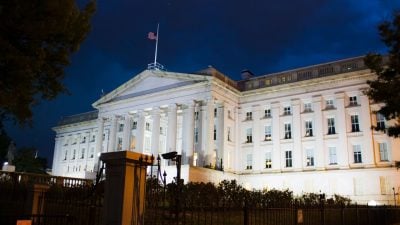
US to issue $1 trillion in short-term debt as stablecoins become buyers
Why it matters: Stablecoins are becoming a systemic buyer of US government debt, and their reserves depend directly on short-term rates and crypto inflows.

Kashkari: US inflation still too high, not just about oil
Why it matters: The signal that the Fed will maintain tight policy weighs on risk assets, including cryptocurrencies.
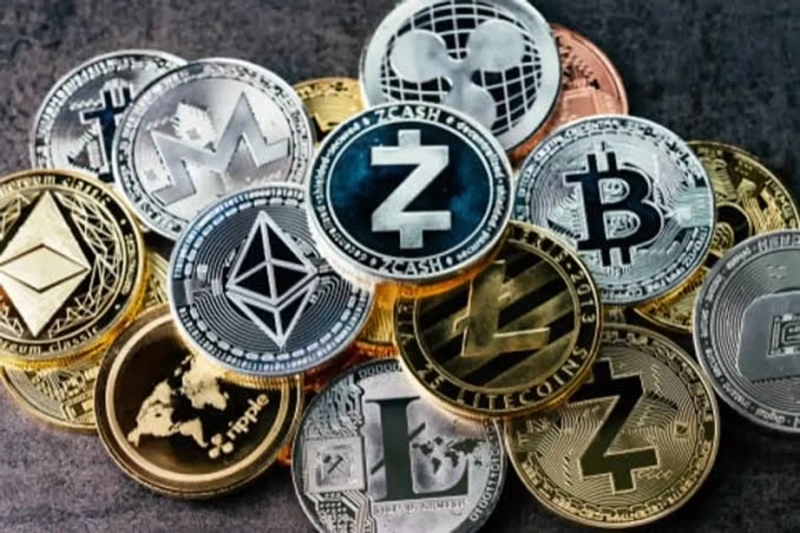
Bloomberg Intelligence: high crypto-stock correlation leaves market stuck
Why it matters: It signals that crypto offers no diversification from stocks and remains a risky asset under any scenario.
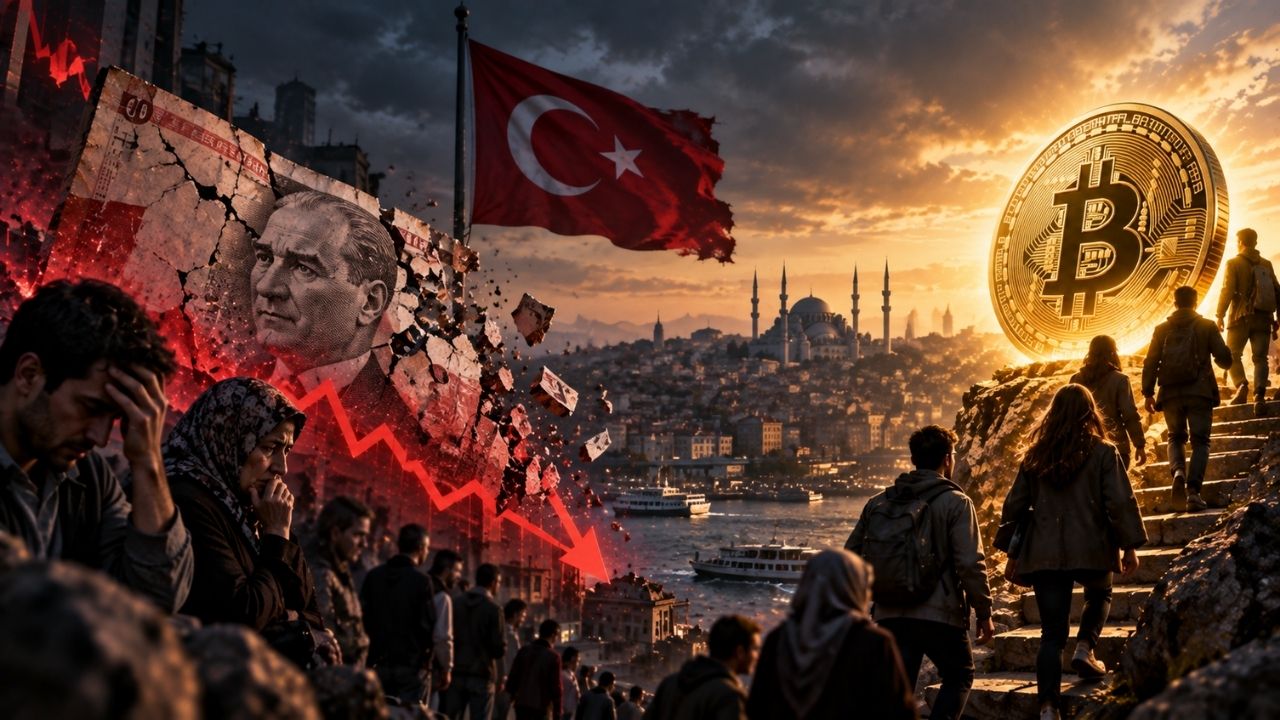
Turkey's financial crisis: lira at 48.8 per dollar, BIST 100 falls 8.18%
Why it matters: The lira crisis strengthens the case for bitcoin as a safe-haven asset, but in acute phases investors may sell risk assets for cash.
Jim Cramer expects a quiet week for bitcoin after Dow falls 3% in September
Why it matters: The absence of macro events reduces BTC volatility but leaves the market without catalysts to break key levels.

Bitcoin falls to $80,000 after reports of planned major US military operation
Why it matters: Geopolitical escalation could deepen the sell-off in risk assets, including crypto, until official confirmation emerges.

Crypto market falls 4% over weekend amid Middle East escalation
Why it matters: The opening of oil and stock markets on Monday will show whether they confirm the crypto market's risk repricing; a jump in Brent would add pressure after the Fed's rate hike.