Macro and traditional finance

Polymarket: 84% odds of another Fed rate hike in 2026
Why it matters: The on-chain prediction market aligns with CME futures, reinforcing expectations of tight policy and pressure on the crypto market.
ING: Fed and ECB may hike rates once more before year-end
Why it matters: Additional monetary tightening weighs on risk assets, including crypto, and could cap bitcoin's upside.

Warsh drops the 'dose of stimulus': market now expects 3-4 more Fed hikes
Why it matters: A longer Fed hiking cycle increases pressure on the crypto market and risk assets, limiting bitcoin's upside.
Fed's Schmid backed rate hike, says inflation trend above 3%
Why it matters: Hawkish Fed rhetoric increases the risk of further rate hikes, weighing on liquidity and the crypto market.

Four central banks in eight days: bitcoin holds between $75,000 and $77,000
Why it matters: Synchronized tightening by four central banks is squeezing liquidity and yen carry trades, which could limit capital inflows into bitcoin ETFs.

Fed keeps markets guessing after Warsh's Jackson Hole speech
Why it matters: Dropping advance signals raises volatility: PCE and labor market data will become the main triggers for crypto and risk assets.
Fed to reinvest $15.6B in Treasury bills through Oct. 14
Why it matters: Traders see the bill purchases as a hint of easing, but these are routine reinvestments — the market may be disappointed.
JPMorgan drops base-case Iran war scenario as Bitcoin trades near $78,500
Why it matters: Geopolitical uncertainty around Iran is a risk factor for markets, including crypto.

Bitcoin at $78,100 after Bank of Japan hikes rate to 31-year high
Why it matters: BTC rising despite hawkish policy from the Bank of Japan and the Fed shows resilient demand; a break above $80,000 would open the path to $82,000.
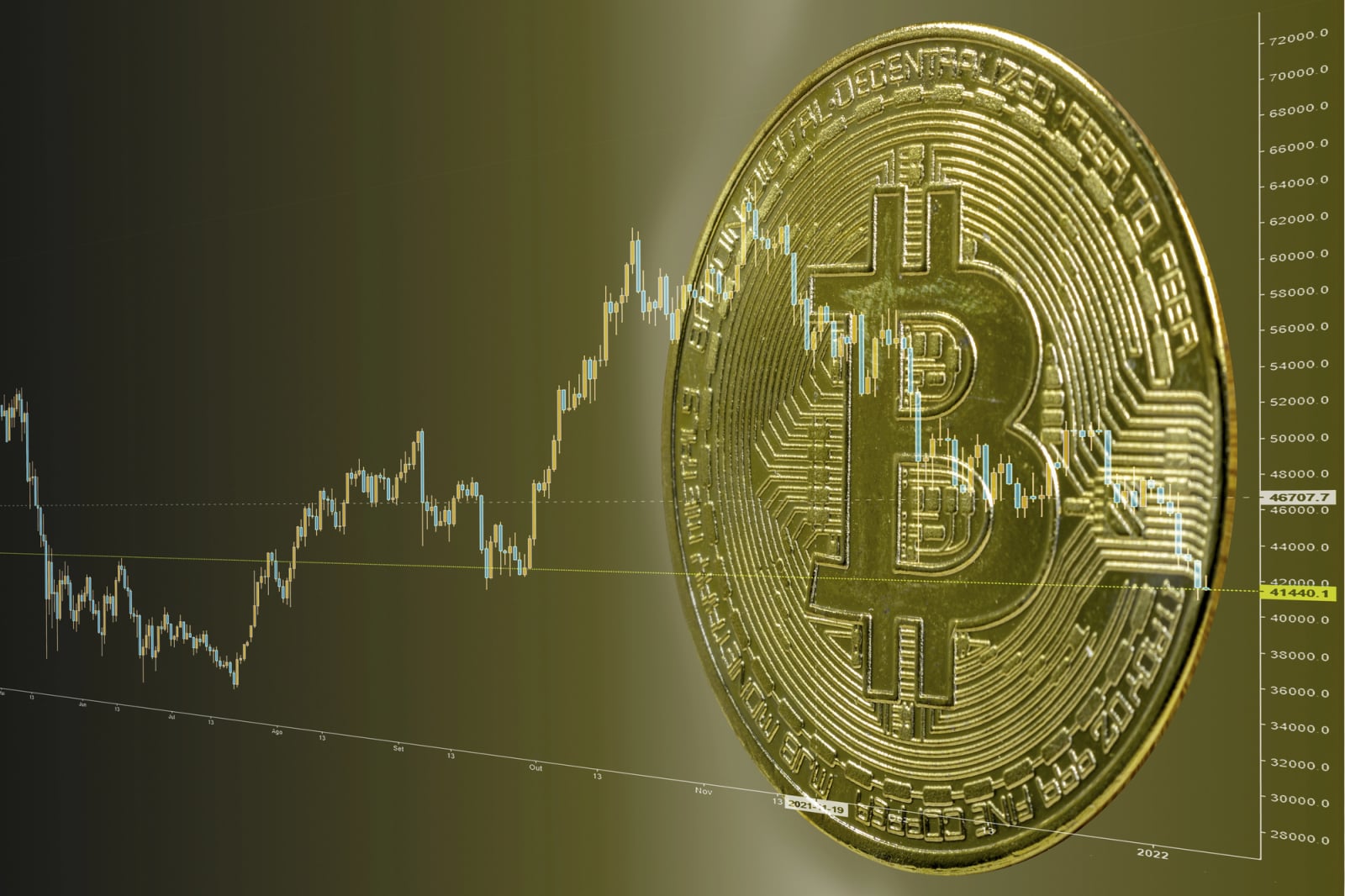
Bloomberg strategist: 5% US Treasury yields are a reason to sell bitcoin and gold
Why it matters: The case for capital flowing out of crypto into risk-free assets while Fed policy stays tight weighs on bitcoin as a risk asset.

Hong Kong prepares 24/7 CBDC settlement for tokenized deposits by end-2026
Why it matters: Round-the-clock CBDC settlement closes the gap between continuous blockchain operations and banking hours, accelerating institutional tokenization in Hong Kong.
Expert: Fed needed a 50 bps move, another hike expected in December
Why it matters: The risk of a second rate hike in December weighs on risk assets, including crypto, through rising U.S. Treasury yields.

Jiang Zhuoer: crypto market growth and internal cycles drive bull markets 5x more than Fed rates
Why it matters: It argues against the thesis that tight Fed policy dooms crypto to decline, and some investors may reconsider how much weight they give to macro factors.

US 10-year Treasury yield holds near 5%
Why it matters: Rising US Treasury yields increase the opportunity cost of holding Bitcoin and weigh on risk assets.

US 10-year Treasury yield holds above 5% after Fed rate hike
Why it matters: High real rates raise the opportunity cost of holding Bitcoin and pressure DeFi yields, demanding a risk premium.

Bitcoin limits September decline to 1.5% amid Fed rate hike and CLARITY Act failure
Why it matters: Bitcoin's muted reaction to macro and regulatory shocks may indicate seller exhaustion, but further rate tightening remains a risk.
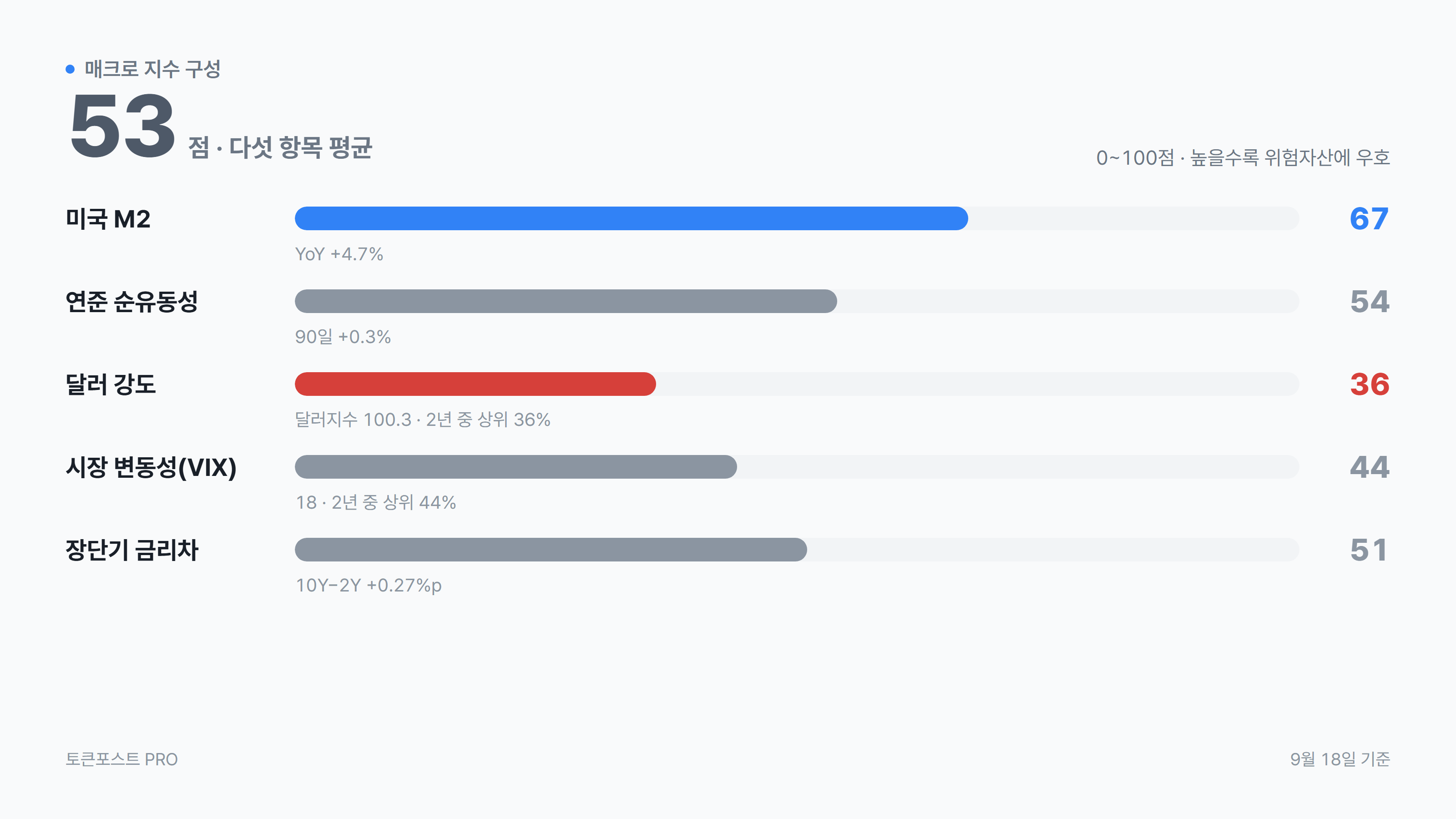
TokenPost macro index: risk appetite at 53 of 100, oil up 13.6% on the week
Why it matters: Rising oil and real rates increase the cost of holding Bitcoin and could cap risk appetite despite growing liquidity.

Bank of England holds at 3.75%, Barclays sees hikes in November and February
Why it matters: The Bank of England's hawkish pivot, following the Bank of Japan, adds pressure on risk assets, including crypto.

Analyst: Bitcoin unlikely to repeat 2022 crash on new Fed rate hike
Why it matters: If the Fed limits itself to 25 bps steps, Bitcoin may avoid a new bear market, but a prolonged tightening cycle would again increase pressure.

BOJ chief doesn't rule out continuous rate hikes to curb inflation
Why it matters: Accelerating normalization of BOJ policy increases volatility in the yen and global rates, pressuring risk assets including crypto.