Bitcoin (BTC) news
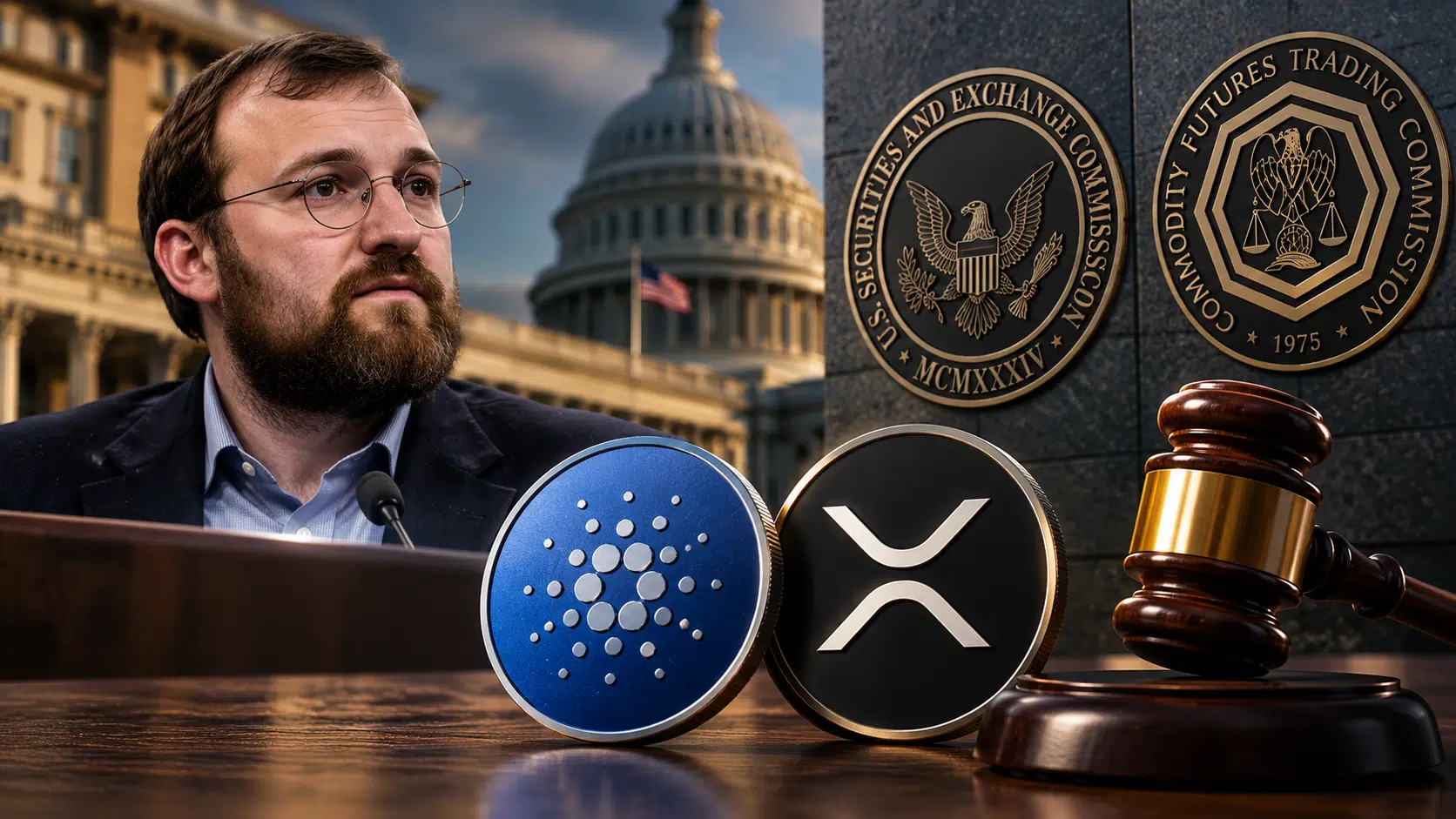
Hoskinson: ADA and XRP are real commodities, not securities
Why it matters: The statement reinforces the commodity-status narrative for ADA and XRP, reducing regulatory risks for these assets.

$520M pulled from bitcoin and Ethereum ETFs, Solana and XRP attract funds
Why it matters: The rotation of capital from BTC and ETH into altcoin ETFs shows institutions shifting into smaller assets after the Fed's tightening.

US diesel rises to $6.285 as Fed hikes, bitcoin at $76,400
Why it matters: Fuel inflation combined with a hawkish Fed weighs on risk assets and limits demand for bitcoin as a hedge.

Solana holds above $100 after first Fed rate hike in three years
Why it matters: Holding the $95–100 level will determine SOL's next trend amid Fed tightening and US regulatory uncertainty.

Analysis: Is the CLARITY Act needed for Bitcoin to rally?
Why it matters: For BTC holders, the law matters not as a growth driver but as insurance against the reversal of friendly rules after the 2028 election.
El Salvador holds 7,777 BTC worth $594 million with $162 million profit
Why it matters: El Salvador remains the largest state holder of Bitcoin with a profitable accumulation strategy.

US Treasury drains $120 billion from market a day before Fed decision
Why it matters: The Treasury's sharp liquidity withdrawal ahead of the FOMC could have increased pressure on the crypto market, but the reaction was weak — the market had already priced in a hawkish scenario.

Record US diesel prices weigh on Bitcoin and gold
Why it matters: The fuel shock increases the risk of further Fed rate hikes, weighing on Bitcoin and other risk assets.

Bitcoin developers unveil post-quantum network protection plan
Why it matters: The shift to post-quantum cryptography affects the security of all BTC holders and sets an industry standard for years to come.

PUMP retreats 29.5% from August peak and tests $0.00317 support
Why it matters: Holding $0.00317 will determine whether the August momentum persists; a break below $0.00265 would open the way for further declines.

US House committee approves bill to buy bitcoin with budget funds
Why it matters: Legislating a US bitcoin reserve could create permanent state demand for BTC.

Bank of England holds rate at 3.75% as US releases three macro indicators
Why it matters: Hawkish BoE signals and strong US data will tighten financial conditions and could add pressure on bitcoin and risk assets.
Blockstream refuses to pay bug bounty, vows to recover 598.5 BTC via court
Why it matters: The case shows that even a federated bitcoin sidechain must rely on the law, not code, to recover stolen funds.

Crypto market cap rises to $2.58 trillion after Fed rate hike
Why it matters: The market had already priced in Fed tightening, so no sell-off followed; further gains require holding above $2.66 trillion.
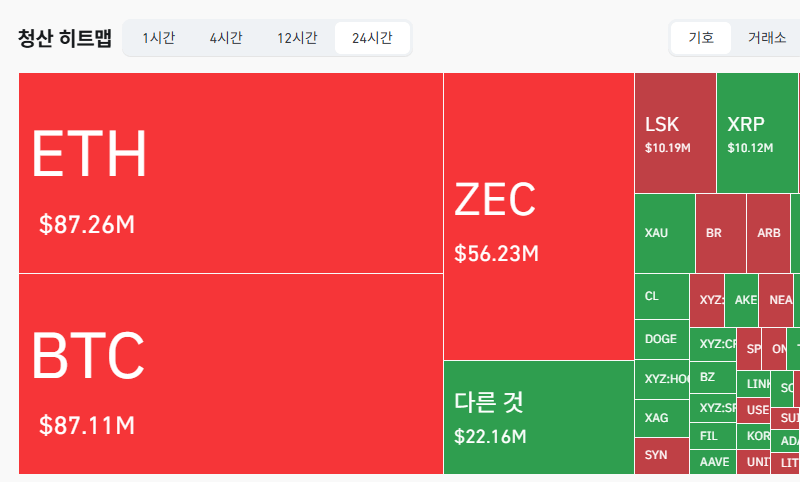
$271.76 million liquidated in 24 hours, 62.45% in shorts
Why it matters: The dominance of short liquidations points to a market rebound after the hawkish FOMC and growing pressure on sellers.
BTCPay Server: default passwords, not code, caused the fund theft
Why it matters: It shows that weak passwords and shared credentials are more dangerous to Lightning node operators than code bugs.

Block Scholes: Bitcoin and Ethereum IV around 38-39% and 52-54% ahead of FOMC
Why it matters: Low and flat IV ahead of the FOMC points to a lack of explicit hedging, raising the risk of a sharp move on a rate surprise.
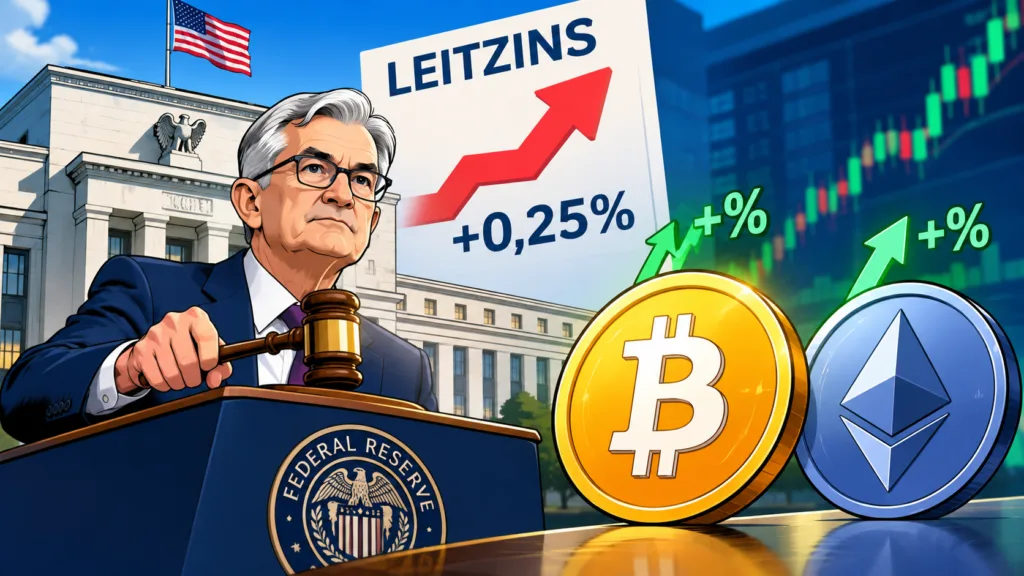
Bitcoin and Ethereum rise after Fed rate hike, Deutsche Bank to enter crypto custody
Why it matters: Deutsche Bank's entry into crypto custody strengthens institutional infrastructure, while BTC and ETH holding up after Fed tightening reduces the risk of further selling.

Bitcoin at $76,440: whale positions and options strikes converge in narrow range
Why it matters: The convergence of whale, options and liquidation levels makes the $76,000-$77,750 range a zone of heightened volatility after the Fed decision.

Swiss Bitcoin Pay shuts down servers after customer data breach
Why it matters: The leak of IBANs and transaction history opens the door to targeted phishing attacks on the service's customers.