Bitcoin (BTC) news
$746.3M withdrawn from bitcoin ETFs over two days
Why it matters: The shift from inflows to outflows signals weak institutional demand after the CLARITY Act failed and the Fed raised rates.
Bitcoin community debates freezing coins vulnerable to quantum attacks
Why it matters: The decision will determine how bitcoin protects millions of coins and owners' rights when a quantum threat emerges.
XRP ETFs lead inflows after SEC chair vows to act without CLARITY Act
Why it matters: Inflows into XRP ETFs amid outflows from BTC and ETH show demand for XRP, but weak OI and a price below the 200W EMA point to a fragile trend.

Bitcoin short-term holder profit buffer shrinks from 10% to 7%
Why it matters: The shrinking profit buffer makes short-term holders vulnerable: a drop below $71,300 could turn profit-taking into loss-selling.

Bitcoin tests $76,000 support: September ETF flow stays positive
Why it matters: Mixed signals: weakening sentiment and Fed tightening versus continued ETF inflows — the market awaits confirmation from price and flows.
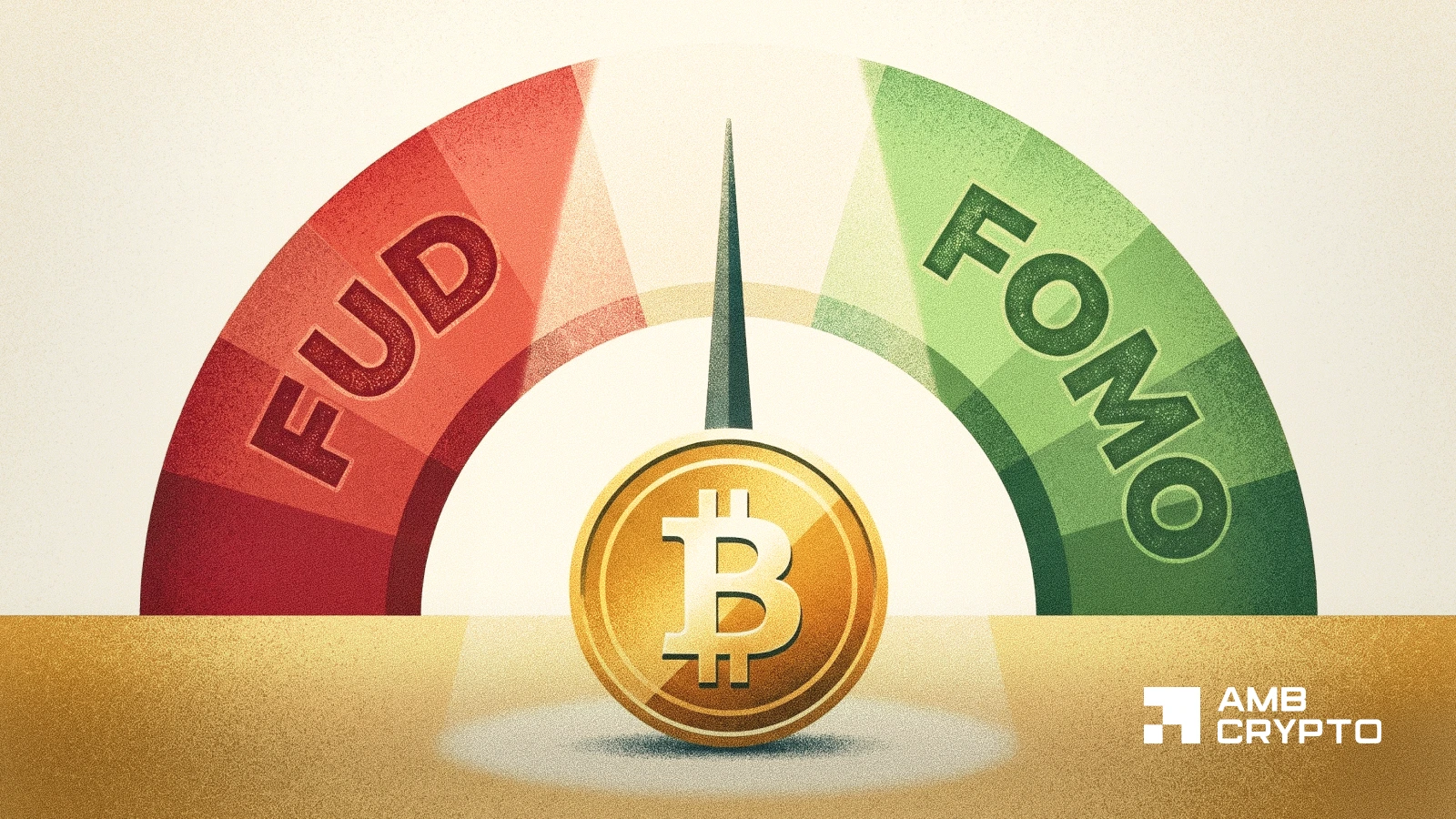
Santiment: Bitcoin sentiment shifts from FOMO to FUD, Bull Score falls to 60
Why it matters: If BTC holds $76K and shorts begin to liquidate, a return to greed is possible; a break below would intensify ETF outflows and pressure on altcoins.
Corporate treasuries bought only 5,900 BTC in three months
Why it matters: Slowing corporate purchases deprives the market of a key source of demand and signals weakening institutional interest.

Nakamoto: company with $343M in BTC trades at half price
Why it matters: The record discount to NAV shows that the market does not believe in the crypto treasury company model and values them below asset value.
Over $4.79B in Short Liquidations Stacked Above $75,982: Short Squeeze Risk
Why it matters: The liquidation asymmetry creates a risk of a sharp short squeeze if BTC returns to the $76,000–83,000 range.
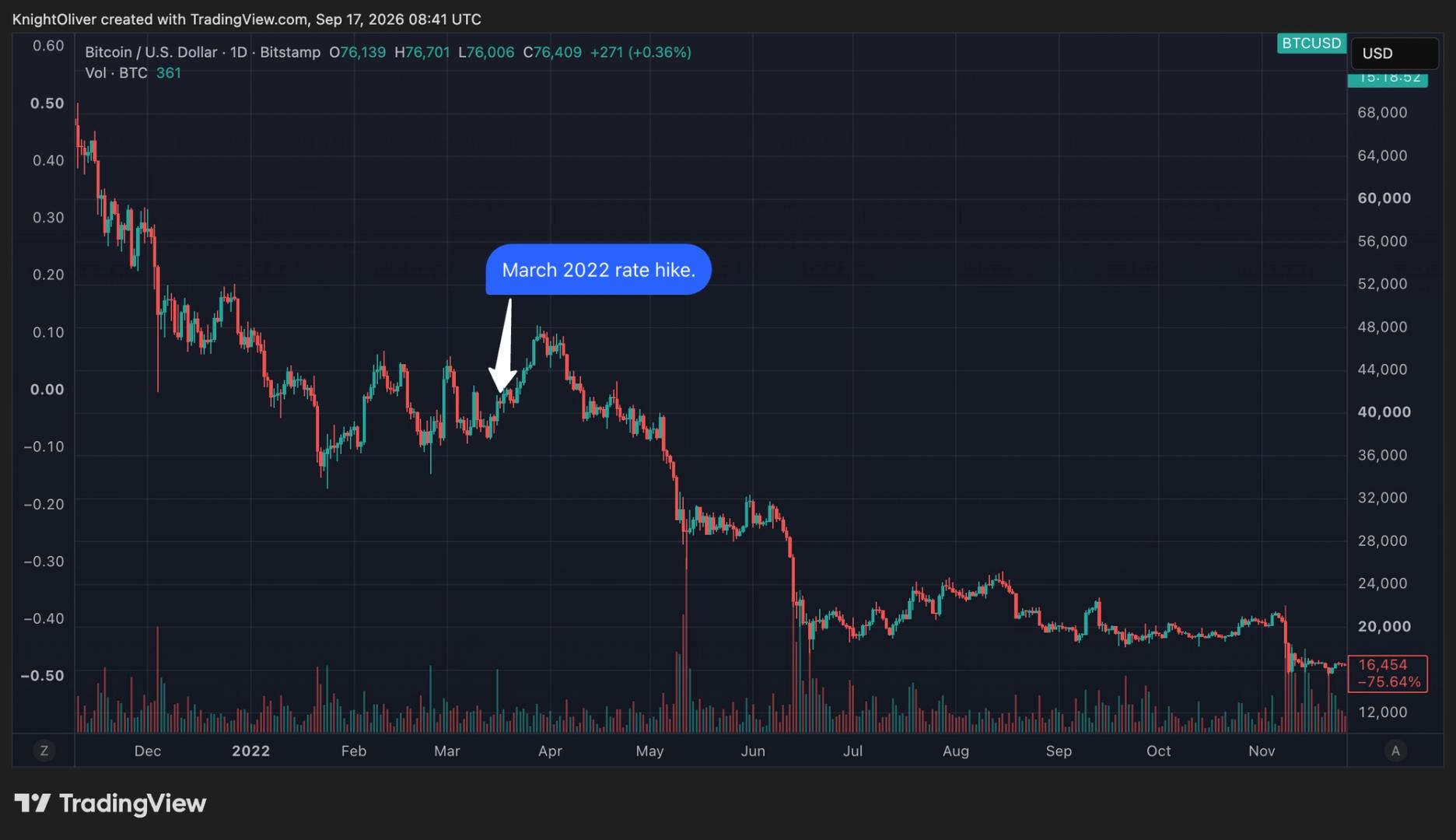
Bitcoin mirrors 2022 script as Fed resumes rate hikes
Why it matters: If the 2022 parallel holds, bitcoin's bounce may prove temporary before a new leg lower.
Korean managers launch crypto ETFs abroad, at home only indirect access
Why it matters: Korean managers are preparing infrastructure for possible legalization of spot crypto ETFs and tokenization, which could open the domestic market.
Bitwise CIO: bitcoin rally to continue while debt concerns persist
Why it matters: An argument that macro factors, not crypto regulation, determine bitcoin's price.
CryptoQuant: return of a bitcoin bear market unlikely
Why it matters: The signal points to easing seller pressure and a possible end to the bear phase, which matters for assessing BTC's medium-term outlook.
Strategy overtakes Berkshire Hathaway in daily stock trading volume
Why it matters: MSTR has cemented its role as the main exchange-traded proxy for bitcoin, amplifying crypto's influence on traditional indexes and ETFs.
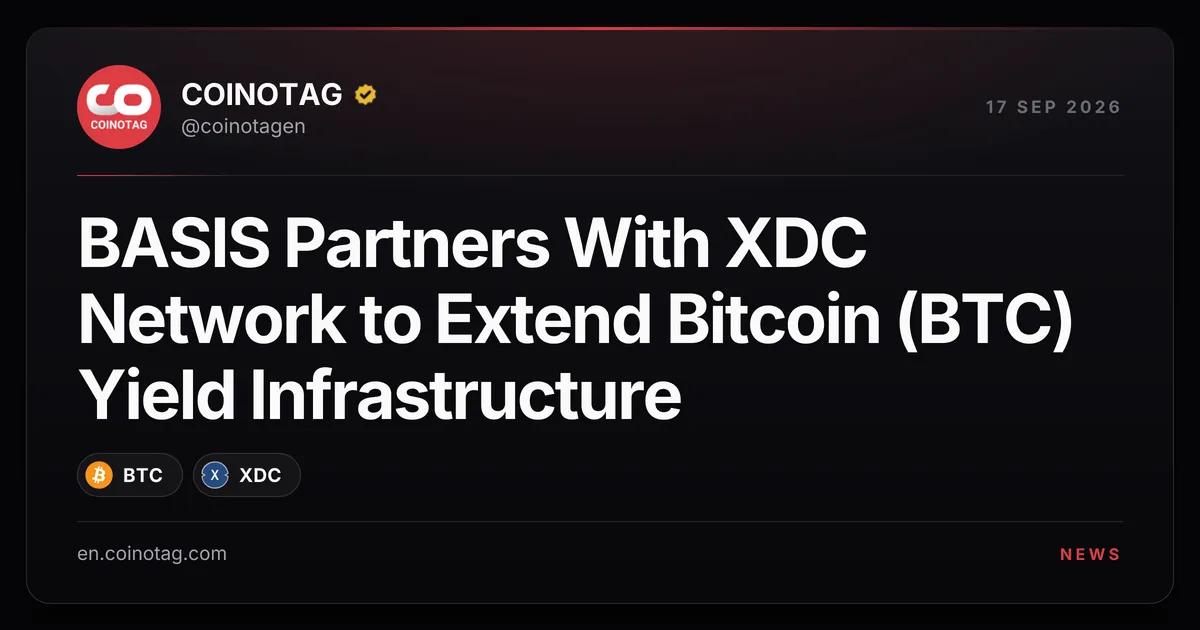
BASIS partners with XDC Network on bitcoin yield infrastructure
Why it matters: It expands institutional yield tools for bitcoin, but the size of the deal was not disclosed.
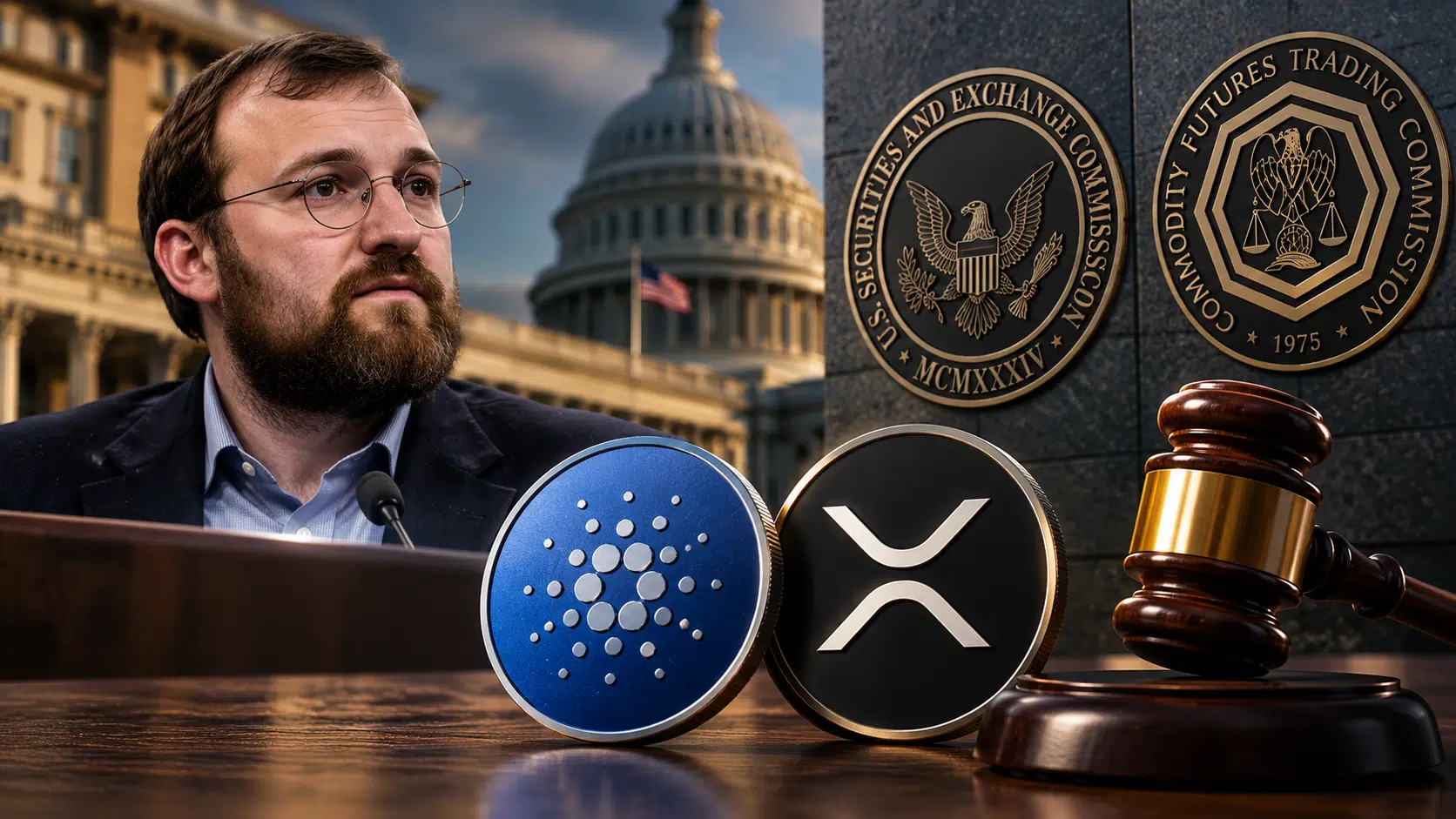
Hoskinson: ADA and XRP are real commodities, not securities
Why it matters: The statement reinforces the commodity-status narrative for ADA and XRP, reducing regulatory risks for these assets.

$520M pulled from bitcoin and Ethereum ETFs, Solana and XRP attract funds
Why it matters: The rotation of capital from BTC and ETH into altcoin ETFs shows institutions shifting into smaller assets after the Fed's tightening.

US diesel rises to $6.285 as Fed hikes, bitcoin at $76,400
Why it matters: Fuel inflation combined with a hawkish Fed weighs on risk assets and limits demand for bitcoin as a hedge.
Solana holds above $100 after first Fed rate hike in three years
Why it matters: Holding the $95–100 level will determine SOL's next trend amid Fed tightening and US regulatory uncertainty.

Analysis: Is the CLARITY Act needed for Bitcoin to rally?
Why it matters: For BTC holders, the law matters not as a growth driver but as insurance against the reversal of friendly rules after the 2028 election.