Bitcoin (BTC) news
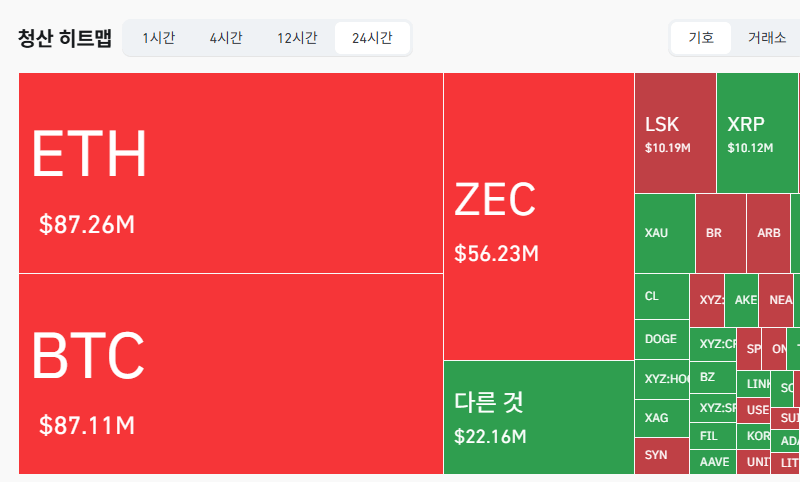
$271.76 million liquidated in 24 hours, 62.45% in shorts
Why it matters: The dominance of short liquidations points to a market rebound after the hawkish FOMC and growing pressure on sellers.
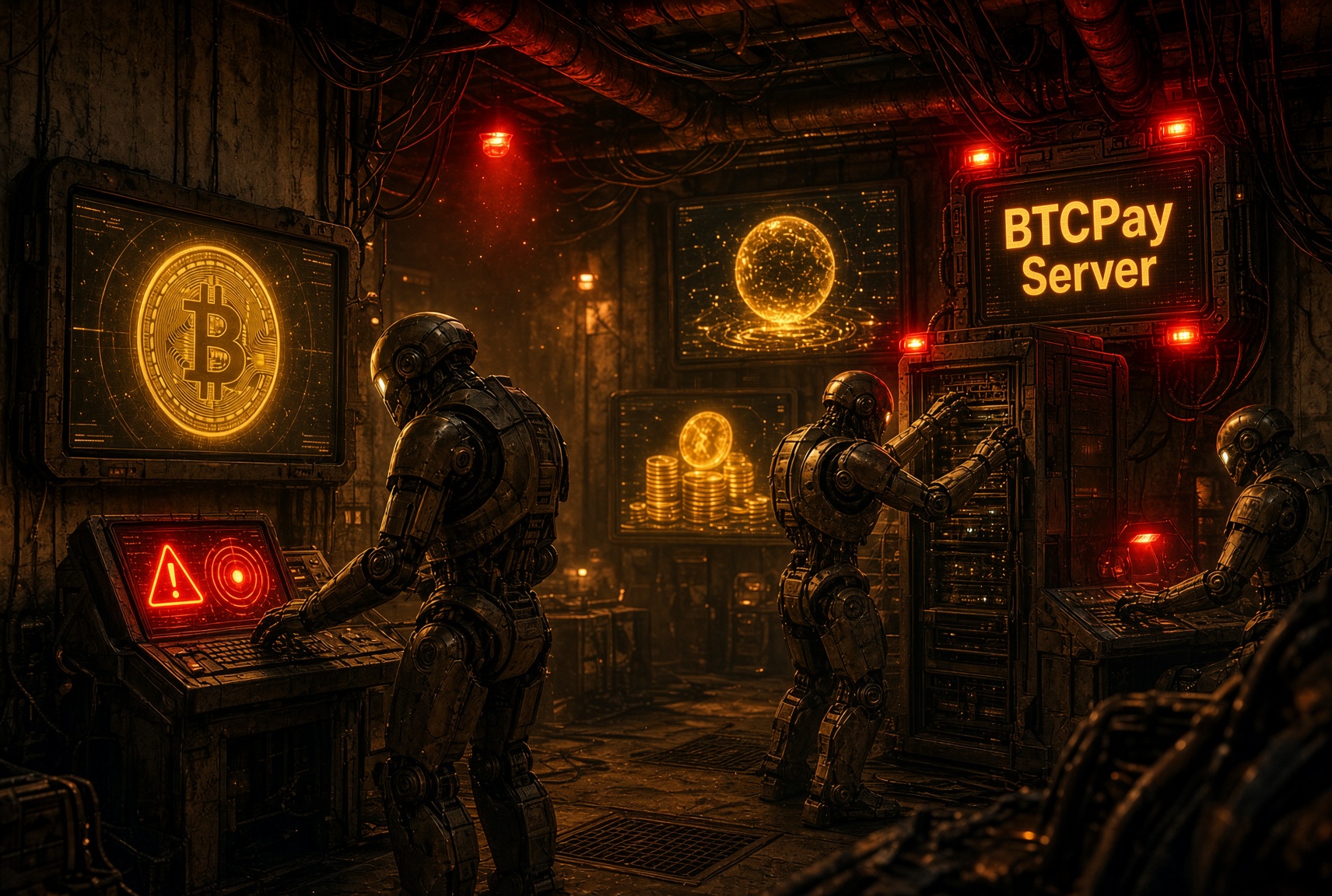
BTCPay Server: default passwords, not code, caused the fund theft
Why it matters: It shows that weak passwords and shared credentials are more dangerous to Lightning node operators than code bugs.

Block Scholes: Bitcoin and Ethereum IV around 38-39% and 52-54% ahead of FOMC
Why it matters: Low and flat IV ahead of the FOMC points to a lack of explicit hedging, raising the risk of a sharp move on a rate surprise.
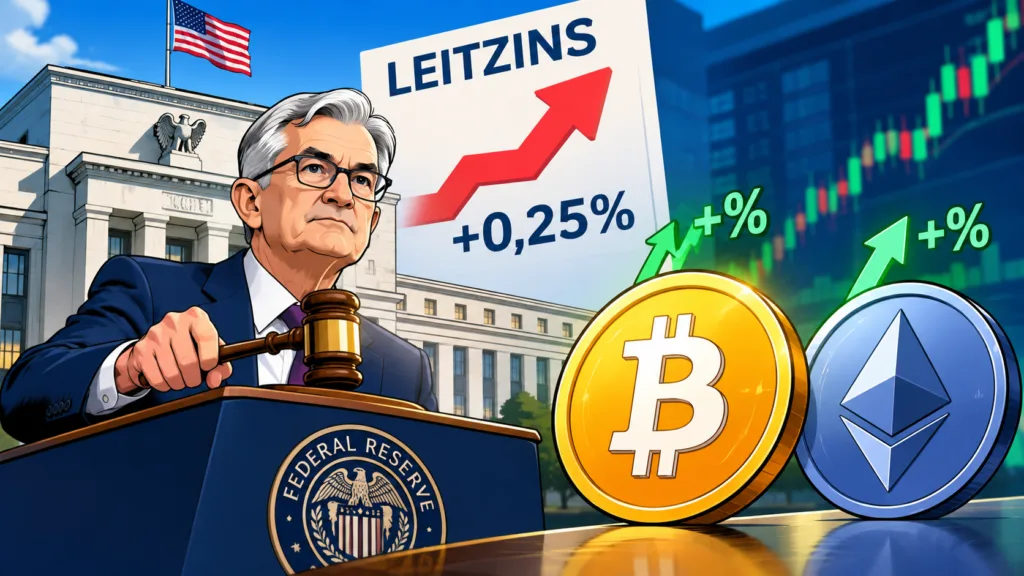
Bitcoin and Ethereum rise after Fed rate hike, Deutsche Bank to enter crypto custody
Why it matters: Deutsche Bank's entry into crypto custody strengthens institutional infrastructure, while BTC and ETH holding up after Fed tightening reduces the risk of further selling.

Bitcoin at $76,440: whale positions and options strikes converge in narrow range
Why it matters: The convergence of whale, options and liquidation levels makes the $76,000-$77,750 range a zone of heightened volatility after the Fed decision.
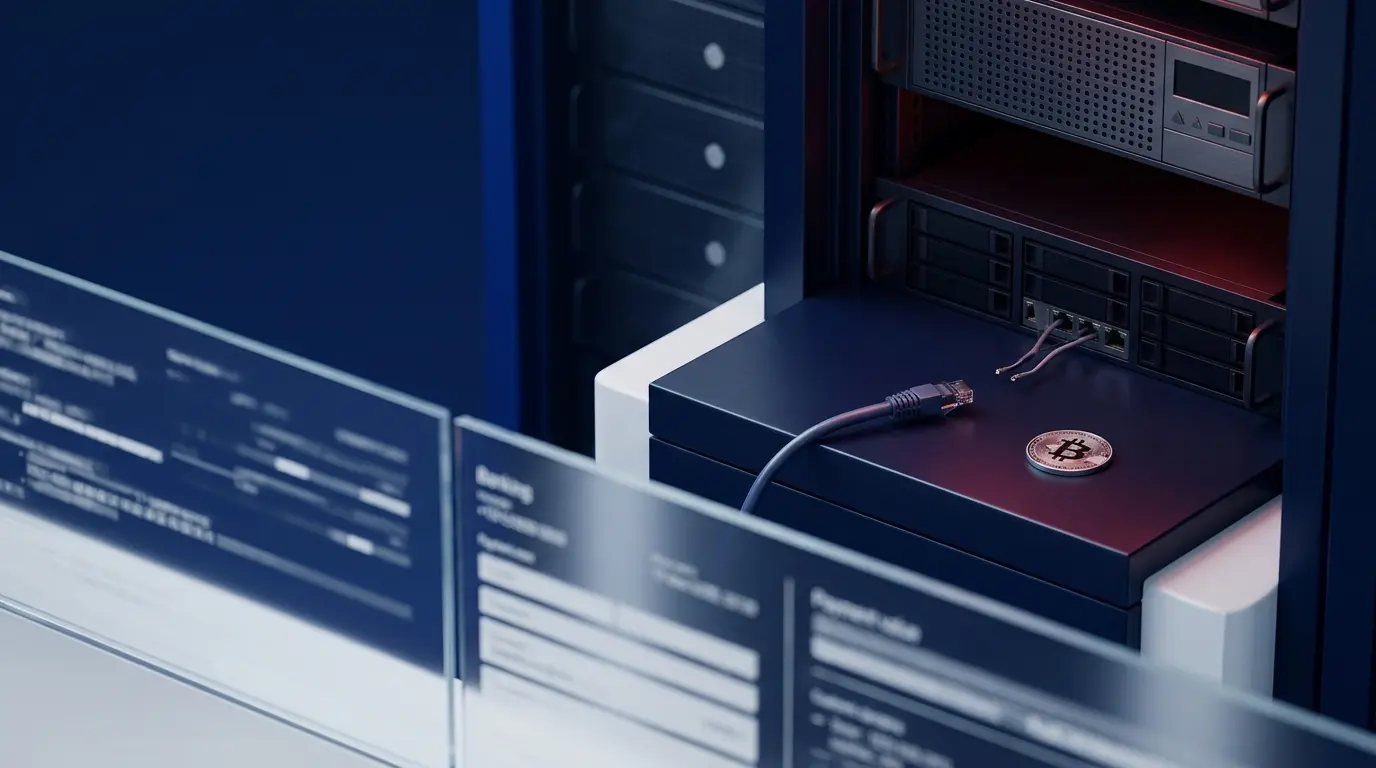
Swiss Bitcoin Pay shuts down servers after customer data breach
Why it matters: The leak of IBANs and transaction history opens the door to targeted phishing attacks on the service's customers.
Analyst Lark Davis names bitcoin support levels at $73,000 and $67,000
Why it matters: The $73,000 and $67,000 levels are reference points for traders if BTC extends its decline amid tight Fed policy.

Bitcoin pinned between $71,300 and $79,800 by on-chain cost basis
Why it matters: Cost-basis levels define demand and supply zones: a break above $79,800 would open the way up, while losing $71,300 would intensify selling pressure.
Ethereum holds near $2,400 as BitMine approaches 5% of ETH supply
Why it matters: Corporate ETH accumulation and infrastructure upgrades support the price, but a break above $2,500 is needed for a reversal.

Zcash jumps 23% to $1,369 on Paradigm backing and network upgrade vote
Why it matters: Institutional backing and the network upgrade strengthen Zcash's position as the largest privacy coin amid a broader market recovery.
Trader closes ETH and SOL longs with $1.89M profit in 30 days
Why it matters: Large traders are again building BTC, ETH and SOL longs, which may signal a bet on continued upside.

$519M pulled from crypto ETFs in a day: BTC and ETH fall, SOL gains
Why it matters: A second wave of outflows from BTC and ETH ETFs signals weak institutional demand after the failure of the CLARITY Act and a hawkish FOMC.
Markets recover after Fed rate hike; Goldman Sachs expects another in October
Why it matters: Expectations of another rate hike limit risk appetite, but bitcoin holding near $76,000 points to resilient demand.
Ethereum holds near $2,440 after Fed rate hike, range below $2,500
Why it matters: Holding $2,350 preserves the consolidation structure; a break above $2,500 would open the way to $2,600 and $3,000, while losing support would target $2,250.

US House committees approve bitcoin reserve and crypto tax bills
Why it matters: The bills advance US crypto regulation around the CLARITY Act, reducing uncertainty for institutions.
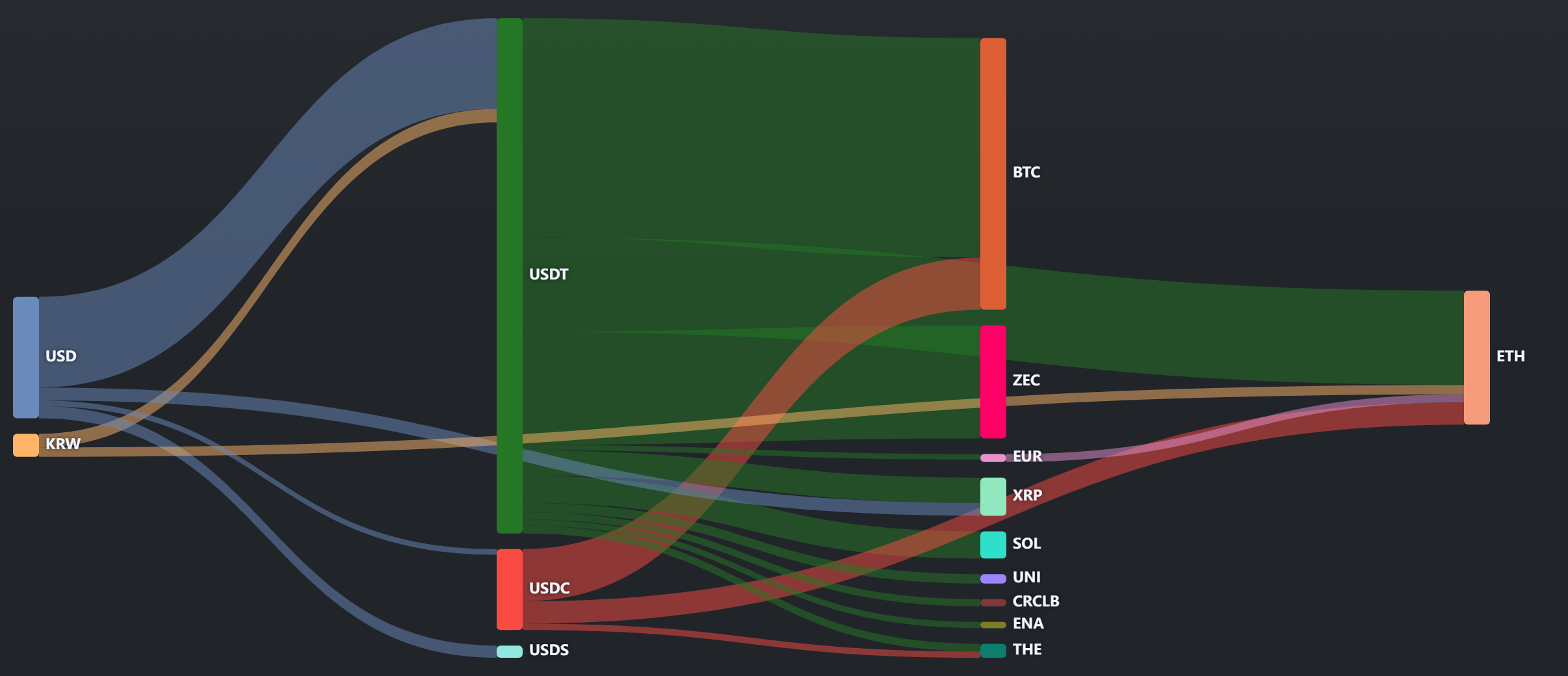
Crypto inflows hit $48.5M in 5 hours, with BTC leading and U second in outflows
Why it matters: Flow data shows where capital is moving within the market and which assets are losing support.

Upbit lists JPYC stablecoin with first Korean won pair
Why it matters: A new demand channel from Korea could halt the contraction in JPYC issuance and accelerate the stablecoin's minting.

Analyst: bitcoin bear market may end in 20 days
Why it matters: The forecast relies only on time cycles without price confirmation, so traders should wait for market signals rather than dates.

Fed hikes rates to 4%, Arc launches mainnet, market cap rises to $2.7T
Why it matters: The first tightening in three years sets the market's tone, while the Arc launch with major institutions strengthens USDC tokenization.

Binance releases 46th Proof of Reserves report: BTC balances up 3.92%
Why it matters: Rising BTC and ETH balances point to an inflow of assets to the largest exchange, while the USDT outflow may signal lower trading activity.