Bitcoin (BTC) news
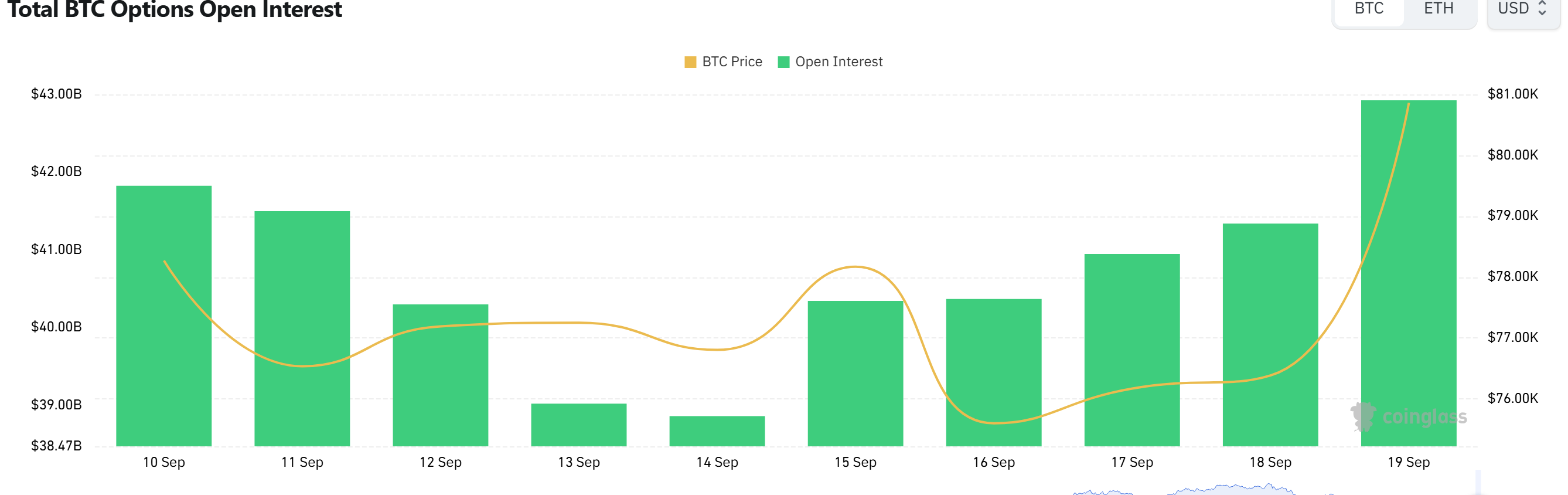
Bitcoin options open interest rises to $42.28B, $85,000 calls lead
Why it matters: The dominance of calls in OI and volume indicates growing demand for upside bets, supporting the bullish scenario for bitcoin.

Top traders cut bitcoin longs in USDT margin, add Ethereum positions
Why it matters: The reduction in bitcoin longs among large traders may signal fading bullish expectations, while rising Ethereum positions point to capital rotation.
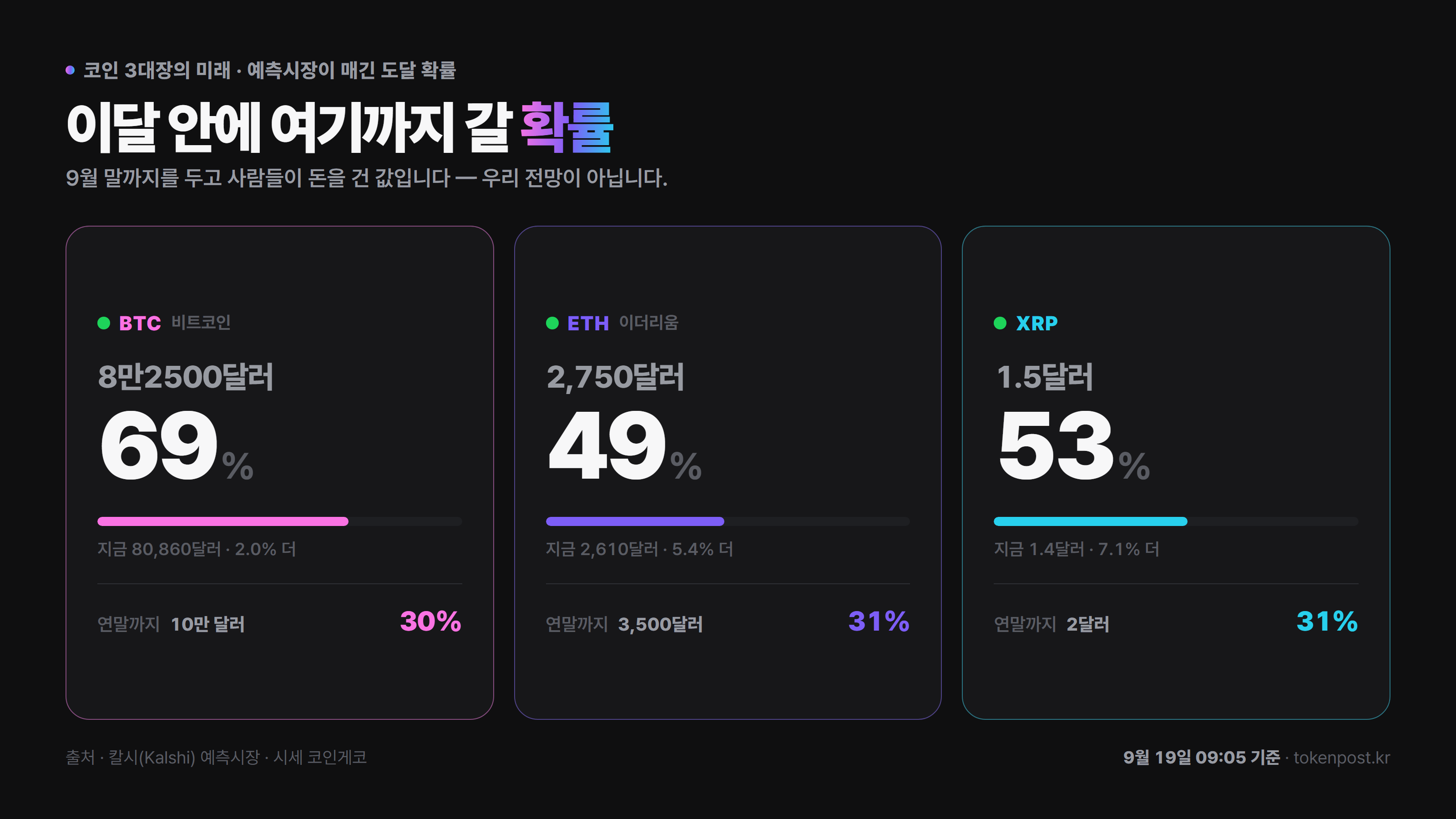
Kalshi: odds of bitcoin at $100,000 by year-end jump to 30% in a day
Why it matters: The sharp rise in prediction-market bets reflects strengthening bullish expectations after bitcoin's rebound above $80,000.

Bitcoin Mining Cost Reaches $78,000
Why it matters: If the price drops below the cost of production, miners may start selling BTC reserves, adding pressure to the market.

Kaspa Rises 11% to $0.037 on Capital Rotation into Layer 1
Why it matters: KAS's rise reflects demand for Layer 1 altcoins amid bitcoin's recovery, but its yearly performance remains negative.
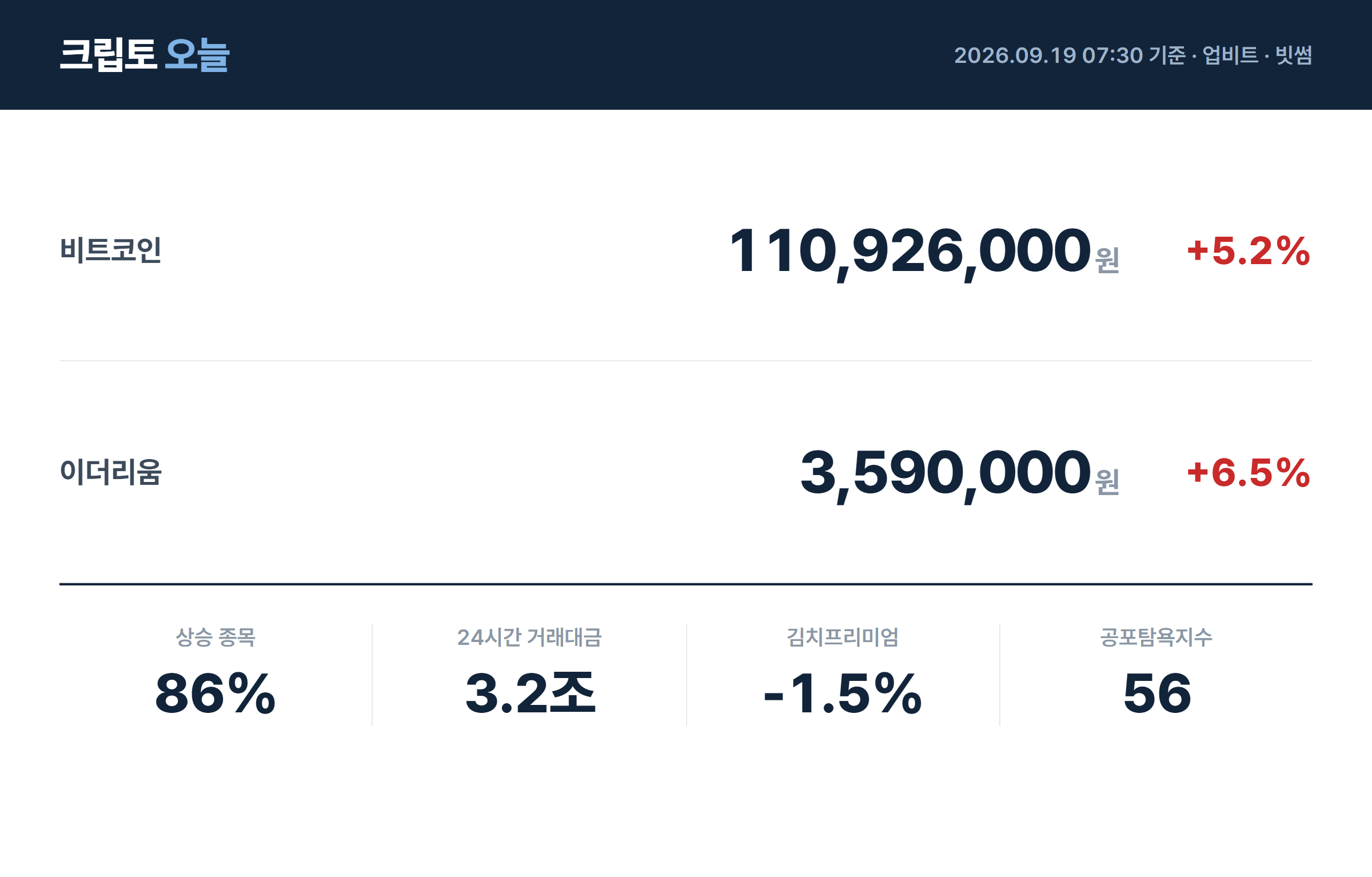
Bitcoin at $80,000: SynFutures soars 70% on Upbit
Why it matters: The Fear and Greed Index rose to 56, but the Korean premium remains negative (-1.5%), indicating local rather than global demand.
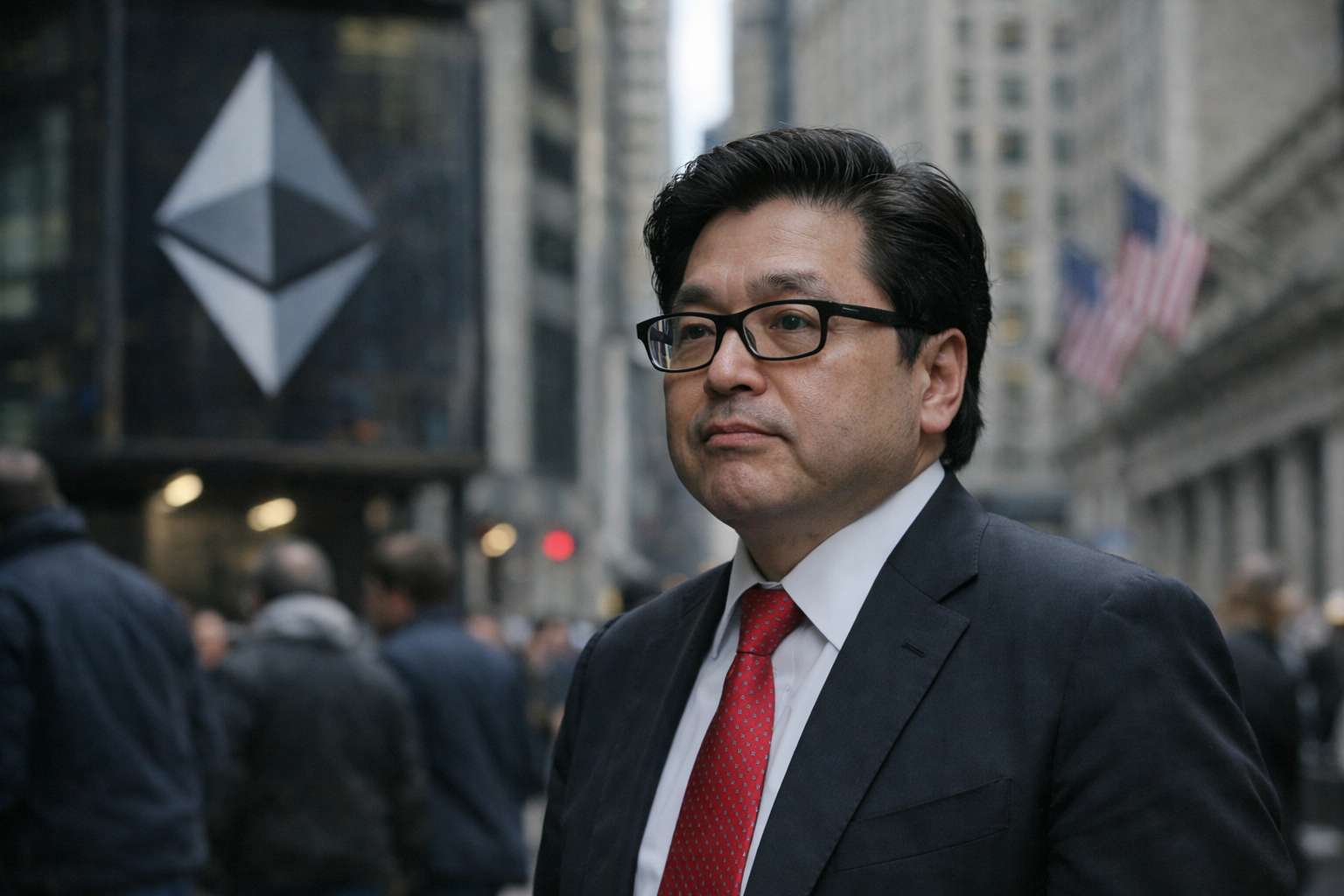
BitMine nears end of Ethereum accumulation: 5.96M ETH worth $15.4B
Why it matters: Completing accumulation and shifting to staking will reduce shareholder dilution and create cash flow, supporting crypto-treasury company stocks.

NEAR jumps 38% to $3.71, fourth straight winning session
Why it matters: The rally is backed by real volume, but extreme overbought conditions (RSI 82) raise the risk of a sharp correction.
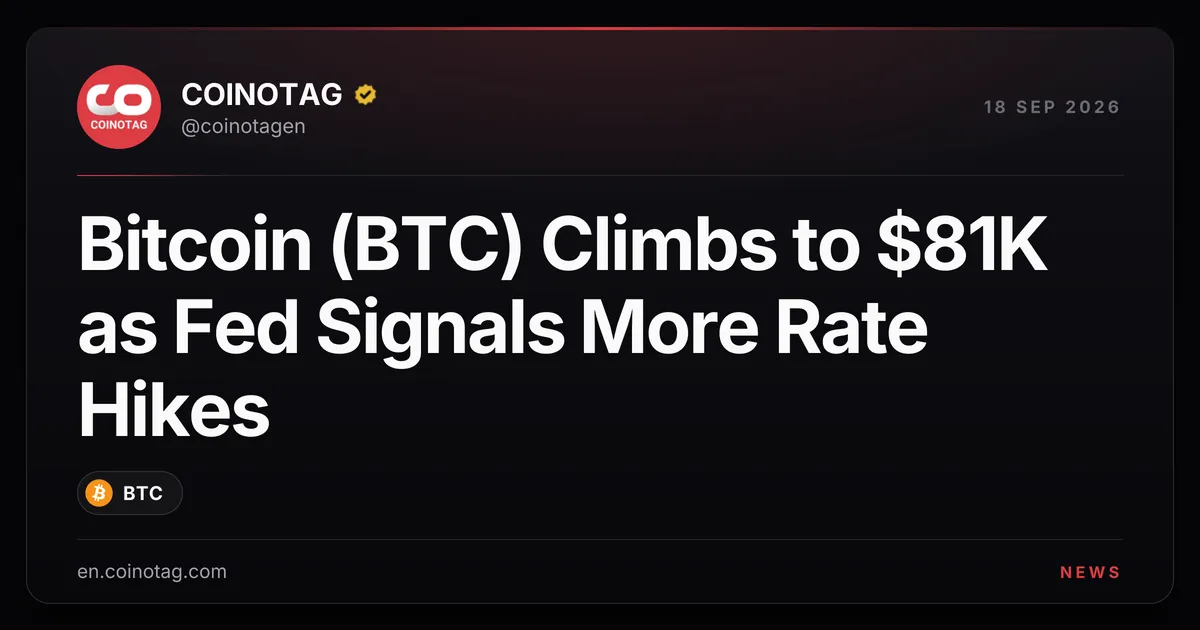
Bitcoin climbs to $81,265 as Fed signals further rate hikes
Why it matters: BTC's rise despite hawkish Fed rhetoric shows resilient demand, but high Treasury yields remain a risk for risk assets.

Robinhood charges up to 2% spread on default bitcoin trades
Why it matters: Hidden costs of up to 2% noticeably reduce active traders' returns and raise questions about price transparency on major retail platforms.
Cardano rises 5% to $0.213 but on-chain activity drops 72%
Why it matters: The price rally runs against weakening on-chain metrics: without a recovery in activity and fees, ADA's advance remains a speculative bounce.
CoinShares: bitcoin unlikely to hold above $80,000 by year-end
Why it matters: The absence of rate cuts and the delay of market structure legislation limit capital inflows into bitcoin through year-end.

SkyAI rejects Forward Industries' $2.13 per share buyout offer
Why it matters: The case shows that for DAT companies, not only coin reserves matter but also capital structure, share dilution, and management compensation.
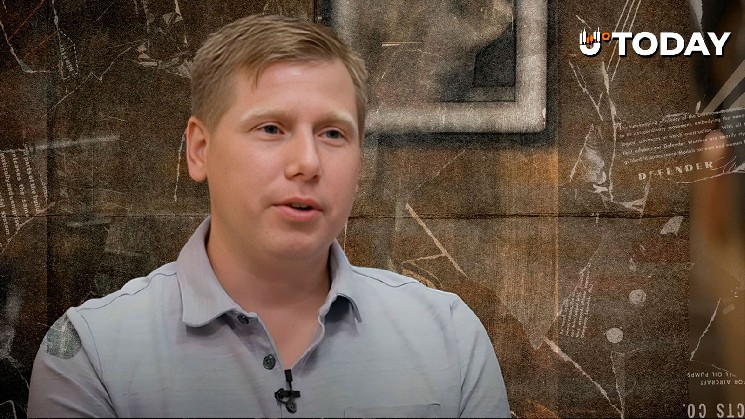
Barry Silbert calls Bittensor (TAO) the successor to Zcash and Bitcoin
Why it matters: A major institutional investor publicly shifting from BTC/ZEC into the decentralized AI sector could boost demand for TAO.
Glassnode: Bitcoin demand weakens as realized cap falls for first time in 28 days
Why it matters: Weak on-chain demand and ETF outflows put the $76,700 hold in question; losing the level would open the path to $71,300.
Whale Alert: 1,300 BTC Worth $105M Moved Between Unknown Wallets
Why it matters: Large whale transfers often precede market moves, and traders watch them as a signal of accumulation.

Strive Buys 469 BTC for $36.6M, Reserves Reach 25,000 Bitcoins
Why it matters: Strive became the fifth-largest public holder of bitcoin, confirming corporate demand for BTC through preferred shares without dilution.

Cardano Prepares Pogun to Unlock $1.6T Bitcoin Liquidity in DeFi
Why it matters: The launch could open new demand for ADA and bring the largest pool of capital into DeFi, but timing depends on the Leios upgrade.

BofA: Fed Under Warsh Could Raise Rates Above 5%
Why it matters: A more aggressive Fed cycle will increase pressure on the crypto market and risk assets, supporting the dollar and yields.

Ethereum breaks $2,600 after $85 million short squeeze
Why it matters: Breaking resistance at $2,600 could turn it into support, but sustainability depends on buyers arriving without leverage.