Bitcoin (BTC) news
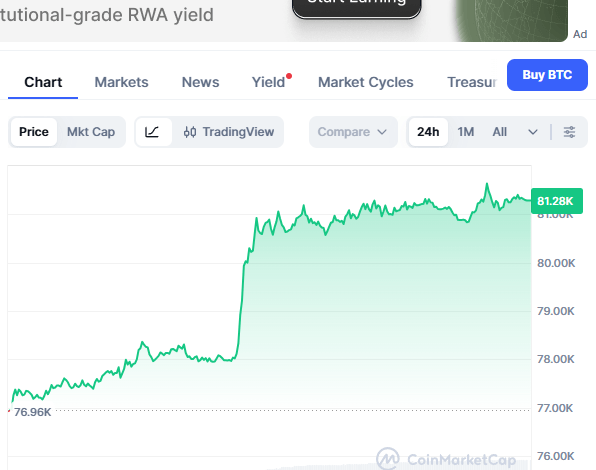
Crypto market rises to $2.78 trillion: Bitcoin $81,260, Ethereum $2,622
Why it matters: Rising derivatives volumes and BTC dominance point to strengthening risk appetite ahead of further market moves.

EIP-8365 proposed to exit Ethereum validators with legacy 0x00 credentials
Why it matters: The proposal could return ETH from validators with lost keys to circulation, but caution is needed as the rule would affect all validators in the 0x00 class.

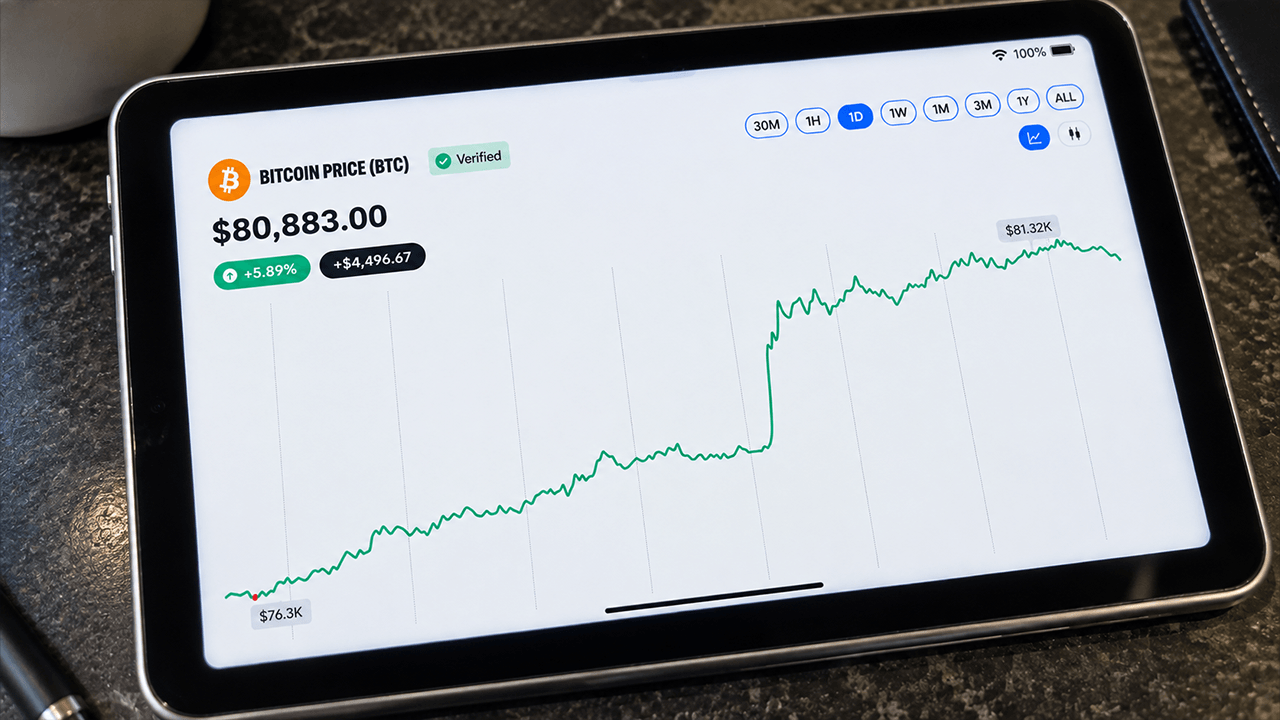
Bitcoin rises to $81,690, Ethereum back above $2,600: $652 million liquidated
Why it matters: The rebound after the CLARITY Act failure and Fed rate hike suggests negative sentiment is exhausted; holding above $80,000 opens the path to $82,300.
Trump and Xi to meet September 24: AI and tariff truce in focus
Why it matters: Easing trade tensions between the U.S. and China would support risk appetite and could push Bitcoin higher.

Whale opens $90M bitcoin long ahead of CFTC crypto rules sent to White House
Why it matters: CFTC rules could give the market partial clarity, but their scope is narrower than legislation and they are vulnerable to policy shifts.

Polymarket: 25% odds bitcoin hits $100,000 by year-end, 2% for $150,000
Why it matters: Prediction markets show traders do not expect a quick return to $100,000, keeping expectations in the $80,000–85,000 range.
Prediction markets: 84% for $84,000, but only 25% for $100,000 by year-end
Why it matters: Prediction markets show traders expect limited BTC upside this year and do not believe in six-figure levels until 2027.

Glassnode: if bitcoin holds above $82,000, next target is $85,638
Why it matters: The average purchase price levels of ETFs and corporations act as potential sell zones, defining the near-term range for BTC.
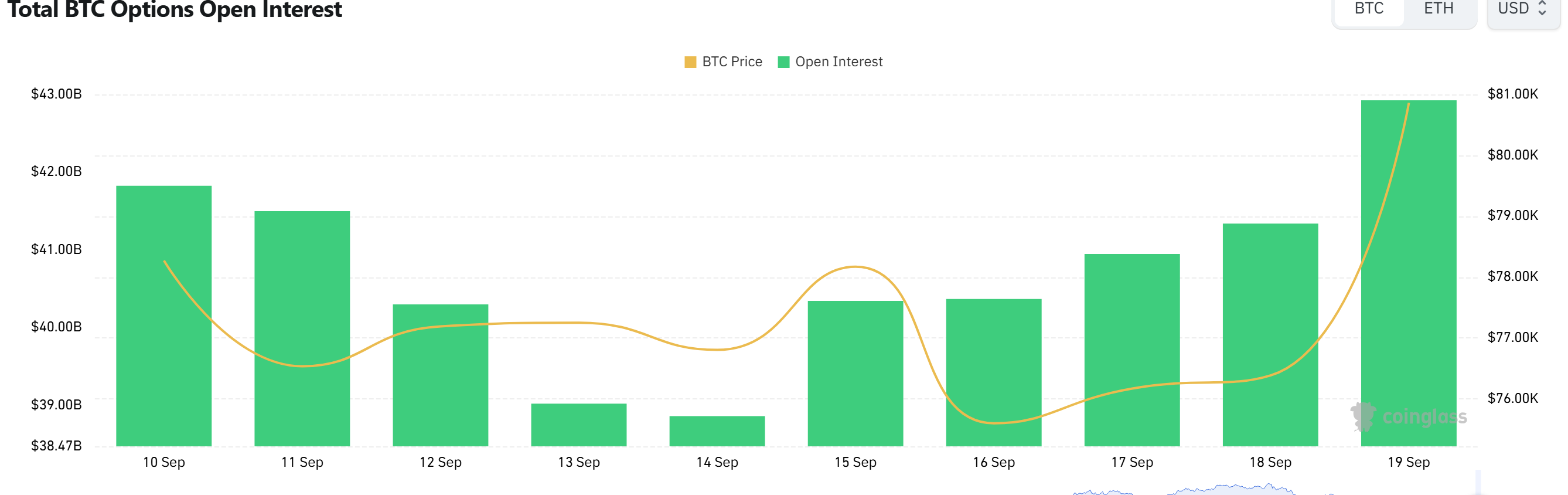
Bitcoin options open interest rises to $42.28B, $85,000 calls lead
Why it matters: The dominance of calls in OI and volume indicates growing demand for upside bets, supporting the bullish scenario for bitcoin.

Top traders cut bitcoin longs in USDT margin, add Ethereum positions
Why it matters: The reduction in bitcoin longs among large traders may signal fading bullish expectations, while rising Ethereum positions point to capital rotation.
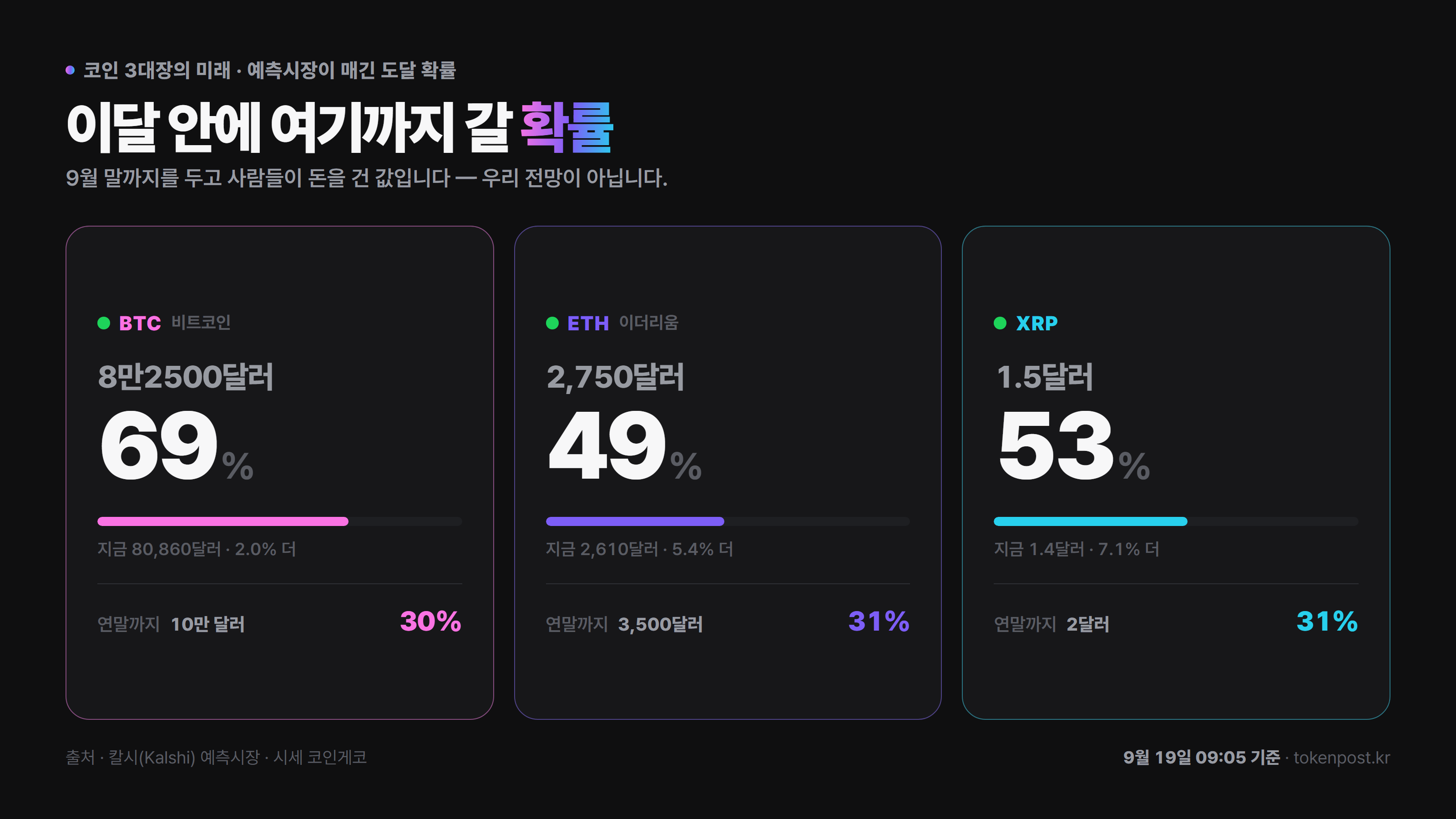
Kalshi: odds of bitcoin at $100,000 by year-end jump to 30% in a day
Why it matters: The sharp rise in prediction-market bets reflects strengthening bullish expectations after bitcoin's rebound above $80,000.

Bitcoin Mining Cost Reaches $78,000
Why it matters: If the price drops below the cost of production, miners may start selling BTC reserves, adding pressure to the market.

Kaspa Rises 11% to $0.037 on Capital Rotation into Layer 1
Why it matters: KAS's rise reflects demand for Layer 1 altcoins amid bitcoin's recovery, but its yearly performance remains negative.
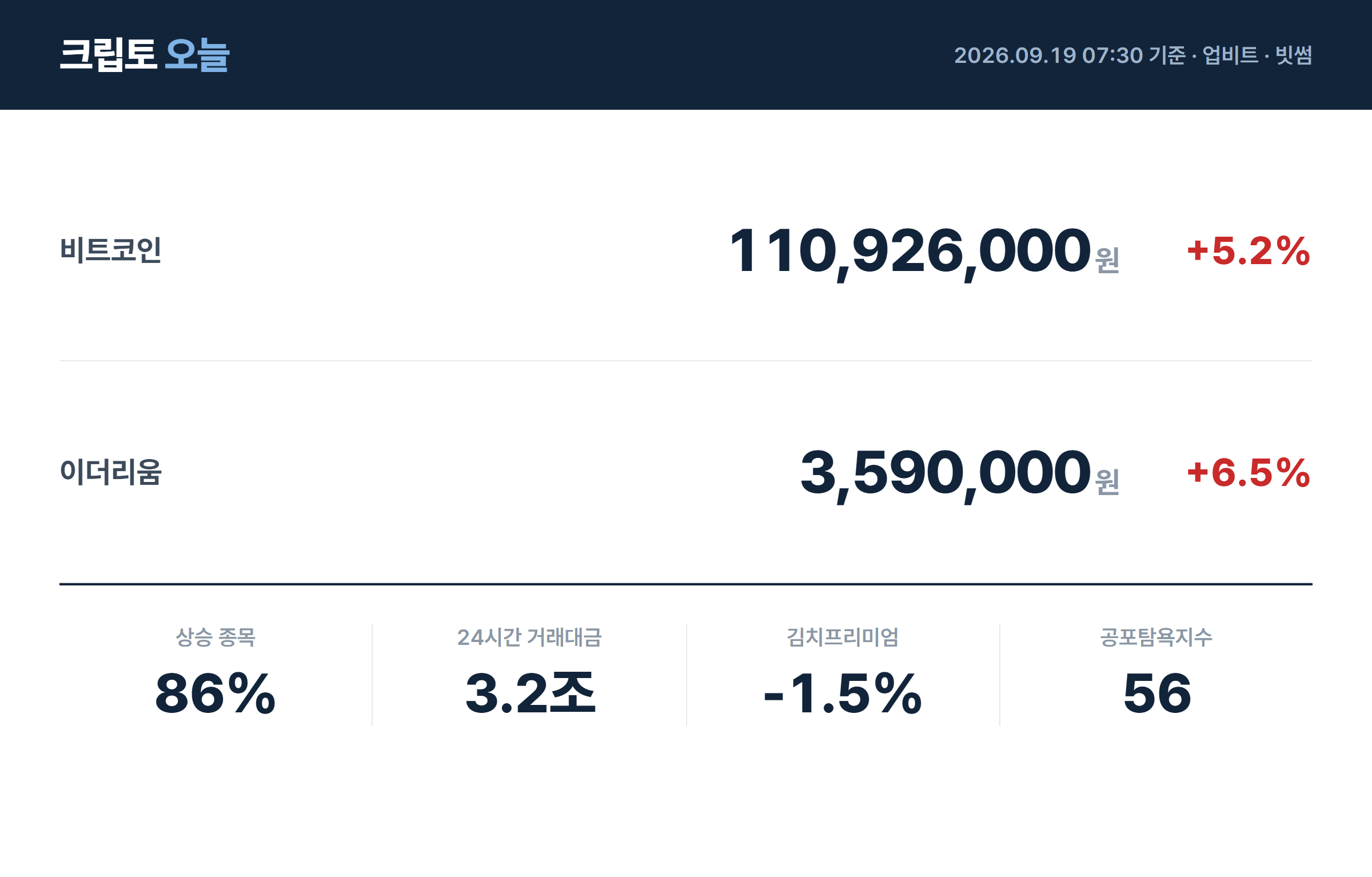
Bitcoin at $80,000: SynFutures soars 70% on Upbit
Why it matters: The Fear and Greed Index rose to 56, but the Korean premium remains negative (-1.5%), indicating local rather than global demand.
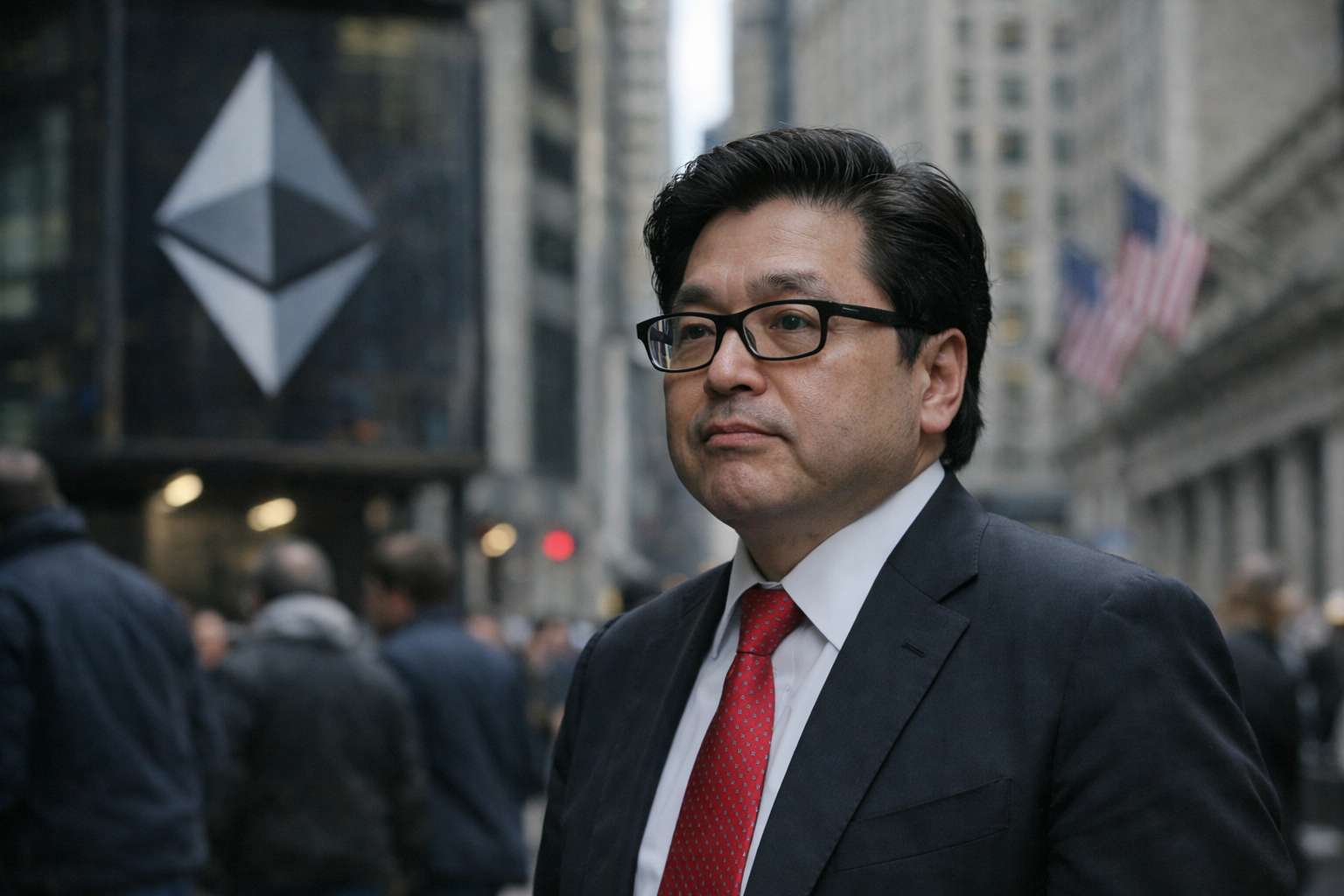
BitMine nears end of Ethereum accumulation: 5.96M ETH worth $15.4B
Why it matters: Completing accumulation and shifting to staking will reduce shareholder dilution and create cash flow, supporting crypto-treasury company stocks.

NEAR jumps 38% to $3.71, fourth straight winning session
Why it matters: The rally is backed by real volume, but extreme overbought conditions (RSI 82) raise the risk of a sharp correction.
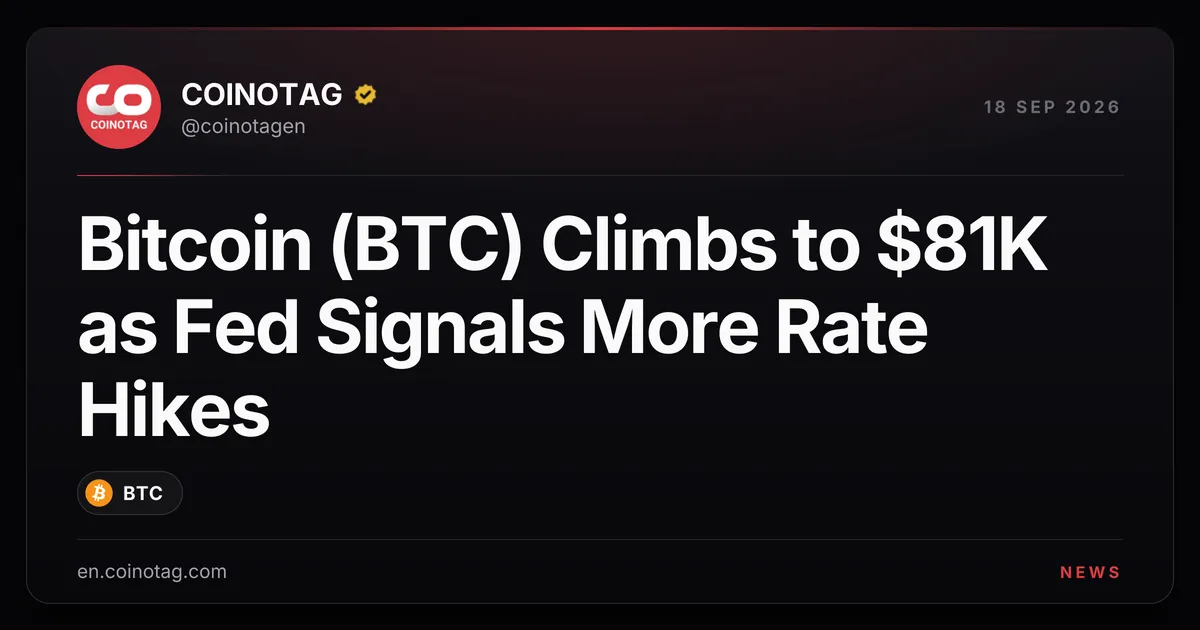
Bitcoin climbs to $81,265 as Fed signals further rate hikes
Why it matters: BTC's rise despite hawkish Fed rhetoric shows resilient demand, but high Treasury yields remain a risk for risk assets.

Robinhood charges up to 2% spread on default bitcoin trades
Why it matters: Hidden costs of up to 2% noticeably reduce active traders' returns and raise questions about price transparency on major retail platforms.

Cardano rises 5% to $0.213 but on-chain activity drops 72%
Why it matters: The price rally runs against weakening on-chain metrics: without a recovery in activity and fees, ADA's advance remains a speculative bounce.
CoinShares: bitcoin unlikely to hold above $80,000 by year-end
Why it matters: The absence of rate cuts and the delay of market structure legislation limit capital inflows into bitcoin through year-end.