Bitcoin (BTC) news
CoinShares: bitcoin unlikely to hold above $80,000 by year-end
Why it matters: The absence of rate cuts and the delay of market structure legislation limit capital inflows into bitcoin through year-end.
SkyAI rejects Forward Industries' $2.13 per share buyout offer
Why it matters: The case shows that for DAT companies, not only coin reserves matter but also capital structure, share dilution, and management compensation.

Barry Silbert calls Bittensor (TAO) the successor to Zcash and Bitcoin
Why it matters: A major institutional investor publicly shifting from BTC/ZEC into the decentralized AI sector could boost demand for TAO.
Glassnode: Bitcoin demand weakens as realized cap falls for first time in 28 days
Why it matters: Weak on-chain demand and ETF outflows put the $76,700 hold in question; losing the level would open the path to $71,300.
Whale Alert: 1,300 BTC Worth $105M Moved Between Unknown Wallets
Why it matters: Large whale transfers often precede market moves, and traders watch them as a signal of accumulation.

Strive Buys 469 BTC for $36.6M, Reserves Reach 25,000 Bitcoins
Why it matters: Strive became the fifth-largest public holder of bitcoin, confirming corporate demand for BTC through preferred shares without dilution.

Cardano Prepares Pogun to Unlock $1.6T Bitcoin Liquidity in DeFi
Why it matters: The launch could open new demand for ADA and bring the largest pool of capital into DeFi, but timing depends on the Leios upgrade.

BofA: Fed Under Warsh Could Raise Rates Above 5%
Why it matters: A more aggressive Fed cycle will increase pressure on the crypto market and risk assets, supporting the dollar and yields.

Ethereum breaks $2,600 after $85 million short squeeze
Why it matters: Breaking resistance at $2,600 could turn it into support, but sustainability depends on buyers arriving without leverage.
Bitcoin holds $78,000 as LSK, ARB, NEAR and ZEC lead the bounce
Why it matters: The market absorbed the failure of the CLARITY Act and tightening by the Fed and Bank of Japan — a signal that sellers are exhausted.

Bitcoin breaks $81,000 as Aramco halts oil supplies to Europe
Why it matters: Bitcoin's rise is supported by the SEC's regulatory easing and lower oil risks, boosting risk appetite in the crypto market.
Crypto stocks rally: Strategy +16.32%, MARA +13.59%, Coinbase +11.18%
Why it matters: The rally in crypto stocks reflects a return of risk appetite after bitcoin rebounded above $80,000.
Solana hits seven-month high above $110, open interest up 18%
Why it matters: The break above $110 confirms capital rotation into altcoins; holding $100 keeps the bullish scenario intact, while losing it opens the path to a correction.

Starknet launches strkBTC claim, registration opens Sept. 22
Why it matters: The launch expands the supply of private bitcoin in DeFi on Starknet, but real demand has yet to be confirmed.

Payward files for single-stock perpetual futures for Kraken in the US
Why it matters: The launch would create a new US product class — single-stock perpetual futures — intensifying competition with Crypto.com and Coinbase.

Santiment: whales sold 57,600 BTC since August 5, capital rotates into altcoins
Why it matters: Whale selling while small players buy raises correction risk, but capital rotation into altcoins could extend their rally.
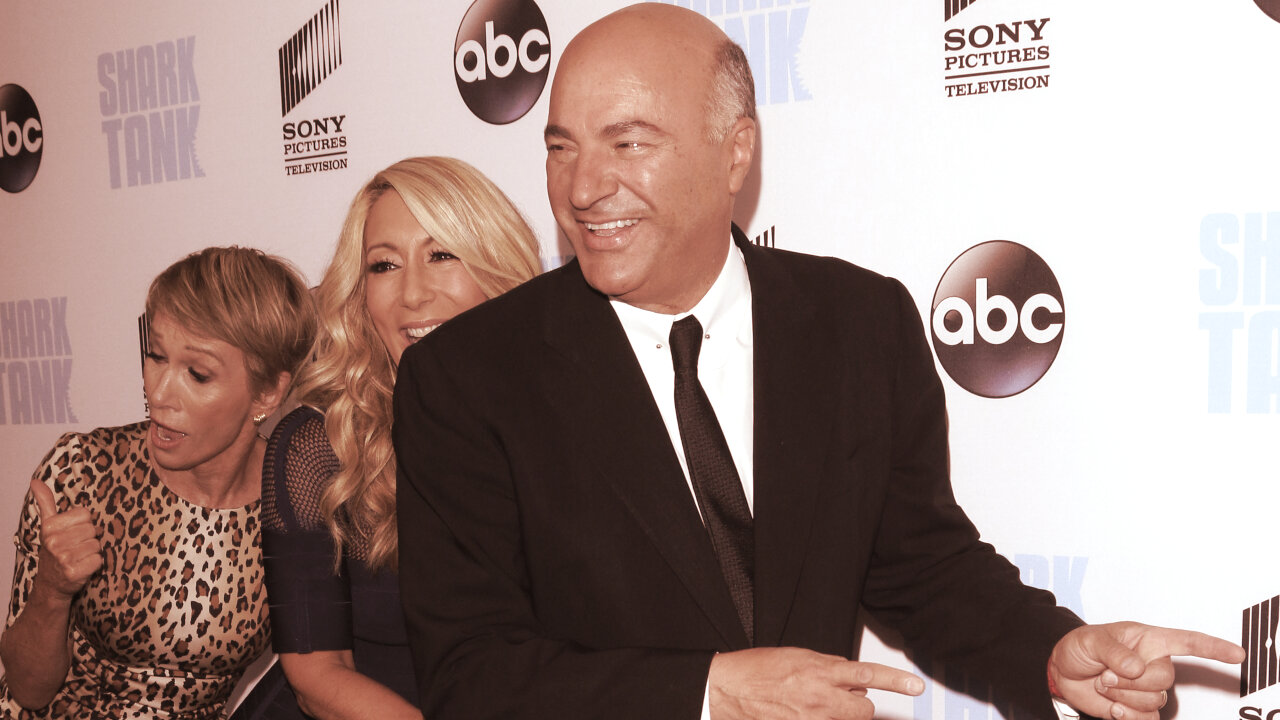
Kevin O'Leary: Bitcoin will hit $1 million if the quantum threat is solved
Why it matters: The statement from a well-known investor supports the long-term BTC growth narrative but flags quantum risk as a key factor.
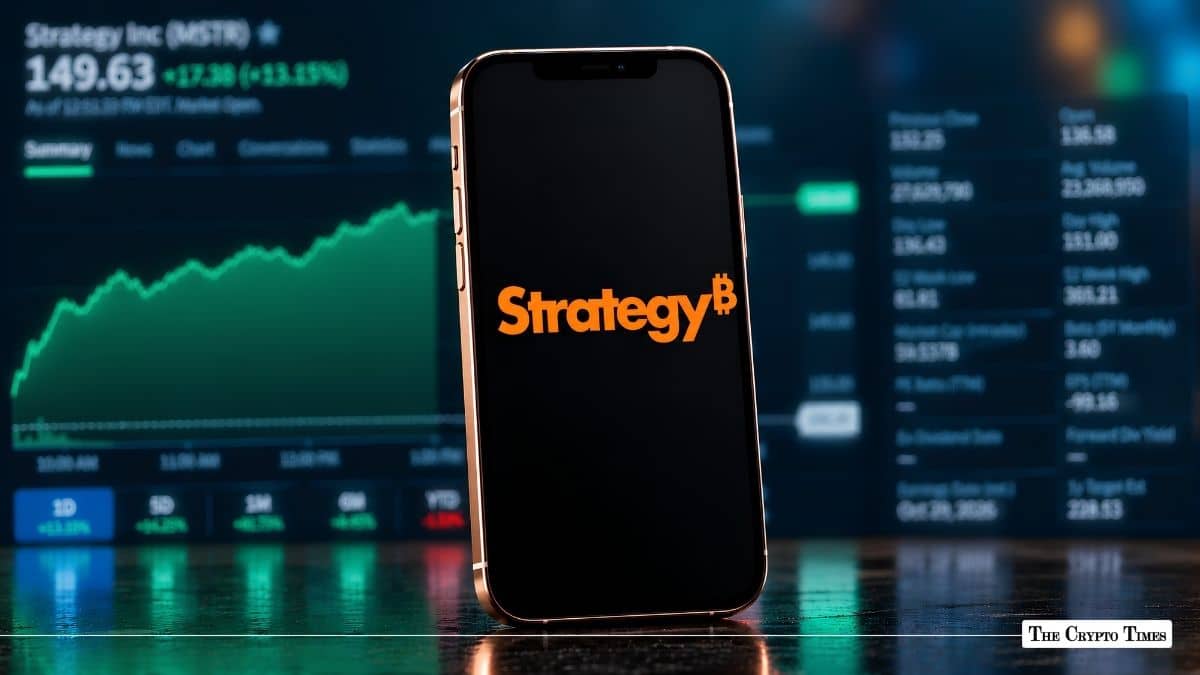
Strategy shares jump 13% to $151 as bitcoin reserve bill advances
Why it matters: Advancing the BTC state reserve bill strengthens institutional demand and supports crypto stocks such as MSTR.

Zondacrypto creditors begin bankruptcy proceedings in Estonia
Why it matters: The collapse of Poland's largest exchange and creditors' fight over remaining assets increase pressure on crypto custody regulation in the EU.
Strategy moves 411 BTC to Coinbase Prime, Marathon sends 250 BTC
Why it matters: Large transfers to exchange custodians can signal preparations to sell and weigh on BTC holders' sentiment.