Bitcoin (BTC) news
CryptoQuant: Bitcoin exits weakness zone, but RSI signals overbought
Why it matters: Unwinding hedges and a short squeeze could accelerate BTC's rise, but overbought conditions increase the risk of a pullback.
Bitcoin shorts lose $283 million in 24 hours
Why it matters: Mass short covering points to a sharp price rise and could fuel further upward squeeze.

Monero jumps 11% to $575 as capital rotates into privacy coins
Why it matters: The rotation into privacy coins may continue, but the EU's 2027 regulatory deadline poses a risk to XMR liquidity on European exchanges.
Bitcoin overtakes Tesla, returns to top 15 assets by market cap
Why it matters: Bitcoin's market cap rising above Tesla's reinforces the narrative of BTC as a global reserve asset amid a broad market rally.

HYPE hits record $94.43 as Payward plans US on-chain perpetuals
Why it matters: The launch of on-chain perpetuals for the US could broaden institutional access to Hyperliquid, but the service is still only in the planning stage.

BlackRock: Bitcoin volatility fell from 80 to 35-40 on ETFs and options
Why it matters: Lower volatility makes Bitcoin more attractive for institutional portfolios, but the estimates come from a BlackRock employee.

Polymarket: odds of Bitcoin rising to $82,500 climb to 79%
Why it matters: Rising Polymarket bets reflect strengthening bullish expectations, but a breakout above $80,000-$82,000 resistance is needed for confirmation.

Analysts compare Bitcoin's post-Fed hike rally to 2022
Why it matters: If ETF inflows do not recover, the post-hike rebound could prove a trap, as it did in 2022.
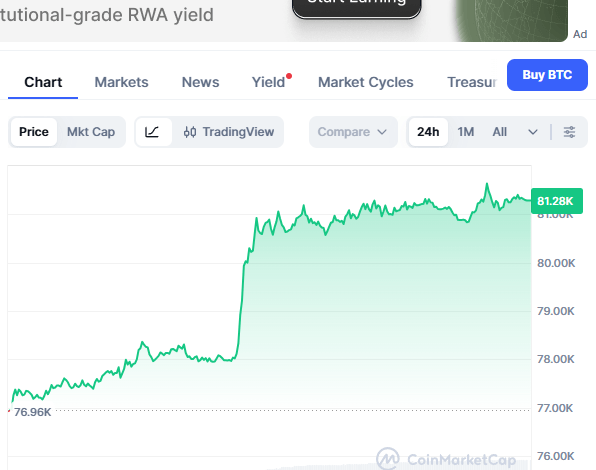
Crypto market rises to $2.78 trillion: Bitcoin $81,260, Ethereum $2,622
Why it matters: Rising derivatives volumes and BTC dominance point to strengthening risk appetite ahead of further market moves.

EIP-8365 proposed to exit Ethereum validators with legacy 0x00 credentials
Why it matters: The proposal could return ETH from validators with lost keys to circulation, but caution is needed as the rule would affect all validators in the 0x00 class.

Bitcoin rises to $81,690, Ethereum back above $2,600: $652 million liquidated
Why it matters: The rebound after the CLARITY Act failure and Fed rate hike suggests negative sentiment is exhausted; holding above $80,000 opens the path to $82,300.
Trump and Xi to meet September 24: AI and tariff truce in focus
Why it matters: Easing trade tensions between the U.S. and China would support risk appetite and could push Bitcoin higher.

Whale opens $90M bitcoin long ahead of CFTC crypto rules sent to White House
Why it matters: CFTC rules could give the market partial clarity, but their scope is narrower than legislation and they are vulnerable to policy shifts.

Polymarket: 25% odds bitcoin hits $100,000 by year-end, 2% for $150,000
Why it matters: Prediction markets show traders do not expect a quick return to $100,000, keeping expectations in the $80,000–85,000 range.
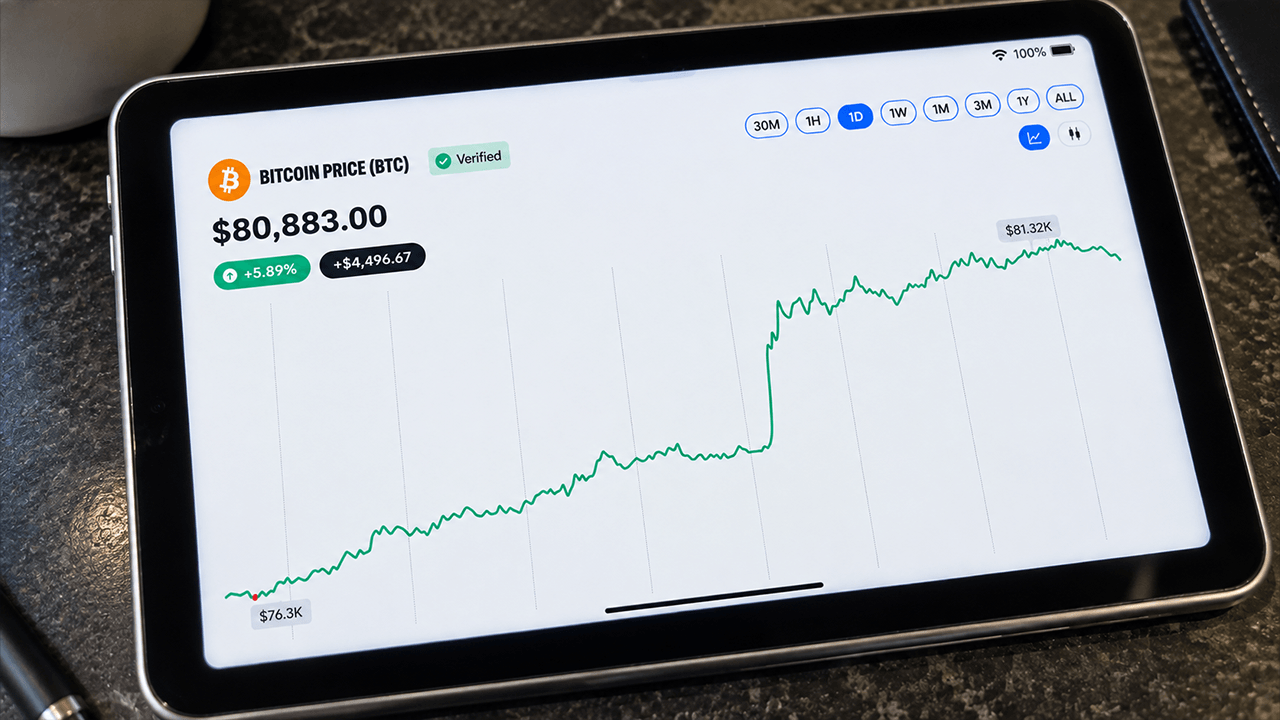
Prediction markets: 84% for $84,000, but only 25% for $100,000 by year-end
Why it matters: Prediction markets show traders expect limited BTC upside this year and do not believe in six-figure levels until 2027.

Glassnode: if bitcoin holds above $82,000, next target is $85,638
Why it matters: The average purchase price levels of ETFs and corporations act as potential sell zones, defining the near-term range for BTC.
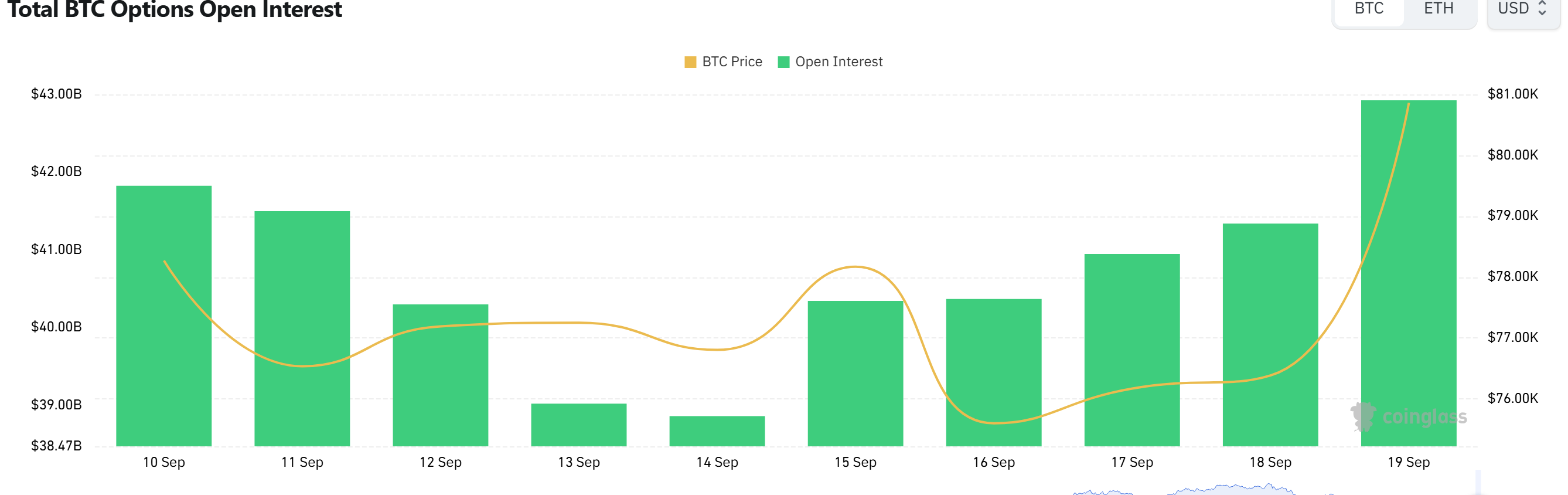
Bitcoin options open interest rises to $42.28B, $85,000 calls lead
Why it matters: The dominance of calls in OI and volume indicates growing demand for upside bets, supporting the bullish scenario for bitcoin.

Top traders cut bitcoin longs in USDT margin, add Ethereum positions
Why it matters: The reduction in bitcoin longs among large traders may signal fading bullish expectations, while rising Ethereum positions point to capital rotation.
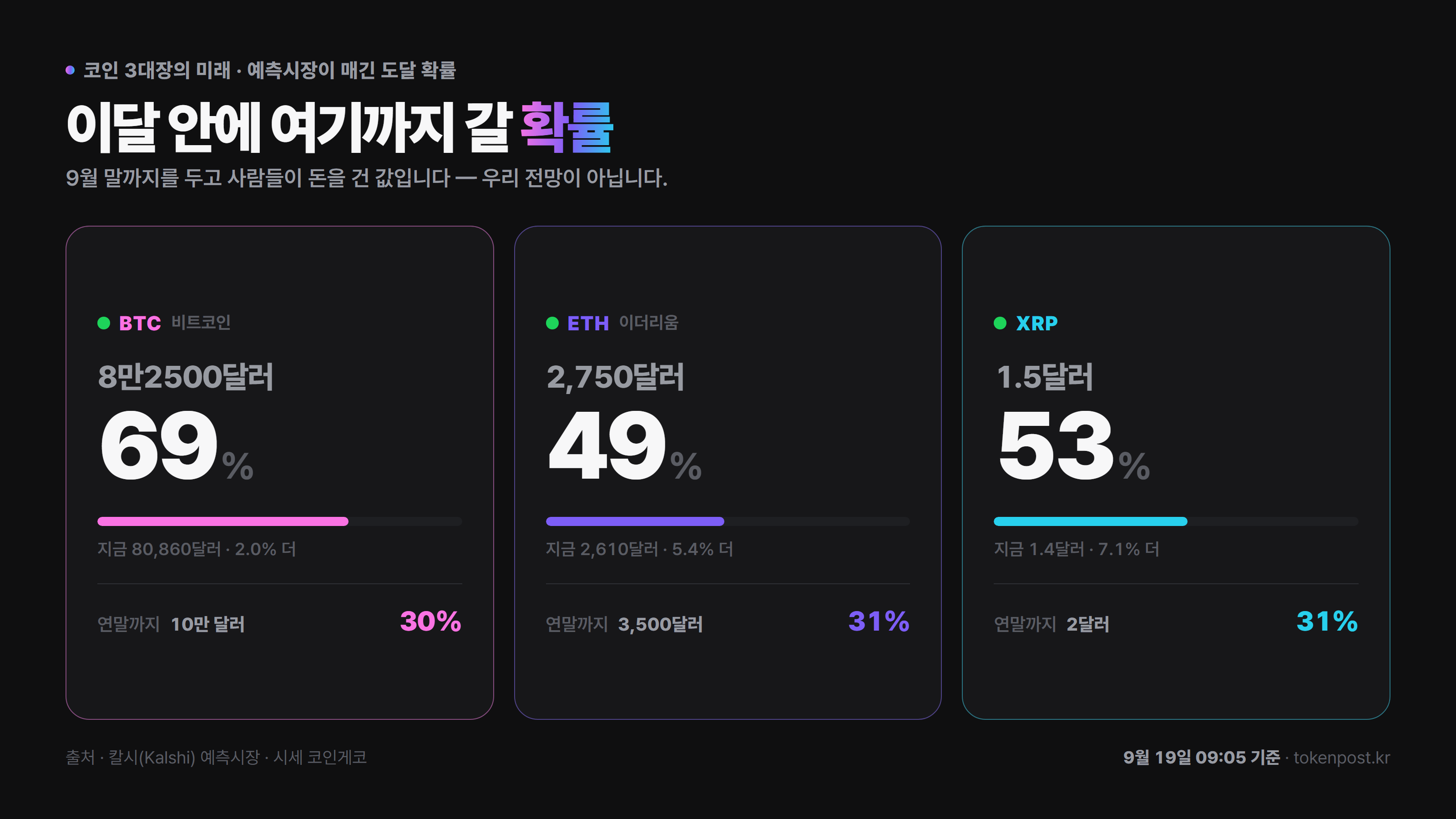
Kalshi: odds of bitcoin at $100,000 by year-end jump to 30% in a day
Why it matters: The sharp rise in prediction-market bets reflects strengthening bullish expectations after bitcoin's rebound above $80,000.

Bitcoin Mining Cost Reaches $78,000
Why it matters: If the price drops below the cost of production, miners may start selling BTC reserves, adding pressure to the market.