Crypto regulation news

Bank of Russia sends draft rules to Justice Ministry to launch crypto regulation
Why it matters: A legal framework for Russia's crypto market is taking shape: licensed intermediaries and their capital requirements are being defined.

Armstrong urges SEC and CFTC to write crypto rules after CLARITY Act fails
Why it matters: The bill's failure shifts crypto regulation to the SEC and CFTC, which will speed up rulemaking but without legislative certainty.
CLARITY Act failure triggers $300 million in long liquidations
Why it matters: The U.S. crypto market structure bill has stalled again, increasing regulatory uncertainty and pressure on the market.

Grayscale files with SEC to convert LTCN trust into spot Litecoin ETF
Why it matters: The conversion would eliminate LTCN's structural discount, but Grayscale is entering the Litecoin ETF market late, which will limit capital inflows.
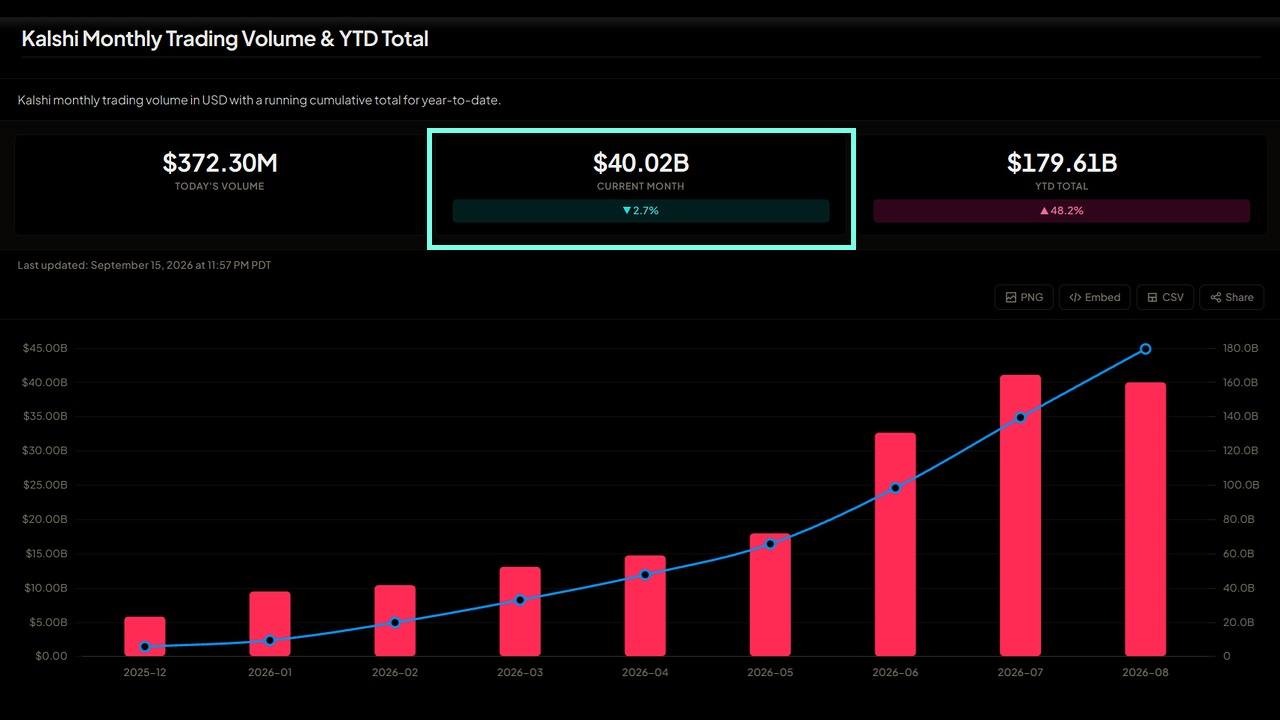
Kalshi hits $40B volume and 80% of US prediction market
Why it matters: Kalshi's case shows a regulated market can grow without new legislation, weakening the argument for the CLARITY Act.

Trump's $1.4B crypto income called cause of failed US crypto bill
Why it matters: The bill's failure delays clear rules for the US crypto market and adds pressure on assets.

Indian parliamentary committee ends crypto hearings without a bill
Why it matters: India remains without legal clarity for crypto: the absence of regulation heightens fraud and capital flight risks, while the market awaits the committee's report.

RBI Deputy Governor: AI and tokenization accelerate spread of financial risks
Why it matters: A signal from a major central bank that regulation of tokenization and AI will tighten as their influence on the financial system grows.

XRP falls to $1.30 after CLARITY Act failure; next test at $1.26
Why it matters: The bill's failure and expectations of a Fed rate hike weigh on XRP; a break below $1.26 would open the way to $1.20 and lower.
UK to allocate $676M and 500 officers to fight money laundering
Why it matters: Increased oversight of crypto transactions in the UK raises compliance burdens for exchanges and service providers.

Indian crypto exchanges to absorb 0.4% UPI fee from October 15
Why it matters: Free rupee deposits via UPI were a key tool for attracting traders; now exchanges bear new costs, which could affect spreads and fees.
FCA publishes guidance on crypto asset regulation in the UK
Why it matters: The UK is creating a full licensing regime for crypto firms, setting timelines and requirements for market entry.
Coinbase and Circle drop more than 10% after CLARITY Act failure
Why it matters: The bill was meant to establish rules for stablecoins and divide SEC and CFTC authority; without it, Coinbase and Circle's USDC revenue remains vulnerable to a change in administration.

Lawyer: Buying Polymarket positions may constitute illegal gambling under Korean law
Why it matters: The legal assessment of prediction markets in Korea creates risks for users and weighs on the prediction markets sector.

Short-term BTC holders send 23,000 coins to exchanges at a loss after CLARITY Act failure
Why it matters: The failed vote increased pressure on short-term holders; BTC's next move depends on today's Fed decision.
Hong Kong May Boost Crypto Hub Role After US Bill Fails
Why it matters: It signals a possible shift of crypto companies to Asian jurisdictions amid US regulatory uncertainty.

South Korea Confirms Crypto Tax From January, but Preparations Raise Questions
Why it matters: Uncertainty over crypto taxation in Korea could affect local investor activity and trading volumes on exchanges.

FCA: UK banks may keep crypto payment restrictions after new rules
Why it matters: Formal FCA approval does not guarantee crypto firms access to banking payments, keeping barriers in place for the UK market.

South Korea to boost crypto tracking and AI analysis ahead of 2028 FATF review
Why it matters: South Korea is building supervisory infrastructure for the FATF review, which could tighten oversight of crypto operations and P2P transfers in the country.

Underdog sues Connecticut over prediction markets
Why it matters: The outcome could determine whether prediction markets are allowed at the state level, affecting competition with the CFTC over jurisdiction.