Crypto regulation news
Breaking down why the CLARITY Act failed in the US Senate
Why it matters: The failure of the CLARITY Act delays clear rules for the US crypto market and hands regulation to the SEC and CFTC.

Brazilian congressional candidate accused of taking crypto as 2026 election donations
Why it matters: This is the first case in Brazil where electoral justice is examining crypto schemes as an election violation.

Bank of Thailand unveils five principles to combat illegal transactions
Why it matters: Tighter regulation in Thailand could affect crypto and payment services working with local financial institutions.

Saylor: CLARITY Act failure will accelerate institutional inflows into bitcoin
Why it matters: A signal from the largest institutional BTC holder: the absence of a law does not block capital inflows, which reduces market pressure after the failed vote.

UK Treasury introduces crypto regulation amendments with exemptions for stablecoins and DeFi
Why it matters: The UK is easing the regime for stablecoins and DeFi, which could accelerate legalization of the sector and set a benchmark for other jurisdictions.

Bank of Spain chief: tokenization is an 'alternative to cryptocurrencies'
Why it matters: A signal that central banks are promoting regulated tokenization as a replacement for crypto, which affects future EU rules.
CLARITY Act gets procedural lifeline as Tillis moves to reconsider
Why it matters: Returning the bill to a vote reduces uncertainty for the U.S. crypto market, but the outcome of negotiations remains open.

FCA publishes crypto regime guidance, applications open September 30, 2026
Why it matters: Britain is giving crypto companies a licensing timeline outside the EU and MiCA, which will determine market access for exchanges and custodians.
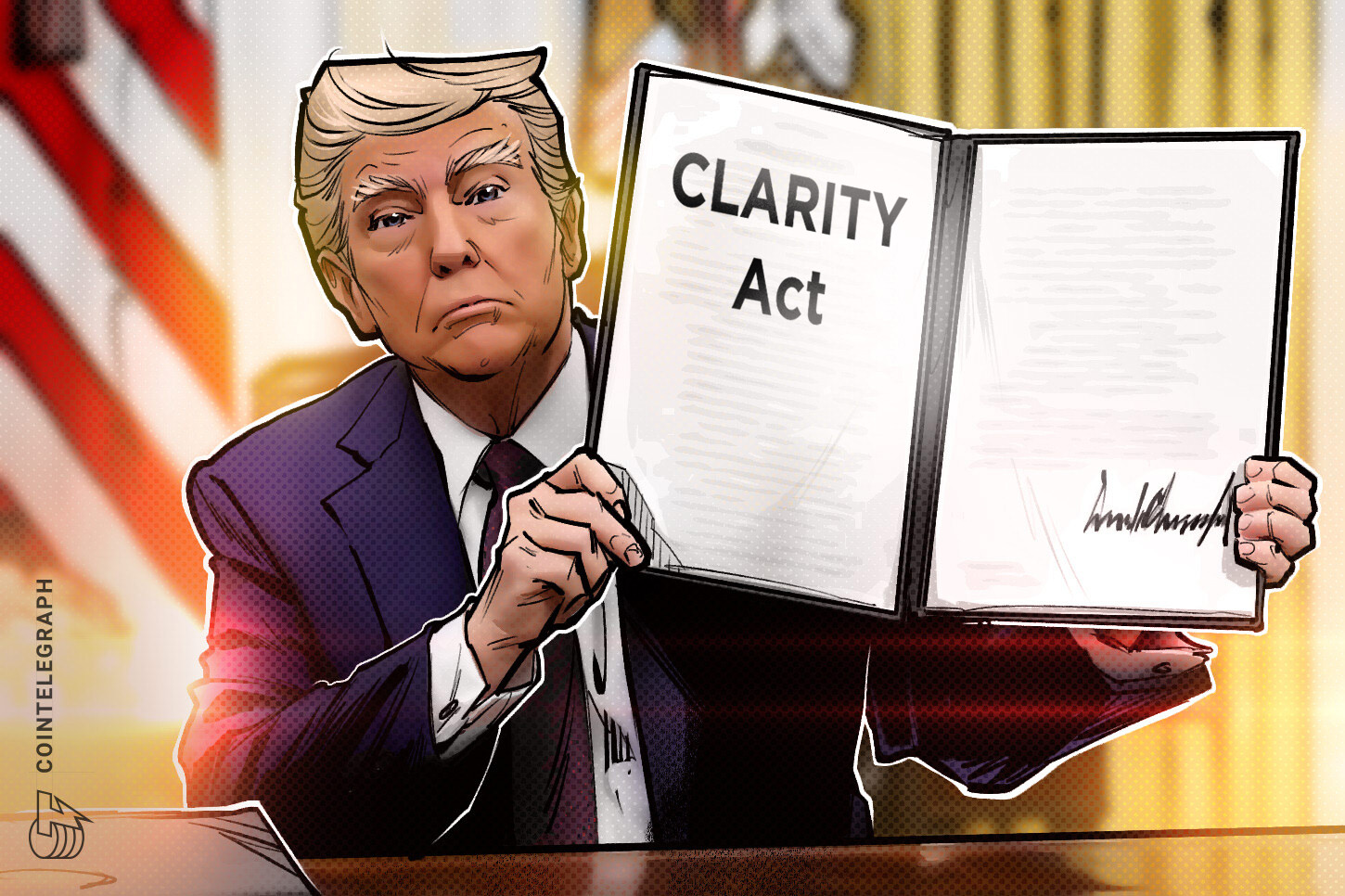
Bernstein: SEC and CFTC to pursue aggressive rulemaking after CLARITY Act fails
Why it matters: SEC and CFTC rules could replace legislation and accelerate institutional inflows into crypto without waiting for Congress.
Saylor: SEC and CFTC to advance bitcoin custody rules soon
Why it matters: Expanding bank custody of BTC would strengthen institutional demand and bolster confidence in crypto.

Dutch AFM warns about Getliquid365 Finance Limited
Why it matters: A signal of tightening oversight of crypto intermediaries in the EU and risks for retail investors.

Kazakhstan to write off crypto tax debts if assets moved to licensed platforms
Why it matters: The amnesty could bring a significant portion of Kazakhstanis' crypto assets back into the regulated perimeter and set a model for other jurisdictions.

Bitcoin at four-week low ahead of Fed decision after CLARITY Act failure
Why it matters: Without federal legislation, US crypto businesses depend on regulatory decisions that can change with administrations, holding back institutional investment.

San Diego approves warning signs on crypto ATMs
Why it matters: Local measures to protect against crypto ATM scams could set an example for other US cities.
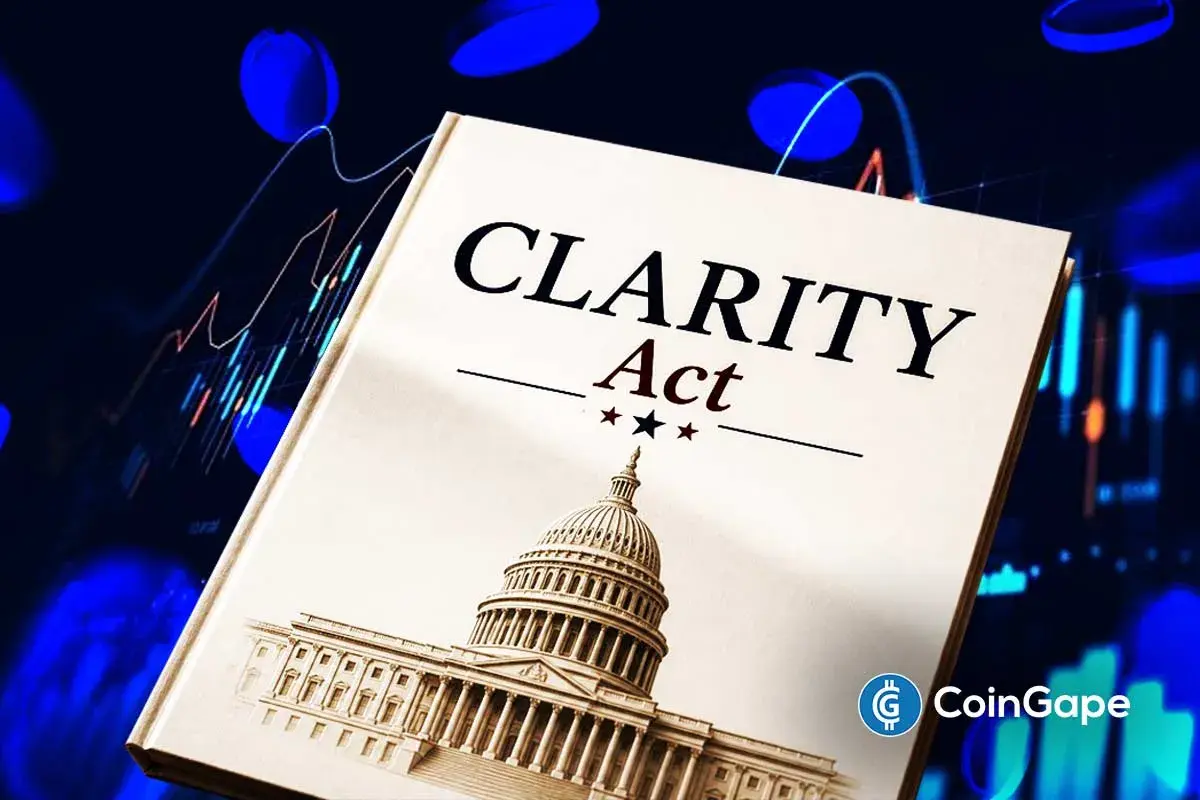
CLARITY Act may return to Senate vote after failure
Why it matters: The bill's return would reduce US regulatory uncertainty, but the tight timeline makes that scenario unlikely before the elections.
Saylor: after CLARITY Act failure, US regulators will proceed under existing laws
Why it matters: A signal that the US crypto industry will continue to develop through regulators rather than Congress, reducing the market's dependence on the fate of the CLARITY Act.

Malaysia's regulated crypto exchanges top $4B in 2025 trading volume
Why it matters: Malaysia is forging one of Asia's clearest regulatory paths for integrating crypto with Islamic finance, opening access to the Islamic capital market.

Bank of Russia sends draft rules to Justice Ministry to launch crypto regulation
Why it matters: A legal framework for Russia's crypto market is taking shape: licensed intermediaries and their capital requirements are being defined.

Armstrong urges SEC and CFTC to write crypto rules after CLARITY Act fails
Why it matters: The bill's failure shifts crypto regulation to the SEC and CFTC, which will speed up rulemaking but without legislative certainty.
CLARITY Act failure triggers $300 million in long liquidations
Why it matters: The U.S. crypto market structure bill has stalled again, increasing regulatory uncertainty and pressure on the market.