Crypto regulation news

South Korea Confirms Crypto Tax From January, but Preparations Raise Questions
Why it matters: Uncertainty over crypto taxation in Korea could affect local investor activity and trading volumes on exchanges.
FCA: UK banks may keep crypto payment restrictions after new rules
Why it matters: Formal FCA approval does not guarantee crypto firms access to banking payments, keeping barriers in place for the UK market.

South Korea to boost crypto tracking and AI analysis ahead of 2028 FATF review
Why it matters: South Korea is building supervisory infrastructure for the FATF review, which could tighten oversight of crypto operations and P2P transfers in the country.

Underdog sues Connecticut over prediction markets
Why it matters: The outcome could determine whether prediction markets are allowed at the state level, affecting competition with the CFTC over jurisdiction.

Ripple joins UK's 54-company tokenization working group
Why it matters: Britain is moving tokenization from pilots into regulated markets, strengthening Ripple's position and setting a model for the G7.

Dunamu-NAVER deal may breach crypto exchange ownership limits
Why it matters: A potential conflict of rules could slow the deal and reshape the governance of Upbit, South Korea's largest exchange.

India reforms ED: 18-month investigations and a stronger fight against crypto crime
Why it matters: Stronger crypto analytics in India raises risks for illegal schemes and sets a benchmark for regulators in other countries.

South Korean lawmaker calls for scrapping crypto income tax
Why it matters: The debate over scrapping South Korea's crypto tax could shape regulation and capital inflows into the local crypto industry.

Fitch: Malaysia among most open Islamic markets for crypto
Why it matters: The signal suggests Islamic markets could become a new channel for crypto adoption if sharia compliance is met.

Spain's CNMV chief: EU DLT rules too restrictive
Why it matters: Removing the cap would give large institutions access to tokenized stocks and bonds, potentially accelerating growth of the EU's RWA market.
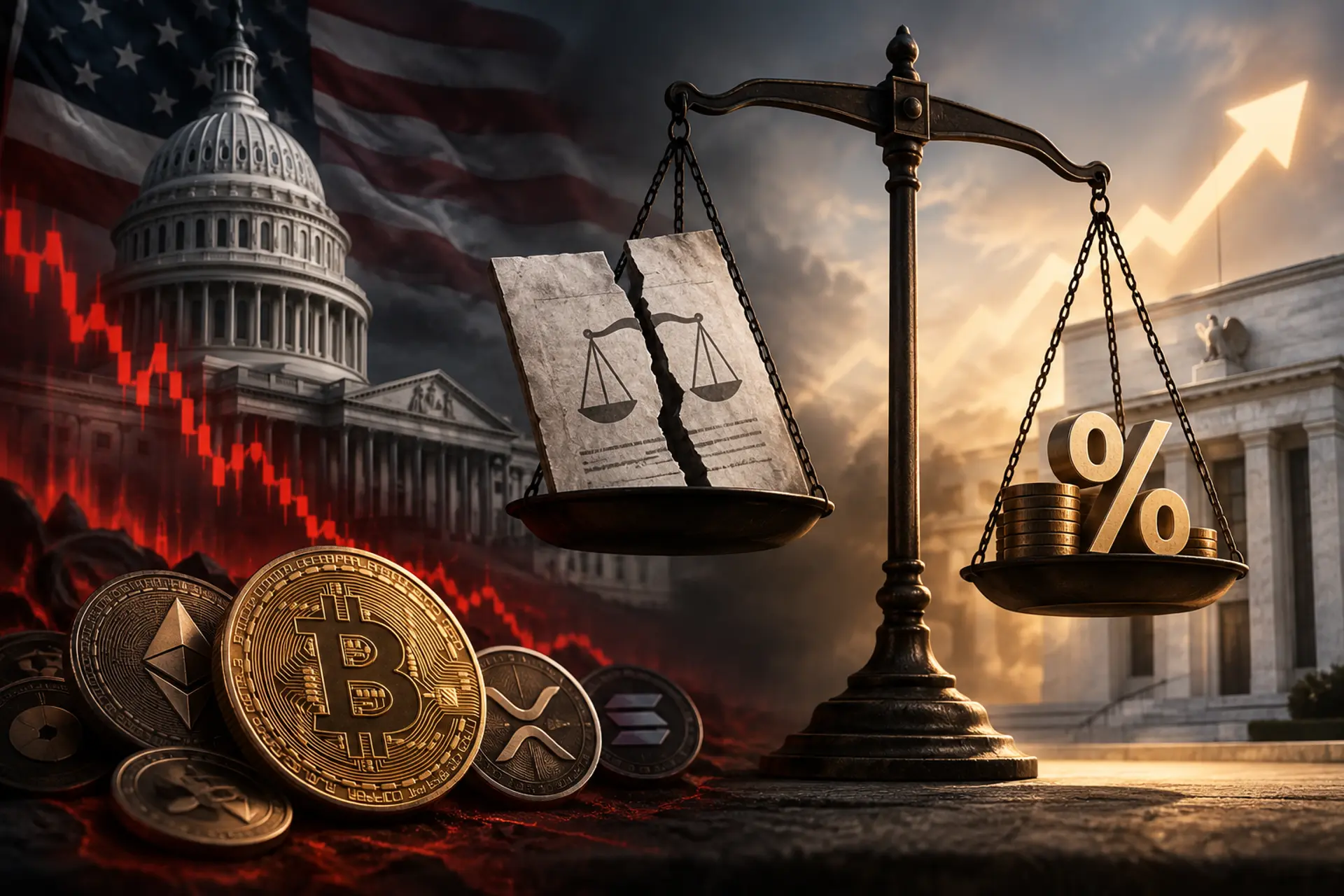
Analysts: Fed rate matters more to crypto than CLARITY Act failure
Why it matters: Investors are reassessing the weight of regulatory risks: without legislation, the market will focus on the Fed rate and ETF flows.

Bulgaria requires crypto firms to report user transactions
Why it matters: Tighter tax oversight in the EU raises compliance burdens for exchanges and may push users to reconsider moving funds into self-custody.
DAXA denies creating task force for Korea's digital asset law
Why it matters: The basic digital asset law will determine crypto market regulation in Korea, one of the largest trading jurisdictions.
CZ: stablecoins will keep yielding after CLARITY Act failure
Why it matters: A signal that stablecoin yields will persist even without legislation reduces regulatory uncertainty for issuers and holders.
Journalist: main cause of CLARITY Act failure was the TRUMP token launch
Why it matters: Public criticism of Trump from within the industry could shift the balance of power ahead of new attempts to regulate crypto in the U.S.

Lawmaker Ahn Do-geol calls for faster won stablecoin legislation
Why it matters: If South Korea fails to launch a won stablecoin in time, digital payments will shift to dollar assets, weakening the won and monetary sovereignty.
HTX analyst: CLARITY Act failure is a one-off price hit and a year-long delay for institutions
Why it matters: Institutional products in the U.S. are delayed by at least a year, but the SEC and CFTC could partially close the gap with their own rules, giving crypto stocks recovery potential.
Arthur Hayes: CLARITY Act harms Bitcoin and US crypto innovation
Why it matters: The statement comes amid the failure of a procedural vote on the CLARITY Act in the Senate and debates over the future of US crypto regulation.
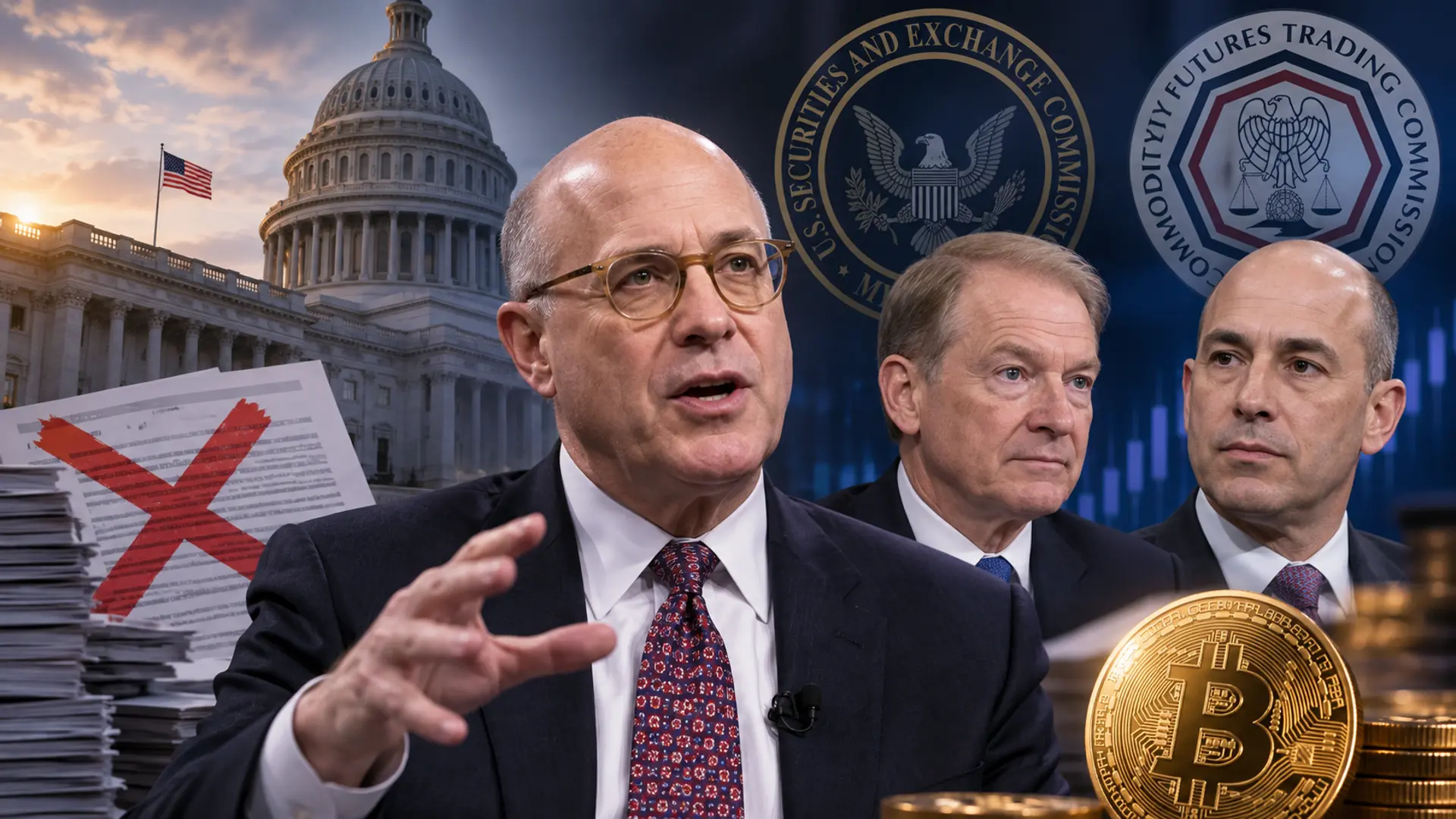
Ex-CFTC chief: CLARITY Act failure won't stop US crypto regulation
Why it matters: Without legislation, crypto rules will be set by the SEC and CFTC, increasing the risk of regulatory reversals when power changes hands.

Crypto industry pivots to US regulators after CLARITY Act failure
Why it matters: Without the CLARITY Act, crypto rules will be determined by regulators, increasing uncertainty for the market and holders.