Crypto regulation news

Hoskinson: ADA and XRP are real commodities, not securities
Why it matters: The statement reinforces the commodity-status narrative for ADA and XRP, reducing regulatory risks for these assets.

Analysis: Is the CLARITY Act needed for Bitcoin to rally?
Why it matters: For BTC holders, the law matters not as a growth driver but as insurance against the reversal of friendly rules after the 2028 election.

US House committee approves bill to buy bitcoin with budget funds
Why it matters: Legislating a US bitcoin reserve could create permanent state demand for BTC.

Korean brokers sought digital ETFs, but the government approved leveraged ETFs
Why it matters: Pressure from Korea's financial lobby could speed up approval of crypto ETFs and RWA tokenization in the country.

Hong Kong's first five-year plan bets on tokenization, not cryptocurrencies
Why it matters: Hong Kong is cementing digital assets as part of financial infrastructure rather than a separate crypto industry: growth in tokenization and licensing without leniency for token issuance.

Hong Kong to allow stablecoin and tokenized asset trading
Why it matters: Hong Kong is expanding regulated infrastructure for stablecoins and RWAs, intensifying competition for institutional crypto capital in Asia.

UK to split payments and lending in stablecoin rules from 2027
Why it matters: The UK is setting a model of split stablecoin regulation that will determine issuers' and exchanges' access to the UK market.

India's government comes out against crypto regulation
Why it matters: India is one of the largest crypto markets; the absence of regulation keeps pressure on local exchanges and investors.

India to respond to crypto regulation recommendations next week
Why it matters: The government's response will determine the direction of crypto regulation in one of Asia's largest economies and could affect local exchanges and investors.

US House committees approve bitcoin reserve and crypto tax bills
Why it matters: The bills advance US crypto regulation around the CLARITY Act, reducing uncertainty for institutions.
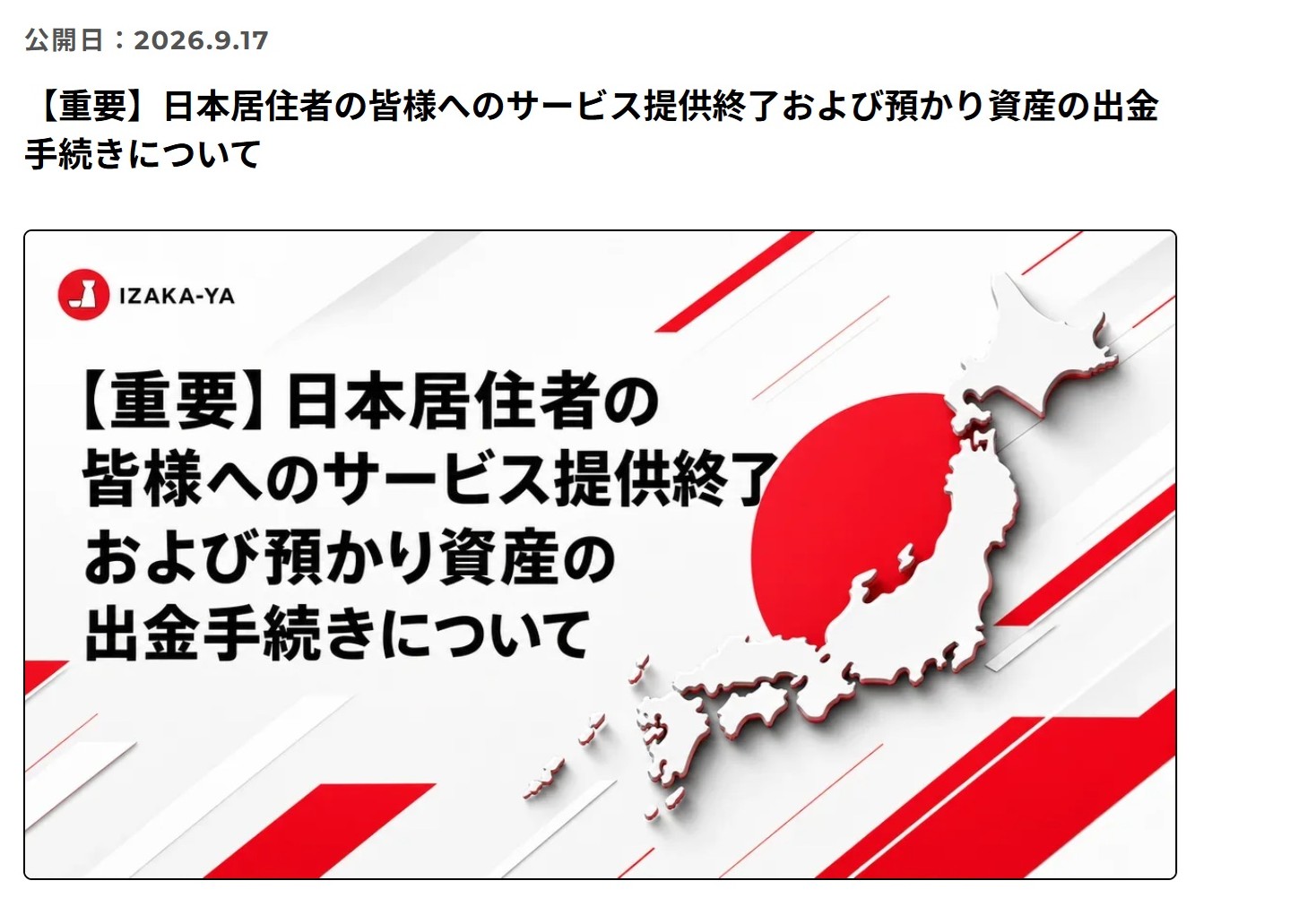
IZAKA-YA Halts Service for Japanese Clients After FSA Warning
Why it matters: The case highlights the risk of high-yield unlicensed crypto lending: Japan's regulator has already stepped in, and clients may face problems withdrawing funds.

Singapore tops crypto adoption index for fourth straight year, UAE second: Henley & Partners
Why it matters: The report shows which jurisdictions are winning the race for crypto capital and wealthy investors, shaping capital migration and tax competition.
CEA: stablecoin yield ban would barely affect bank lending
Why it matters: The outcome will determine whether exchanges can pay yield on stablecoins, affecting USDC/USDT competition with bank deposits.

Lummis says CLARITY Act has failed, Democrats push back
Why it matters: Without the CLARITY Act, crypto regulation in the U.S. remains in the hands of the SEC and CFTC, prolonging uncertainty for the market.
BTC, ETH, XRP and DOGE rise after US bitcoin reserve bill advances
Why it matters: The bitcoin reserve bill's advancement could boost institutional demand for BTC and support the market.

Senator Gillibrand: Democrats remain committed to passing CLARITY Act
Why it matters: A signal that the bill could return, but the market is still focused on regulation via the SEC and CFTC.

XRP included in SEC and CFTC digital commodity category, but sale-method assessment remains
Why it matters: Uncertainty over the method of sale persists, leaving regulatory risk for XRP and other assets until new rules emerge.

Ripple: XRP status is settled — not a security, but a digital commodity
Why it matters: Legal certainty for XRP reduces regulatory risk for holders amid the stalling market-structure bill.
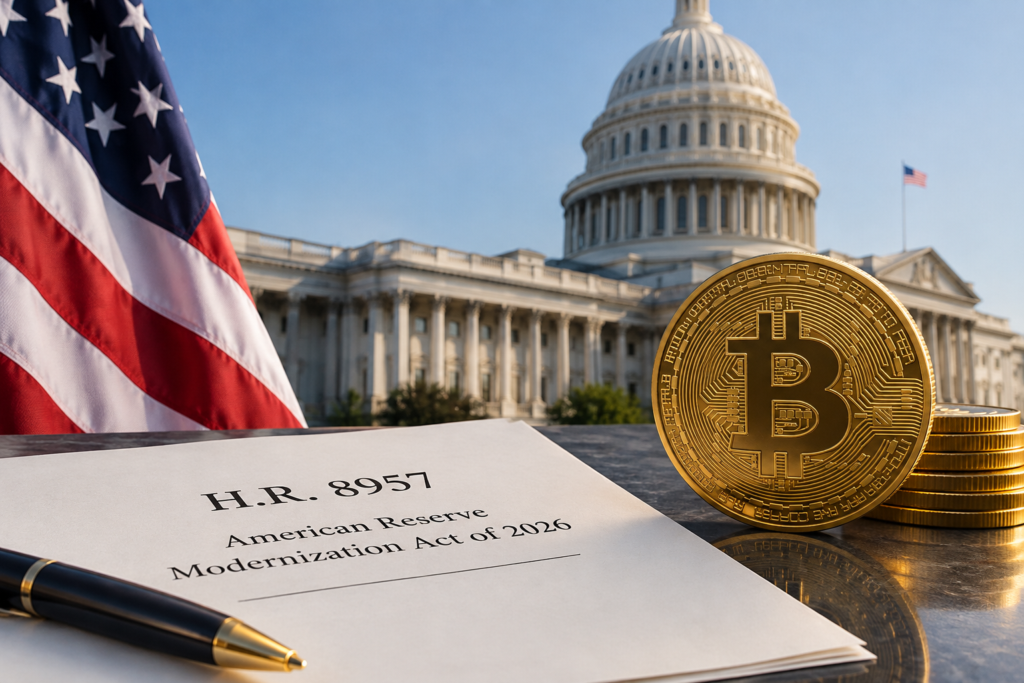
US stalls CLARITY Act but advances bitcoin reserve bill
Why it matters: Creating a government BTC reserve could boost institutional demand, while the CLARITY Act delay keeps regulatory uncertainty in place.

India drops standalone crypto law in favor of e-Rupee
Why it matters: India is choosing caution over rules, leaving uncertainty for local exchanges and investors but reducing the risk of legitimizing crypto.