Crypto regulation news

Moscow Exchange supervisory board head warns of digital asset market collapse over Eurotrans default
Why it matters: Defaults by digital asset issuers undermine retail investor confidence and could lead to tighter regulation of Russia's digital asset market.

Grayscale: US crypto regulation will continue despite CLARITY Act failure
Why it matters: The bill's failure shifts crypto regulation to the SEC and CFTC, reducing market certainty until new legislative attempts emerge.
After CLARITY Act failure, US regulators to speed up their own crypto rules
Why it matters: SEC and CFTC rules will replace legislation but remain dependent on political shifts, a key risk for the industry.
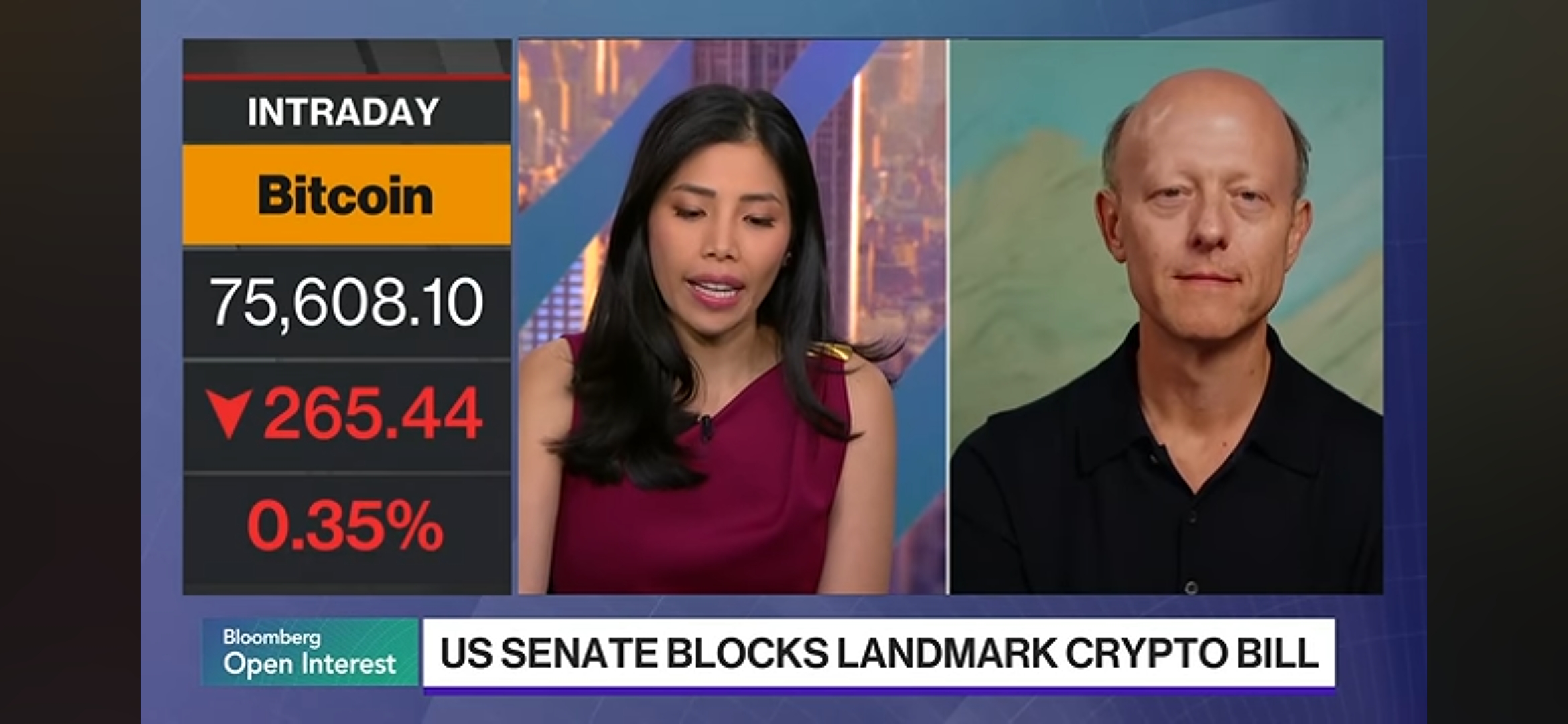
Circle CEO: stablecoin law will expand use of the digital dollar
Why it matters: Legalizing digital dollars opens stablecoins' access to banks, capital markets and corporate payments, intensifying competition for the $60 trillion deposit market.

Blackbird urges US Congress to set rules for crypto payments in restaurants
Why it matters: The case shows small-business demand for crypto payments, but scale depends on regulatory rules stalled in the Senate.

UK regulator raids three London sites over suspected illegal crypto trading
Why it matters: Tighter UK supervision raises regulatory risks for unlicensed crypto services and P2P exchangers.
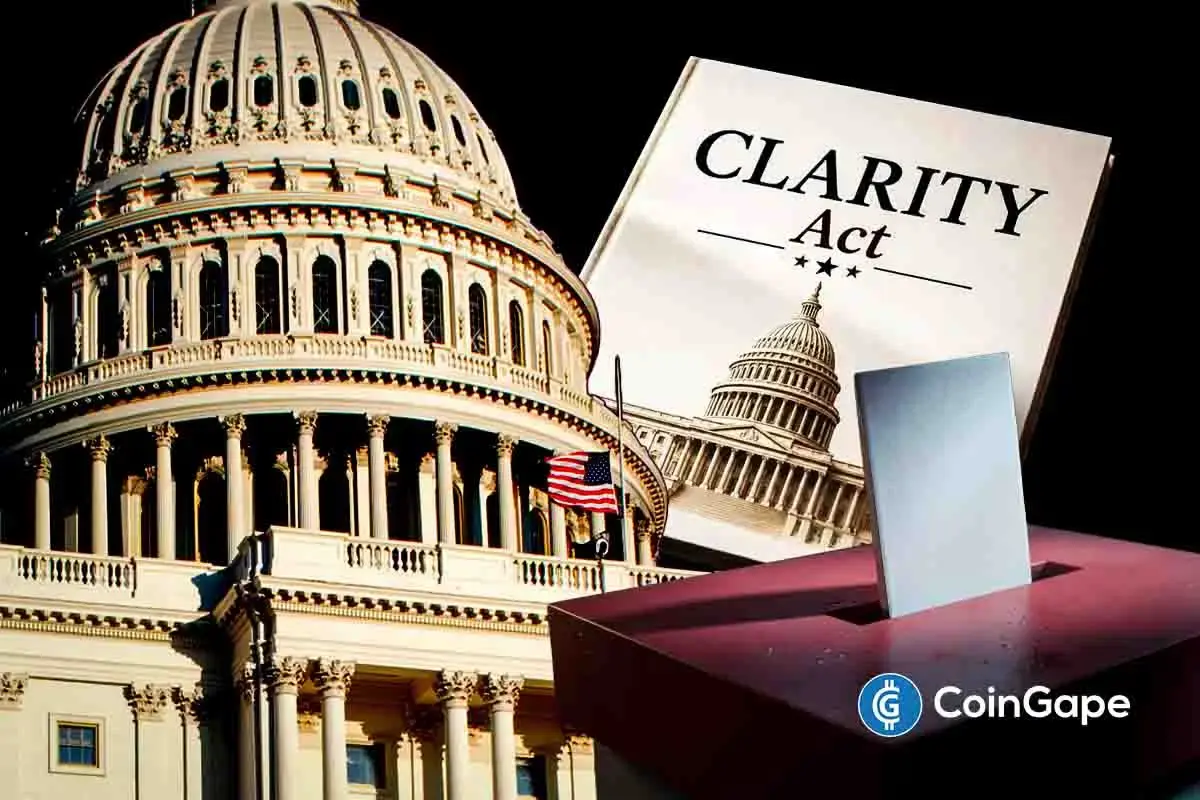
CLARITY Act may return after midterms as House leaves for recess
Why it matters: The CLARITY Act delay prolongs regulatory uncertainty in the U.S.; the next chance for passage is after the November elections.
FCA, HMRC and London police shut down three illegal P2P crypto exchanges
Why it matters: It intensifies pressure on the illegal P2P segment in the UK: informal exchanges lose the ability to operate without AML registration.

XRP ETFs lead inflows after SEC chair vows to act without CLARITY Act
Why it matters: Inflows into XRP ETFs amid outflows from BTC and ETH show demand for XRP, but weak OI and a price below the 200W EMA point to a fragile trend.
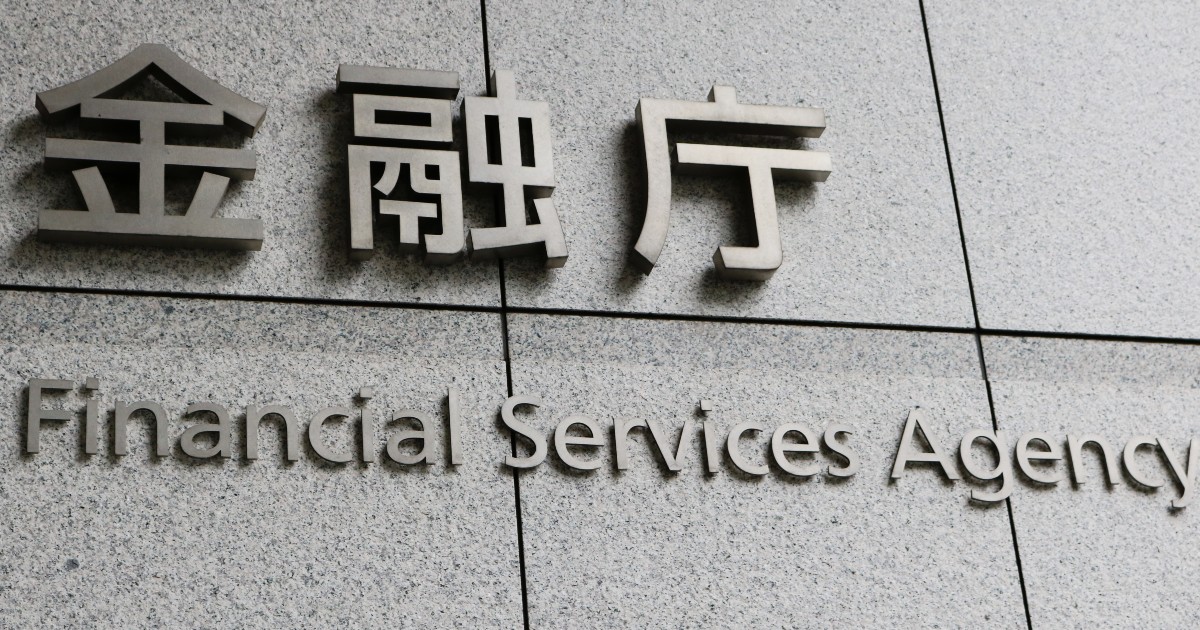
Japan's FSA concerned about clients being steered to 'sales' venues
Why it matters: Tighter requirements for fee disclosure and KYC in Japan could change the revenue model of local exchanges and set a standard for other jurisdictions.

Thailand Ranks 7th in Henley Crypto Adoption Index 2026
Why it matters: The ranking reflects growing competition among jurisdictions for crypto capital and institutional investors.
Crypto stocks fall after US Senate rejects key regulation bill
Why it matters: The regulatory delay weighs on crypto company stocks and postpones clear rules for the market.

Schwartz: US Senate blocked CLARITY Act for bank profits
Why it matters: The bill's failure and the delayed XRP ETF approval keep regulatory uncertainty for US crypto products.

WazirX: crypto taxes affect India's market more than regulation
Why it matters: Tax pressure and AML scrutiny could accelerate the outflow of Indian users to foreign exchanges, reducing volumes on local platforms.

New York court denies Susquehanna bid to freeze funds in insider trading case
Why it matters: A precedent for insider trading cases in crypto-adjacent assets: courts require proof of irreparable harm before blocking funds.

FCA: AML registration does not grant crypto activity rights in UK
Why it matters: UK and foreign crypto firms must obtain a new FCA license or lose access to the UK market.

Hoskinson: ADA and XRP are real commodities, not securities
Why it matters: The statement reinforces the commodity-status narrative for ADA and XRP, reducing regulatory risks for these assets.

Analysis: Is the CLARITY Act needed for Bitcoin to rally?
Why it matters: For BTC holders, the law matters not as a growth driver but as insurance against the reversal of friendly rules after the 2028 election.

US House committee approves bill to buy bitcoin with budget funds
Why it matters: Legislating a US bitcoin reserve could create permanent state demand for BTC.

Korean brokers sought digital ETFs, but the government approved leveraged ETFs
Why it matters: Pressure from Korea's financial lobby could speed up approval of crypto ETFs and RWA tokenization in the country.