Crypto regulation news
Latin American regulators discuss where to hold USDT and USDC reserves
Why it matters: Reserve custody rules will determine whether local banks and exchanges can work with USDT and USDC without restrictions.
CFTC issues no-action position for passive software providers
Why it matters: It reduces regulatory uncertainty for trading software developers and eases access to regulated derivatives markets.
SEC: Smart Contracts for Tokenized Stocks Must Be Publicly Auditable
Why it matters: It sets the first clear requirements for tokenized stock infrastructure in the U.S., determining which venues can operate under the exemption.
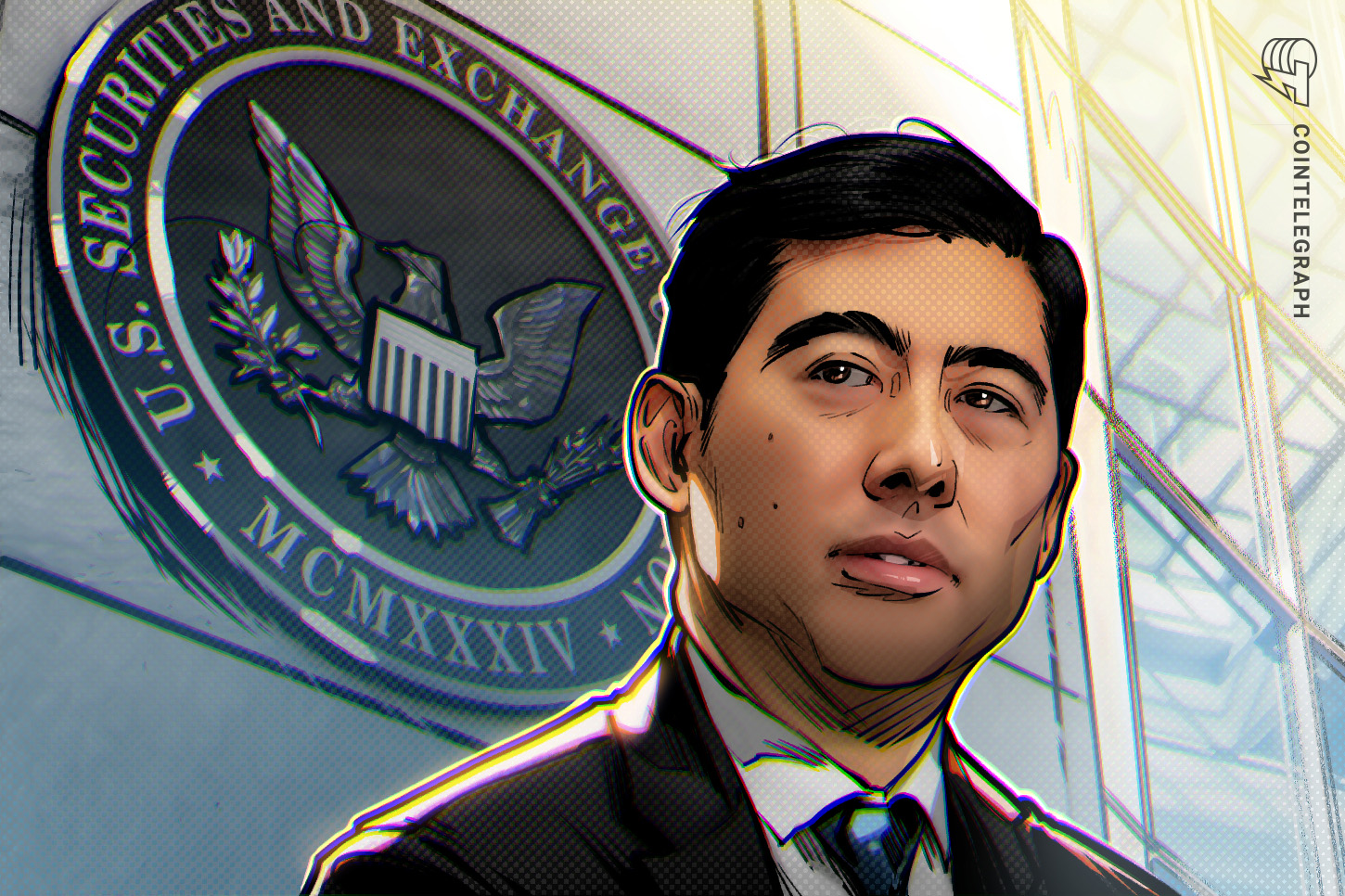
SEC Approves Temporary Exemption for Tokenized Stock Trading
Why it matters: It sets a precedent for regulating tokenized stocks in the U.S. and could accelerate their legal trading on blockchain.
Robinhood CEO: U.S. Enters the Era of Asset Tokenization
Why it matters: The legalization of tokenized stocks opens access for crypto infrastructure to the U.S. securities market.

FCA: Crypto lending will not be a separate activity in the UK
Why it matters: UK crypto firms must assess in advance which FCA permissions they need, or they will be unable to operate under the new regime.
SEC: Tokenised stock trading requires 30-day notice to issuers
Why it matters: The rule sets the framework for the fast-growing tokenised equity market and gives issuers a veto over the listing of their shares on a blockchain.
SEC delays XRP short ETF to Oct 11, 2026, in 19th postponement
Why it matters: The latest short ETF delay and continued institutional outflows weigh on XRP, BTC and ETH, while Solana and privacy coins attract funds.

Opinion: Bitcoin doesn't need the CLARITY Act, but crypto businesses do
Why it matters: The bill's failure widens the gap: Bitcoin operates autonomously, while businesses face regulatory uncertainty.

Maxine Waters urges Congress to pause crypto legislation over Trump profits
Why it matters: The partisan deadlock over crypto legislation delays market rules and deepens regulatory uncertainty in the U.S.

Germany has 89 MiCA-licensed crypto firms as UK prepares new regime
Why it matters: Germany cements its lead in the EU's regulated crypto infrastructure, while the UK is only moving to a new licensing regime.

SEC grants five-year exemption for on-chain trading of tokenized stocks
Why it matters: The SEC is legalizing on-chain stock trading in the U.S. for the first time, which could accelerate growth in the tokenized stock market, already worth $3 billion.

CoinShares: Germany outpaces UK in crypto adoption
Why it matters: The gap between institutional and retail adoption shapes capital inflows and demand for crypto products in Europe.
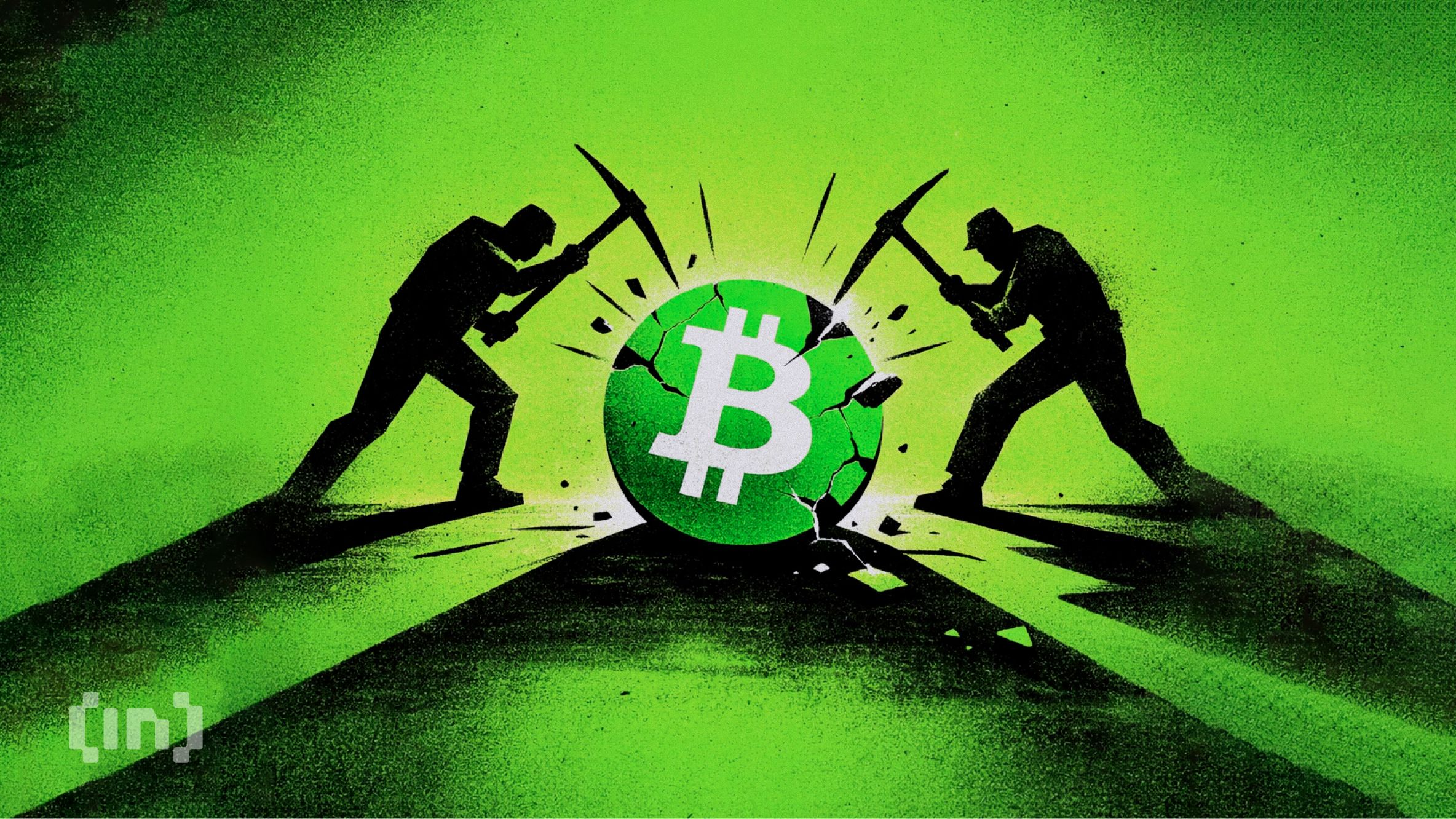
Mining pool EMCD receives accreditation in Kazakhstan
Why it matters: Kazakhstan is pushing mining into the legal fold: pool accreditation is becoming mandatory, while legal miners' profitability is just 5–10%.

Bitwise softens outlook after CLARITY Act fails in Senate
Why it matters: The market showed growth is possible without the law passing, but regulatory uncertainty and risks remain.

A7A5 Ruble Stablecoin Fits New Russian Regulation, Executive Says
Why it matters: The development of ruble stablecoins and supporting infrastructure could accelerate institutional investment in Russia's blockchain sector.

Aksakov: Up to 3% of Russians Will Use Digital Ruble by 2027
Why it matters: Mass adoption of the digital ruble could accelerate the outflow of deposits from banks and reduce the sector's fee income.

Sber prepares crypto custody and ruble exchange in its app
Why it matters: Legal retail access to crypto in Russia is approaching, but depends on the Central Bank's secondary regulations and the launch of Moscow Exchange trading.

France's Council of State refuses to suspend DAC8 crypto reporting decree
Why it matters: France will continue collecting crypto users' data for tax authorities despite a rise in physical attacks on crypto holders.

Moscow Exchange supervisory board head warns of digital asset market collapse over Eurotrans default
Why it matters: Defaults by digital asset issuers undermine retail investor confidence and could lead to tighter regulation of Russia's digital asset market.