Crypto regulation news

UNI Rises 48% to $8.87 After SEC Opens Door to Tokenized Stocks
Why it matters: Regulatory recognition of the AMM model could give Uniswap a new use case, but it does not guarantee a rise in the value of the UNI token.

US Labor Dept proposes rules for private assets in 401(k) plans
Why it matters: The rules could open private assets to 90 million 401(k) participants, but they do not guarantee returns or remove investment risks.
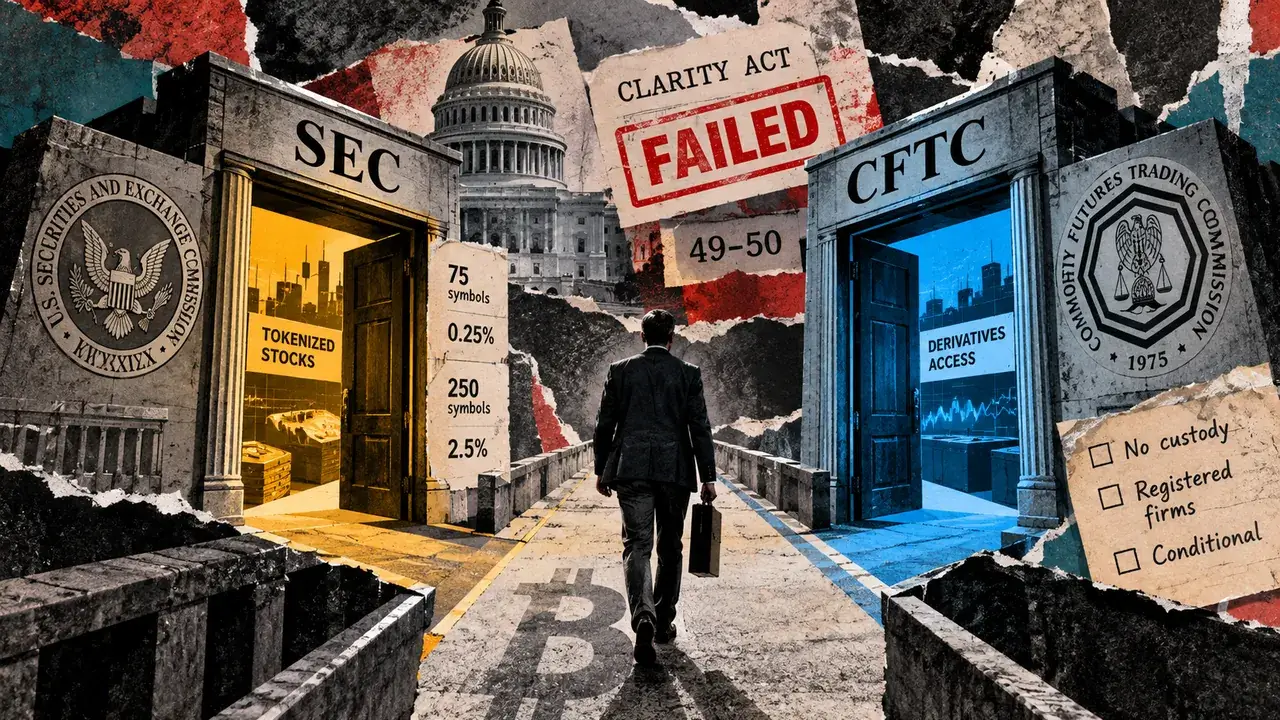
SEC and CFTC bypass Congress to open crypto access after CLARITY Act fails
Why it matters: US regulators are bypassing Congress to avoid losing the tokenization race, but narrow and temporary measures do not replace full market rules.

Hyperliquid Strategies shares jump 8% after SEC approves tokenized stock trading
Why it matters: The SEC decision opens a path for tokenized stocks in the US and boosts demand for onchain infrastructure such as Hyperliquid.

Tokenized assets top $17 billion as onchain finance grows
Why it matters: Onchain finance with built-in compliance is challenging traditional Wall Street infrastructure, but custody and the legal status of tokens remain unresolved.
Strategy shares rise 3% premarket after SEC tokenization exemption
Why it matters: SEC and CFTC regulatory clarity supported crypto stocks even amid the CLARITY Act's failure and the Fed's rate hike.

RWA holders jump 86% in a month amid regulatory easing
Why it matters: RWA infrastructure is shifting from asset issuance to trading and settlement, expanding the investor base even as capitalization stagnates.

UNI and HYPE surge 30% and 13% on SEC tokenization rules
Why it matters: The rally in DEX tokens shows tokenized stocks are becoming a key driver of volume on on-chain venues.
Coinbase CEO: CLARITY Act failure killed ethics rules, not the bill's core
Why it matters: Without the law, US crypto regulation shifts to the SEC and CFTC, which could mean looser rules in the short term.

Andreessen Horowitz proposes SEC regulate crypto platforms under ATS model
Why it matters: If the SEC adopts the ATS approach, US crypto platforms could legally combine tokenized equities and crypto assets, reducing market fragmentation.
Bitcoin holds above $78,000 despite CLARITY Act failure and hawkish Fed
Why it matters: The CLARITY Act's failure and a hawkish Fed limit bitcoin's upside, but the SEC's regulatory exception partially offsets risks for the market.
ESMA calls for less market fragmentation, backs tokenization at Eurofi
Why it matters: A signal of a softening EU regulatory approach to asset tokenization that could accelerate institutional adoption in Europe.

Binance reaffirms long-term MiCA compliance in EU
Why it matters: Lacking a MiCA license threatens Binance with restricted access to the EU market and pressure on its share of European turnover.
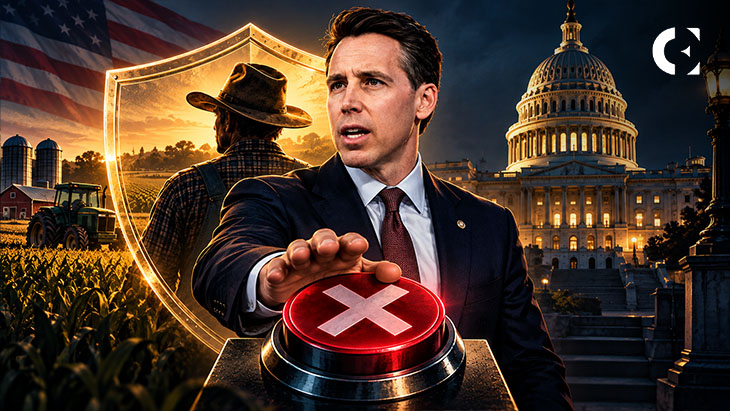
Hawley explains CLARITY Act no vote as protecting Missouri farmers
Why it matters: Hawley's stance shows a Republican split and complicates the bill's return to the Senate.

Binance did not abandon MiCA license after withdrawing Greek application
Why it matters: Without a MiCA license, Binance cannot operate freely across the EU, adding pressure to its European business.

Kalshi settles lawsuit with Montana authorities over event contracts
Why it matters: The outcome will determine whether U.S. state authorities can ban event contracts offered by Kalshi and Robinhood.

Russia's central bank to cap bank crypto exposure at 1% of capital
Why it matters: Russian banks are getting a hard cap on crypto exposure, which curbs institutional demand for digital assets inside the country.

EU researchers: blockchain analytics accuracy depends on how 'accuracy' is defined
Why it matters: The findings cast doubt on the use of blockchain analytics as evidence in courts and regulatory proceedings.
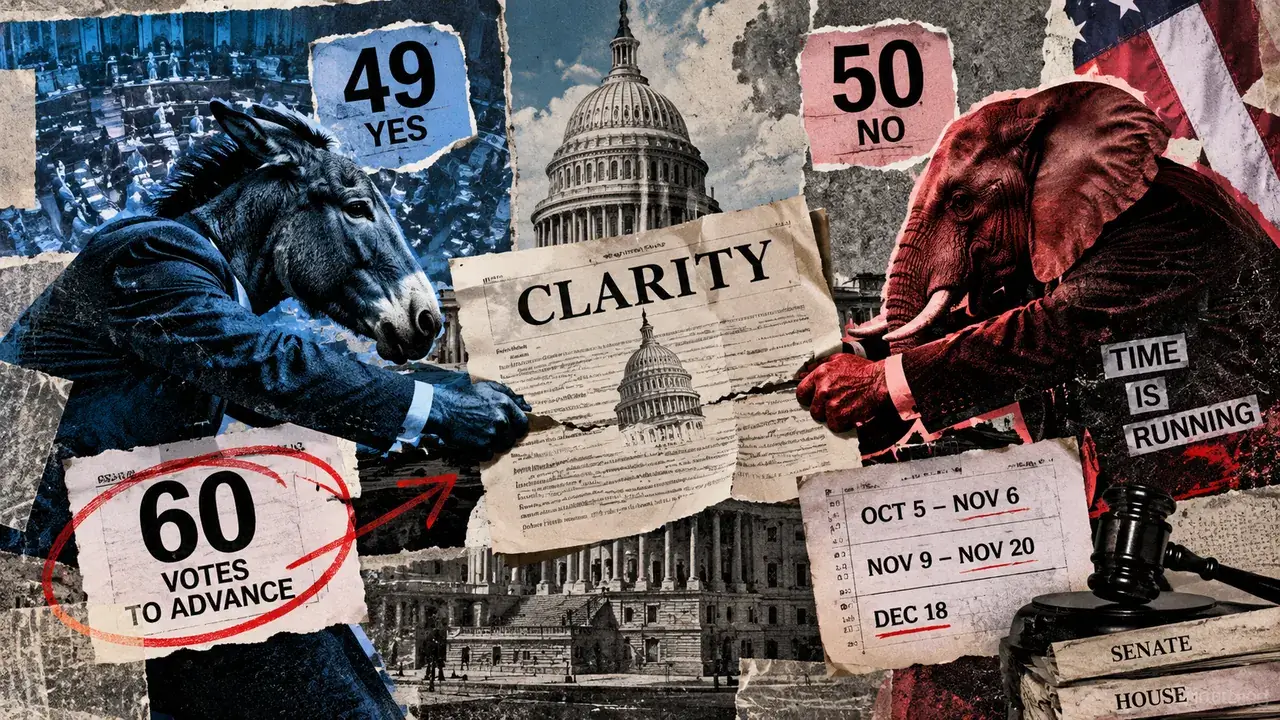
CLARITY Act: three votes short of a Senate return
Why it matters: Without a market structure law, US regulators will fill the gaps with temporary rules, while the EU has already completed its MiCA transition period.

Hana Financial and Hanwha Asset sign MOU with ADGM on stablecoins
Why it matters: Major Korean financial groups are entering the UAE's regulated digital asset market, intensifying competition for stablecoin infrastructure in Asia.