Crypto regulation news

Hana Financial and Hanwha Asset sign MOU with ADGM on stablecoins
Why it matters: Major Korean financial groups are entering the UAE's regulated digital asset market, intensifying competition for stablecoin infrastructure in Asia.

ECB: DeFi rates depend on monetary policy, but with a lag
Why it matters: DeFi is increasingly tied to traditional finance, but monetary policy transmission into it is slower and less predictable, which matters for assessing yield risks in stablecoin protocols.
Uniswap and Arbitrum surge nearly 30% after US tokenized stocks approval
Why it matters: The SEC exemption opens the way to mass tokenization of stocks in the US, boosting demand for DeFi protocols and L2 networks.

US: Iran may charge Bitcoin tolls for Strait of Hormuz passage
Why it matters: Confirmation of the scheme would increase US sanctions pressure and could raise BTC volatility amid geopolitical tensions.

SEC opens path for tokenized stocks after CLARITY Act fails
Why it matters: Tokenized stocks in the U.S. are gaining a regulatory framework bypassing Congress, which will accelerate the inflow of traditional assets onto blockchain.

South Korea parliamentary budget office: crypto tax needs accounting system first
Why it matters: The lack of accounting infrastructure could delay or complicate the launch of the tax, directly affecting Korean investors and exchanges.

CLARITY Act failure does not sink bitcoin
Why it matters: The failure of the CLARITY Act removes some regulatory uncertainty, but BTC's resilience points to a limited impact from legislative delays.
Analysts: bitcoin rises without CLARITY Act, key factors are the Fed rate and ETF flows
Why it matters: Bitcoin's institutional infrastructure is already in place, so further growth depends on the Fed rate and ETF inflows rather than legislation.
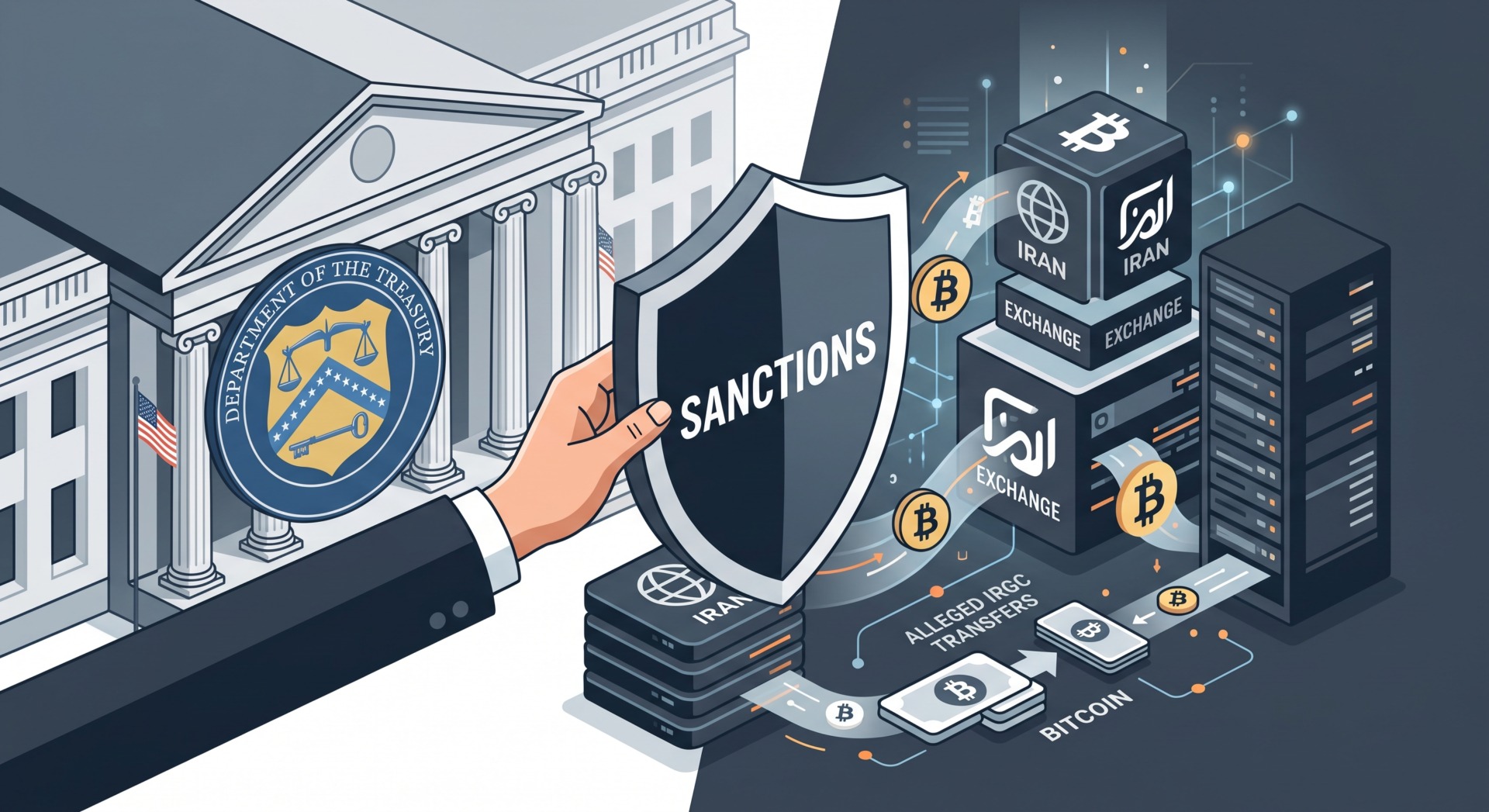
US Sanctions Iranian Exchange BitBank Over Bitcoin Transfers to IRGC
Why it matters: Pressure on Iran's crypto infrastructure is mounting, which could affect the exchange's counterparties and digital asset settlements in the region.

Crypto.com Wins SEC Approval for Tokenized Stock Perps in the US
Why it matters: Competition for the US tokenized stock perps market is heating up between Crypto.com and the Kraken-Hyperliquid alliance.

ANT.FUN completes second MSB registration in Canada, launches app in 38 countries
Why it matters: ANT.FUN's expansion into Canada and 38 markets intensifies competition among DEX apps, but MSB status does not guarantee regulatory approval.
Japan regulator suspects exchanges of steering trades through 'sales points'
Why it matters: If the regulator tightens interface requirements, Japanese exchanges could lose some spread revenue while clients gain more transparent trading terms.
US sanctions Iranian crypto exchange over Strait of Hormuz fees
Why it matters: Tightening sanctions on Iranian crypto exchanges shrinks channels for evading restrictions and raises compliance risks for platforms dealing with Iran.
Ex-SEC official: Atkins' crypto plan exceeds agency's authority
Why it matters: A legal challenge to the SEC plan creates uncertainty for tokens and tokenized assets in the US.

US Sanctions Iranian Exchange BitBank, Seeks Forfeiture of $61M in USDT
Why it matters: The USDT freeze shows that a centralized issuer remains a pressure lever, and exchanges with Middle East clients face tighter scrutiny.

Turkey Takes Control of 99.98% of Golden Global Bank After US Sanctions
Why it matters: Sanctions on a bank with crypto ties increase US pressure on Iran's financial channels and raise risks for counterparties.
Bitwise CIO: Bitcoin's Rally Doesn't Depend on Senate Bill's Failure
Why it matters: A signal from institutional investors that the failure of the CLARITY Act doesn't change the bullish case for bitcoin.

Philippines SEC bans AI Quest Trading over unlicensed investment scheme
Why it matters: The Philippine regulator is stepping up its fight against crypto and AI fraud, warning investors about the risks of unlicensed schemes.
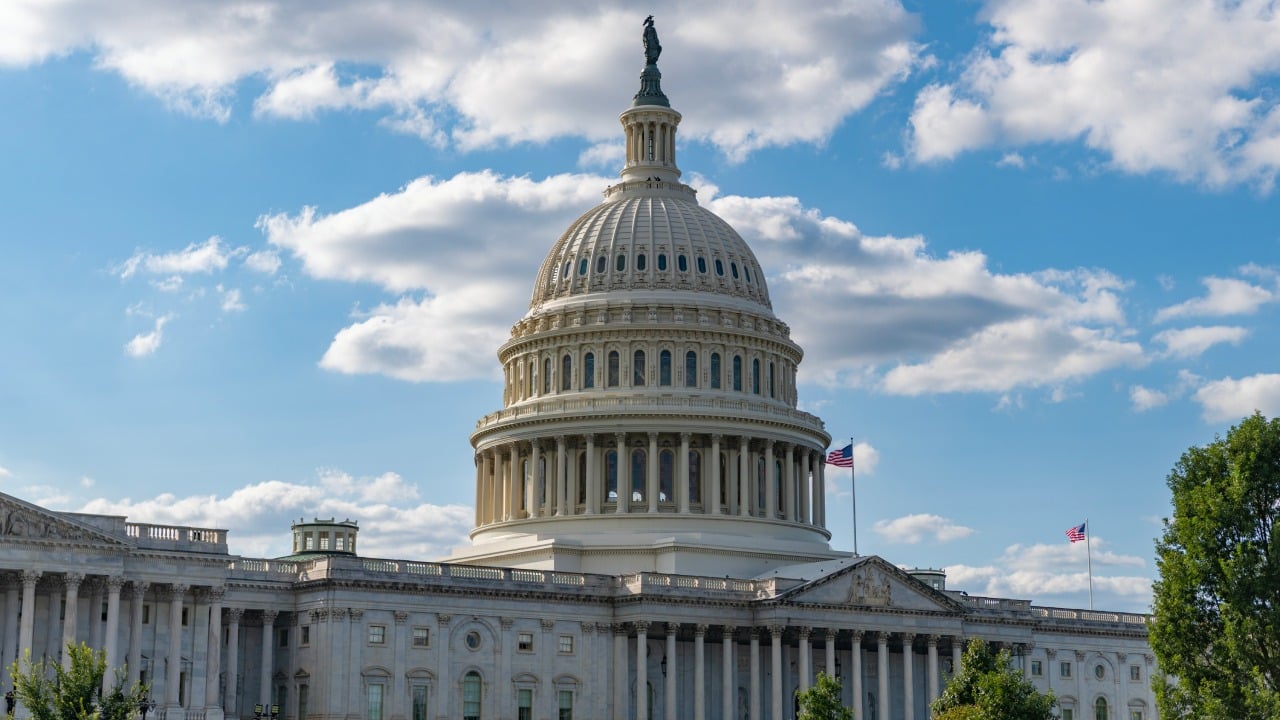
Emmer and Waters Clash Over CLARITY Act's Fate After Senate Defeat
Why it matters: The fate of the CLARITY Act determines the timing and shape of U.S. crypto market regulation, affecting exchanges, tokens and institutional inflows.
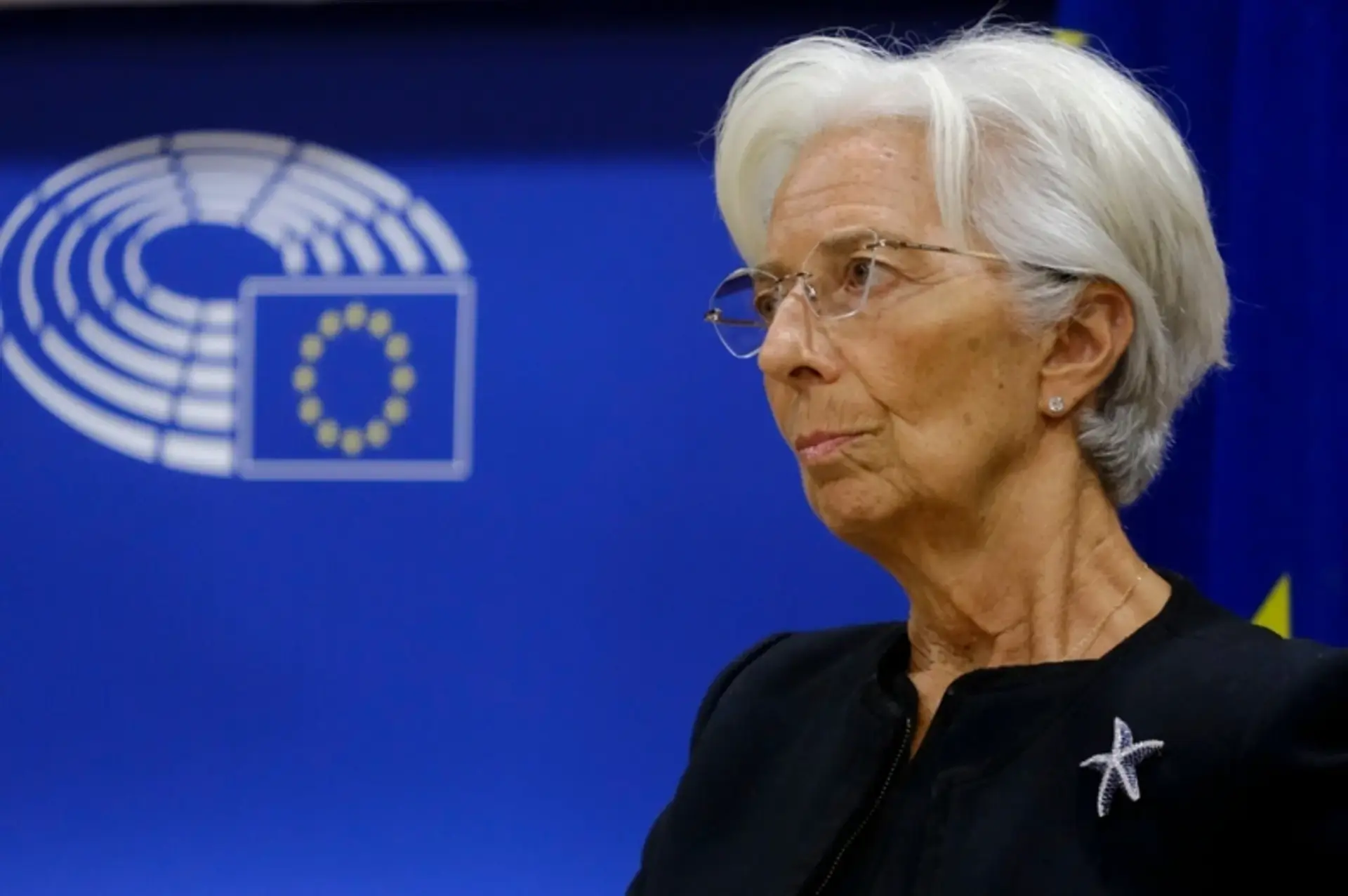
WSJ: Lagarde asked Greece to block Binance's entry into the EU market
Why it matters: Direct ECB intervention in licensing shows political pressure on the largest exchange in the EU and the risks to its European expansion.