Crypto exchange and company news

Payward to Launch Hyperliquid Perpetual Futures for U.S. Clients
Why it matters: The arrangement tests a model in which DeFi infrastructure operates under the regulated U.S. derivatives market, potentially opening the door for other on-chain protocols.

Bitget launches ETF trading section with five tokenized funds
Why it matters: The exchange is expanding tokenized traditional assets, intensifying competition for round-the-clock ETF access outside US market hours.
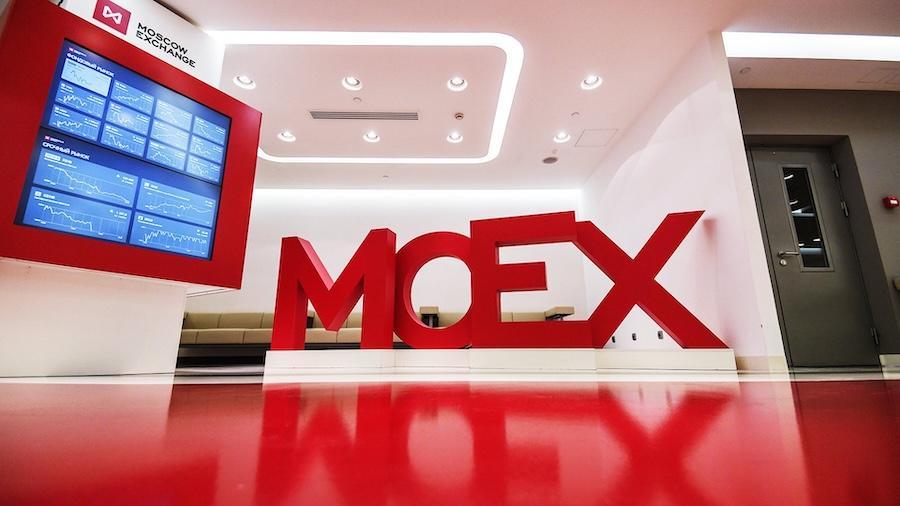
Moscow Exchange plans to launch crypto trading on December 1
Why it matters: The launch on Russia's largest venue will broaden access to crypto instruments, but the 300,000 ruble limit and fragmented liquidity will cap the effect.

Paribu becomes launch partner for Circle's Arc network in Turkey
Why it matters: The integration expands access to USDC payments on Arc for the Turkish market and MENA through CoinMENA.

KuCoin Web3 Wallet adds support for Arc mainnet
Why it matters: A growing number of wallets supporting Arc accelerates adoption of Circle's network and its stablecoin infrastructure.

Hyperscale Data holds 216.95 BTC worth $16.7 million
Why it matters: Another corporate bitcoin reserve disclosure confirms the trend of public companies accumulating BTC.

CoinEx opens withdrawals immediately on closure, BitMart users wait over two months
Why it matters: The case shows that the manner of an exchange's closure determines user trust, but does not save the platform token from collapse.

Kalshi seeks $750M at $40B valuation, 30-day volume at $14.1B
Why it matters: Kalshi's rising valuation and volumes intensify competition with Polymarket and draw regulatory attention to prediction markets.
Twenty One Capital weighs STRC-style preferred stock to buy Bitcoin
Why it matters: If XXI issues an STRC-like instrument, it would provide another funding channel for BTC purchases and could set an example for other public Bitcoin companies.

MEXC freezes $38.7M in USDT and boosts insurance fund to $791.7M
Why it matters: Rising freezes and a larger insurance fund reduce ADL and trader loss risks, but the data is based on the exchange's own reporting.

Bitget reports 122% reserves and a $351 million protection fund
Why it matters: Regular PoR reports improve exchange transparency but do not replace an independent audit and are not deposit insurance.
KuCoin completes Nesa (NES) token migration at 1:1 ratio
Why it matters: NES holders must use only the new token on the ERC20 network, otherwise funds may be lost.
Binance Earn adds 11 US Treasury and bond ETFs
Why it matters: The largest exchange is expanding into traditional assets, intensifying competition with brokers and legitimizing crypto platforms as a channel to TradFi.
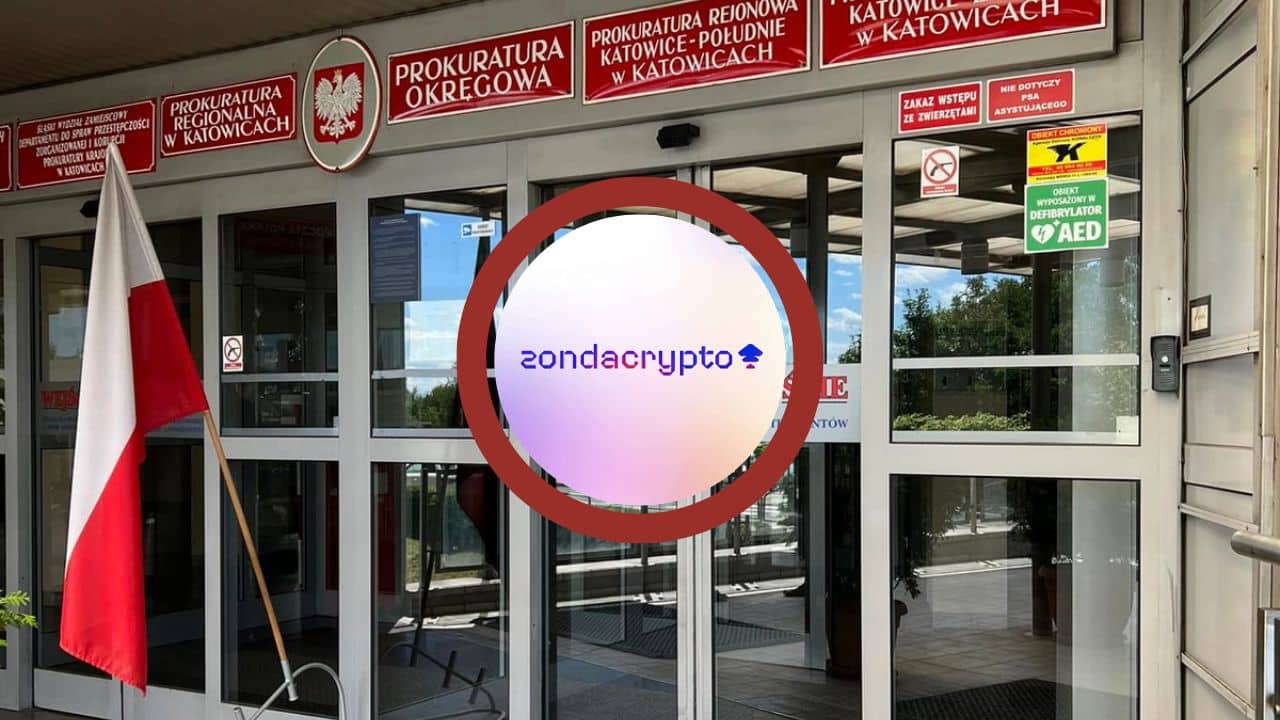
zondacrypto clients must file claims with Estonian trustee by October 27
Why it matters: Exchange clients may lose the chance to recover funds if they miss the deadline for filing claims in Estonia.
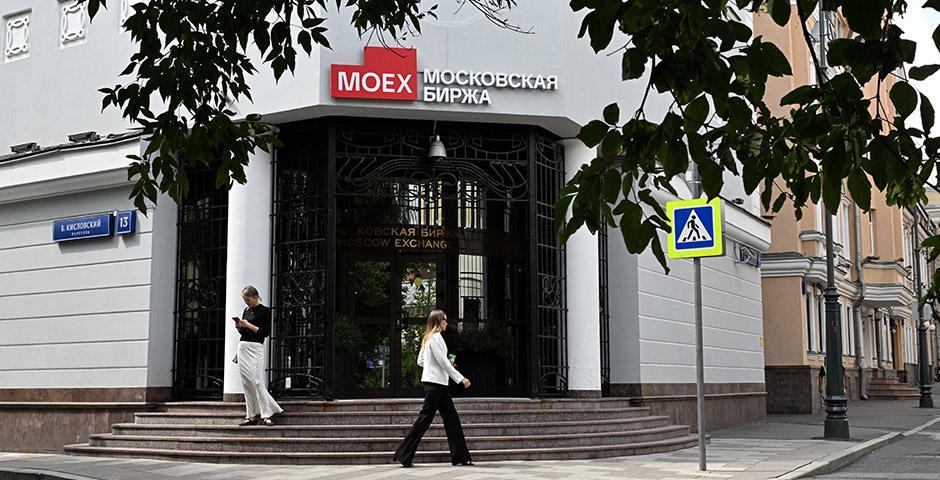
Moscow Exchange launches perpetual futures on five cryptocurrencies
Why it matters: The expansion of the derivatives lineup gives Russian professional participants access to crypto exposure without buying the coins themselves.
Gold-i connects Crypto Finance Group to MatrixNET liquidity bridge
Why it matters: It strengthens institutional crypto trading infrastructure and links traditional exchange structures with crypto liquidity.

KuCoin joins Arc at mainnet launch
Why it matters: It expands access to USDC and on-chain finance through a major exchange, intensifying competition among L1 networks for liquidity.

Crypto.com Exchange connects to ZagTrader network for MENA institutions
Why it matters: It expands institutional access to crypto markets through familiar TradFi infrastructure, strengthening capital inflows in the MENA region.

Binance opens Capital Connect to individuals with $1M+ in assets
Why it matters: Binance is expanding from trading into asset management, increasing competition with traditional managers for wealthy clients.
HTX spot turnover rises 43% from late-August low
Why it matters: The recovery in HTX volumes points to a return of liquidity and trading activity on the exchange after a slump.