Crypto exchange and company news
BTIG reiterates Buy on Coinbase with $240 target
Why it matters: The rating signals a bet on Coinbase's institutional growth despite weak spot trading volume.

Binance Earn updates product categories to clarify risk
Why it matters: Clearer risk labels help users choose Earn products more consciously, but do not change their terms or yields.

Circle shares fall to $83 despite Arc blockchain launch with BlackRock and Visa
Why it matters: The Arc launch failed to offset regulatory uncertainty: CRCL's performance will show whether investors are ready to value Circle's infrastructure separately from CLARITY Act risks.

Robinhood to support USDC transactions on Circle's Arc network
Why it matters: A growing number of platforms with direct USDC support on Arc intensifies competition among networks for stablecoin turnover.

Binance adds CEA Industries' bStocks token as margin collateral for VIP clients
Why it matters: It expands the use of tokenized equities in Binance's margin infrastructure, but restricted access limits the market impact.

100 million USDT transferred to Bybit from unknown wallet
Why it matters: An inflow of stablecoins to an exchange may signal a large player's readiness to buy assets.

Gate enables USDC deposits and withdrawals on Arc network
Why it matters: It expands USDC liquidity routes between the exchange and Arc wallets, reducing the risk of transfer errors.

ProCap sells 50 BTC to buy back 12.2% of its shares
Why it matters: The company is the first among bitcoin treasuries to buy back shares at a discount to NAV by selling BTC, changing the reserve accumulation model.

Interactive Brokers enables trading via X Cashtags for US investors
Why it matters: A major broker linking a social network to trading accelerates the flow of retail investors into crypto and stocks.
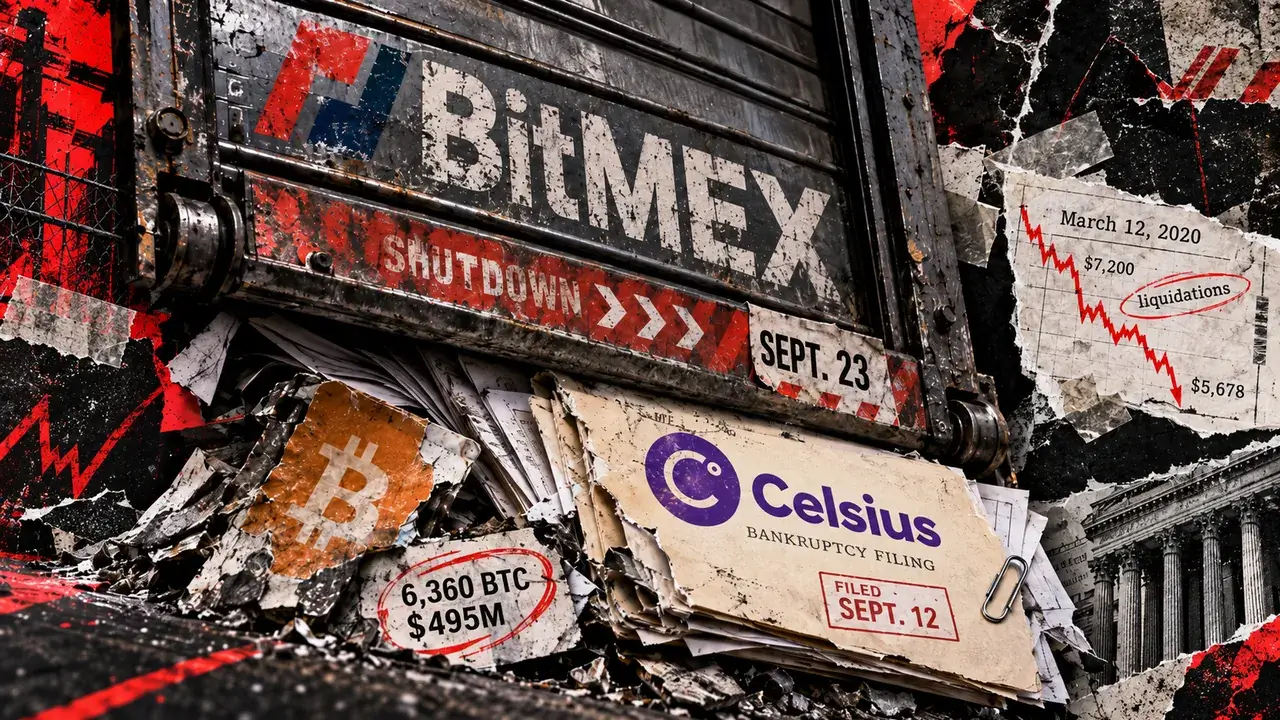
Celsius sues BitMEX for $495 million over 2020 liquidations
Why it matters: The lawsuit creates a risk to BitMEX's assets as the exchange winds down and could lead to a request for interim measures.
Coinbase adds BLUE CHIP and Ritual to listing roadmap
Why it matters: Inclusion in Coinbase's roadmap signals an imminent listing, which could support demand for the tokens.

X temporarily restricts Bonk Guy account, demands paid partnership label
Why it matters: The case sets a precedent for crypto influencers on how to label posts about tokens in which the author has a personal interest.

Evernorth, with 473M XRP treasury, heads to Nasdaq under ticker XRPN
Why it matters: A new public vehicle for XRP exposure beyond ETFs emerges, which could support demand for the token after the CLARITY Act setback.

HIVE Digital partners with ProCogia to expand AI infrastructure
Why it matters: The trend of Bitcoin miners pivoting to AI infrastructure continues, reducing the share of hashrate under mining and reshaping the industry's structure.

Kraken Wallet adds DeFi Earn for self-custody assets
Why it matters: The wallet is becoming an onchain financial interface, intensifying competition for self-custody users.

Bitvavo to delist Kava, Nano and Ravencoin on Sept. 18
Why it matters: Holders of the three assets need to sell or withdraw funds before noon Friday, or the exchange will convert them to euros itself.
Binance completes USDC integration on Arc network, opens deposits
Why it matters: It expands access to USDC on Circle's new network and intensifies competition among payment blockchains.

Bybit receives commendation from Korean police for cyber investigation support
Why it matters: Regulatory recognition strengthens Bybit's reputation in Asia and sets a standard for exchange cooperation with law enforcement.

Payward to Launch Hyperliquid Perpetual Futures for U.S. Clients
Why it matters: The arrangement tests a model in which DeFi infrastructure operates under the regulated U.S. derivatives market, potentially opening the door for other on-chain protocols.

Bitget launches ETF trading section with five tokenized funds
Why it matters: The exchange is expanding tokenized traditional assets, intensifying competition for round-the-clock ETF access outside US market hours.