Crypto exchange and company news

Binance opens Capital Connect to individuals with $1M+ in assets
Why it matters: Binance is expanding from trading into asset management, increasing competition with traditional managers for wealthy clients.
HTX spot turnover rises 43% from late-August low
Why it matters: The recovery in HTX volumes points to a return of liquidity and trading activity on the exchange after a slump.

Binance to Support Vana (VANA) Network Upgrade and Hard Fork
Why it matters: The upgrade affects only the Vana network infrastructure, so there are no material changes for token holders.
Deutsche Bank to Launch Crypto Custody for Institutions
Why it matters: A major European bank is entering regulated crypto custody, strengthening institutional access to digital assets under MiCA.
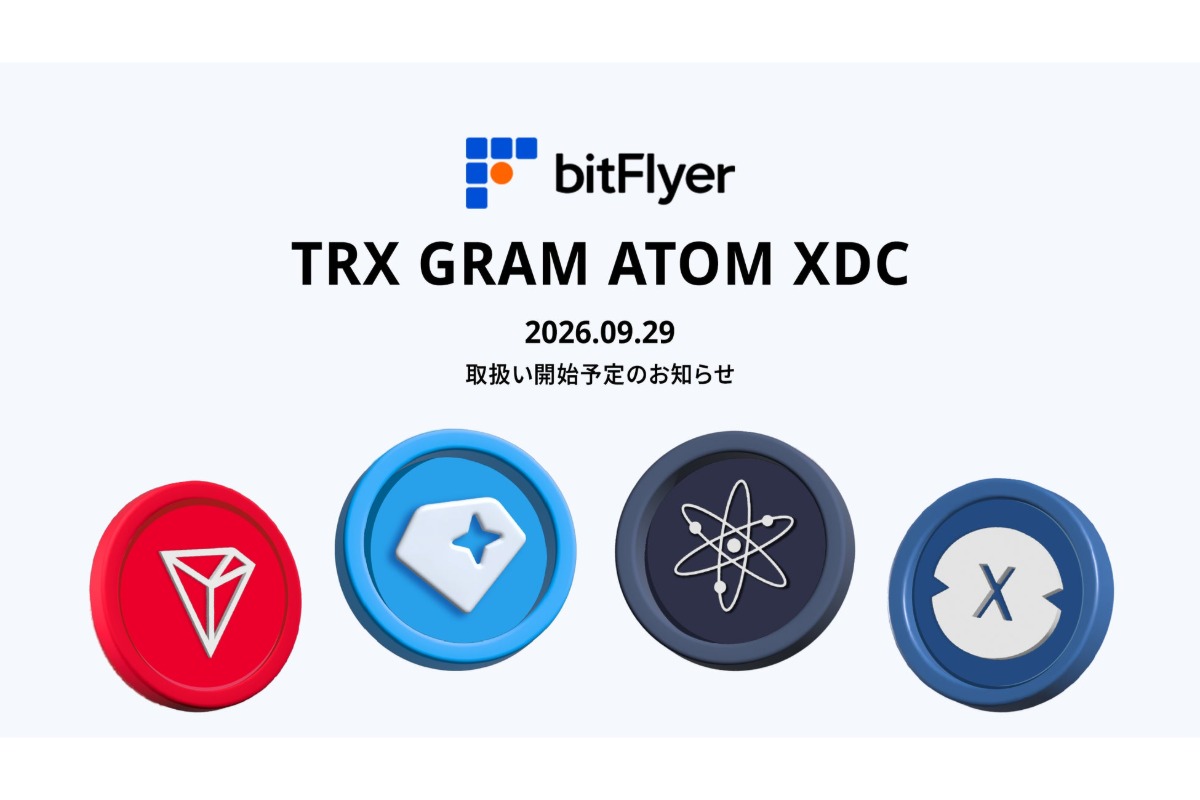
bitFlyer Adds TRX, GRAM, ATOM and XDC Amid Wave of Japan Delistings
Why it matters: Japan's market is consolidating listings: major exchanges are cutting the number of coins while bitFlyer expands its lineup with assets focused on corporate and cross-network use.

Bybit Launches Odds: Fixed-Yield BTC and ETH Price Contracts
Why it matters: The exchange is entering the event-driven products market, competing with prediction markets and offering retail an alternative to risky derivatives.

X launches Cashtag Partner, enabling stock and crypto trading from the feed
Why it matters: The integration could accelerate retail inflows into crypto via a social network, but it heightens the risk of impulsive buying driven by viral content.

Phemex CEO: AI has become a 'pure negative' for the crypto industry
Why it matters: The rise in AI-driven attacks increases risks for DeFi and self-custody, which could accelerate the centralization of crypto infrastructure.

Deribit to launch over 90 USDC-settled perpetual futures
Why it matters: Deribit is moving beyond crypto into traditional and private markets, intensifying competition among derivatives venues and widening access to RWA exposure.

BitMart opens portal for user feedback on withdrawals and restructuring
Why it matters: The fate of client funds depends on the outcome of the restructuring and the asset withdrawal process.

Binance to delist four USDC spot pairs on September 18
Why it matters: The delisting reduces liquidity and makes it harder to exit positions in these tokens on Binance.

MoneyGram launches stablecoin-backed card
Why it matters: A major payments operator entering stablecoins signals growing competition in digital payments.

Bitget: cumulative rToken tokenized stock trading volume tops 4 million trades
Why it matters: The growth in trades and instruments shows demand for tokenized stocks on CEXs, intensifying competition with Robinhood and Binance.

KuCoin suspends Infinity Ground (AIN) token deposits
Why it matters: The deposit suspension limits AIN top-ups on the exchange but does not affect the broader market.
Binance adds tokenized GoPro and Reddit stocks as collateral assets
Why it matters: Expanding the list of tokenized stock collateral strengthens the integration of TradFi assets into crypto trading on the largest exchange.

DefiLlama launches realized slippage metric for perpetual futures
Why it matters: The tool gives traders a way to gauge real execution quality on exchanges, not just the advertised depth of the order book.

X launches Trade button for stocks and crypto with Coinbase, Kraken, Gemini
Why it matters: A social network with a huge audience is becoming a retail client acquisition channel for exchanges, which could boost retail inflows into crypto.

Binance Bahrain adds tokenized US stocks and ETFs
Why it matters: It expands the link between crypto and traditional stocks in a regulated Middle Eastern market, accelerating the tokenization of exchange trading.
Binance lists tokenized GoPro and Reddit shares
Why it matters: The expansion of bStocks on Binance strengthens the tokenized equities trend on major exchanges.

BitGo gathers 70+ Taiwanese institutions to discuss digital asset liquidity
Why it matters: Growing institutional participation by Taiwanese banks could increase capital inflows into the region's crypto market.