DeFi, stablecoins and network upgrades
TRON tests quantum signatures that could cut TPS by 95%
Why it matters: For a network with high transfer and stablecoin volumes, larger signature sizes could constrain throughput and fees.

0x: More than half of Uniswap v4 hooks found to be malicious
Why it matters: The findings expose loss risks for aggregator and wallet users swapping on Uniswap v4, making pool quality control essential for aggregators.
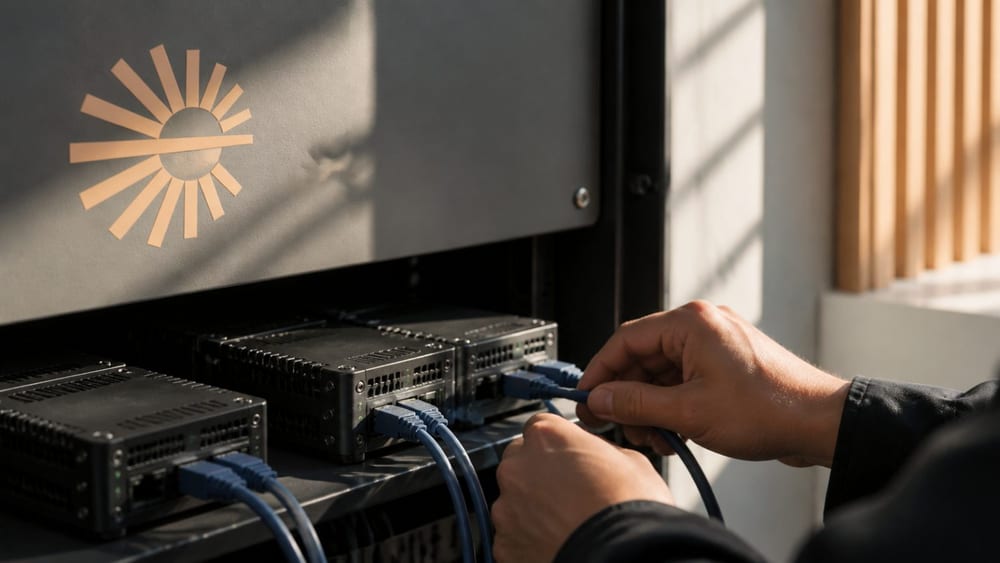
Espresso upgrades mainnet, cutting transaction finality to under 1 second
Why it matters: Faster base-layer finality reduces latency for rollups and cross-chain applications, though it does not speed up settlement on Ethereum.

USDC tops $100 trillion in cumulative onchain transaction volume
Why it matters: USDC has cemented its role as DeFi's main unit of account, but 95% of Circle's revenue depends on interest rates on reserves.

Pendle rises 12% to $2.41 on integrations and protocol upgrades
Why it matters: The rally is backed by real volume, but overbought conditions raise the risk of a correction to the $2.11–2.20 zone.

Aptos approves AIP-140: 2.1B APT cap, 10x gas, full fee burn
Why it matters: Burning all fees and capping issuance make APT structurally scarcer, but higher gas costs and lower rewards will hit validator and staker returns.

Vitalik Buterin: crypto anti-collusion tools apply to AI safety
Why it matters: The topic links crypto governance mechanisms to AI agent regulation, which could influence narratives around Worldcoin and AI tokens.

Firelight to offer yield to XRP holders, but withdrawals may take up to 60 days
Why it matters: A new income source for XRP holders, but with the risk of losing part of the collateral and prolonged lock-up of funds.
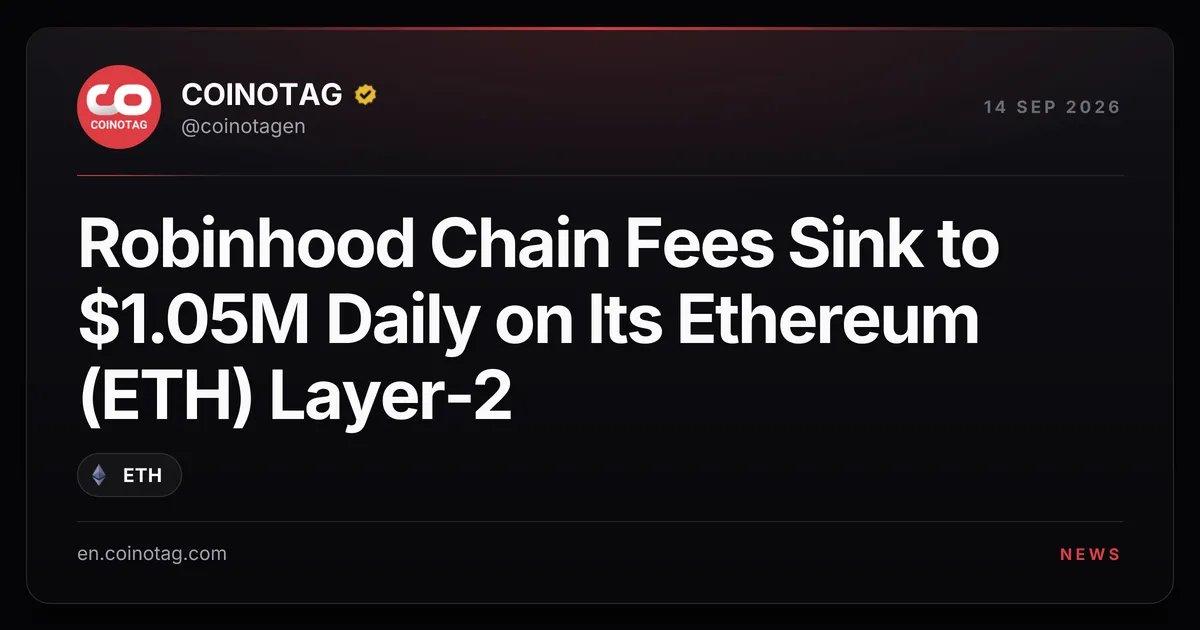
Robinhood Chain fees fall to $1.05 million daily after gas limit increase
Why it matters: A sharp drop in fees with stable trading volume reduces network revenue but makes transactions cheaper for users.
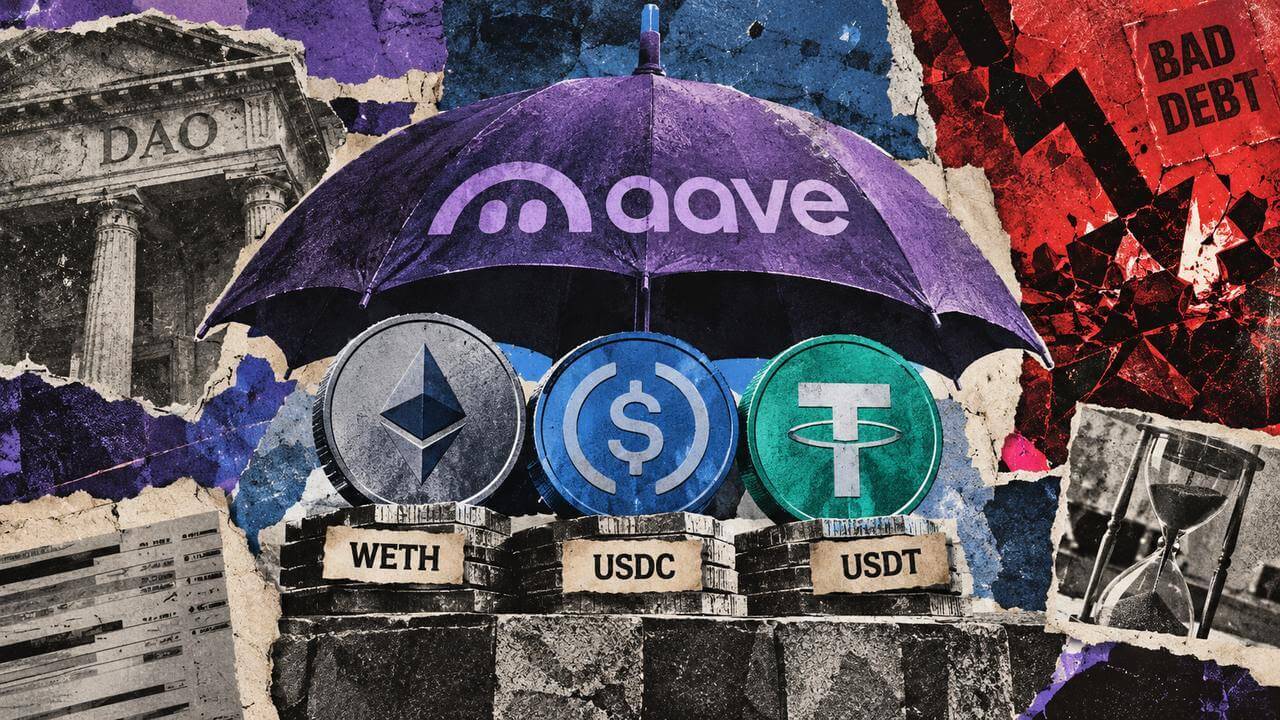
Aave V4: DAO to Cover First Layer of Bad Debt in WETH, USDC, USDT
Why it matters: The mechanism shifts bad debt risk from liquidity providers to the DAO and underwriters, changing the risk model of the largest DeFi lending protocol.

Balancer proposes shutdown and $9M treasury return to BAL holders
Why it matters: The closure of one of the oldest DeFi protocols signals pressure on the sector and sets a precedent for returning funds to holders.
Robinhood Chain: TVL hits $1B, daily DEX volume reaches $1.88B
Why it matters: Robinhood Chain's rapid growth intensifies competition with Ethereum and Solana for tokenized assets and liquidity.
StoneX analyst names four growth drivers for Robinhood Chain
Why it matters: The network's growth strengthens Robinhood's position in stock tokenization and memecoin trading, which could support HOOD shares.

Tokenized stock trading volume on Base hits $792.2M over 30 days
Why it matters: Tokenized stocks are becoming a notable growth source for Coinbase and Base, intensifying competition for the blockchain equities market.

WLFI proposes voting incentive program for holders
Why it matters: The program could reduce WLFI circulation and boost governance activity, but rewards are not guaranteed and depend on the ecosystem's budget.
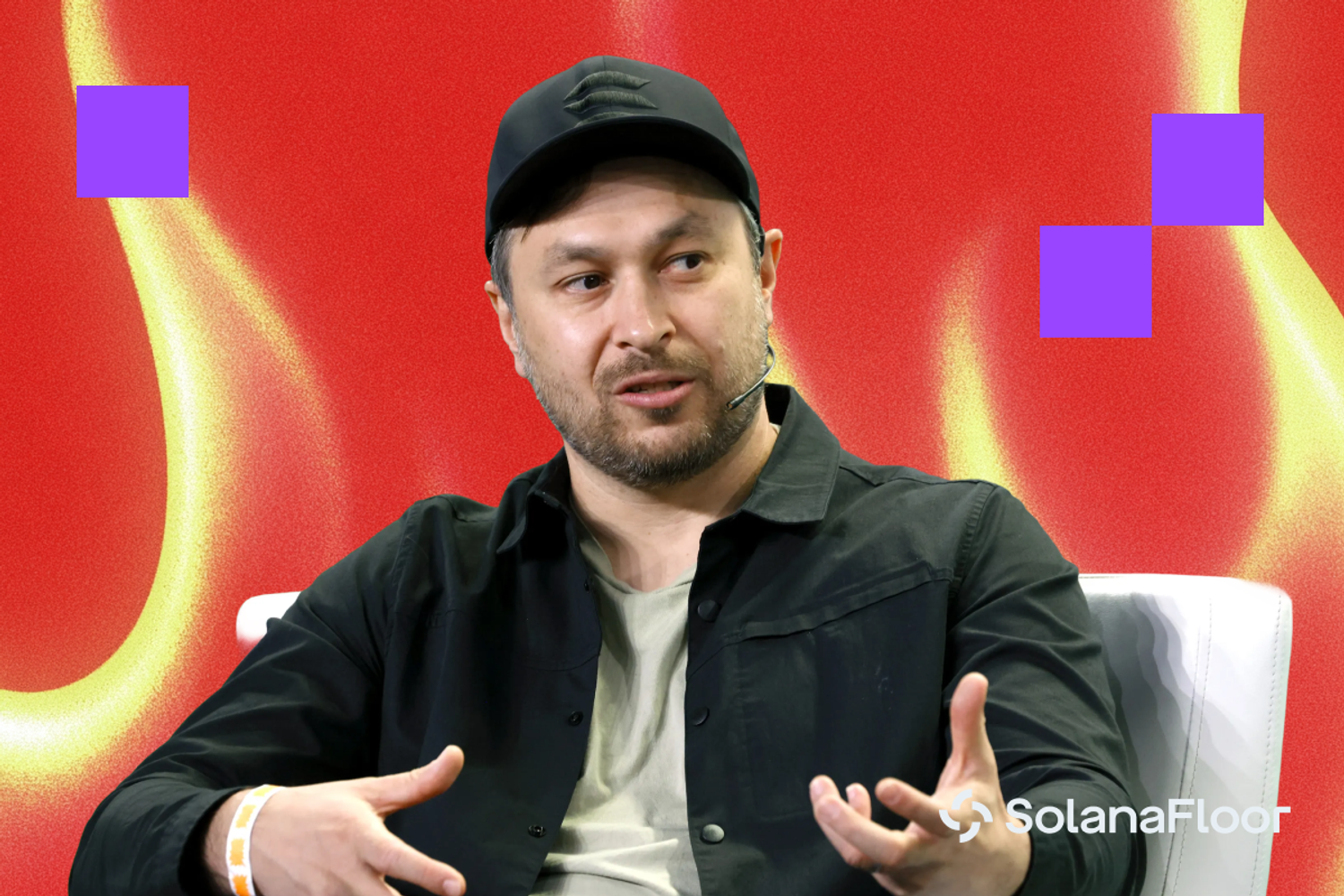
Yakovenko threatens Solana validators that slow slots
Why it matters: The dispute over slots could lead to validator blacklists and tighter staking rules on Solana.
Solana: 63% of tokenized stock trading happens outside Wall Street hours
Why it matters: Growth in off-hours stock trading on Solana could become a driver for SOL, but the token has yet to reflect that demand.

Ripple's RLUSD hits record $2.44B market cap, growth driven by Ethereum
Why it matters: RLUSD's growth intensifies competition in the stablecoin segment, and the shift of issuance to Ethereum shows institutional demand outside the XRP ecosystem.

Aerodrome draws $611.4M in tokenized stock trading volume on Base
Why it matters: Growing tokenized stock volumes on DEXs intensify competition with CEXs and accelerate the integration of traditional assets into DeFi.
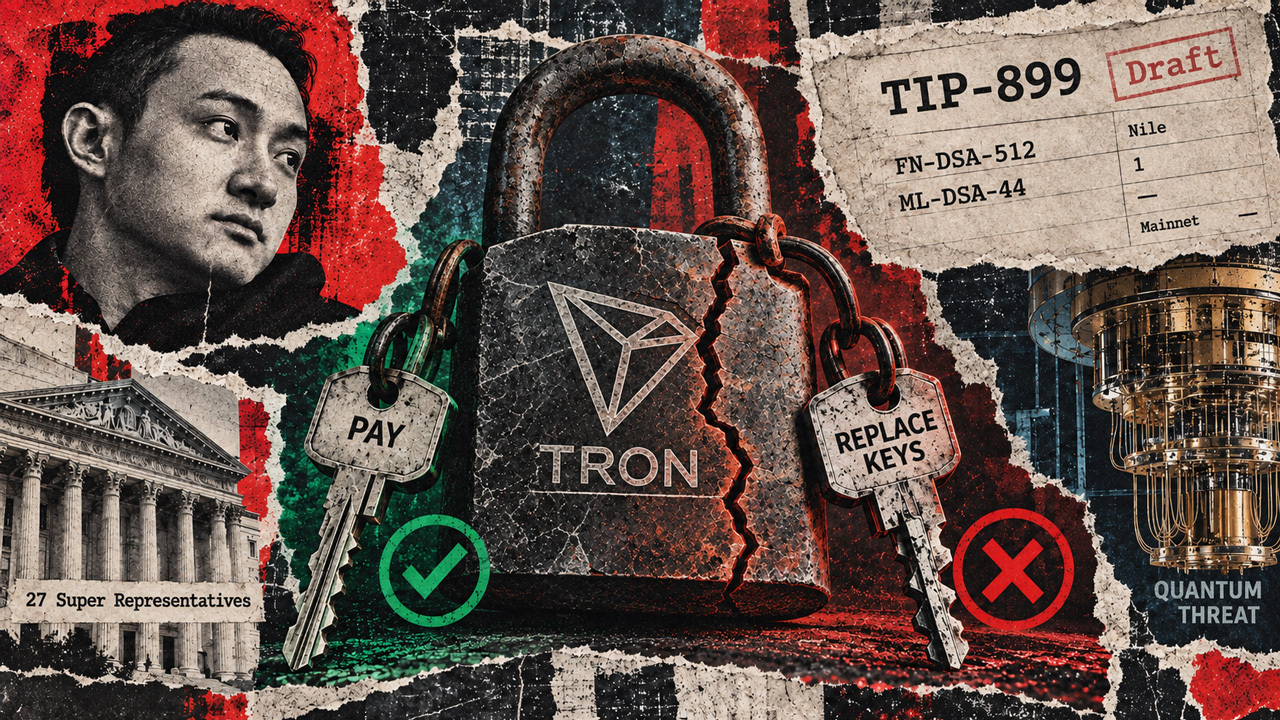
TRON quantum security design may prevent some wallets from changing keys
Why it matters: If the design is adopted as currently written, some TRON users risk losing the ability to change keys during the migration to quantum-resistant signatures.