DeFi, stablecoins and network upgrades

Cronos proposes using 100% of Ult and Cronos Launch revenue to buy back and burn CRO
Why it matters: Burning CRO with service revenue would cut the token's supply, but the effect depends on approval and the scale of revenue.
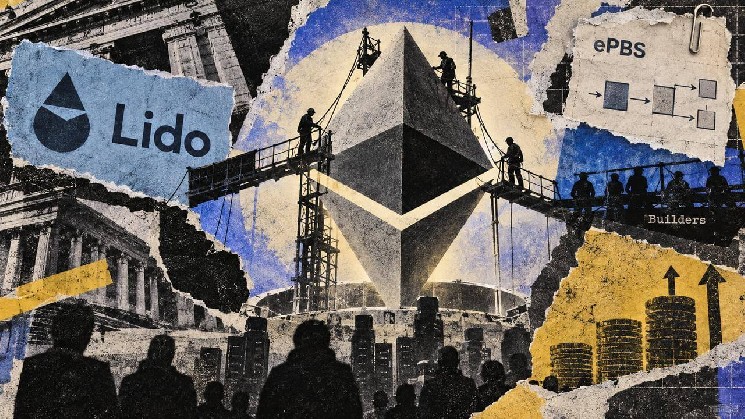
Lido weighs ETH staking versus trusted builder payments
Why it matters: The choice between staking and trust will determine builder costs and Ethereum validator yields after ePBS.

Treehouse puts TIP 14 on expanding tETH strategy to Compound V3 to a vote
Why it matters: Adding more protocols reduces tETH's concentration risk and could lift strategy yields if the proposal is approved.

Filecoin: new FIL supply to drop 75% after October vesting ends
Why it matters: A sharp reduction in issuance lowers seller pressure on FIL, which could support the price if demand holds.
Derive proposes V3 on zkVM and shutting down Derive Chain
Why it matters: The migration will show whether the market is ready for zk exchanges with on-chain settlement instead of their own L1.

Saturn launches USDat on PayPal-backed PYUSDx infrastructure
Why it matters: It expands PYUSD's use in structured DeFi products and gives stablecoin holders new yield instruments with different risk levels.

Solana activates Transaction V1 on mainnet, raising size limit 3.3x
Why it matters: The expansion opens the door to zk-proofs and complex DeFi operations in a single transaction, but requires RPC providers and indexers to update.

Ethereum: ePBS debated with builder deposits and relays
Why it matters: The change to the block-building market will affect validator returns and competition between builders and relays.

The Standard Reserve completes Genesis Charters mint, raising 583.6 ETH
Why it matters: The project launches STANDARD emissions based on Uniswap v4 pool flows, setting a tokenomics model for new DeFi protocols.

Raydium captures 80.5% of xStocks tokenized equity trading volume on Solana
Why it matters: Raydium's dominance shows the concentration of tokenized equity liquidity on Solana in a single protocol.

Quantum-resistant BIP-360 and SHRINCS proposed for bitcoin
Why it matters: The quantum threat is not yet urgent, but the transition would affect addresses, wallets and consensus — a topic that could influence bitcoin's long-term valuation.

Tokenized assets exceed $38 billion, main challenge is liquidity and collateral
Why it matters: Growth in tokenization without liquidity and collateral functionality risks fragmenting capital and slowing institutional adoption of RWAs.

xStocks tops $1B in 30-day DEX volume on Solana
Why it matters: The growth of tokenized stocks on Solana intensifies competition with exchange products like bStocks and expands retail access to equities through DeFi.

Tokenized gold hits $5.1B, but that's under 0.02% of the gold market
Why it matters: Tokenized gold remains a niche asset, but its integration into DeFi provides utility unavailable to physical metal and ETFs.

XRPL proposes XLS-68: institutions to cover reserve and fee costs
Why it matters: The scheme could lower the entry barrier for institutions and tokenized assets on XRPL, but may shift XRP holdings from private wallets to organizational balances.

Tokenized S&P 500 and Nasdaq-100 ETFs grow to $200 million
Why it matters: The growth of tokenized ETFs shows how traditional indices are moving on-chain and attracting institutional interest.

XRPL upgrade to let banks pay XRP fees for clients
Why it matters: Banks will be able to integrate XRP into products without exposing the token to clients, but demand for XRP may shift to institutional sponsors.

Circle and Tether benefit from growth of stablecoin neobanks
Why it matters: The growth of neobanks strengthens demand for USDC and USDT, while regulatory steps by Circle and Tether cement their dominance in the payments market.

TRON tests quantum signatures that could cut TPS by 95%
Why it matters: For a network with high transfer and stablecoin volumes, larger signature sizes could constrain throughput and fees.
0x: More than half of Uniswap v4 hooks found to be malicious
Why it matters: The findings expose loss risks for aggregator and wallet users swapping on Uniswap v4, making pool quality control essential for aggregators.