DeFi, stablecoins and network upgrades

WLFI proposes voting incentive program for holders
Why it matters: The program could reduce WLFI circulation and boost governance activity, but rewards are not guaranteed and depend on the ecosystem's budget.

Yakovenko threatens Solana validators that slow slots
Why it matters: The dispute over slots could lead to validator blacklists and tighter staking rules on Solana.

Solana: 63% of tokenized stock trading happens outside Wall Street hours
Why it matters: Growth in off-hours stock trading on Solana could become a driver for SOL, but the token has yet to reflect that demand.

Ripple's RLUSD hits record $2.44B market cap, growth driven by Ethereum
Why it matters: RLUSD's growth intensifies competition in the stablecoin segment, and the shift of issuance to Ethereum shows institutional demand outside the XRP ecosystem.

Aerodrome draws $611.4M in tokenized stock trading volume on Base
Why it matters: Growing tokenized stock volumes on DEXs intensify competition with CEXs and accelerate the integration of traditional assets into DeFi.

TRON quantum security design may prevent some wallets from changing keys
Why it matters: If the design is adopted as currently written, some TRON users risk losing the ability to change keys during the migration to quantum-resistant signatures.

Trump's $800 million World Liberty Financial token stake locked until 2028
Why it matters: The lock-up timeline for Trump's large stake reduces the risk of sell pressure on the WLFI token in the coming years.
Avalanche to become blockchain foundation of UAEPASS Digital Vault in UAE
Why it matters: A major government use case for Avalanche strengthens the network's position in digital identity, but there is no direct link to the AVAX token.

The Standard Reserve launches on-chain bank with NFT charters on Robinhood Chain
Why it matters: An experiment with issuance that responds to ETH flows could revive activity on Robinhood Chain, but it repeats the risks of reflexive models like Olympus DAO.

Bitcoin.org's Cobra calls for freezing Bitcoin protocol permanently
Why it matters: The debate over Bitcoin's "ossification" affects plans for scalability and smart contracts, and therefore the expectations of BTC holders.

Polygon brings 20 currencies on-chain for the forex market
Why it matters: If the initiative works, Polygon could attract institutional capital from the largest forex market.

Aerodrome tops 700 DEXs in spot FX volume in 2026
Why it matters: Aerodrome's growth shows that concentrated liquidity and the ve(3,3) model are taking share from Uniswap on Base, intensifying competition among DEXs.

Zcash expands payments via NEAR Intents with Cash App and PayPal access
Why it matters: Expanding ZEC's payment accessibility could attract new users and strengthen demand for the asset.
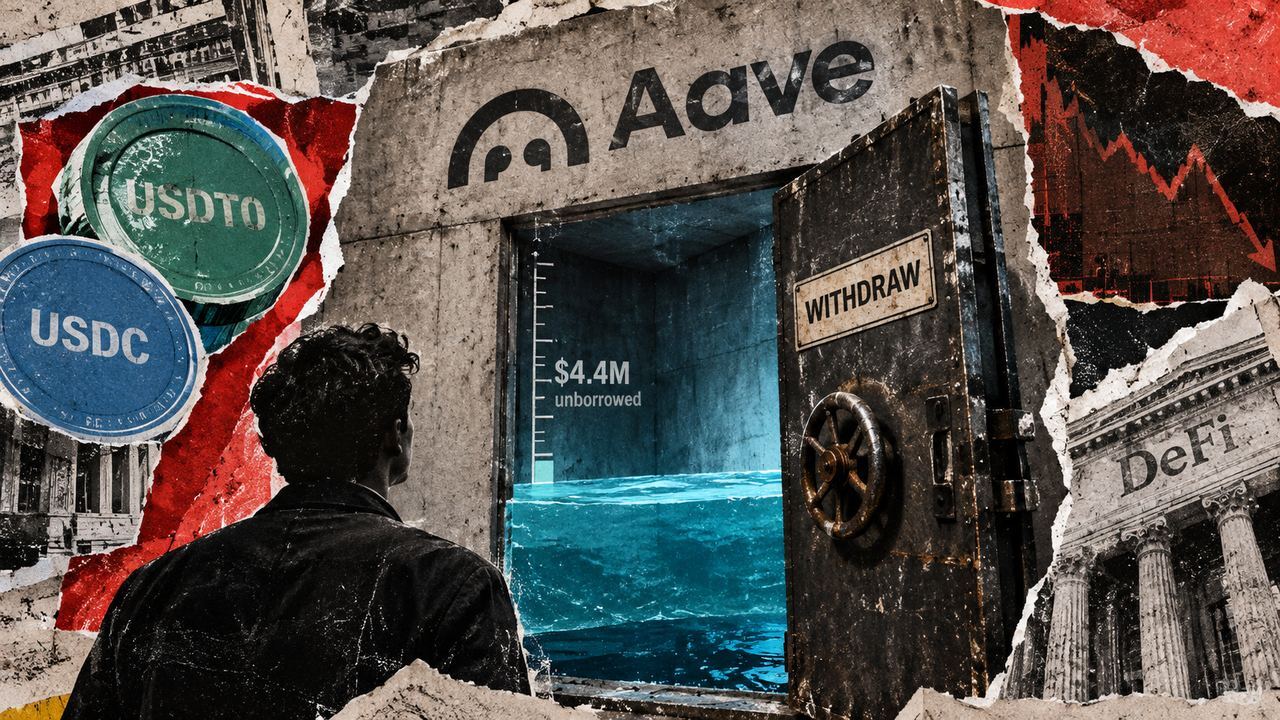
Aave USDT0 pool on Monad: only $4.4M of $55.9M available
Why it matters: The high rate may reflect shrinking free liquidity rather than rising demand, increasing the risk of withdrawal delays for large depositors.
Cardano Gains Native Support in x402 Payments Protocol
Why it matters: Native support lowers the barrier for developers and expands the number of applications and AI agents accepting payments settled in Cardano.

Ethena passes SOC 2 Type II audit with no exceptions
Why it matters: SOC 2 Type II is a baseline requirement for working with banks and funds; certification strengthens Ethena's position at the DeFi and TradFi intersection.

Catamarca government completes Polkadot blockchain training
Why it matters: An example of blockchain adoption in public administration could accelerate public-sector uptake of the technology and boost interest in Polkadot.

Huma Finance's PST token hits $322M market cap on Solana
Why it matters: PST's growth shows institutional demand for tokenized credit and yield-bearing assets in DeFi, strengthening Solana's position as a base for RWAs.

IOTA up 35% in a month on Argentina transplant system adoption
Why it matters: Real government deployments in a G20 economy could strengthen IOTA's narrative as infrastructure for trade and public services rather than a DeFi network.

DBS and Citi complete cross-border tokenized deposit payment on a weekend
Why it matters: Tokenized deposits could enable round-the-clock payments, but require solving final settlement and weekend liquidity issues.