Crypto news today
Circle's Arc mainnet officially launches, OKX Wallet adds support
Why it matters: The launch of Circle's L1 intensifies competition in the payments blockchain segment and expands the use of USDC.
KPMG: fintech investment hit $103.1B in H1 2026
Why it matters: The report shows capital in fintech is concentrating in proven leaders, with digital assets remaining one of the key investment areas.
$666M liquidated in 24 hours, 85% longs
Why it matters: The mass wipeout of longs points to a sharp price pullback and an overextended market on long positions.

ADX and DFNS to build wallet and tokenization infrastructure
Why it matters: A major Middle Eastern exchange is building a foundation for tokenized securities, reinforcing the institutional trend toward RWA.
Whale with 45,000 ETH long on Hyperliquid down $4.3M
Why it matters: A large long with liquidation at $2,182 is a notable risk level: its wipeout could add pressure on ETH.

Kazakhstan approves 65-measure plan to develop digital asset market
Why it matters: Kazakhstan is moving from piecemeal mining regulation to a comprehensive digital asset framework, which could attract institutional capital to the region.
Ex-Bridgewater chief of staff Collin McKinney Hill becomes Polymarket COO
Why it matters: The strengthening of Polymarket's management team comes amid growth in the prediction market and regulatory pressure in the U.S.
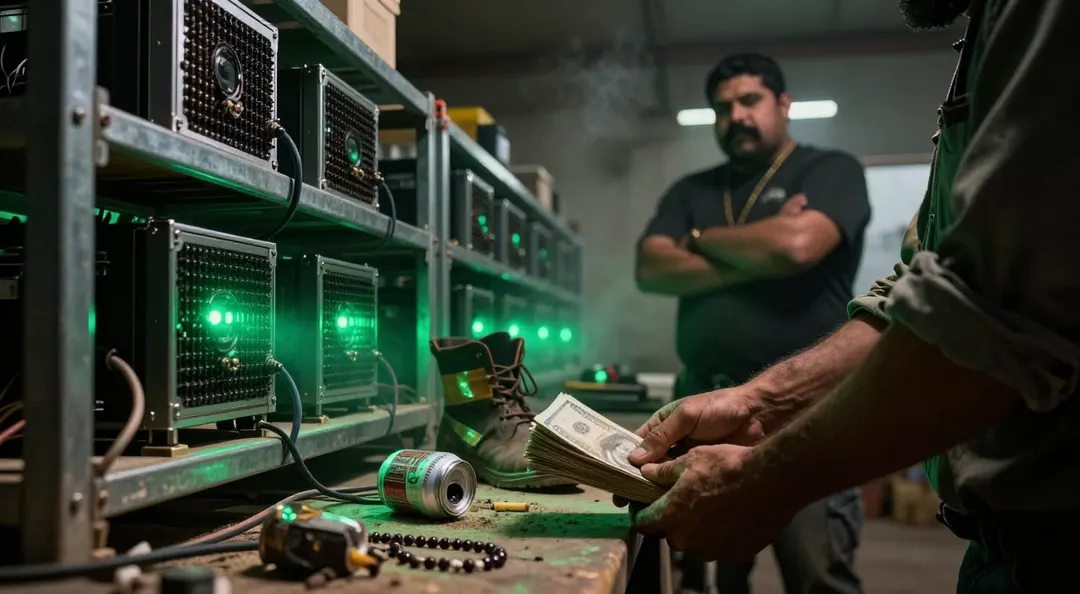
Mexican cartels turn to bitcoin mining as a revenue source
Why it matters: The growth of illegal mining increases strain on power grids and money-laundering risks, drawing regulators' attention to the industry.
KuCoin Earn to delist TURBO and COOKIE from Sept. 16
Why it matters: The Earn delisting reduces available yield on these tokens and could increase selling pressure from deposit holders.

Whale accumulates 108.45 million WLFI worth $6.18 million as founders prepare to sell
Why it matters: The whale's accumulation supports the price, but the founders' preparations to sell create the risk of a sharp dump and a WLFI decline.
CEA chief Phelan: a Fed rate hike today would be a mistake
Why it matters: A rate hike reduces bitcoin's appeal relative to bonds; Warsh's tone will determine the market's risk appetite.
Digest: Fin.com raises $20 million, Solana lifts transaction limit, CLARITY Act fails in Senate
Why it matters: The failure of the CLARITY Act delays clear rules for the U.S. crypto market, while Solana's expansion lowers barriers for complex on-chain operations.

FT: Orlen's failed $230 million Venezuela oil deal ran through USDT
Why it matters: The case shows how USDT is used to circumvent sanctions in large commodity deals, increasing regulatory pressure on stablecoins.
Ripple expands college sports sponsorship with XRP logo on jerseys and arenas
Why it matters: It broadens XRP brand recognition among a mass audience but does not create real demand for the token.
tread.fi reveals TREAD distribution: 100 million tokens, launch on September 16
Why it matters: A launch without venture or presale allocations reduces sell pressure at the start, but liquidity depends on demand on Hyperliquid.
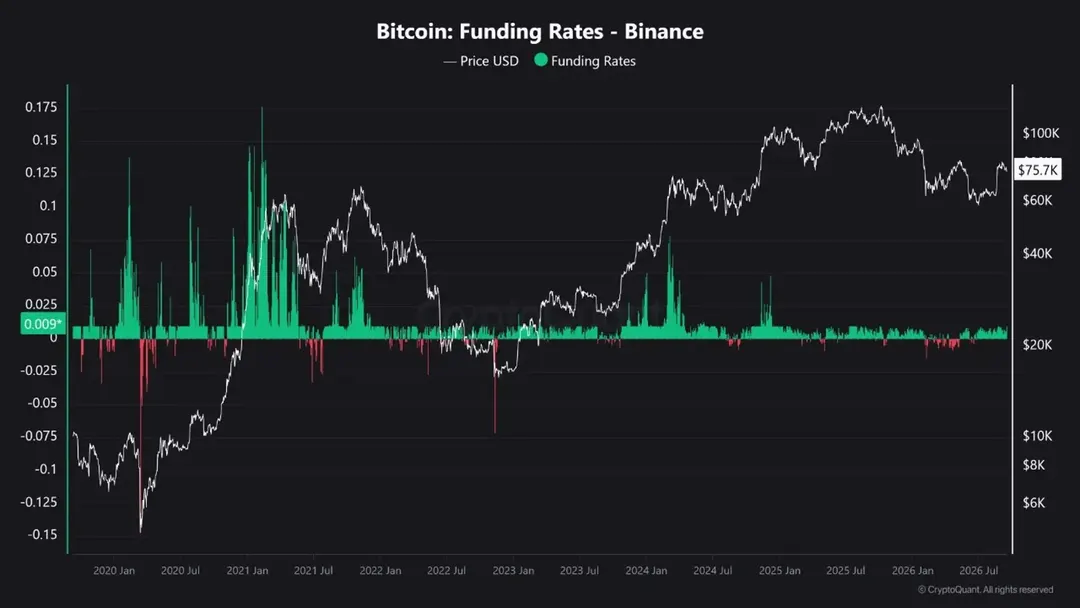
CryptoQuant: bitcoin holds longs ahead of Fed decision, funding at +0.006%
Why it matters: Futures positioning will determine the scale of bitcoin's move after the Fed meeting on September 15–16.
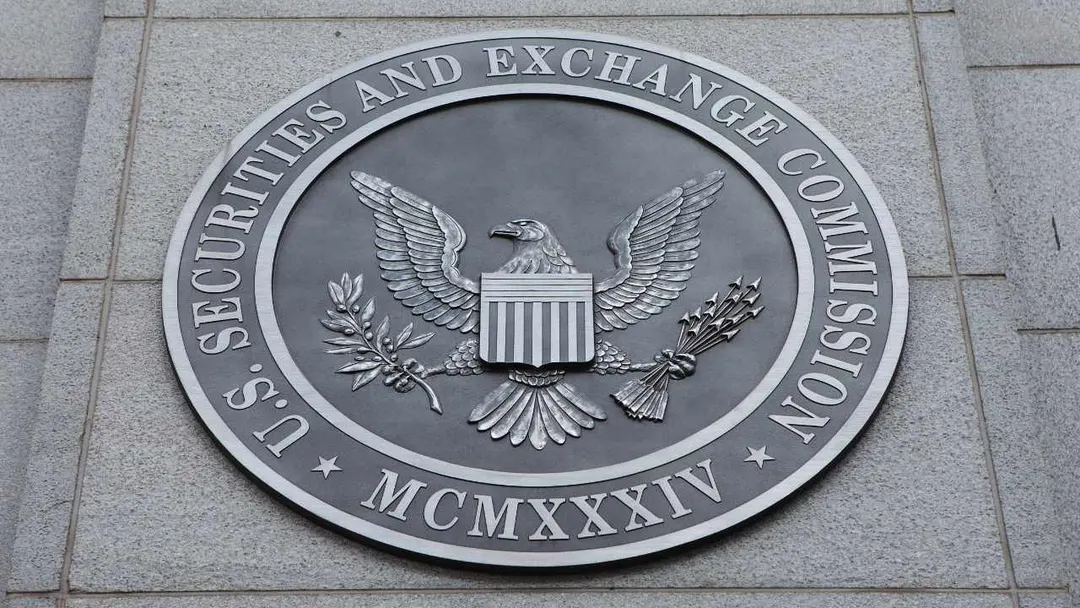
SEC Chair Atkins directs staff to draft self-custody crypto rules for advisers
Why it matters: Easing the SEC's custody requirements could open direct crypto access for institutional advisers without third-party custodians.
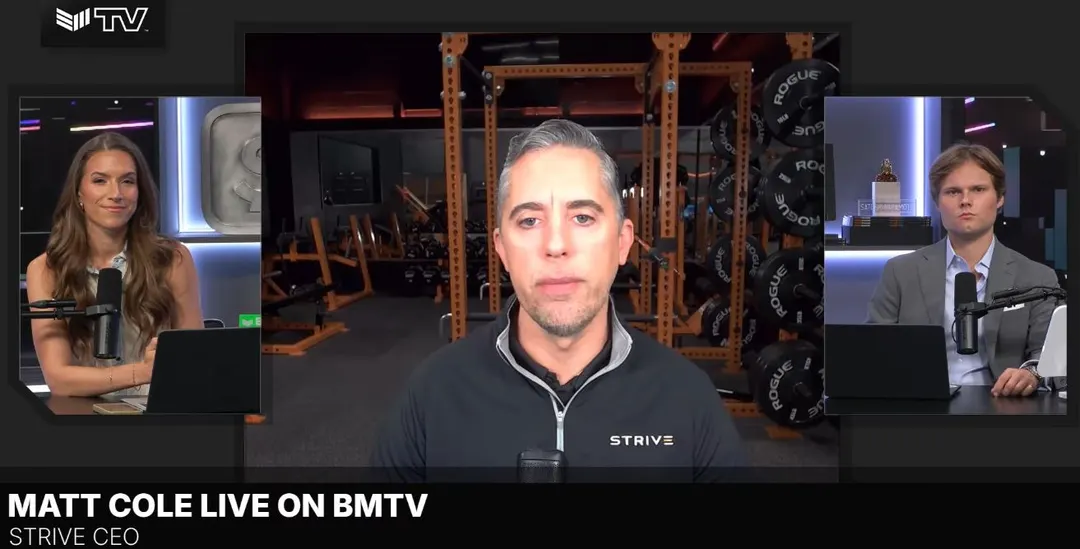
Strive CEO: bitcoin companies' pay should be tied to outperforming BTC
Why it matters: It sets a corporate governance standard for bitcoin treasury companies and signals a new class of yield-bearing BTC products.
Willy Woo: Coinbase shows US selling, Binance builds positions
Why it matters: The divergence between US selling and offshore accumulation may point to a shift in BTC holders and support prices in the medium term.
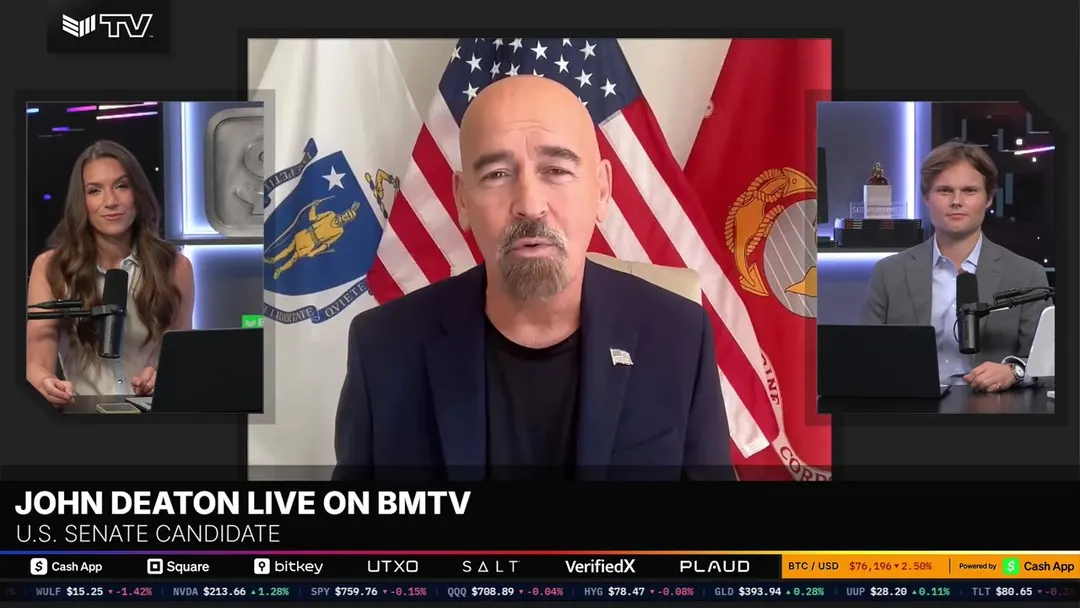
John Deaton: bitcoin will be part of the solution to the dollar's decline
Why it matters: The Senate candidate's stance reflects growing bitcoin support in US politics amid debate over the CLARITY Act.