Crypto news today
Three Bitcoin whales place buy orders for 257.61 BTC worth $19.2M on Hyperliquid
Why it matters: Large limit orders near $74–75K indicate where whales are willing to buy BTC on a dip, forming a demand zone.
DeBot warns of wallet risk and isolates affected wallets
Why it matters: The incident highlights the risks of custodial and bot wallets; users should check and manually move any untransferred assets.
Whale sells 866 BTC for $65.4M and buys 26,924 ETH
Why it matters: A large rotation from BTC into ETH may signal a shift in large-capital preferences amid a weak market.
Fed and Bank of Japan may raise rates in the same week
Why it matters: A narrowing US-Japan rate differential would hit carry trades and reduce risk appetite, including for crypto, at the start of Q4.
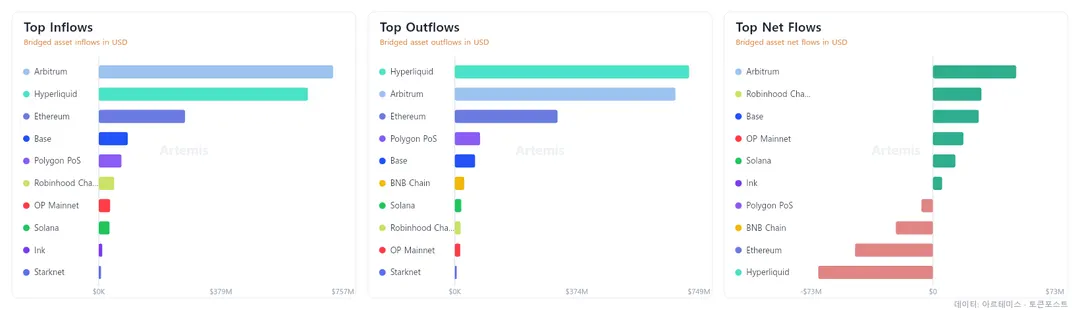
Arbitrum leads with $52.7M net inflow, Hyperliquid loses $72.5M
Why it matters: Capital flowing into Arbitrum and Robinhood Chain points to growing L2 activity, while outflows from Hyperliquid and Ethereum signal shifting preferences.
Arthur Hayes: CLARITY Act harms Bitcoin and US crypto innovation
Why it matters: The statement comes amid the failure of a procedural vote on the CLARITY Act in the Senate and debates over the future of US crypto regulation.
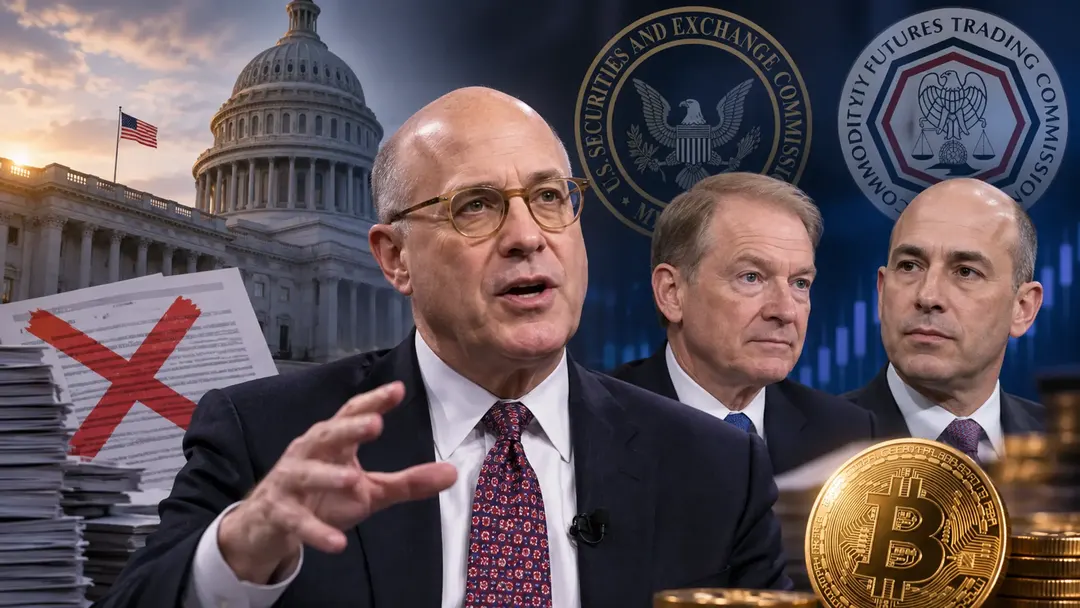
Ex-CFTC chief: CLARITY Act failure won't stop US crypto regulation
Why it matters: Without legislation, crypto rules will be set by the SEC and CFTC, increasing the risk of regulatory reversals when power changes hands.

Crypto industry pivots to US regulators after CLARITY Act failure
Why it matters: Without the CLARITY Act, crypto rules will be determined by regulators, increasing uncertainty for the market and holders.
Binance launches realized perp slippage metric for perpetual futures
Why it matters: The tool will let traders more accurately assess execution costs and adjust strategies in a volatile market.
Crypto market falls after CLARITY Act fails: BTC below $75K, GameFi up 9.65%
Why it matters: The failure of the CLARITY Act intensified selling across the market, but gains in GameFi and ARB show selective demand outside the broader trend.

Korean exchange Korbit rebrands as Digital X
Why it matters: The rebranding of a major Korean exchange does not affect client assets, but requires caution due to phishing risk on the new domain.
Circle's Arc mainnet officially launches, OKX Wallet adds support
Why it matters: The launch of Circle's L1 intensifies competition in the payments blockchain segment and expands the use of USDC.
KPMG: fintech investment hit $103.1B in H1 2026
Why it matters: The report shows capital in fintech is concentrating in proven leaders, with digital assets remaining one of the key investment areas.
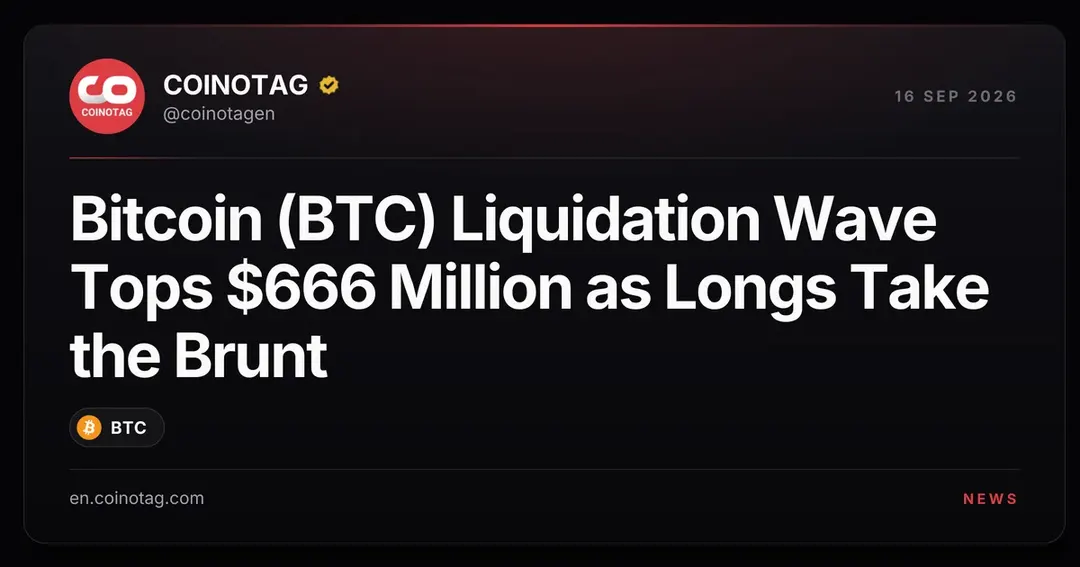
$666M liquidated in 24 hours, 85% longs
Why it matters: The mass wipeout of longs points to a sharp price pullback and an overextended market on long positions.

ADX and DFNS to build wallet and tokenization infrastructure
Why it matters: A major Middle Eastern exchange is building a foundation for tokenized securities, reinforcing the institutional trend toward RWA.
Whale with 45,000 ETH long on Hyperliquid down $4.3M
Why it matters: A large long with liquidation at $2,182 is a notable risk level: its wipeout could add pressure on ETH.

Kazakhstan approves 65-measure plan to develop digital asset market
Why it matters: Kazakhstan is moving from piecemeal mining regulation to a comprehensive digital asset framework, which could attract institutional capital to the region.
Ex-Bridgewater chief of staff Collin McKinney Hill becomes Polymarket COO
Why it matters: The strengthening of Polymarket's management team comes amid growth in the prediction market and regulatory pressure in the U.S.
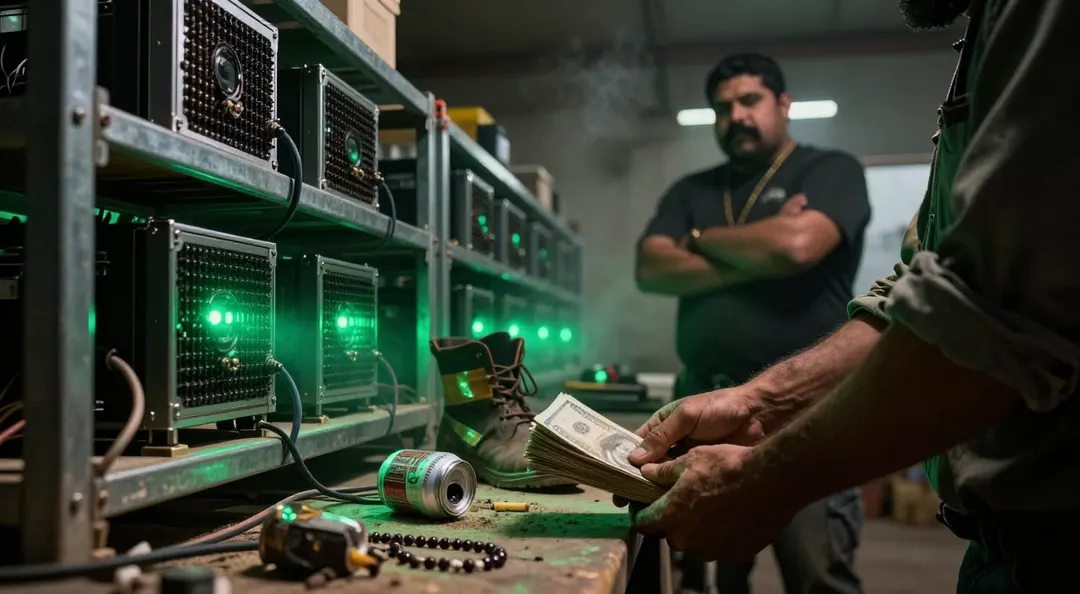
Mexican cartels turn to bitcoin mining as a revenue source
Why it matters: The growth of illegal mining increases strain on power grids and money-laundering risks, drawing regulators' attention to the industry.
KuCoin Earn to delist TURBO and COOKIE from Sept. 16
Why it matters: The Earn delisting reduces available yield on these tokens and could increase selling pressure from deposit holders.