Crypto news today

Whale accumulates 108.45 million WLFI worth $6.18 million as founders prepare to sell
Why it matters: The whale's accumulation supports the price, but the founders' preparations to sell create the risk of a sharp dump and a WLFI decline.
CEA chief Phelan: a Fed rate hike today would be a mistake
Why it matters: A rate hike reduces bitcoin's appeal relative to bonds; Warsh's tone will determine the market's risk appetite.
Digest: Fin.com raises $20 million, Solana lifts transaction limit, CLARITY Act fails in Senate
Why it matters: The failure of the CLARITY Act delays clear rules for the U.S. crypto market, while Solana's expansion lowers barriers for complex on-chain operations.

FT: Orlen's failed $230 million Venezuela oil deal ran through USDT
Why it matters: The case shows how USDT is used to circumvent sanctions in large commodity deals, increasing regulatory pressure on stablecoins.
Ripple expands college sports sponsorship with XRP logo on jerseys and arenas
Why it matters: It broadens XRP brand recognition among a mass audience but does not create real demand for the token.
tread.fi reveals TREAD distribution: 100 million tokens, launch on September 16
Why it matters: A launch without venture or presale allocations reduces sell pressure at the start, but liquidity depends on demand on Hyperliquid.
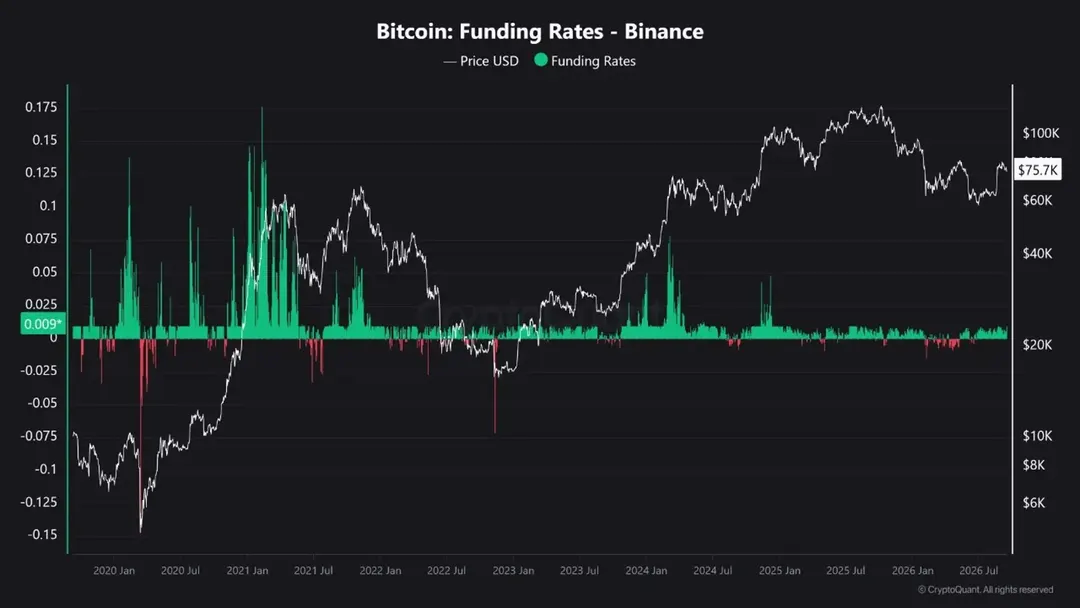
CryptoQuant: bitcoin holds longs ahead of Fed decision, funding at +0.006%
Why it matters: Futures positioning will determine the scale of bitcoin's move after the Fed meeting on September 15–16.
SEC Chair Atkins directs staff to draft self-custody crypto rules for advisers
Why it matters: Easing the SEC's custody requirements could open direct crypto access for institutional advisers without third-party custodians.
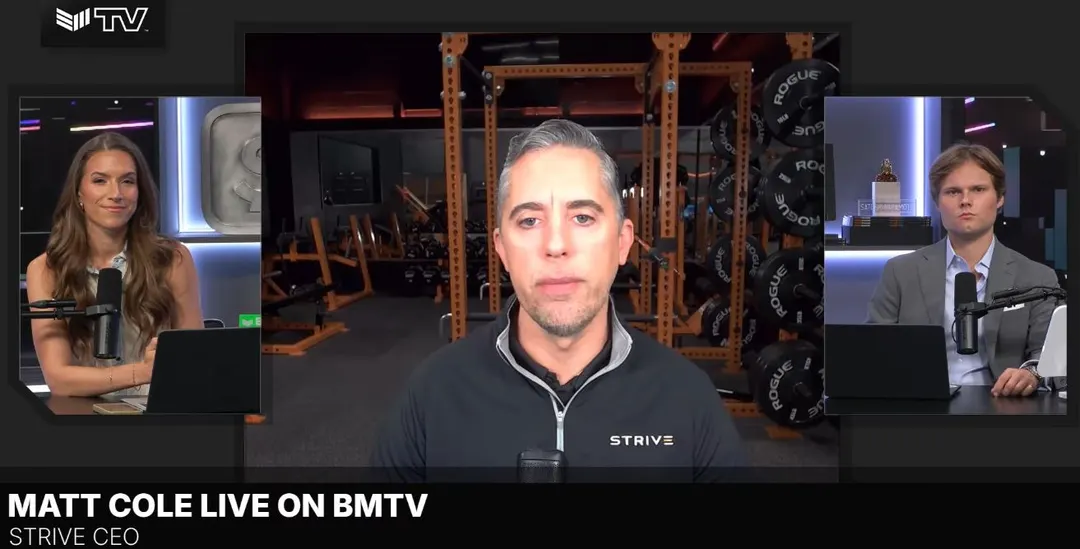
Strive CEO: bitcoin companies' pay should be tied to outperforming BTC
Why it matters: It sets a corporate governance standard for bitcoin treasury companies and signals a new class of yield-bearing BTC products.
Willy Woo: Coinbase shows US selling, Binance builds positions
Why it matters: The divergence between US selling and offshore accumulation may point to a shift in BTC holders and support prices in the medium term.
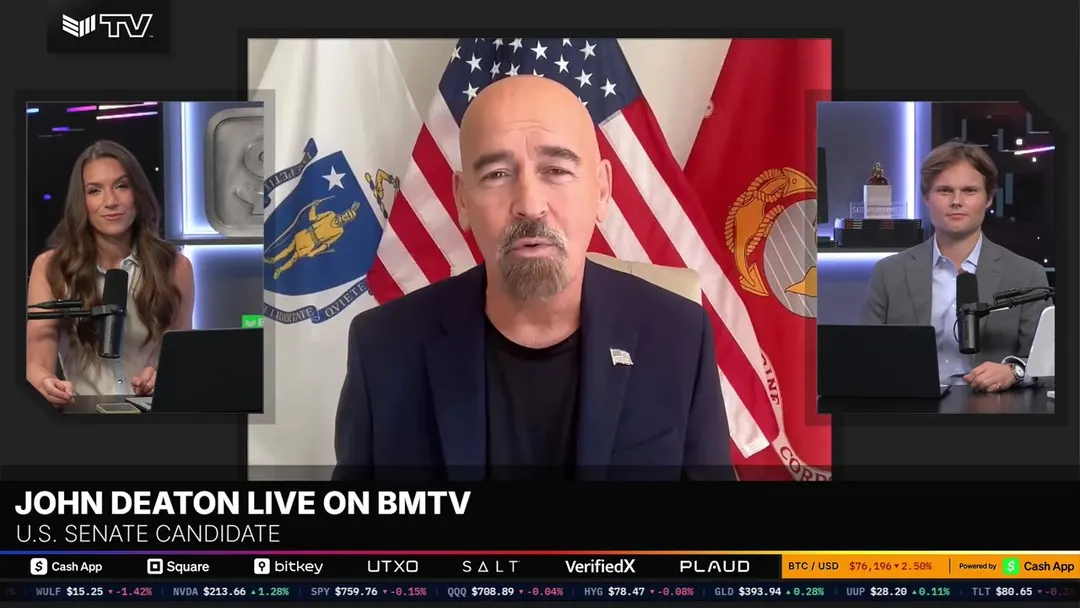
John Deaton: bitcoin will be part of the solution to the dollar's decline
Why it matters: The Senate candidate's stance reflects growing bitcoin support in US politics amid debate over the CLARITY Act.
Allium: stablecoin supply reached $303 billion in August
Why it matters: Growth in payments and B2B settlements confirms stablecoins' shift from a speculative instrument to real payment infrastructure.

Poland charges three ex-Orlen managers over $378M oil deals
Why it matters: The case shows how stablecoins are used to circumvent sanctions and why USDT settlements do not eliminate counterparty risk.

US spot SOL ETFs see $1.35M inflow, all into BSOL
Why it matters: The concentration of inflows in a single product shows that demand for Solana ETFs remains narrow and dependent on a specific issuer.

HYPE ETFs see $3.89M outflow in a day, cumulative inflow $326M
Why it matters: The outflow from the only fund shows that demand for HYPE through ETFs is still unstable, though cumulative inflow remains positive.

BitGo urges federally regulated bank custody as CLARITY Act stalls
Why it matters: The delay of the CLARITY Act is boosting demand for regulated custody solutions, which could shift institutional flows toward banks.
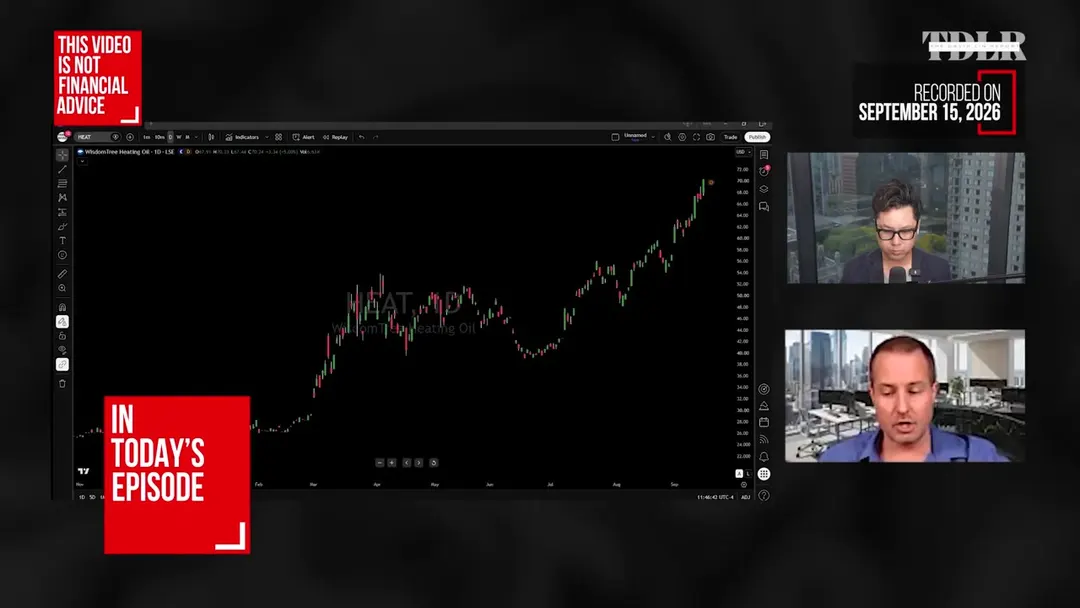
Strategist Soloway: Fed to hike 25 bps in September, up to 50 bps by December
Why it matters: Expectations of Fed rate hikes increase pressure on risk assets, including bitcoin and the crypto market.
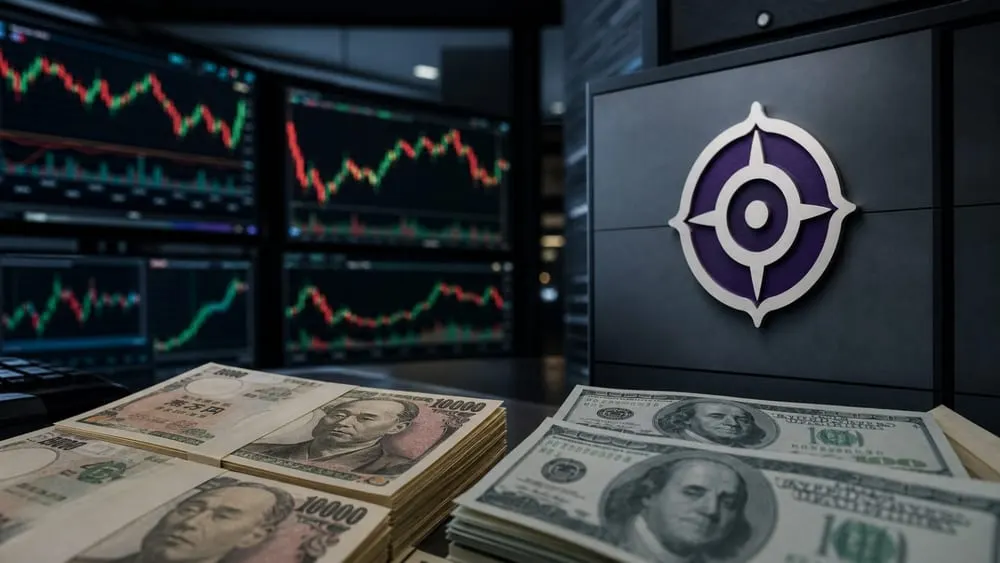
89% of economists expect Bank of Japan to hike 25 bps to 1.25%
Why it matters: Bank of Japan tightening and rising Japanese bond yields could accelerate capital outflows from risk assets, including crypto.

CoinShares: crypto funds see $1.03B weekly inflow
Why it matters: Sustained institutional demand for BTC and altcoin ETFs supports the market despite price pressure.

FastLane launches public testing of onchain aggregator Moose on Monad
Why it matters: The test will show whether onchain routing can reduce slippage and MEV risks on Monad, but real volumes and execution quality are yet to be confirmed.