Tether (USDT) news
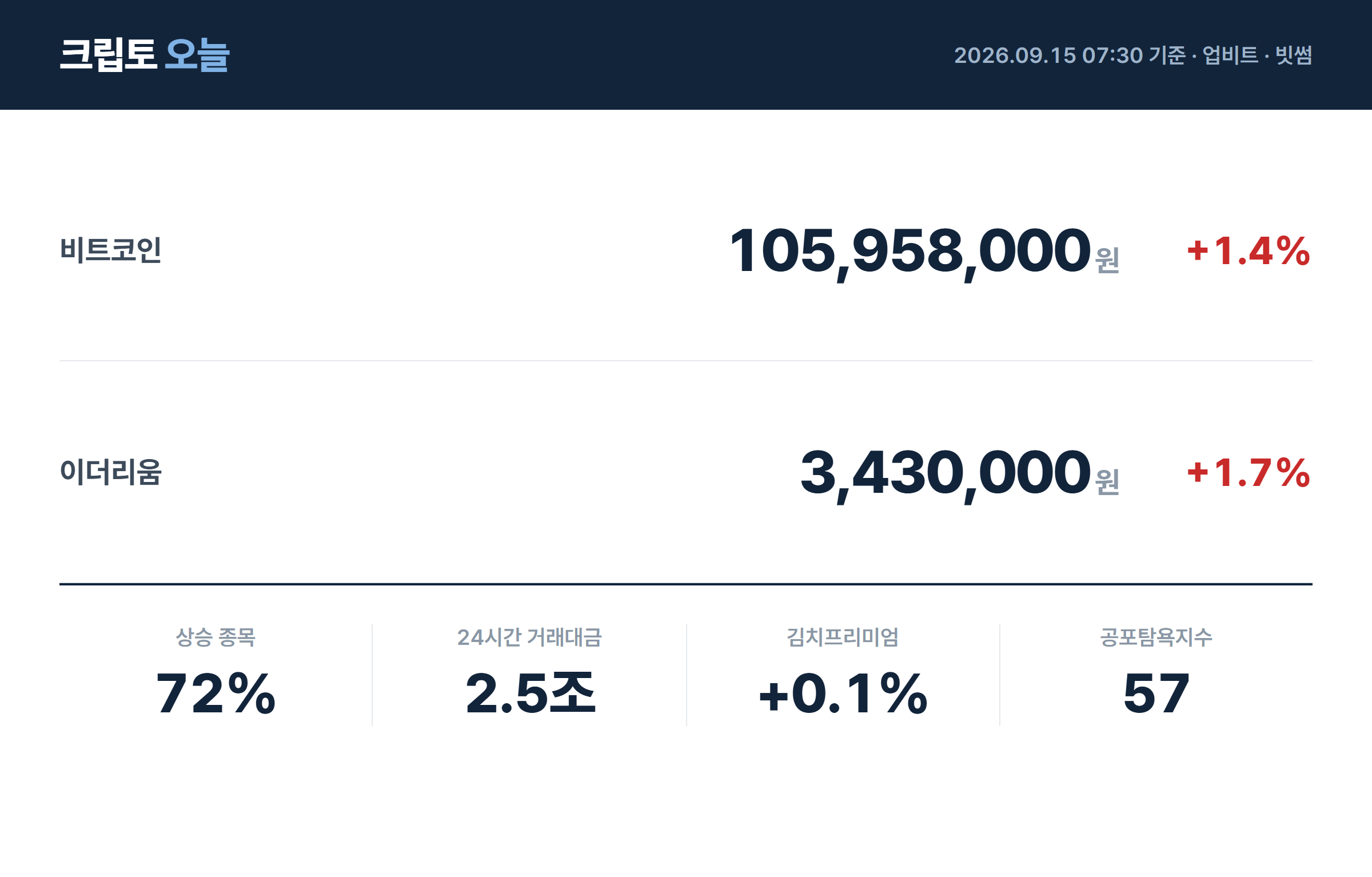
Bitcoin at $77,000: 72% of Korean altcoins gain, $380 million liquidated
Why it matters: The Fear and Greed Index fell from 61 to 57, and the kimchi premium dropped to +0.1% — Korean retail demand is cooling.
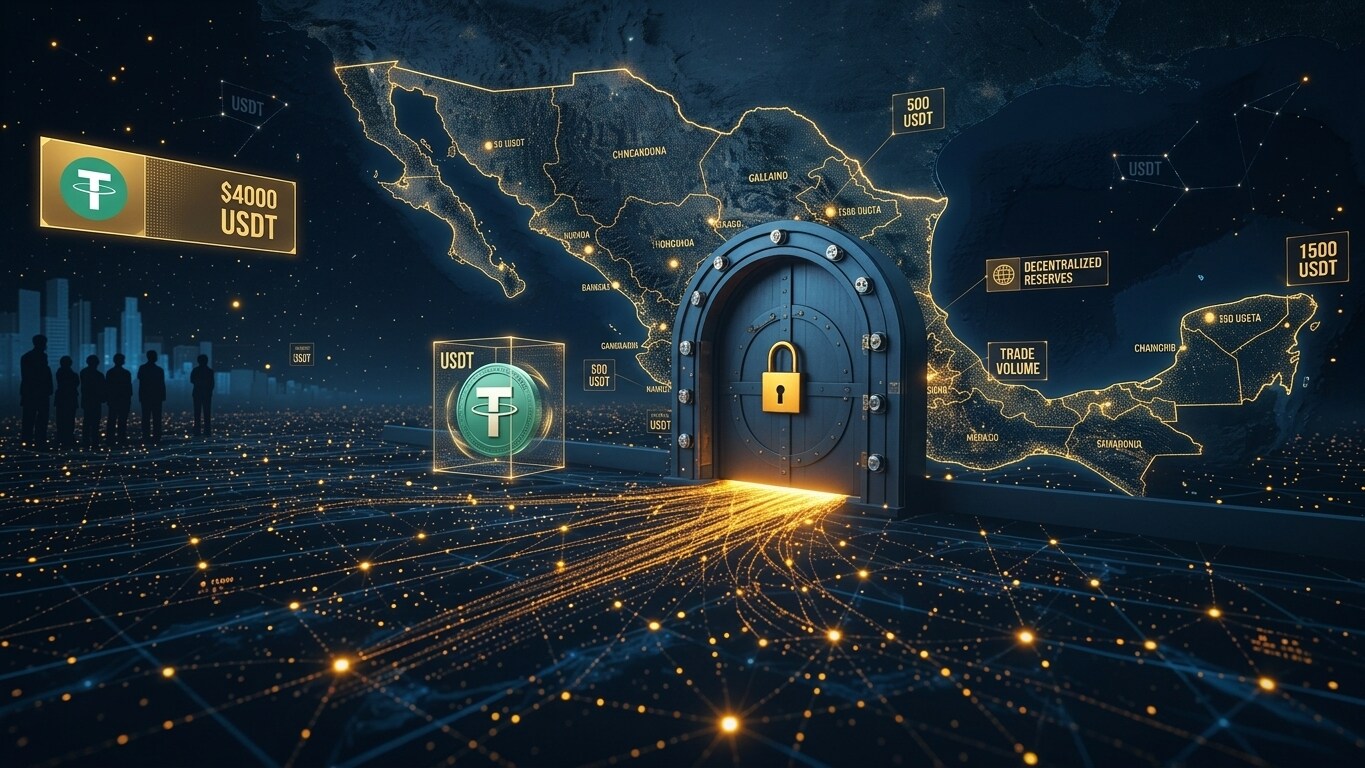
USDT's StableFund May Face Regulatory Maze in Mexico
Why it matters: It shows how the lack of stablecoin regulation is holding back the launch of crypto lending products in emerging markets.
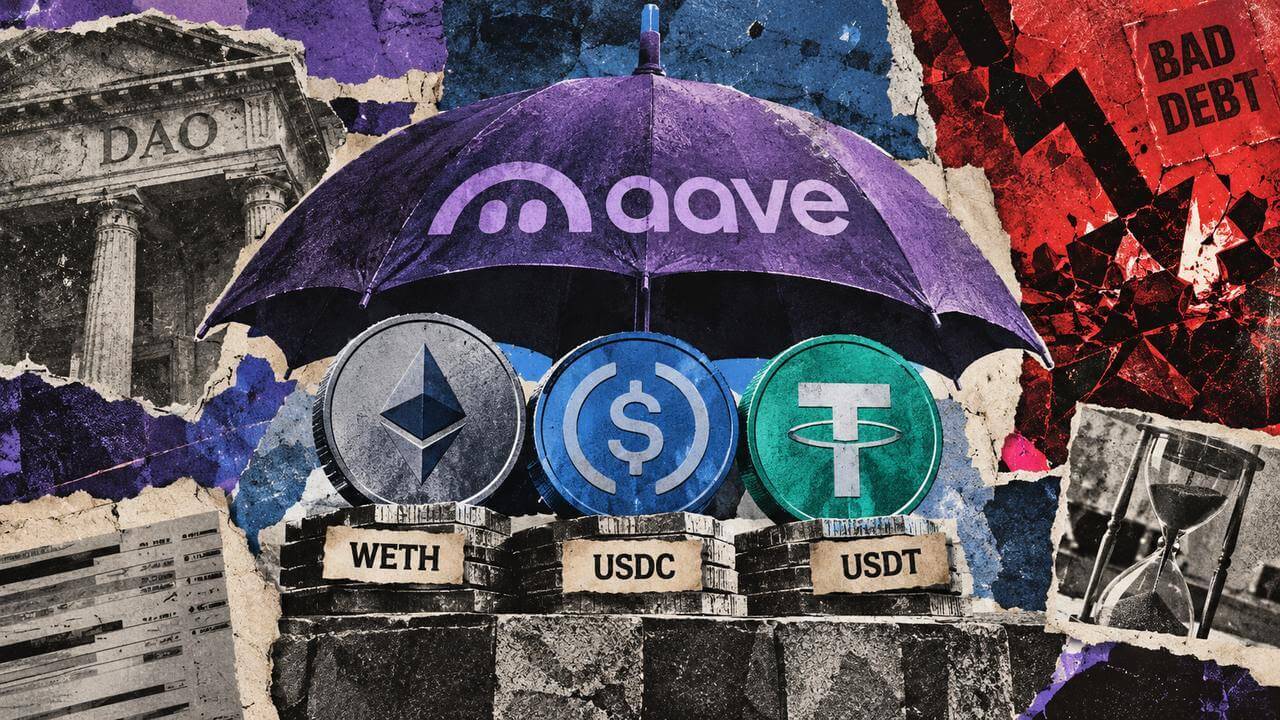
Aave V4: DAO to Cover First Layer of Bad Debt in WETH, USDC, USDT
Why it matters: The mechanism shifts bad debt risk from liquidity providers to the DAO and underwriters, changing the risk model of the largest DeFi lending protocol.

Ripple's RLUSD hits record $2.44B market cap, growth driven by Ethereum
Why it matters: RLUSD's growth intensifies competition in the stablecoin segment, and the shift of issuance to Ethereum shows institutional demand outside the XRP ecosystem.
Trader loses $2.1M USDT after partner's Telegram account hacked
Why it matters: The case shows that social engineering via hacked accounts remains a primary vector for crypto theft, while Tether's freeze partially recovers funds.
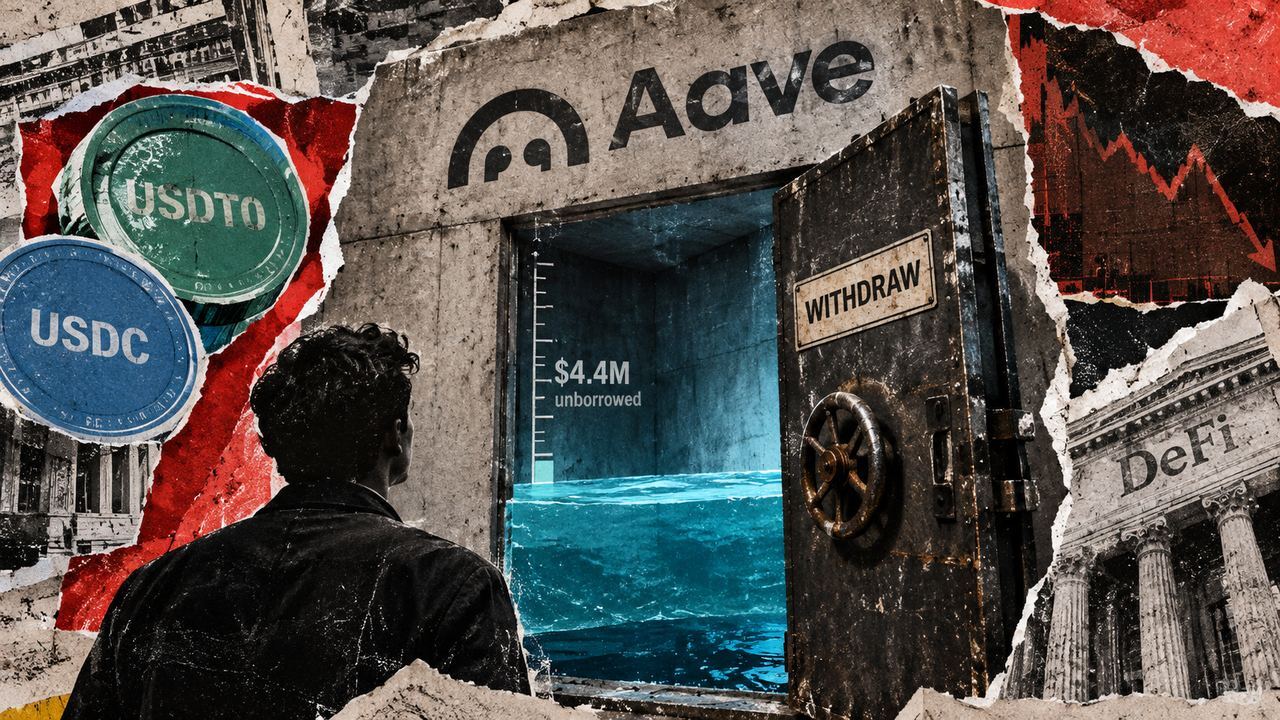
Aave USDT0 pool on Monad: only $4.4M of $55.9M available
Why it matters: The high rate may reflect shrinking free liquidity rather than rising demand, increasing the risk of withdrawal delays for large depositors.

Venezuela Prepares Dollarization Bill Amid 356–500% Inflation
Why it matters: Official dollarization could compete with USDT in the country, but for now it is only a private draft with no legal status.

Argentina's SIPA Pension System Database Offered for Sale on Dark Web
Why it matters: If the leak is real, mass phishing attacks and identity theft targeting pensioners are possible; the data is not yet verified.

WTO: stablecoins account for just 3% of cross-border payments as 61% of countries lack laws
Why it matters: Regulatory fragmentation is holding back stablecoin growth in settlements, and harmonizing rules could accelerate their adoption in trade and money transfers.
CryptoQuant: BTC reserves on Binance at 2024 highs ahead of FOMC
Why it matters: Rising exchange reserves are not necessarily a bearish signal: in 2024, a similar level preceded a BTC rally above $120,000.
Wallet moves 3,333 ETH worth $8.4M to OKX and withdraws $5.92M in USDT
Why it matters: Large ETH transfers to exchanges followed by stablecoin withdrawals often signal profit-taking and pressure on the price.

31.46 million USDT withdrawn from Binance in one hour
Why it matters: A short-term stablecoin outflow from an exchange may signal lower trading activity, but it needs confirmation from other data.
Ripple's RLUSD becomes third-fastest-growing stablecoin of 2026
Why it matters: RLUSD's growth strengthens Ripple's position in the stablecoin segment, but it needs another $390 million to overtake PYUSD.

Solana Foundation: Stablecoin Remittance Fees Fall from 6.49% to Near Zero
Why it matters: Stablecoins are vying for the hundreds-of-billions-dollar remittance market, boosting demand for networks like Solana and Stellar.

Ethereum token approval revocations fall to 0.52 cents
Why it matters: Cheap gas lowers the barrier to revoking old approvals, reducing the risk of losing funds if contracts are compromised.
Binance adds trading pair for tokenized CEA Industries shares (BNCB)
Why it matters: Expanding tokenized stock offerings on the largest exchange intensifies competition in the segment and could attract new institutional participants.

Hong Kong resident loses HK$13M in fake crypto app scam
Why it matters: The rise in crypto scams using fake apps increases pressure on regulators and on the reputation of stablecoins such as USDT.

Hong Kong pensioner loses $1.7M in fake crypto app scam
Why it matters: The rise in crypto scams using fake apps is increasing pressure on regulators and risks for retail investors.
Elderly Hong Kong resident loses over HK$13 million in crypto scam
Why it matters: Rising crypto fraud undermines trust in the industry and increases pressure on regulators in Asia.
$153.55 million in leveraged positions liquidated in 24 hours, 76% longs
Why it matters: The predominance of long liquidations and outflows from BTC ETFs point to trader caution ahead of the Fed's rate decision.