Tether (USDT) news

US Treasury proposes 'orderly' stablecoin redemption under GENIUS Act, diverging from MiCA
Why it matters: Different redemption and reserve rules create two separate liquidity pools for USDC and USDT, which could lengthen redemption times during stress.

Taiwan marketing firm received USDT for advertising scam schemes
Why it matters: The scheme shows how USDT is used to launder proceeds from advertising fraud, increasing pressure on crypto payment regulation.

KuCoin launches RWA strategies with USDT access
Why it matters: It expands the use of USDT within the exchange and intensifies competition for institutional capital in the RWA product segment.
Binance Card in Brazil: user base up 53%, spending up 80%
Why it matters: Growth in crypto card payments shows expanding real-world use of digital assets in everyday transactions.

White House prepares tools to back CLARITY Act on stablecoins
Why it matters: The outcome of the stablecoin yield dispute will shape the rules for USDT, USDC and the U.S. banking sector.

MEXC: bitcoin reserve rose to 297% in September
Why it matters: Rising reserves reduce risks for the exchange's clients, but official data and the Hacken report have not yet been confirmed.

Thailand's SEC: crypto trading turnover rose to 1.66 billion baht per day in August
Why it matters: Rising activity in Thailand points to a recovery in Asian retail demand, though turnover remains below levels seen two years ago.
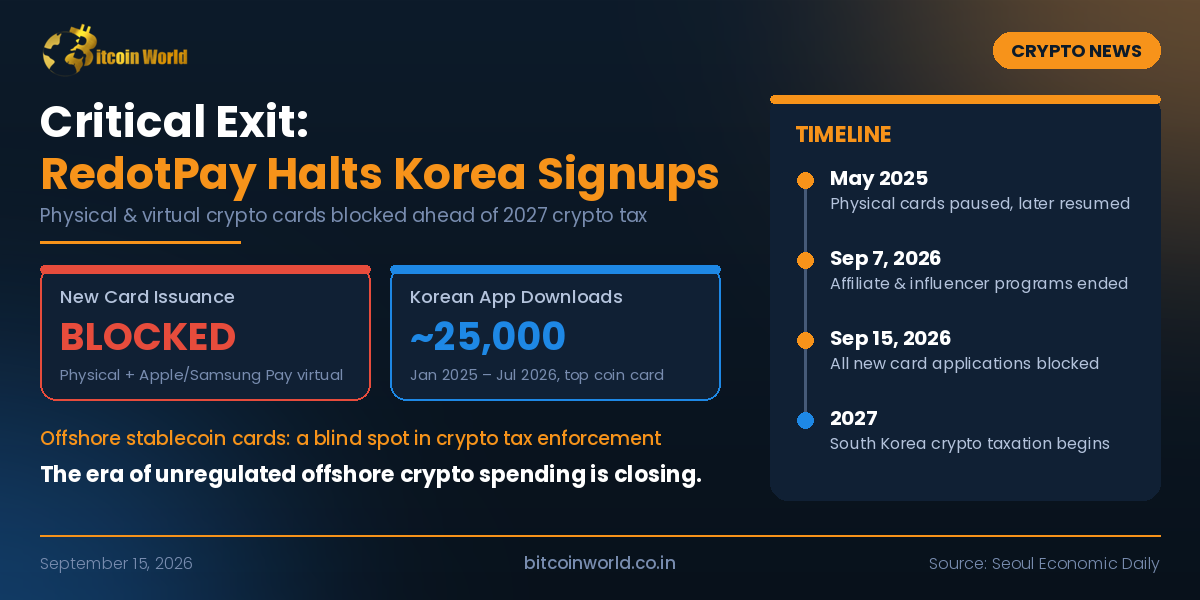
RedotPay Halts Crypto Card Issuance in South Korea Ahead of Crypto Tax
Why it matters: Offshore stablecoin cards are losing access to the Korean market, increasing pressure on users to seek local regulated alternatives.

Ripple's David Schwartz Admits Developers Erred on Stablecoin Design
Why it matters: The debate touches on stablecoin UX and interoperability — a key barrier to mass crypto payments.

South Korea's tax agency: off-exchange cash deals will remain outside crypto taxation
Why it matters: Gaps in covering off-chain transactions could undermine the fairness of the tax and accelerate the shift of trading into the shadow segment.
Ex-CCB Asia manager admits taking $470K USDT bribe
Why it matters: The case shows cryptocurrency is increasingly used for corrupt payments in Asia's traditional banking sector.

WTO: stablecoin transfers up 35-fold, but regulators lag behind
Why it matters: Institutional stablecoin adoption is constrained by fragmented regulation rather than technology — a key risk for market growth.

Aave V4 proposal would introduce 800 ETH Umbrella loss protection
Why it matters: The new mechanism shifts bad-debt risk onto capital providers, changing the risk profile for Aave V4 lenders.

TrueMoney launches Fireblocks wallet for Thai stablecoin THBT
Why it matters: A major Southeast Asian payments service is embedding stablecoin infrastructure into a mass-market app, broadening real-world use of digital currencies.
CoinEx to shut down and liquidate by December 22
Why it matters: Another exchange closure amid a weak market adds pressure on altcoins and trust in small CEXs.

Tokenized assets exceed $38 billion, main challenge is liquidity and collateral
Why it matters: Growth in tokenization without liquidity and collateral functionality risks fragmenting capital and slowing institutional adoption of RWAs.

Circle and Tether benefit from growth of stablecoin neobanks
Why it matters: The growth of neobanks strengthens demand for USDC and USDT, while regulatory steps by Circle and Tether cement their dominance in the payments market.

0x: More than half of Uniswap v4 hooks found to be malicious
Why it matters: The findings expose loss risks for aggregator and wallet users swapping on Uniswap v4, making pool quality control essential for aggregators.

USDC tops $100 trillion in cumulative onchain transaction volume
Why it matters: USDC has cemented its role as DeFi's main unit of account, but 95% of Circle's revenue depends on interest rates on reserves.
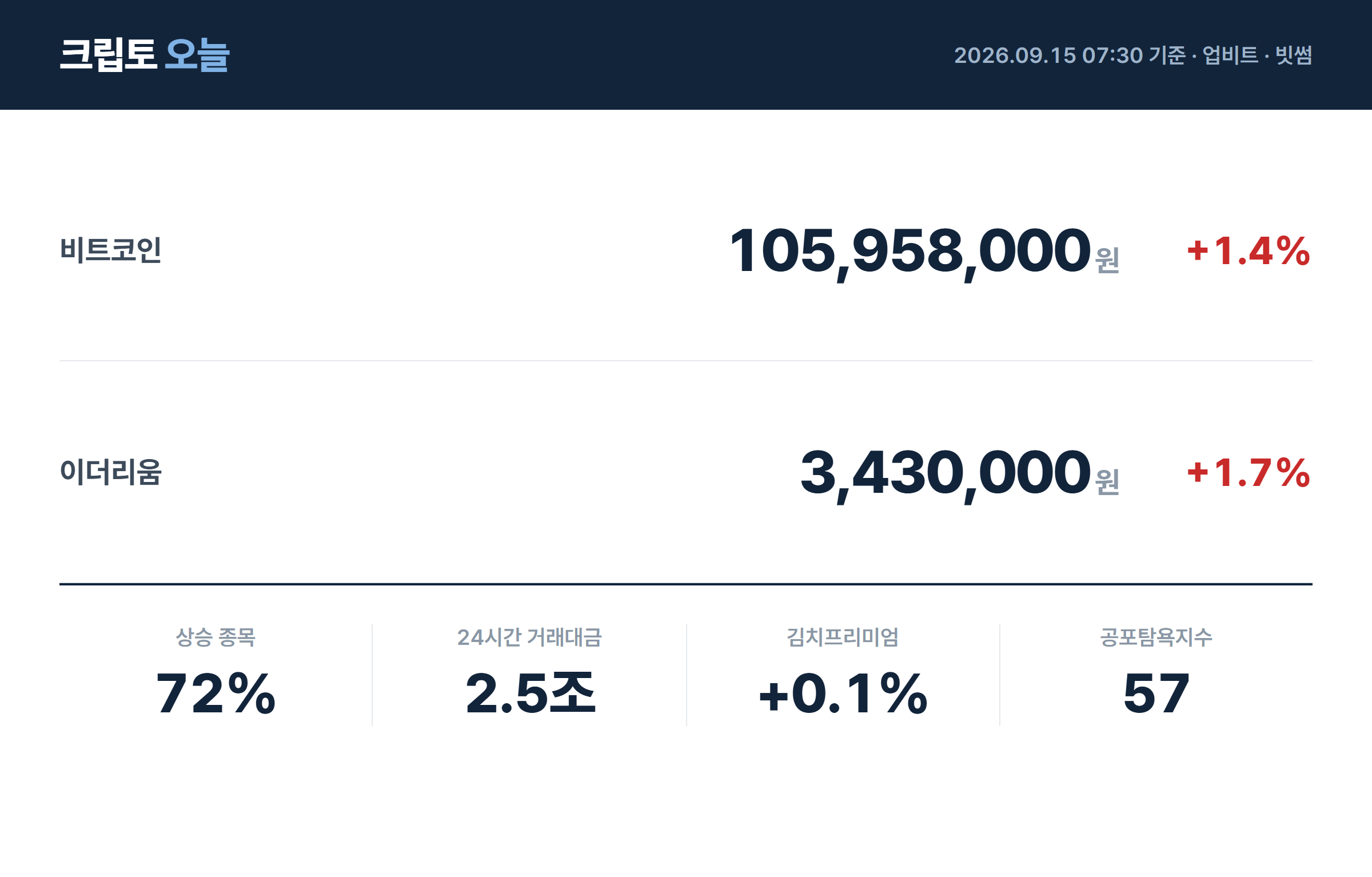
Bitcoin at $77,000: 72% of Korean altcoins gain, $380 million liquidated
Why it matters: The Fear and Greed Index fell from 61 to 57, and the kimchi premium dropped to +0.1% — Korean retail demand is cooling.