Tether (USDT) news

Aave proposes raising GHO borrow rate on Horizon to 3.25%
Why it matters: The changes are intended to bring GHO back to its $1 peg by reducing incentives for leveraged loops and selling pressure on the stablecoin.

India reforms ED: 18-month investigations and a stronger fight against crypto crime
Why it matters: Stronger crypto analytics in India raises risks for illegal schemes and sets a benchmark for regulators in other countries.
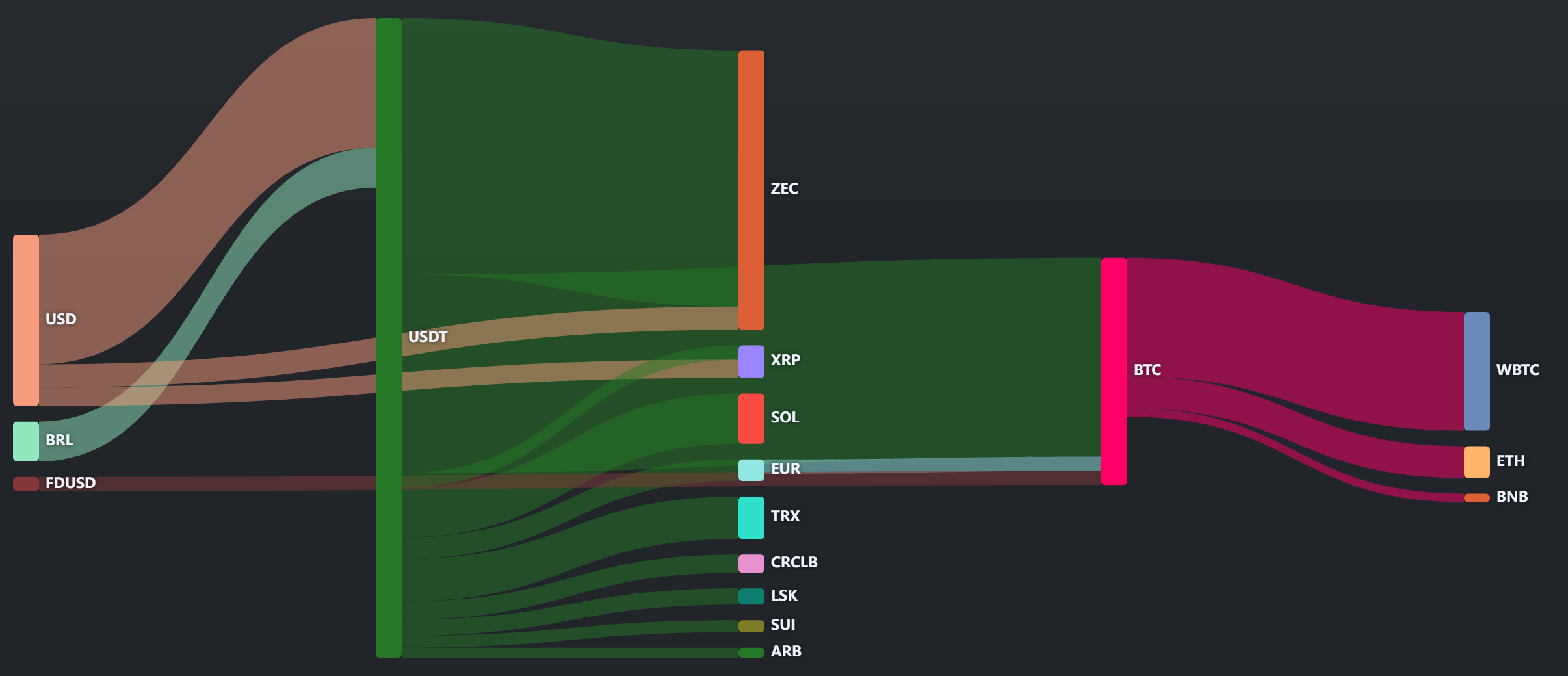
Ethereum sees $53.66M outflow in 5 hours, Zcash leads inflows with $21M
Why it matters: The large outflow from ETH alongside inflows into ZEC and BTC points to capital rotation in favor of privacy coins and bitcoin.

Bitget: cumulative rToken tokenized stock trading volume tops 4 million trades
Why it matters: The growth in trades and instruments shows demand for tokenized stocks on CEXs, intensifying competition with Robinhood and Binance.

FT: Orlen's failed $230 million Venezuela oil deal ran through USDT
Why it matters: The case shows how USDT is used to circumvent sanctions in large commodity deals, increasing regulatory pressure on stablecoins.

Allium: stablecoin supply reached $303 billion in August
Why it matters: Growth in payments and B2B settlements confirms stablecoins' shift from a speculative instrument to real payment infrastructure.

Poland charges three ex-Orlen managers over $378M oil deals
Why it matters: The case shows how stablecoins are used to circumvent sanctions and why USDT settlements do not eliminate counterparty risk.
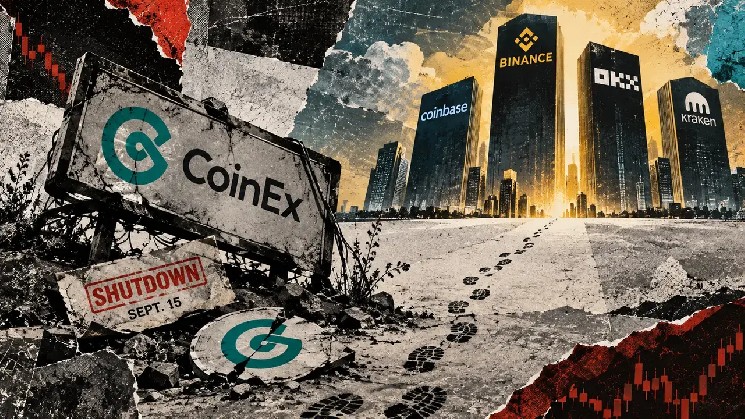
CoinEx to shut down after 9 years on falling revenue, rising compliance costs
Why it matters: The exit of CoinEx, BitMEX and AscendEX deepens liquidity concentration on the top five exchanges and pressures smaller players.

Stablecoins return to exchanges after months of outflows
Why it matters: A growing stock of stablecoins on exchanges may indicate capital is ready to buy crypto, supporting bitcoin.

Erebor Bank limits free stablecoin-to-fiat conversion
Why it matters: A major crypto bank is adjusting its monetization model, setting the tone for other players in the stablecoin market.

Analyst: stablecoins create demand for US Treasuries and strengthen the dollar
Why it matters: The argument links stablecoin regulation to the resilience of the US Treasury market and the dollar's position against the yuan.

Bank of England official: stablecoin growth will strengthen dollar dominance
Why it matters: The growth of stablecoins strengthens demand for US Treasuries, which supports the dollar and influences digital asset regulation.

OFAC sanctions Xinbi Guarantee and freezes $52.8 million in USDT
Why it matters: Growing sanctions pressure on USDT wallets raises compliance risks for exchanges and stablecoin holders.

Russia bans crypto payments domestically but allows them for international settlements
Why it matters: Russia is building a two-track model: crypto for external settlements to bypass sanctions, and the digital ruble for domestic control.

USDT launched on Zama: confidential stablecoin volume tops $131M
Why it matters: Confidential stablecoins could attract institutional capital by hiding amounts and balances from the public blockchain.

US banks seek stablecoin yield limits ahead of CLARITY Act vote
Why it matters: The outcome of the dispute will determine whether stablecoins can compete with bank deposits and how the market will be structured after the CLARITY Act.

Rupiah stablecoin IDRX launches on Celo
Why it matters: It expands onchain FX and remittances in Indonesia, where inbound remittance volume reached $17.6 billion in 2025.

KyberSwap adds support for Reality's tokenized stock rTokens
Why it matters: The growth of tokenized stocks expands on-chain access to traditional assets and intensifies competition among DEX aggregators for this segment.

Kazakhstan prepares stablecoins for trade and USDT and USDC analogues
Why it matters: Kazakhstan is creating a regulated alternative to USDT and USDC and a settlement hub with Binance, intensifying competition for the stablecoin market in Central Asia.

BIS: Bitcoin Transaction Volume Can Vary Up to 6x Depending on Counting Method
Why it matters: On-chain metrics relied upon by traders and analysts may distort actual network and stablecoin activity, leading to erroneous conclusions about demand.