Tether (USDT) news

Hyundai Card plans to scale Avalanche payments after pilot
Why it matters: A successful pilot by a major automaker could accelerate stablecoin adoption in corporate settlements and boost demand for the Avalanche network.

Tether becomes major gold lender with $1.5 billion Gold.com financing
Why it matters: Tether is expanding the use of USDT reserves into physical gold, becoming a significant player in the precious metals market.

US bank Column launches stablecoin rails with Solana as default
Why it matters: A federally licensed bank embedding stablecoins into its core accelerates their adoption in payments and competition with BVNK and Marqeta.

US Treasury gathers banks to combat Iranian crypto flows
Why it matters: Stablecoin issuers and crypto infrastructure have for the first time been systematically classified as sanctions risks, threatening new restrictions and checks.

Kraken adds USDCx deposits and withdrawals on Aleo network
Why it matters: It expands access to private stablecoins and the Aleo network through one of the largest exchanges.

Russian intelligence recruits Europeans via Telegram and crypto
Why it matters: The scheme shows how crypto is used to anonymously pay for violence, increasing pressure to regulate stablecoins and Telegram.

Bitget discloses reserves for 45th straight month with 122% ratio
Why it matters: The report confirms Bitget's regular disclosures, but PoR still does not provide a full picture of the exchange's financial condition.

BoE FPC member: mass stablecoin redemptions could hit the US Treasury market
Why it matters: Stablecoins have become a major holder of US government debt, and a wave of redemptions could amplify volatility in the Treasuries market.
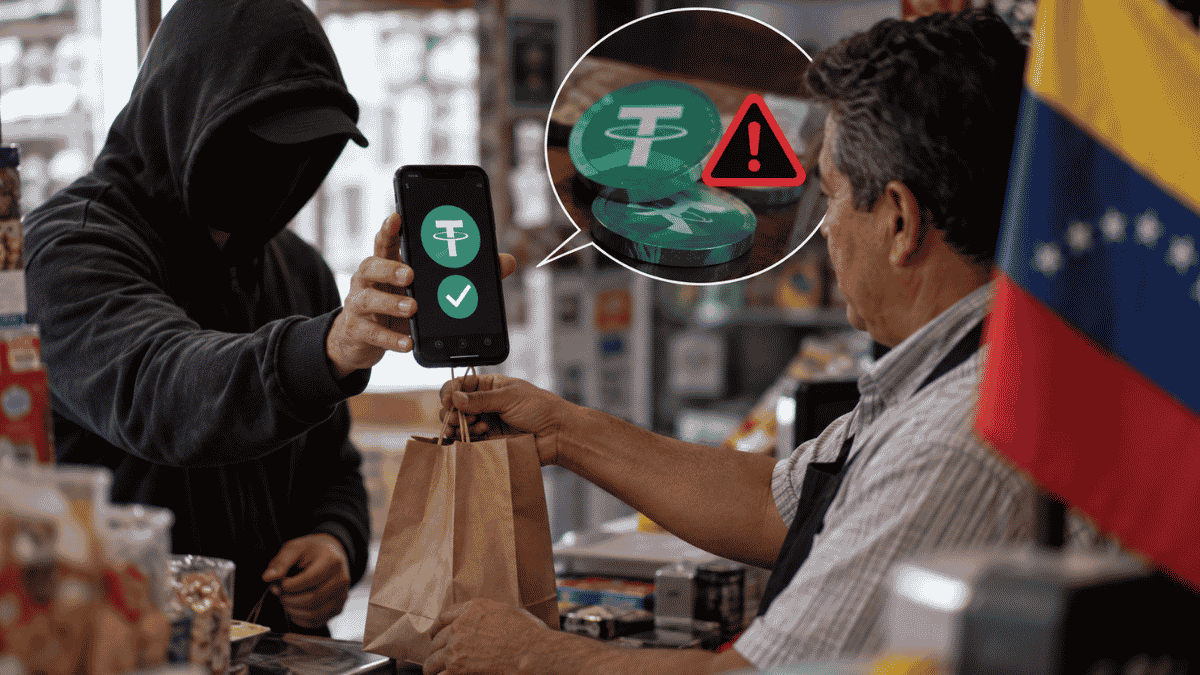
In Venezuela, scammers trick stores with fake "USDT" tokens
Why it matters: The scheme undermines trust in crypto payments in Venezuela, where USDT is widely used as a dollar substitute.
Flamingo Finance attacked via Morpho flash loan, hacker made $345,900
Why it matters: Another exploit via manipulation of a vault share price is a reminder of the risks in DeFi protocols that use flash loans.

SparkLend TVL jumps 55% to $7.4B as protocol shuts Gnosis Chain deployment
Why it matters: SparkLend is cementing its place among the three largest DeFi lending protocols, concentrating liquidity on Ethereum and within the Sky ecosystem.

100 million USDT transferred to Bybit from unknown wallet
Why it matters: An inflow of stablecoins to an exchange may signal a large player's readiness to buy assets.

Aave Labs plans tokenized-asset lending market on Avalanche with USA₮
Why it matters: Isolated markets for tokenized collateral could attract institutions without putting Aave's main pool at risk.

Bank of Russia sends draft rules to Justice Ministry to launch crypto regulation
Why it matters: A legal framework for Russia's crypto market is taking shape: licensed intermediaries and their capital requirements are being defined.

JPMorgan doubts institutional stablecoin demand, Tether CEO responds with mockery
Why it matters: The dispute reflects the rift between TradFi and the crypto industry over institutional stablecoin demand, which shapes market growth forecasts.

MEXC freezes $38.7M in USDT and boosts insurance fund to $791.7M
Why it matters: Rising freezes and a larger insurance fund reduce ADL and trader loss risks, but the data is based on the exchange's own reporting.

Taiwan uncovers $1.9 million crypto fraud scheme with 46 victims
Why it matters: The case shows that crypto fraud through fake apps and influencers remains a mass risk for retail investors.

Six Jailed in Singapore Over S$4.9M Poker Game Robbery
Why it matters: The case highlights the rise in physical attacks to force crypto transfers and the difficulty of recovering stolen digital assets.

Aave proposes raising GHO borrow rate on Horizon to 3.25%
Why it matters: The changes are intended to bring GHO back to its $1 peg by reducing incentives for leveraged loops and selling pressure on the stablecoin.

India reforms ED: 18-month investigations and a stronger fight against crypto crime
Why it matters: Stronger crypto analytics in India raises risks for illegal schemes and sets a benchmark for regulators in other countries.