Tether (USDT) news

Dudley: Fed's 0.25 pp rate hike is too little
Why it matters: A longer tightening cycle weighs on risk assets including bitcoin, but boosts revenues for stablecoin issuers.

Stable.com taps Polygon OMS for stablecoin transfers to banks in 180 countries
Why it matters: It expands banking rails for stablecoins and could increase on-chain activity on Polygon.

Galaxy Curation launches two Kamino vaults on Solana
Why it matters: The arrival of institutional curator Galaxy on Solana intensifies competition in managed DeFi yield and draws capital into the Kamino ecosystem.
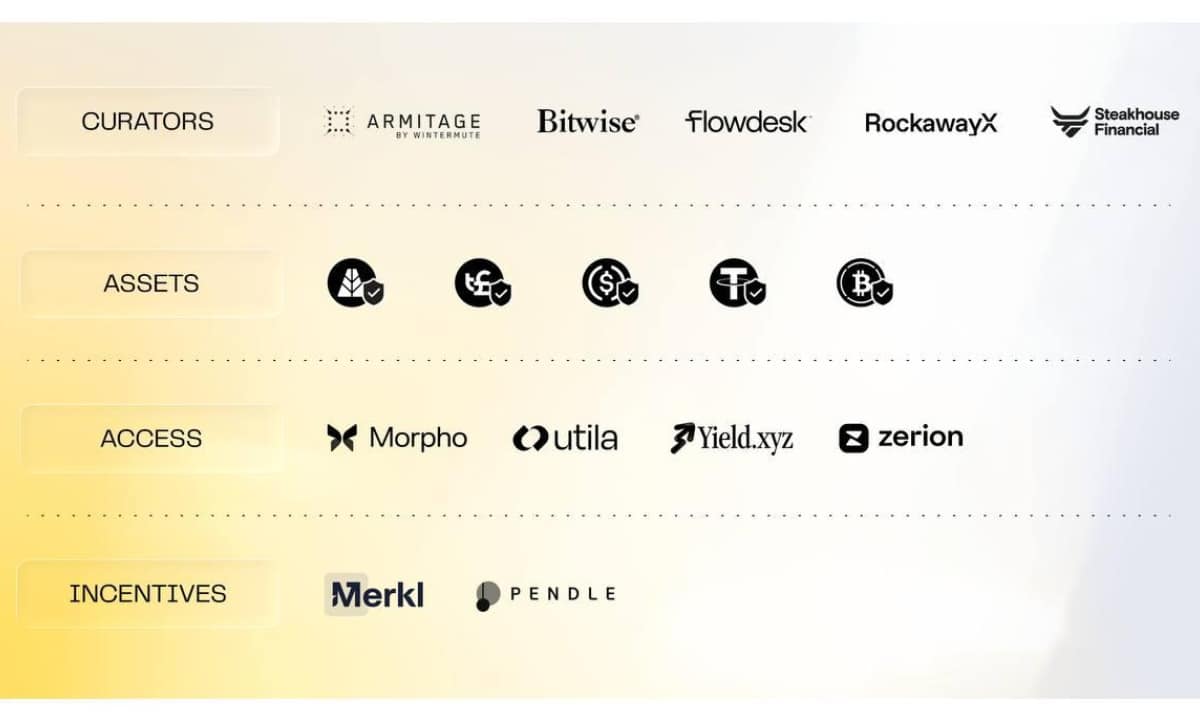
Zama expands confidential access to DeFi yield through Morpho
Why it matters: Confidential yield on existing DeFi infrastructure could remove a barrier for institutional capital onchain.
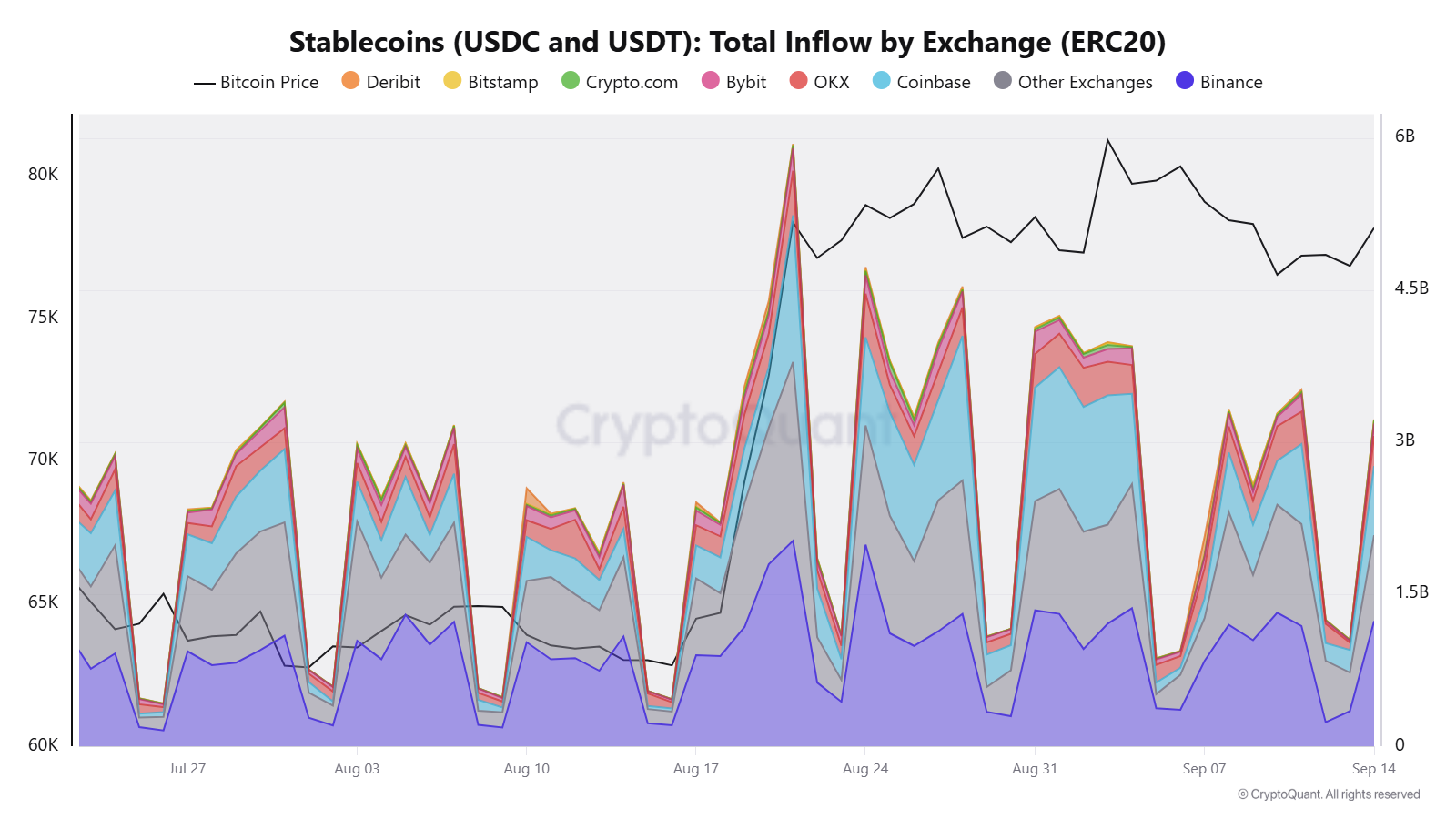
Binance sees $1.235 billion stablecoin inflow in a day as outflows from other exchanges accelerate
Why it matters: Stablecoin inflows to Binance signal continued purchasing power on the largest exchange, while outflows from Coinbase point to weakening US demand.
Bitget expands Proof of Reserves from 4 to 19 assets
Why it matters: Expanding PoR improves exchange transparency and allows more clients to independently verify the backing of their funds.
Ex-CCB Asia Manager Pleads Guilty to $470K USDT Bribe Over $1.6B in Fake Documents
Why it matters: The case shows USDT being used in corruption schemes, increasing pressure on banks and regulators over AML.
Binance: Uzbekistan Needs Education and Simple Products to Grow Crypto Market
Why it matters: The study shows the growth potential of the crypto market in Central Asia through stablecoins and transfers rather than speculation.

Thailand Ranks 7th in Henley Crypto Adoption Index 2026
Why it matters: The ranking reflects growing competition among jurisdictions for crypto capital and institutional investors.
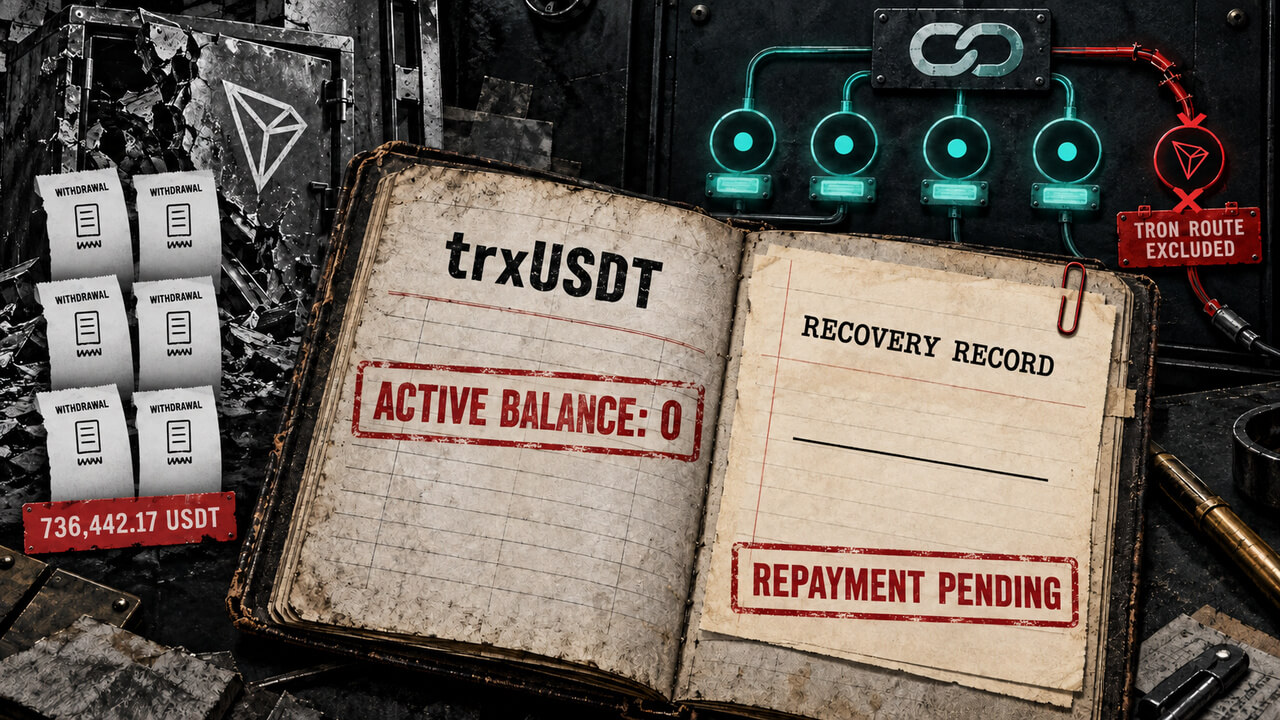
Chainflip to Zero Out TRON USDT Provider Balances After $736K Exploit
Why it matters: Liquidity providers on the TRON/USDT route remain without payouts, and the timing and source of compensation are unspecified.
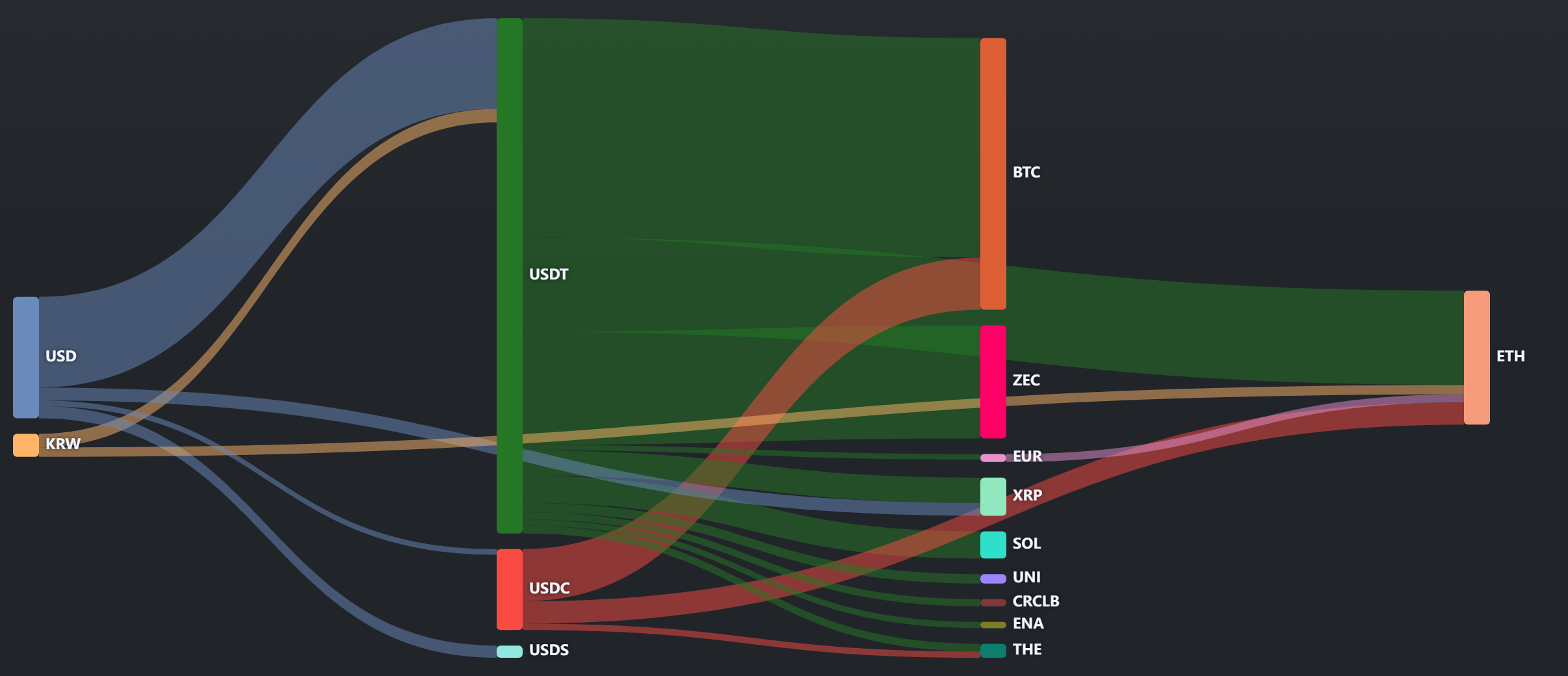
Crypto inflows hit $48.5M in 5 hours, with BTC leading and U second in outflows
Why it matters: Flow data shows where capital is moving within the market and which assets are losing support.

Upbit lists JPYC stablecoin with first Korean won pair
Why it matters: A new demand channel from Korea could halt the contraction in JPYC issuance and accelerate the stablecoin's minting.

Binance releases 46th Proof of Reserves report: BTC balances up 3.92%
Why it matters: Rising BTC and ETH balances point to an inflow of assets to the largest exchange, while the USDT outflow may signal lower trading activity.

CEA: stablecoin yield ban would barely affect bank lending
Why it matters: The outcome will determine whether exchanges can pay yield on stablecoins, affecting USDC/USDT competition with bank deposits.

KuCoin suspends USDT deposits on Optimism network
Why it matters: The restriction affects only USDT deposits via Optimism; withdrawals and trading are unaffected.
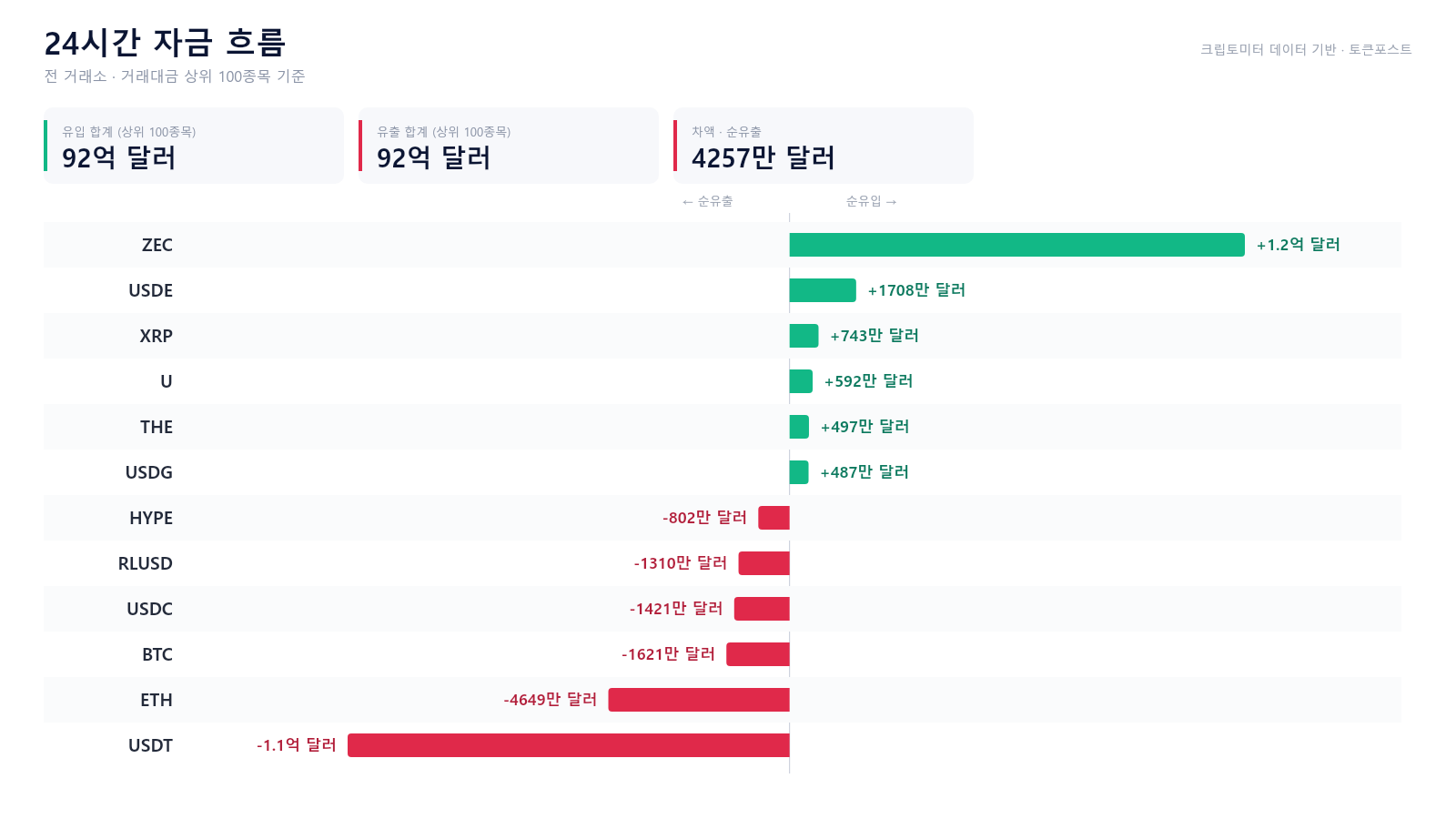
USDT loses $113 million in a day, ZEC draws $117 million in inflows
Why it matters: Outflows from stablecoins and ETH alongside inflows into ZEC point to capital rotating into privacy assets.

Column launches four products for stablecoins and dollar payments
Why it matters: Expands banking infrastructure for stablecoins, accelerating their integration into traditional payments.

Column integrates USDC and USDT into core banking platform
Why it matters: Growing banking infrastructure for stablecoins increases real payment demand for USDC and USDT and intensifies competition in the card issuance segment.

Ethereum: 203.9M transactions in Q2, $147.3B in stablecoins
Why it matters: Transaction growth is not converting into network revenue and demand for ETH, which limits the token's upside potential.

Hyundai Card plans to scale Avalanche payments after pilot
Why it matters: A successful pilot by a major automaker could accelerate stablecoin adoption in corporate settlements and boost demand for the Avalanche network.