Tether (USDT) news
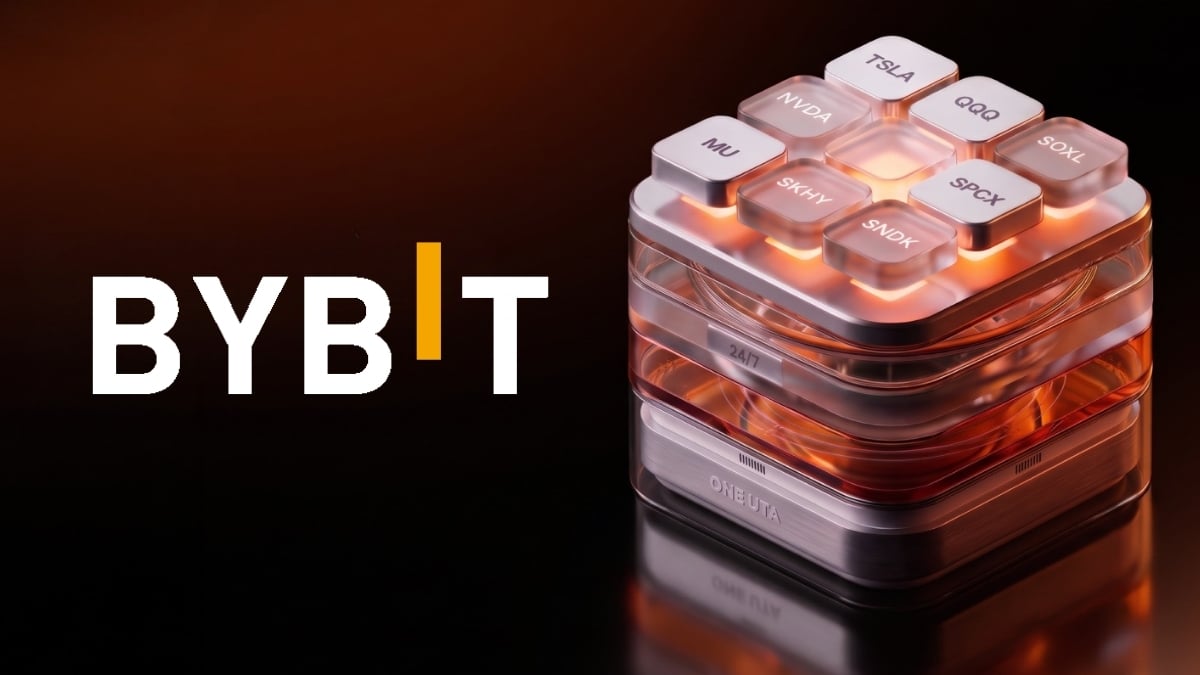
Bybit launches 24/7 Perp Options on SpaceX and Nvidia perpetuals
Why it matters: Exchanges are expanding synthetic equity exposure outside US market hours, intensifying competition with regulated options.

Russia's central bank to cap bank crypto exposure at 1% of capital
Why it matters: Russian banks are getting a hard cap on crypto exposure, which curbs institutional demand for digital assets inside the country.

Kazakhstan court sentences CVK crypto pyramid organizer to two years
Why it matters: The case shows regulators continue to pursue crypto pyramids, and USDT confiscation is becoming standard practice.

ECB: DeFi rates depend on monetary policy, but with a lag
Why it matters: DeFi is increasingly tied to traditional finance, but monetary policy transmission into it is slower and less predictable, which matters for assessing yield risks in stablecoin protocols.

Binance sees $155M net USDT inflow in 24 hours
Why it matters: Stablecoin inflows to exchanges are often read as readiness to buy, but a single metric cannot determine market direction.
Hyperliquid launches manual lending against HYPE and BTC collateral
Why it matters: It expands Hyperliquid's lending functionality and demand for HYPE as collateral, intensifying competition with DeFi protocols.

JPYC breaks yen parity after Upbit listing
Why it matters: The case shows that liquidity and bridges matter more than formal parity: even a fully backed stablecoin can drift when demand surges on a new exchange.

US Sanctions Iranian Exchange BitBank, Seeks Forfeiture of $61M in USDT
Why it matters: The USDT freeze shows that a centralized issuer remains a pressure lever, and exchanges with Middle East clients face tighter scrutiny.
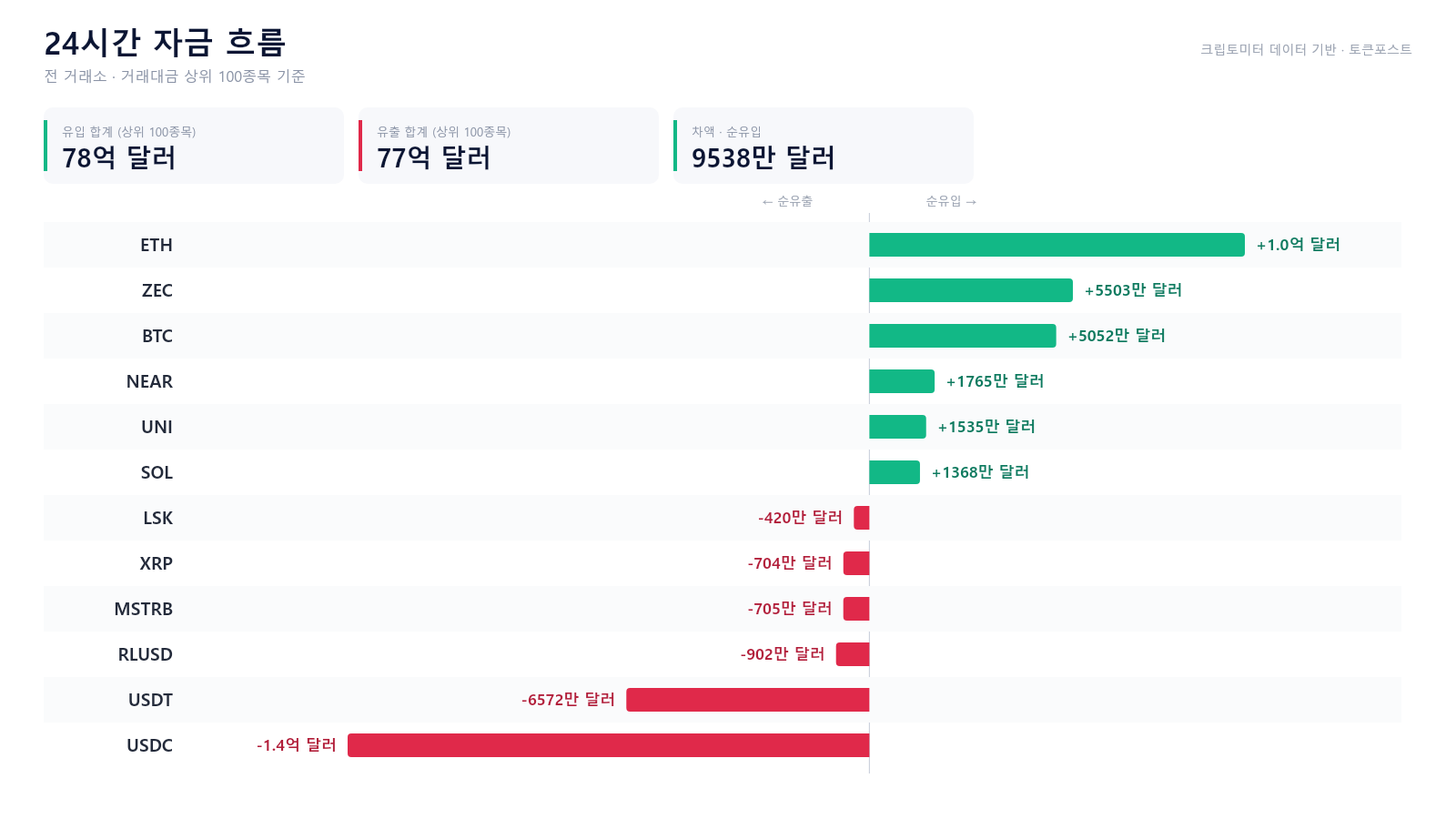
ETH Draws $102M Inflow, BTC $51M, as USDC and USDT See Outflows
Why it matters: Capital rotating out of stablecoins into ETH, BTC and ZEC points to rising risk appetite among large holders.
JPYC issuance tops 4.26B yen after Upbit listing as arbitrageurs double turnover
Why it matters: The case shows how a listing on a major exchange and a supply shortage on one network create arbitrage opportunities for stablecoins.

Stablecoin market cap holds near $311.2B as Plasma gains 13%
Why it matters: Growth in on-chain transfers and active addresses points to expanding real-world use of stablecoins even as their market cap stagnates.
Nostra on Starknet loses $3.5M in NSTR oracle manipulation
Why it matters: Another oracle exploit hits trust in DeFi protocols on Starknet and highlights the risk of price manipulation in low-liquidity tokens.

Banks accelerate stablecoin issuance: 21 financial institutions plan 2026 launch
Why it matters: Major banks entering the stablecoin market will intensify competition with Tether and Circle and accelerate institutional adoption of digital dollars.
South Korean firms conduct $620 million in stablecoin payments abroad
Why it matters: Without domestic regulation, the infrastructure and expertise of Korean companies are being anchored abroad, weakening the country's position in stablecoin settlements.

USDC's share on Solana falls to 44% as rival stablecoins grow
Why it matters: The growth of rival stablecoins reduces Solana's reliance on USDC but increases liquidity fragmentation and counterparty risks.
Grayscale: 25 bps Fed rate hike will not significantly impact crypto market
Why it matters: Higher rates boost stablecoin issuers' revenues, which could increase interest in USDC and USDT amid market uncertainty.
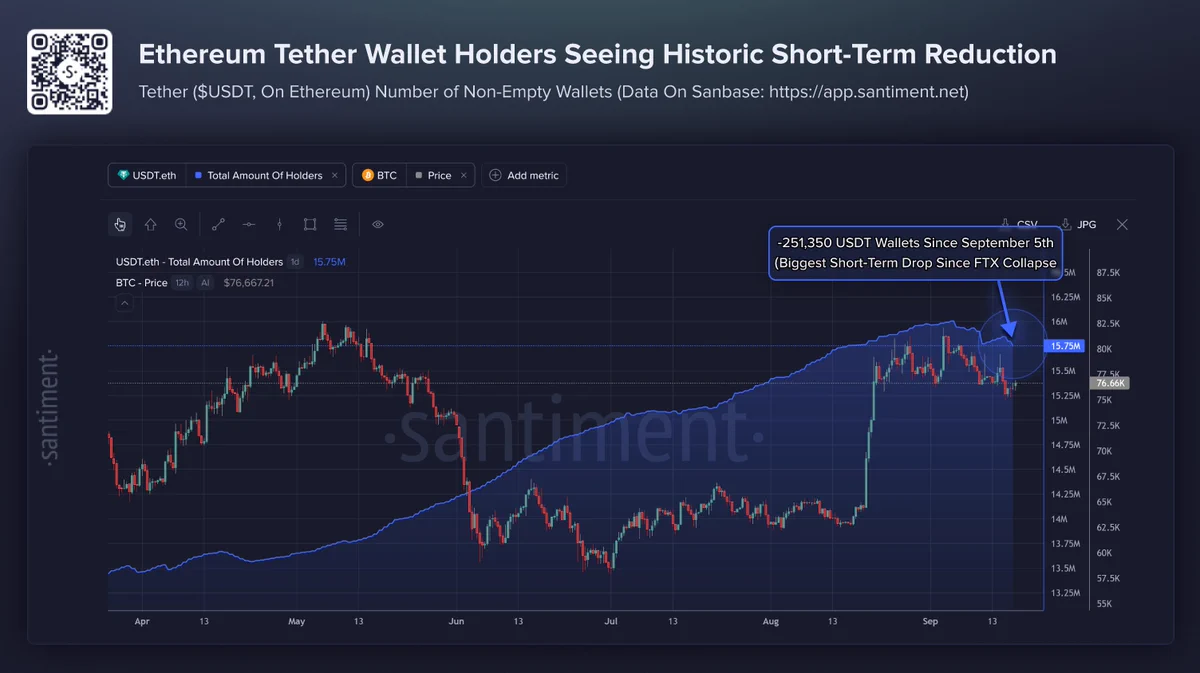
USDT wallets on Ethereum drop by 251K in 11 days
Why it matters: A sharp contraction in the wallet base could indicate a shift in USDT holders' behavior and a flow of activity to other networks.

Ducat integrates with TRON for USDT settlements via Bitcoin-backed token
Why it matters: A Bitcoin-backed stablecoin gains access to the largest USDT pool on TRON, expanding liquidity for BTC holders.

U.S. sanctions Iran's largest crypto exchanges, including Nobitex
Why it matters: Foreign exchanges risk secondary sanctions, while users of the platforms lose access to funds in the dollar financial system.
Latin American regulators discuss where to hold USDT and USDC reserves
Why it matters: Reserve custody rules will determine whether local banks and exchanges can work with USDT and USDC without restrictions.