Tether (USDT) news

CLARITY Act nearly banned crypto assets for officials, but spared adult children
Why it matters: The rule sets a template for future U.S. crypto laws: how to draw the line between an official's assets and those of their family.
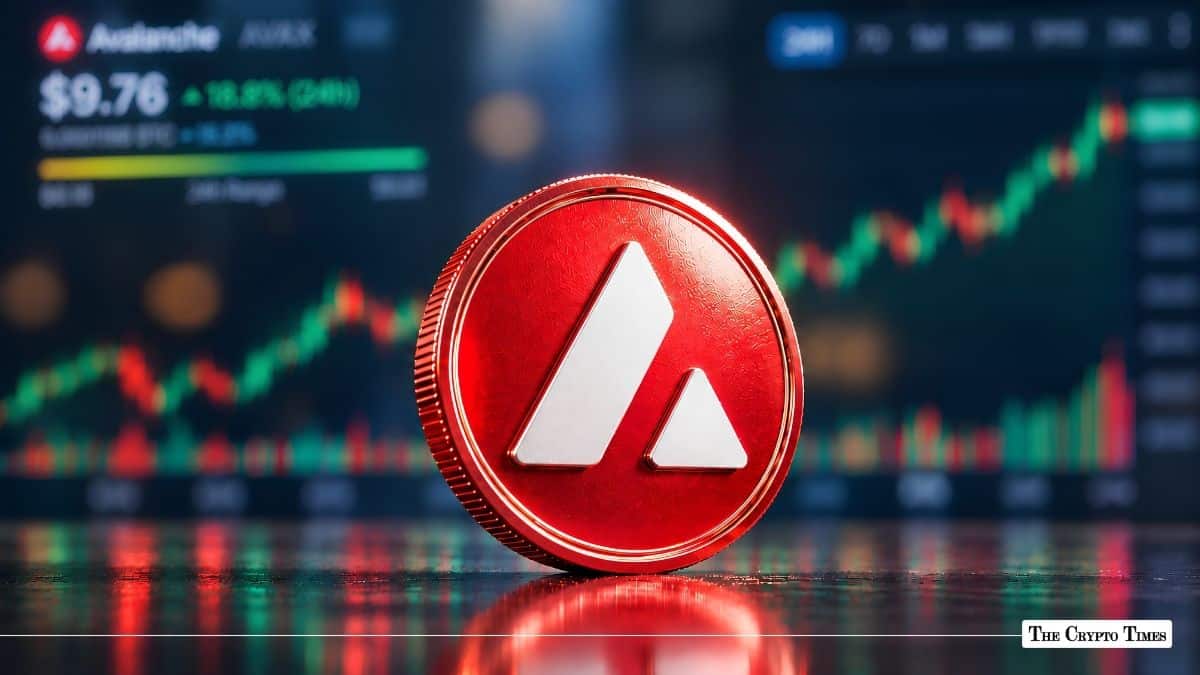
AVAX rises 19.7% to $9.76 on Avalanche tokenization push
Why it matters: An influx of institutional funds and RWA infrastructure strengthens Avalanche's position in the tokenization segment.

BitGo enables USDT acceptance at Toyota distributor in Bolivia
Why it matters: The case shows the growing everyday use of stablecoins in countries with dollar shortages, supporting demand for USDT.
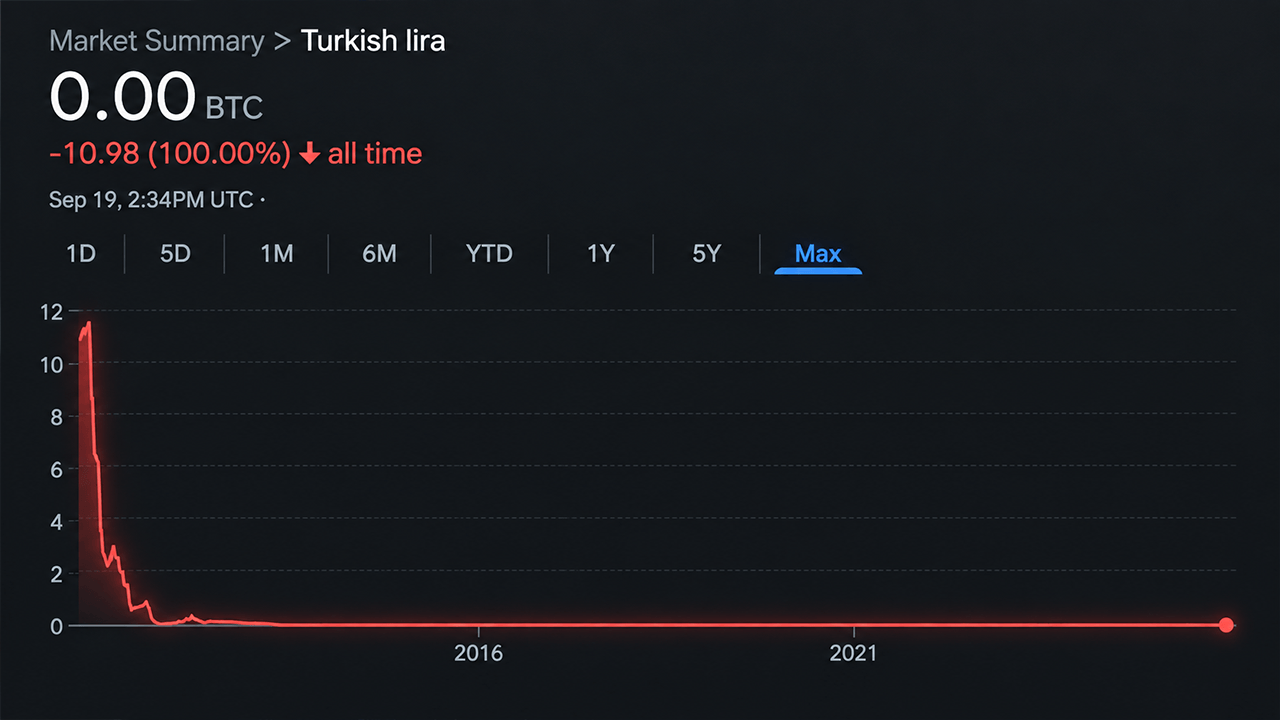
Bitcoin nears 4 million lira as lira hits record low on 31.5% inflation
Why it matters: The weak lira is boosting demand for bitcoin and USDT as a store of value in Turkey, supporting trading volumes in the local market.

Tether issues $500 million of USDT on Solana in under an hour
Why it matters: Large stablecoin issuances often precede a rise in trading and DeFi activity, signaling an inflow of liquidity into Solana.
White House: stablecoin yield ban would barely boost bank lending
Why it matters: The White House argument weakens the banks' position in the stablecoin yield debate, reducing the risk of restrictions for USDT and USDC holders.

As lira crisis deepens, bitcoin and gold become savings havens in Turkey
Why it matters: Growing demand for BTC and stablecoins in Turkey confirms the use case of crypto as a hedge against devaluation in high-inflation countries.
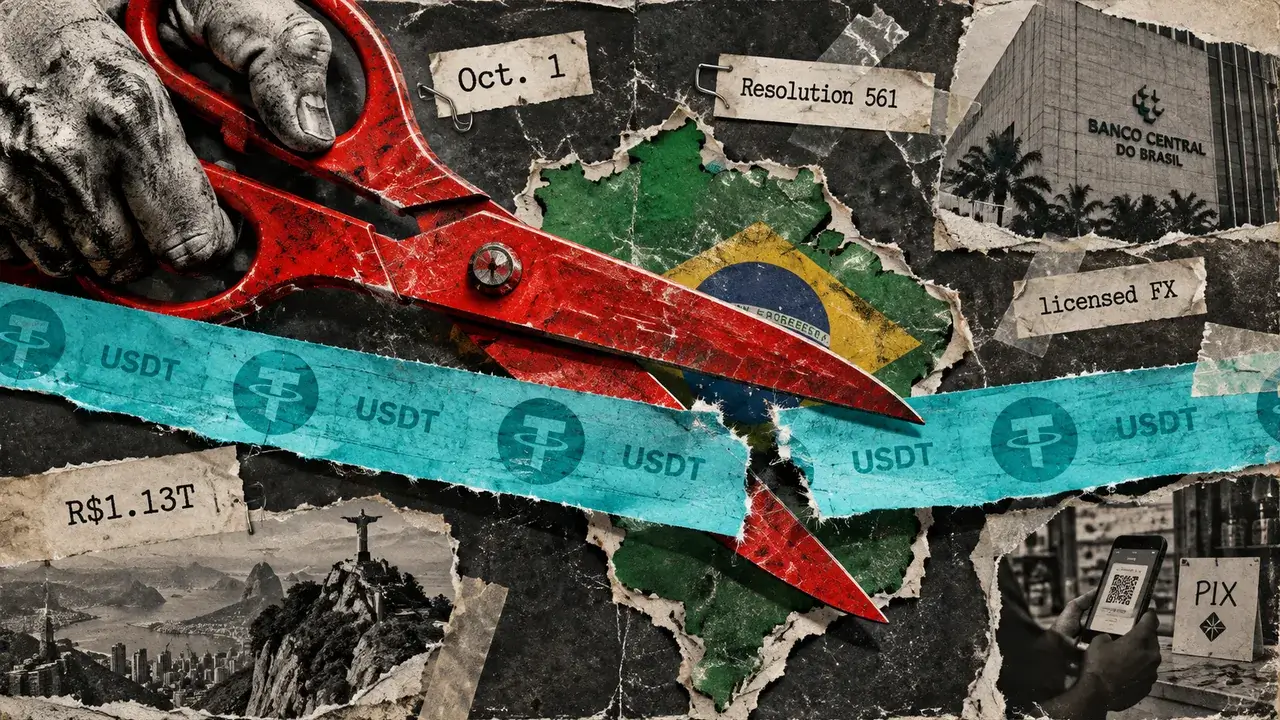
Brazil's Central Bank Bans Stablecoins in Cross-Border Payments from October 1
Why it matters: Brazil is closing a cheap stablecoin settlement channel, which could raise payment costs and increase regulatory pressure on the $1.1 trillion market.

Coinbase and Kraken file with CFTC for single-stock perpetuals, Binance launches 24/7 forex perpetuals
Why it matters: Perpetual futures on stocks and currencies expand crypto derivatives into traditional markets, intensifying competition among exchanges for institutional clients.

HYPE hits record $94.43 as Payward plans US on-chain perpetuals
Why it matters: The launch of on-chain perpetuals for the US could broaden institutional access to Hyperliquid, but the service is still only in the planning stage.
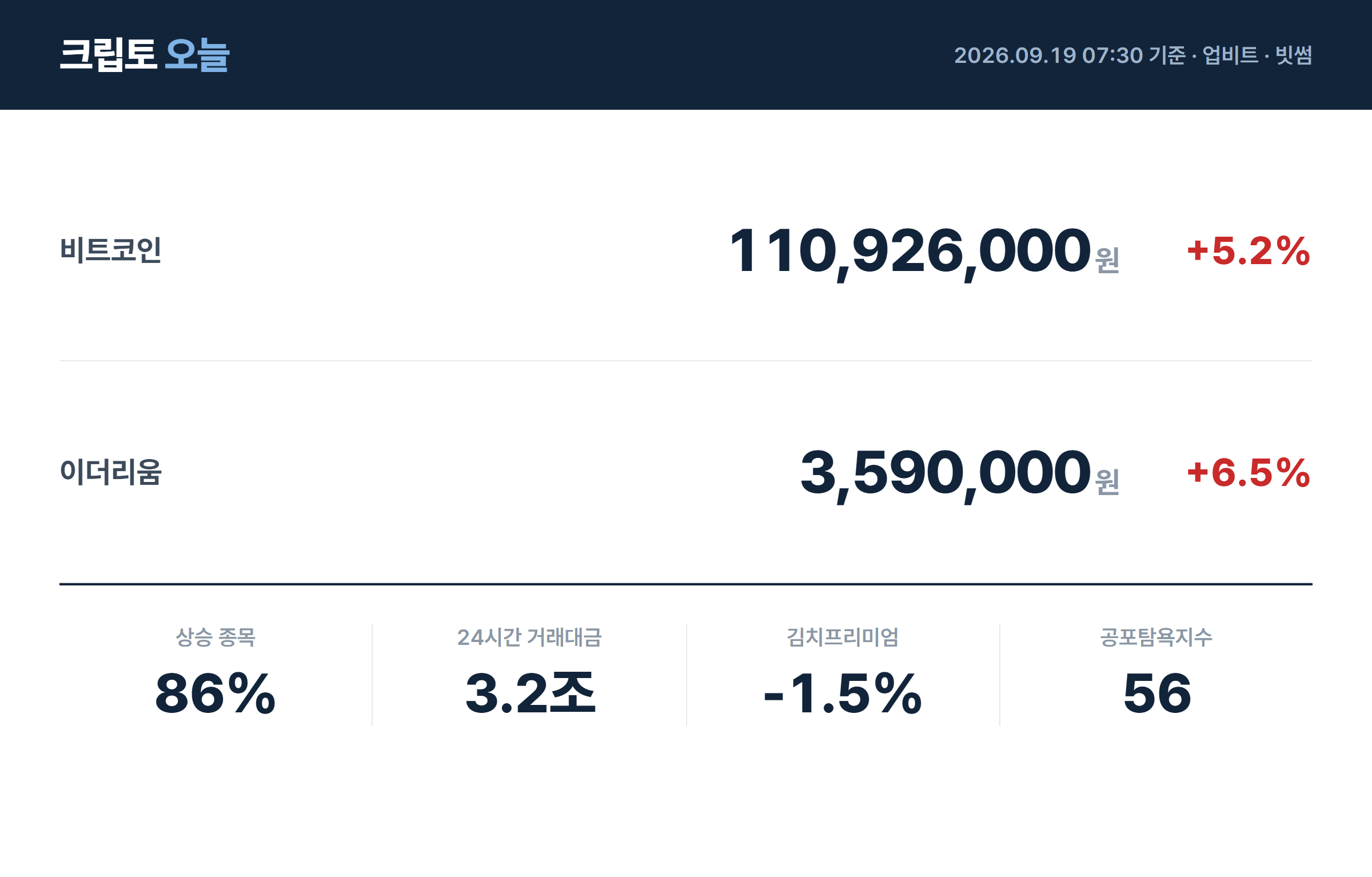
Bitcoin at $80,000: SynFutures soars 70% on Upbit
Why it matters: The Fear and Greed Index rose to 56, but the Korean premium remains negative (-1.5%), indicating local rather than global demand.

USDT on TRON hits $94.26 billion, Tether accounts for 98.5% of stablecoins
Why it matters: TRON remains the largest network for USDT transfers, but its near-total dependence on Tether makes its ecosystem vulnerable to the issuer's decisions.

BlackRock: stablecoins must preserve 'singleness of money' with bank deposits
Why it matters: The stance of the world's largest asset manager sets the framework for stablecoin regulation and their integration into the banking system.
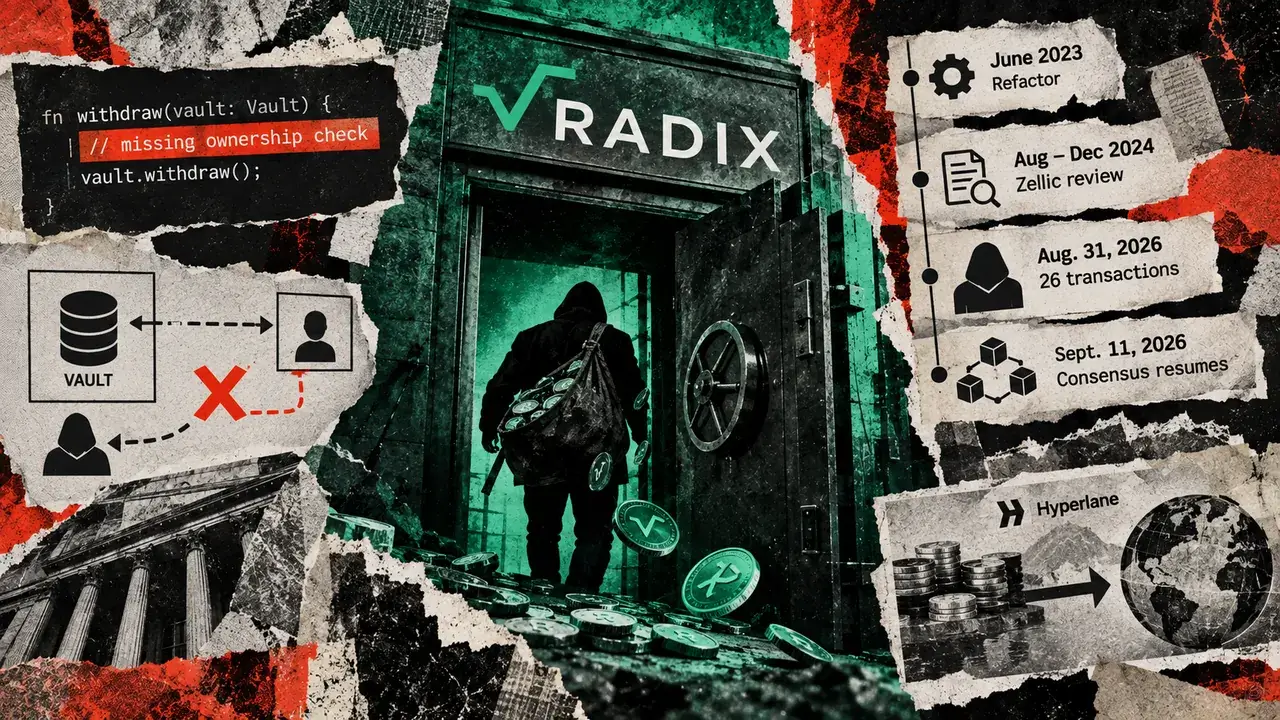
Three-year-old Radix bug led to $1.3M theft and 10-day network halt
Why it matters: The incident showed that routine code refactoring can silently break ownership boundaries and evade external audits, putting all network vaults at risk.

CoinEx to shut down on Dec. 22 after nine years
Why it matters: The closure of an exchange with billions of dollars in turnover tests confidence in claims of fully backed reserves.
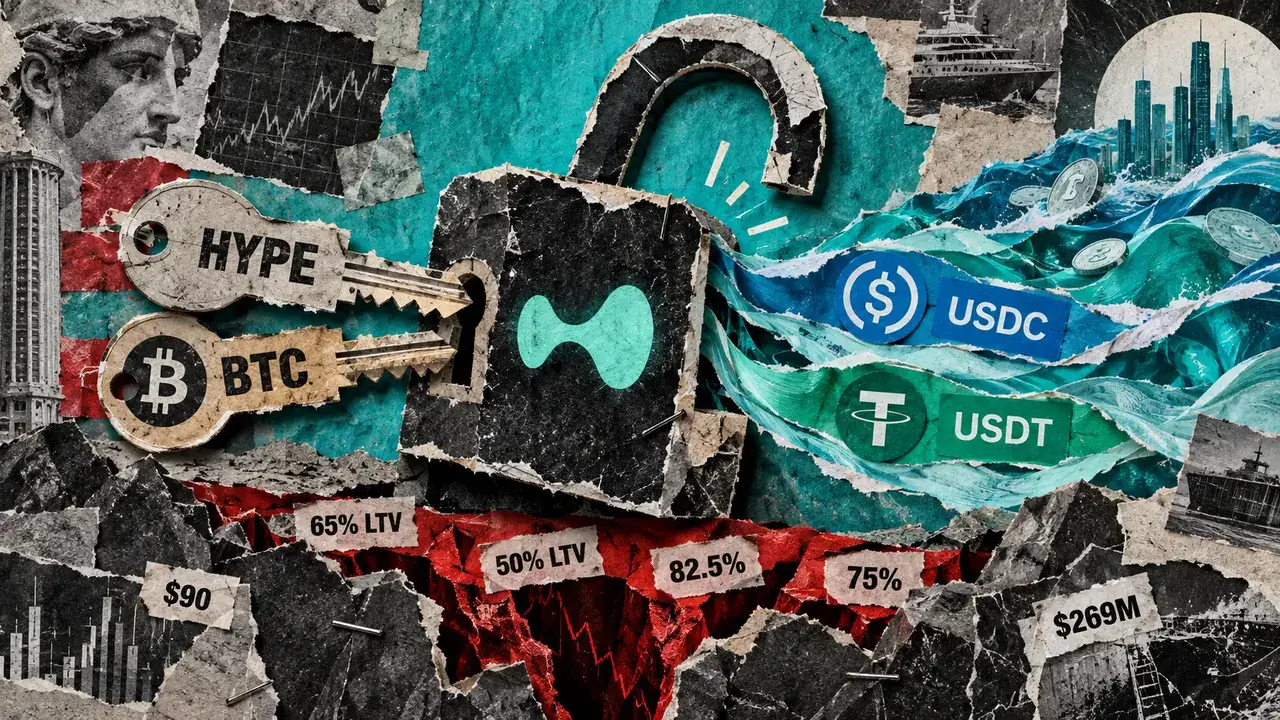
Hyperliquid launches native lending, HYPE hits new high above $90
Why it matters: Hyperliquid is expanding its ecosystem into lending, giving HYPE holders access to dollar liquidity without selling the token.

Stablecoin market cap on Tron grows by $4.8 billion in 90 days
Why it matters: Tron strengthens its position as the main network for stablecoins and DeFi settlements, supporting demand for TRX and USDT on the network.

Binance to launch USDBRLUSDT perpetual futures with up to 100x leverage
Why it matters: It expands Binance's TradFi perpetual lineup and gives traders access to the USD/BRL currency pair without an over-the-counter market.
Latin Link Launches USDT and USDC QR Payments Across Eight Networks
Why it matters: It expands stablecoin acceptance in Latin America, where USDT and USDC are widely used for payments.
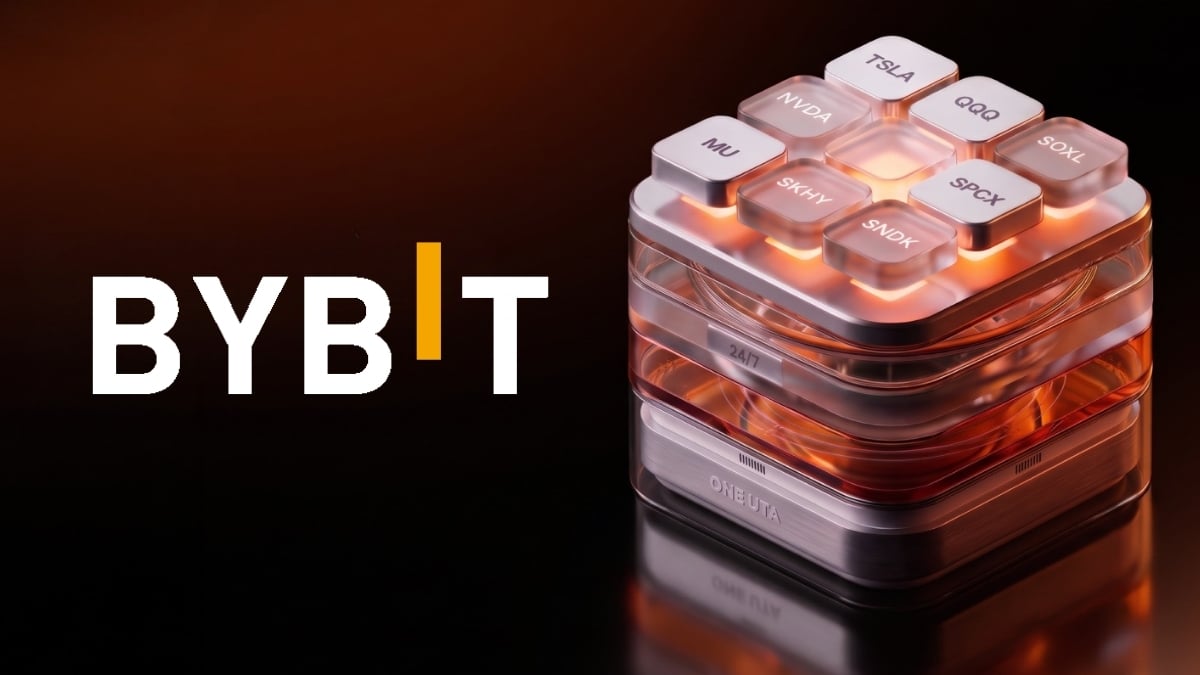
Bybit launches 24/7 Perp Options on SpaceX and Nvidia perpetuals
Why it matters: Exchanges are expanding synthetic equity exposure outside US market hours, intensifying competition with regulated options.