USD Coin (USDC) news

SwissBorg adds direct USDC deposits on Arc network without bridges
Why it matters: A direct on-ramp lowers entry costs to Arc and expands distribution of Circle's stablecoin network among European retail investors.
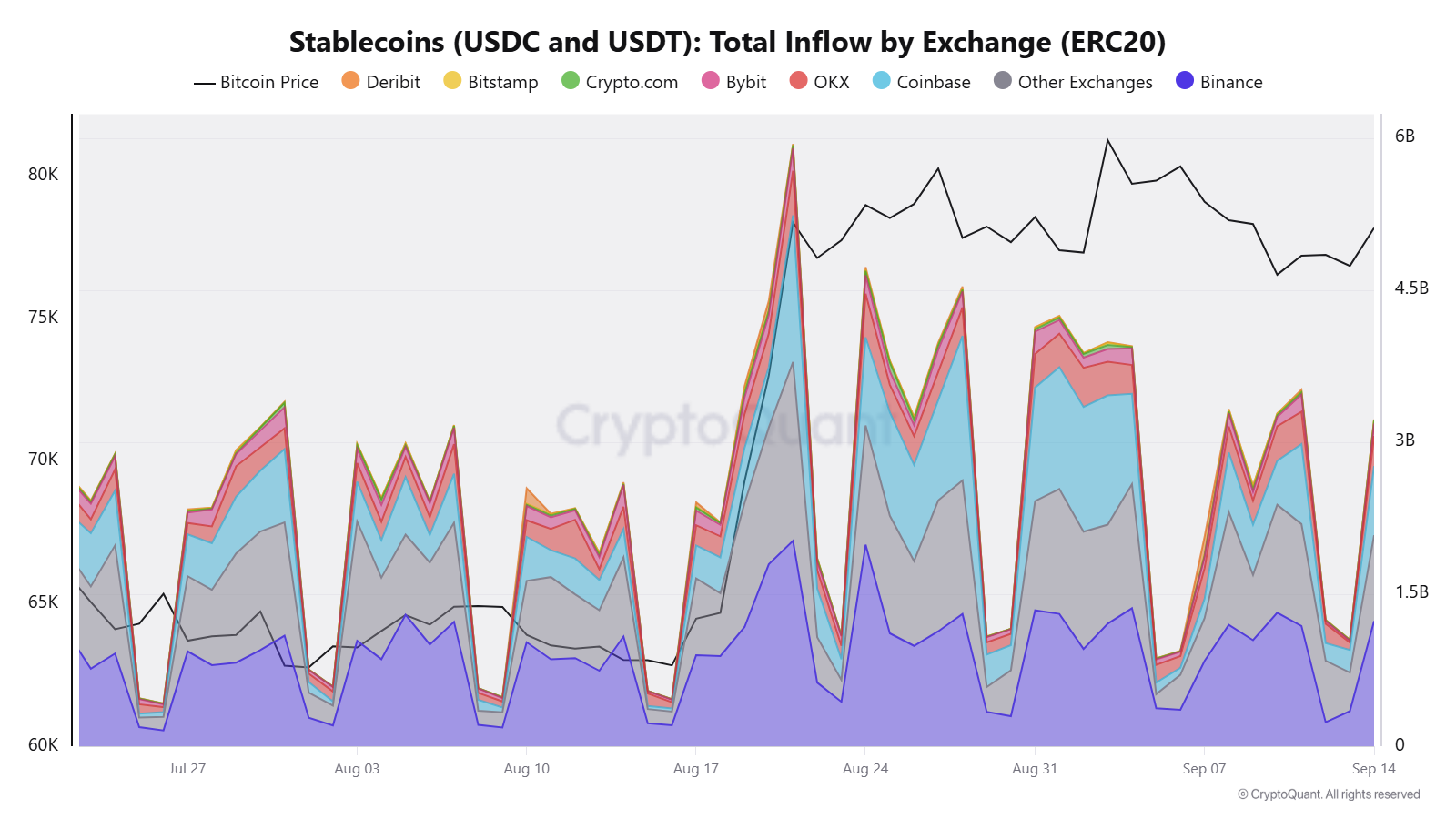
Binance sees $1.235 billion stablecoin inflow in a day as outflows from other exchanges accelerate
Why it matters: Stablecoin inflows to Binance signal continued purchasing power on the largest exchange, while outflows from Coinbase point to weakening US demand.
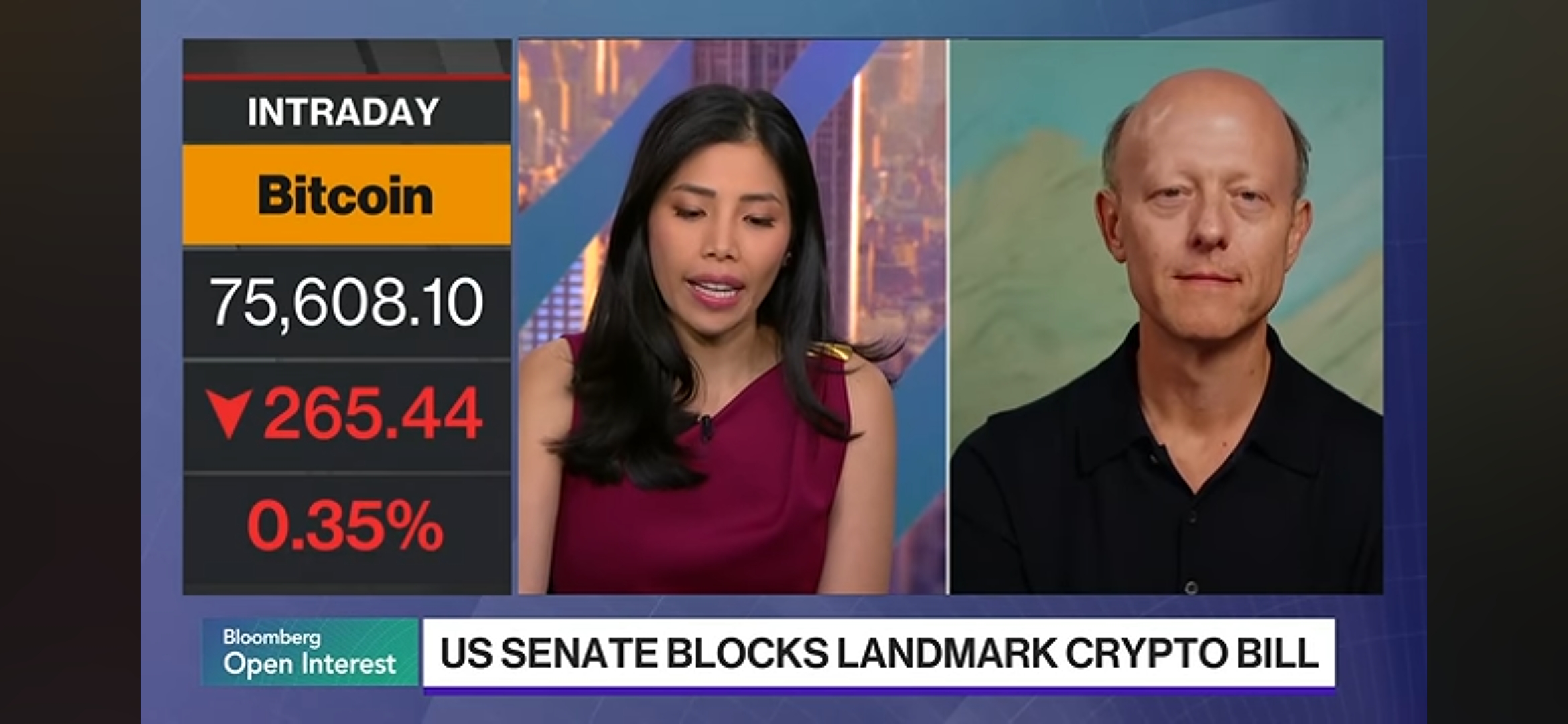
Circle CEO: stablecoin law will expand use of the digital dollar
Why it matters: Legalizing digital dollars opens stablecoins' access to banks, capital markets and corporate payments, intensifying competition for the $60 trillion deposit market.

Thailand Ranks 7th in Henley Crypto Adoption Index 2026
Why it matters: The ranking reflects growing competition among jurisdictions for crypto capital and institutional investors.

Korean managers launch crypto ETFs abroad, at home only indirect access
Why it matters: Korean managers are preparing infrastructure for possible legalization of spot crypto ETFs and tokenization, which could open the domestic market.

Memecoin launchpads took 82% of Arc volume on mainnet's first day
Why it matters: The institutional launch of Arc with BlackRock and Visa was immediately seized by speculative memecoin launchpads, raising questions about the network's sustainability.

Whale buys 5,368 ETH for $13 million at average price of $2,422
Why it matters: Large whale purchases can signal accumulation and support retail interest in ETH.

USD.AI launches USDai and sUSDai stablecoins on Circle's Arc network
Why it matters: It expands the link between DeFi lending and AI infrastructure financing, strengthening Circle's Arc ecosystem.

CEA: stablecoin yield ban would barely affect bank lending
Why it matters: The outcome will determine whether exchanges can pay yield on stablecoins, affecting USDC/USDT competition with bank deposits.
Coinbase raises USDC rate to 3.75% after CLARITY Act fails
Why it matters: The exchange is compensating users for the risk of tighter stablecoin rules while U.S. regulation remains uncertain.
Digest: Coinbase premium hits low, Arc launches mainnet, Celsius sues BitMEX
Why it matters: Weak US demand and regulatory uncertainty weigh on bitcoin ahead of the Fed decision, while Arc's launch intensifies competition in stablecoin infrastructure.

Column launches four products for stablecoins and dollar payments
Why it matters: Expands banking infrastructure for stablecoins, accelerating their integration into traditional payments.

Whale Alert: $182M in USDC withdrawn from Aave to unknown wallet
Why it matters: Large withdrawals from DeFi protocols can signal a whale preparing to sell or changing strategy, but there is no confirmed market impact.
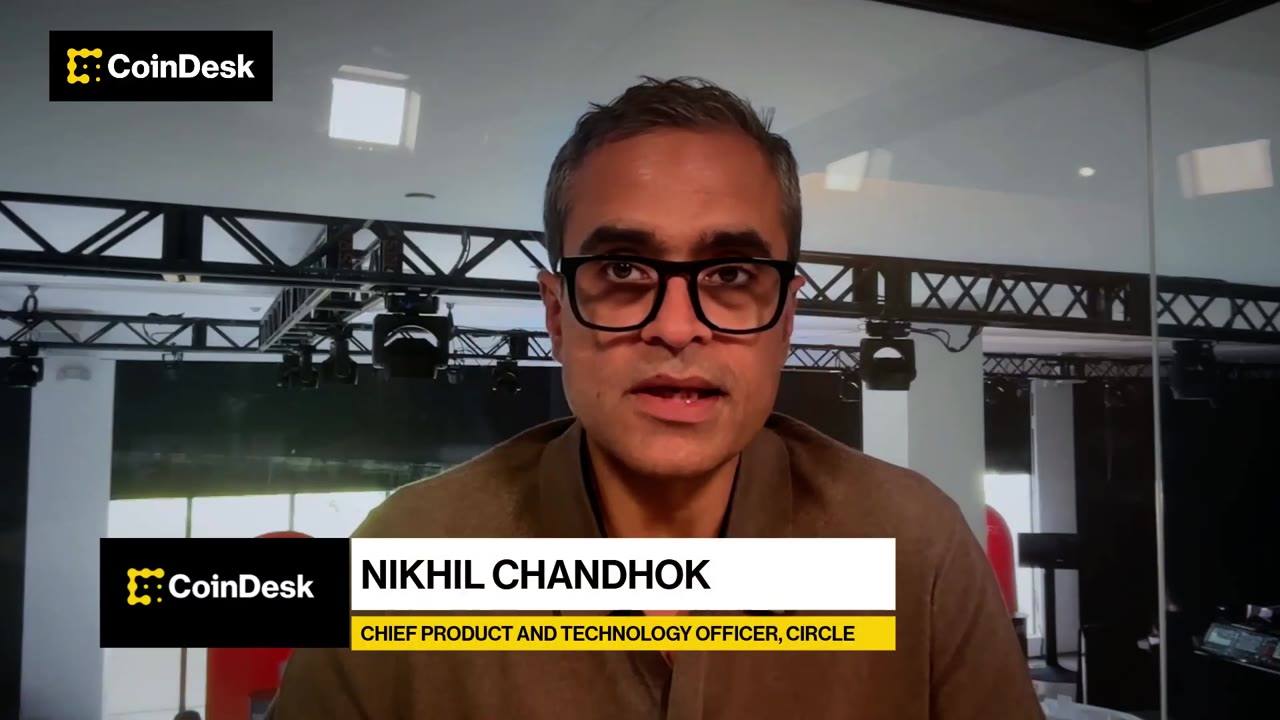
Circle: Arc to become stablecoin settlement infrastructure for institutions
Why it matters: Institutional USDC settlement infrastructure strengthens Circle's position in the stablecoin segment amid US regulatory clarity.

Column integrates USDC and USDT into core banking platform
Why it matters: Growing banking infrastructure for stablecoins increases real payment demand for USDC and USDT and intensifies competition in the card issuance segment.

Ethena shifts USDe backing to AAA-rated CLOs
Why it matters: The shift toward institutional backing reduces USDe's dependence on crypto market volatility but also lowers yields during bull markets.

Circle's Arc acts as a 'central bank for AI' but offers no USDC safekeeping guarantee
Why it matters: The lack of USDC guarantees on Arc is a risk for users and integrators building payment services on the network.

Ethereum: 203.9M transactions in Q2, $147.3B in stablecoins
Why it matters: Transaction growth is not converting into network revenue and demand for ETH, which limits the token's upside potential.

COTI launches Privacy-on-Demand and Privacy Portal on Avalanche
Why it matters: Private transactions on a public blockchain open up use cases for payroll, DeFi and RWA, but could increase regulatory pressure on privacy solutions.
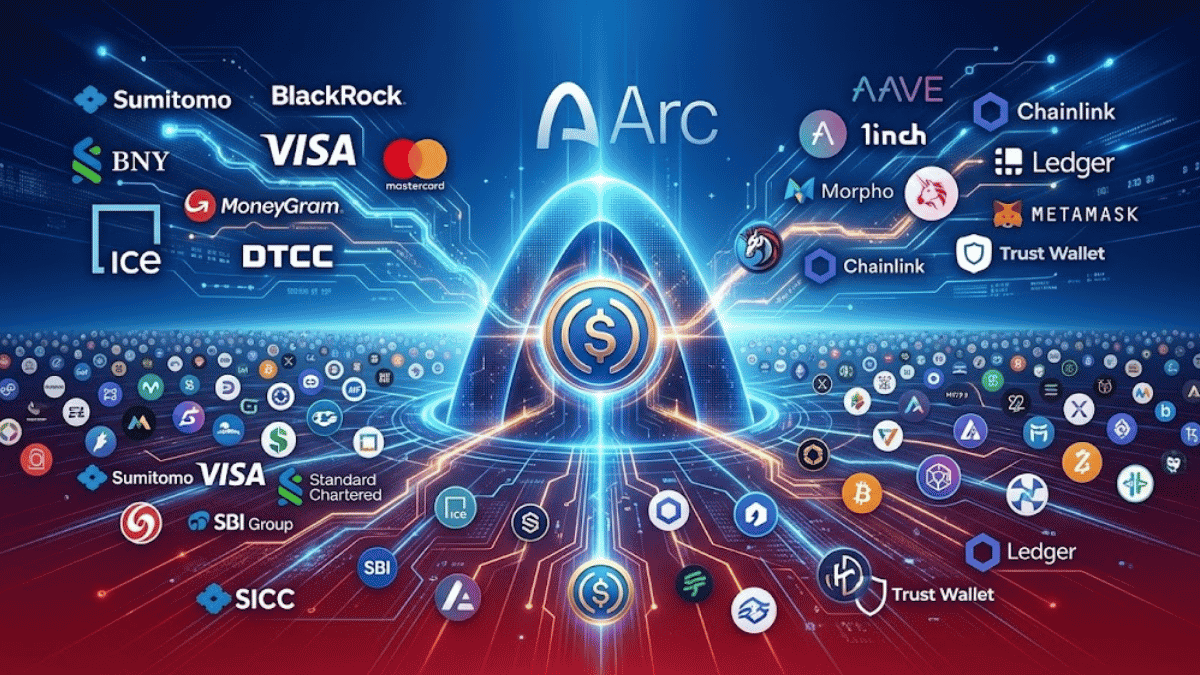
Over 100 companies and protocols join Circle's Arc network
Why it matters: The mass onboarding of participants strengthens the Arc ecosystem and competition for USDC liquidity across L1 networks.