USD Coin (USDC) news

Tokenovate completes intraday repo trade on Canton with USDC settlement
Why it matters: The case shows institutional repo trades settled in stablecoins are moving from pilots into real practice on private blockchains.

Bitwise expands PAPY vault to Arc network with 5-6% USDC yield
Why it matters: Expanding PAPY to Arc strengthens the link between institutional asset management and DeFi lending backed by RWAs.
Circle deploys $649M USDC and $7M EURC on its Arc network
Why it matters: Circle is launching its own L1 for the first time, strengthening vertical integration and competition among networks for stablecoins.
Arc launches 10,000 USDC micro-grant program for 20 projects
Why it matters: The program encourages early development in the Arc ecosystem, which could accelerate growth in the number of apps on Circle's network.

Uniswap launches U-USDG pool on Robinhood Chain
Why it matters: A growing number of DEX protocols on Robinhood Chain intensifies competition for stablecoin liquidity and eases access to the network's tokenized equities.

Paxos Adds AVAX to Brokerage Platform for 650+ Institutions
Why it matters: Regulated access to AVAX expands institutional demand for the token and strengthens Avalanche's position in payment infrastructure.
Deutsche Bank expects MiCA license to launch BTC and ETH custody by year-end
Why it matters: A major systemically important EU bank entering regulated crypto custody strengthens institutional access to BTC and ETH.

World launches World Money super app for payments and investments in 150+ countries
Why it matters: The project combines biometric identification with financial infrastructure, intensifying competition with Circle, Stripe, and PayPal in the stablecoin payments market.

INJ launches on Solana as SPL token via Sunrise and Backpack Securities
Why it matters: A native listing without bridges simplifies access to INJ for Solana users and expands its use in the network's DeFi strategies.
Latin American regulators discuss where to hold USDT and USDC reserves
Why it matters: Reserve custody rules will determine whether local banks and exchanges can work with USDT and USDC without restrictions.

IXS Finance launches tokenized high-yield bond vault on Avalanche based on BlackRock ETF
Why it matters: Tokenization is moving from government bonds to riskier credit, testing DeFi infrastructure's readiness for complex credit products.

Dudley: Fed's 0.25 pp rate hike is too little
Why it matters: A longer tightening cycle weighs on risk assets including bitcoin, but boosts revenues for stablecoin issuers.

Hyperliquid overtakes Solana in USDC volume, becomes second after Ethereum
Why it matters: The growth of USDC on Hyperliquid strengthens its futures market and, through HYPE buybacks, creates pressure on the token, shifting the stablecoin balance between networks.
Circle shares fall 7% after CLARITY Act failure, TD Cowen raises target to $92
Why it matters: The CLARITY Act failure weighs on crypto stocks, but the Fed rate hike boosts Circle's USDC reserve income, while Arc diversifies revenue.
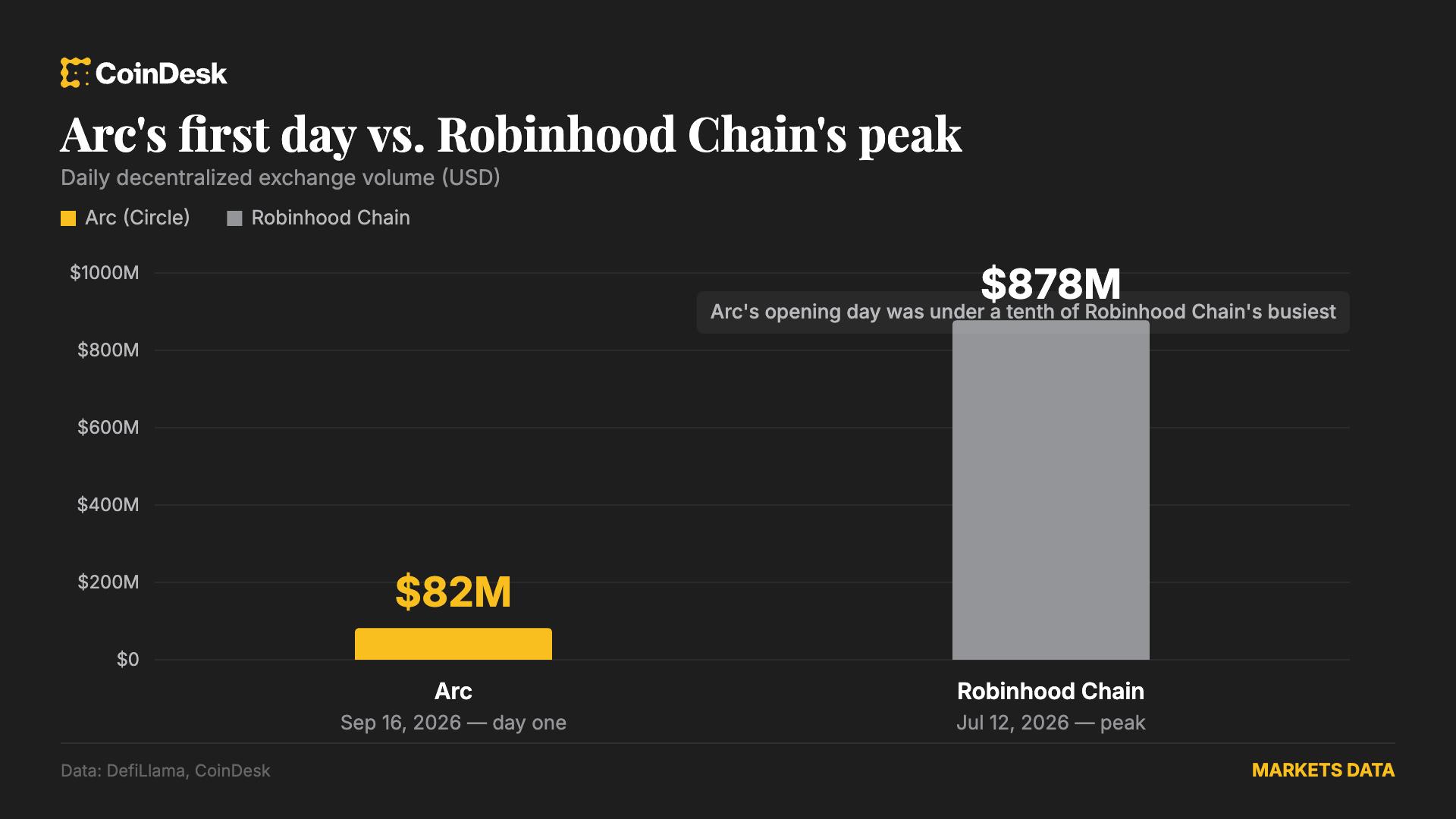
Circle's Arc network debuts with memecoins dominating day one
Why it matters: Arc's launch highlights the gap between Circle's institutional ambitions and the real demand, which so far comes from speculators.

Arc network DEX logs $72.6 million and 574,000 trades in first day
Why it matters: The first metrics show how quickly the Arc ecosystem is gaining real activity after the mainnet launch.

SparkLend: USDS loans top $800 million, a new all-time high
Why it matters: Rising demand for USDS loans at a managed rate shows the Sky ecosystem's growing role in DeFi lending.

SBI becomes a validator on Circle's Arc while keeping its Ripple stake
Why it matters: Major financial groups are hedging their bets between XRP and USDC infrastructure, and the outcome of that choice will determine whose rail becomes the standard for institutional settlement.
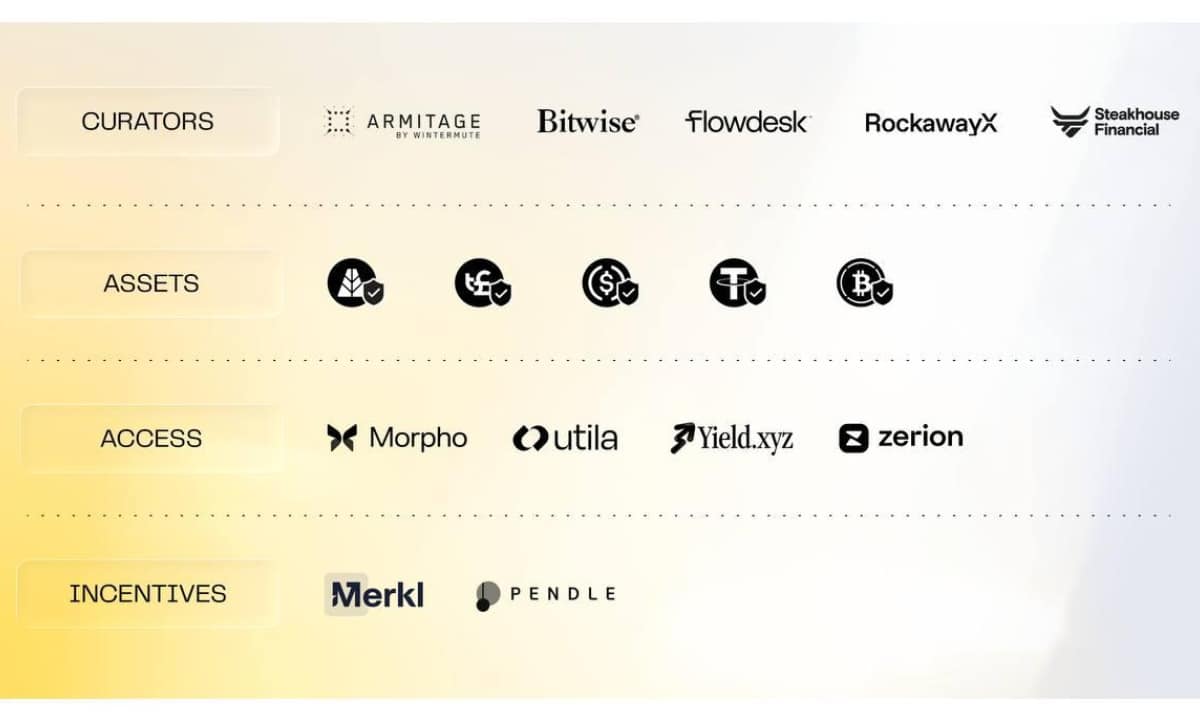
Zama expands confidential access to DeFi yield through Morpho
Why it matters: Confidential yield on existing DeFi infrastructure could remove a barrier for institutional capital onchain.

Six memecoins on Circle's Arc valued at $1–3 million, led by ARGUS at $16.45 million
Why it matters: Activity on Arc confirms demand for Circle's new L1, but low liquidity and duplicate contracts increase the risk of losses for traders.