USD Coin (USDC) news
Latin Link Launches USDT and USDC QR Payments Across Eight Networks
Why it matters: It expands stablecoin acceptance in Latin America, where USDT and USDC are widely used for payments.

Kite and Circle to build payment system for AI agents on Arc
Why it matters: It expands the use of USDC and Arc in the agent economy, creating new demand for stablecoin settlements.
Ethereum Foundation sends $2.45M in ETH to unlabeled wallet
Why it matters: Ethereum Foundation fund movements are traditionally seen by the market as a signal of possible ETH sales.

Hyperliquid posts $13.48M weekly revenue, burns 156,580 HYPE
Why it matters: HYPE buybacks and burns reduce supply, but the pace depends on whether fees grow faster than the token price.
USDC hits 420M transactions in a month, led by Solana
Why it matters: The growth in USDC transactions on Solana strengthens the stablecoin's and the network's position in DeFi settlements.

ECB: DeFi rates depend on monetary policy, but with a lag
Why it matters: DeFi is increasingly tied to traditional finance, but monetary policy transmission into it is slower and less predictable, which matters for assessing yield risks in stablecoin protocols.
Hyperliquid launches manual lending against HYPE and BTC collateral
Why it matters: It expands Hyperliquid's lending functionality and demand for HYPE as collateral, intensifying competition with DeFi protocols.

Memecoins on Circle's Arc network fall 40–75% after mainnet presentation
Why it matters: It shows how reputational signals and low memecoin liquidity can trigger sharp sell-offs in new ecosystems.
Neutrl opens NUSD and sNUSD redemption at a fixed rate through November 14
Why it matters: The fixed redemption rate reduces risk for NUSD and sNUSD holders, but actual payouts depend on the reserve being sufficient.
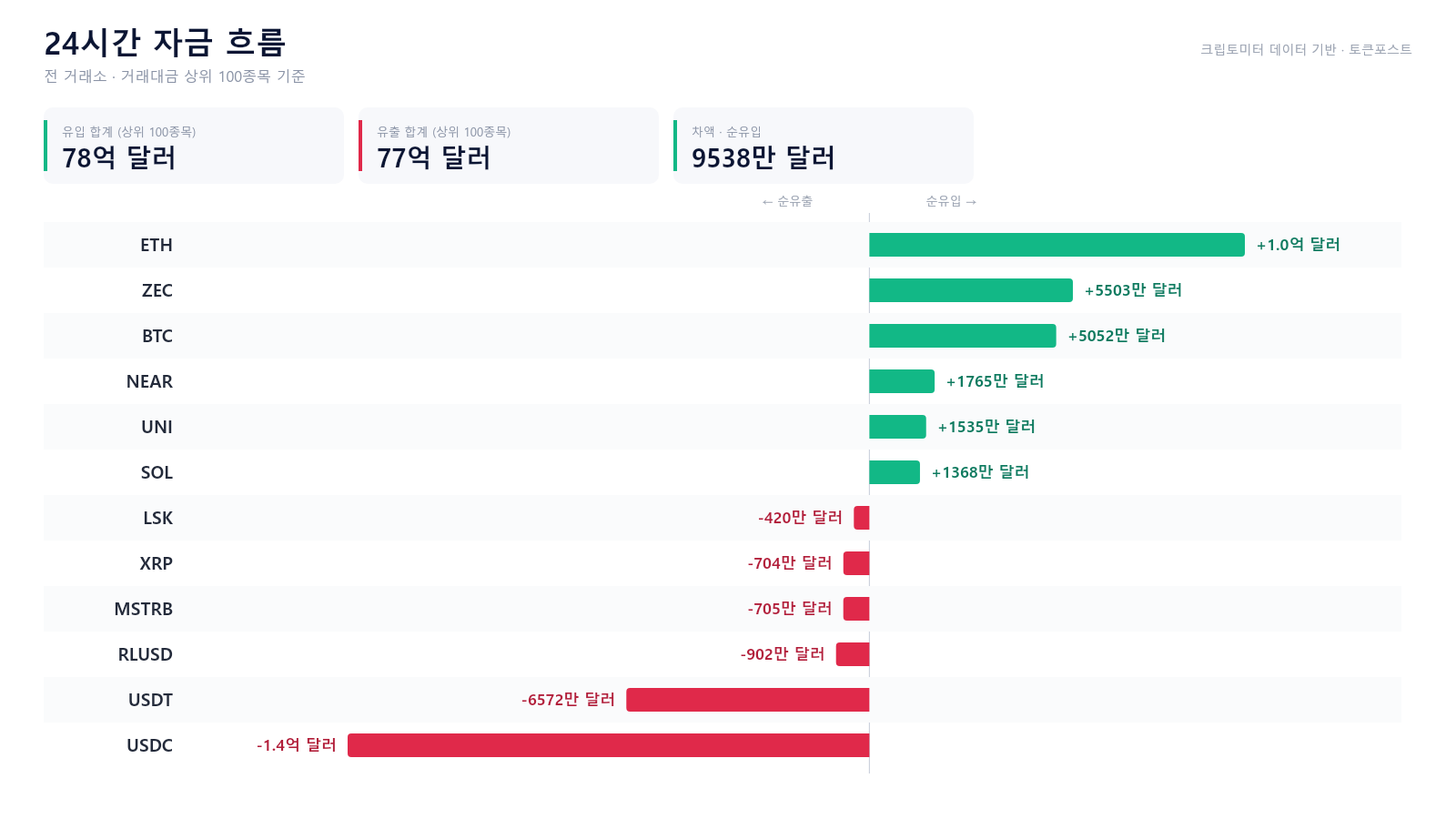
ETH Draws $102M Inflow, BTC $51M, as USDC and USDT See Outflows
Why it matters: Capital rotating out of stablecoins into ETH, BTC and ZEC points to rising risk appetite among large holders.

Four New Addresses Buy 6,972 ETH for $17.15M, Deposit All Into Lido
Why it matters: A large one-off ETH inflow into Lido reduces circulating supply and supports staking demand.

Stablecoin market cap holds near $311.2B as Plasma gains 13%
Why it matters: Growth in on-chain transfers and active addresses points to expanding real-world use of stablecoins even as their market cap stagnates.
Nostra on Starknet loses $3.5M in NSTR oracle manipulation
Why it matters: Another oracle exploit hits trust in DeFi protocols on Starknet and highlights the risk of price manipulation in low-liquidity tokens.

Banks accelerate stablecoin issuance: 21 financial institutions plan 2026 launch
Why it matters: Major banks entering the stablecoin market will intensify competition with Tether and Circle and accelerate institutional adoption of digital dollars.
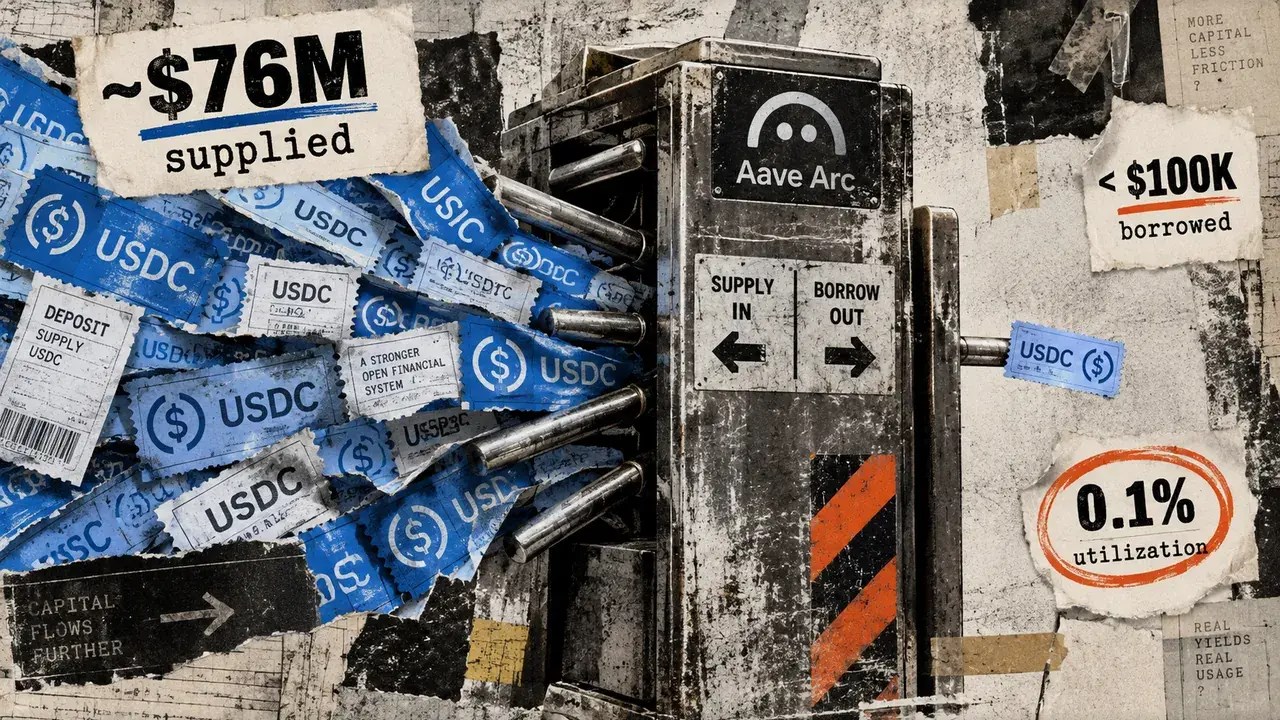
Aave V4 on Arc: $76M USDC supplied, loans under $100K
Why it matters: The higher cap will expand supply, but real adoption will only be shown by sustained growth in loans and rates; otherwise Arc will remain a pool of idle liquidity.

USDC's share on Solana falls to 44% as rival stablecoins grow
Why it matters: The growth of rival stablecoins reduces Solana's reliance on USDC but increases liquidity fragmentation and counterparty risks.
Canton (CC) rises 8.8% to $0.09, testing top of range
Why it matters: Holding the bottom of the range and rising volumes could provide momentum toward $0.125, but the higher-timeframe structure remains bearish.

Curve integrates with Circle's Arc network for stablecoins
Why it matters: It strengthens Circle's stablecoin infrastructure and expands Curve's capabilities in DeFi, attracting institutional interest.
Grayscale: 25 bps Fed rate hike will not significantly impact crypto market
Why it matters: Higher rates boost stablecoin issuers' revenues, which could increase interest in USDC and USDT amid market uncertainty.

Whale Alert: 199.9 million USDC transferred to Zero Hash from unknown wallet
Why it matters: Large USDC transfers to infrastructure platforms can signal preparation for trades or changes in liquidity.