USD Coin (USDC) news

Morpho becomes Circle's Arc primary lending infrastructure
Why it matters: Institutional bitcoin-collateralized lending without selling BTC could expand demand for on-chain liquidity and strengthen the Arc, Circle and Morpho link.

Fed hikes rates, CLARITY Act fails, SEC opens path to tokenized stocks
Why it matters: The rate hike and CLARITY Act failure weigh on the market, but the SEC's tokenized stock rules open a major new segment.

RISEx demands return of 80% of stolen $673K by September 23
Why it matters: The whitehat return scheme sets a precedent: part of stolen funds can be recovered without court or sanctions.
USDC circulation shrinks by 300M in a week to $73.8B
Why it matters: The contraction in USDC issuance points to capital flowing out of the stablecoin and weaker demand for dollar liquidity in crypto.

OCC grants Bastion conditional national trust bank charter
Why it matters: A federal charter replaces dozens of state licenses and signals that stablecoin infrastructure is being brought inside the U.S. banking perimeter.

HYPE hits record $94.43 as Payward plans US on-chain perpetuals
Why it matters: The launch of on-chain perpetuals for the US could broaden institutional access to Hyperliquid, but the service is still only in the planning stage.

Whale Alert: $174M USDC transferred to Aave protocol
Why it matters: The liquidity inflow into Aave could boost DeFi activity and affect lending rates and trading strategies.

CLARITY Act failure preserves stablecoin rewards as banks push back
Why it matters: The fate of stablecoin rewards hinges on whether regulators deem them a workaround for interest, which will determine revenue for Coinbase and Circle.

Tokenized Circle shares reach $305.5 million as market hits $3.1 billion
Why it matters: The SEC order creates a five-year regulatory basis for tokenized equities, accelerating the migration of traditional assets onto blockchain.

Circle: Arc will not roll back transactions in USDC thefts
Why it matters: Circle publicly drew a line between network immutability and USDC token freezing, setting a standard for stablecoin infrastructure.

Chainlink Expands Services to Circle's Arc and MOVA Chain
Why it matters: Institutional networks involving BlackRock and Visa are gaining ready-made oracle and cross-chain infrastructure, accelerating the inflow of traditional finance into blockchain.
Circle adds Venice.ai to Agent Marketplace for USDC payments
Why it matters: It expands USDC use cases in AI agent payments and strengthens Circle's position in autonomous service infrastructure.

USDC Treasury issues 250 million new USDC tokens
Why it matters: Rising USDC issuance signals an inflow of liquidity into the market and increased demand for stablecoins.
Circle's Arc leads stablecoin growth in first week after launch
Why it matters: Arc makes USDC the base settlement asset for institutional finance, strengthening Circle's position in tokenization and stablecoin payments.

BlackRock: stablecoins must preserve 'singleness of money' with bank deposits
Why it matters: The stance of the world's largest asset manager sets the framework for stablecoin regulation and their integration into the banking system.

Three-year-old Radix bug led to $1.3M theft and 10-day network halt
Why it matters: The incident showed that routine code refactoring can silently break ownership boundaries and evade external audits, putting all network vaults at risk.

U.S. court: ex-SVB executives liable for risk management failure, $1.71 billion claim offset
Why it matters: The precedent on risk management liability matters for assessing the resilience of stablecoin custodian banks: in 2023, USDC lost its peg due to Circle's $3.3 billion in reserves held at SVB.

Morpho opens USDC lending against five tokenized Coinbase stocks on Base
Why it matters: Tokenized stocks are becoming collateral in DeFi, providing access to dollars without selling positions, but the market remains small — less than 1% of issuance.
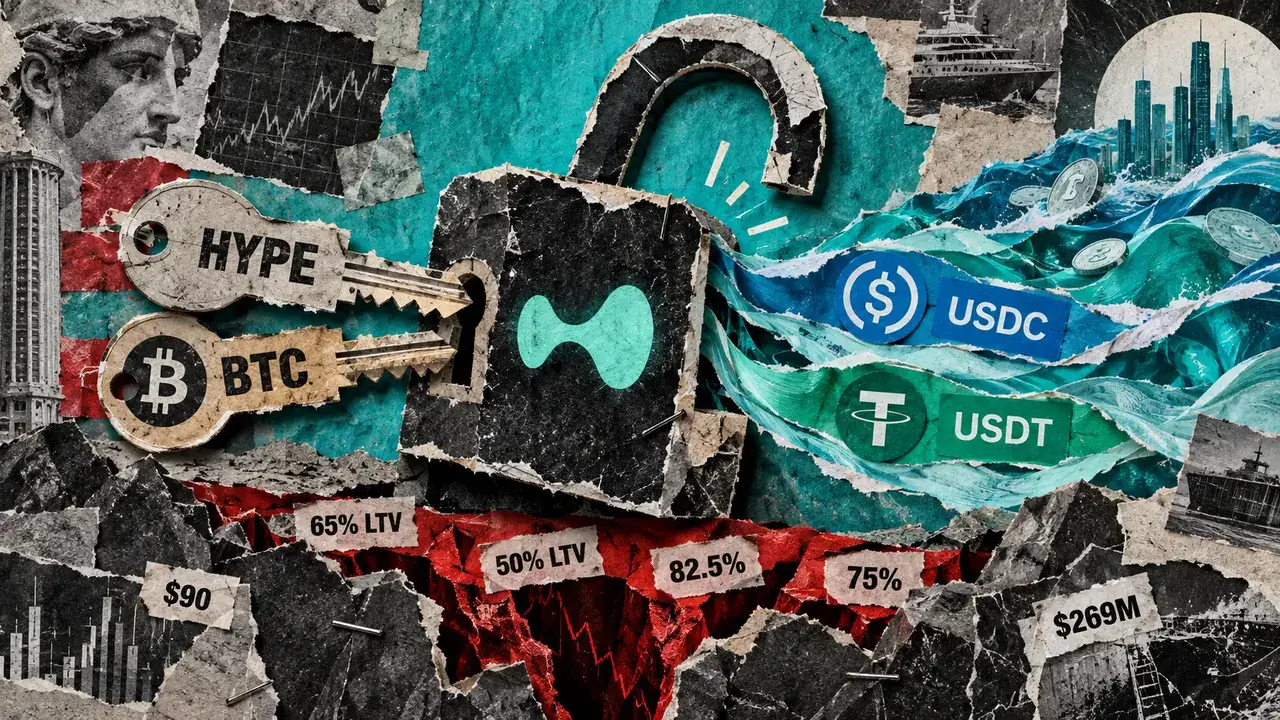
Hyperliquid launches native lending, HYPE hits new high above $90
Why it matters: Hyperliquid is expanding its ecosystem into lending, giving HYPE holders access to dollar liquidity without selling the token.

BitGo launches wallet and custody support for Circle's Arc from day one
Why it matters: BitGo's institutional clients get direct access to the Arc network without a separate custody stack, speeding up USDC integration into settlements.