USD Coin (USDC) news

Paxos's USDG logs $21.8 billion in Uniswap volume in September
Why it matters: The growth shows that integration with new Uniswap v4 infrastructure can give a stablecoin volumes comparable to major assets even with modest issuance.

Paradex executes $15.76 million ETH options trade
Why it matters: The growth of RFQ venues like Paradex intensifies competition with Deribit, which holds about 85% of the BTC and ETH options market.

Hyperliquid launches manual lending backed by HYPE and Bitcoin
Why it matters: The service creates direct demand for HYPE and BTC as collateral and expands Hyperliquid's lending infrastructure beyond portfolio margin.

Aptos builds GPU rental infrastructure for AI agents settling in USDC
Why it matters: Aptos is positioning itself as the base settlement layer for AI-agent payments, which could broaden demand for USDC and network usage.

US to issue $1 trillion in short-term debt as stablecoins become buyers
Why it matters: Stablecoins are becoming a systemic buyer of US government debt, and their reserves depend directly on short-term rates and crypto inflows.

Paxos integrates Avalanche into its regulated infrastructure
Why it matters: Connecting Avalanche to Paxos infrastructure expands institutional access to the network and could support demand for AVAX.
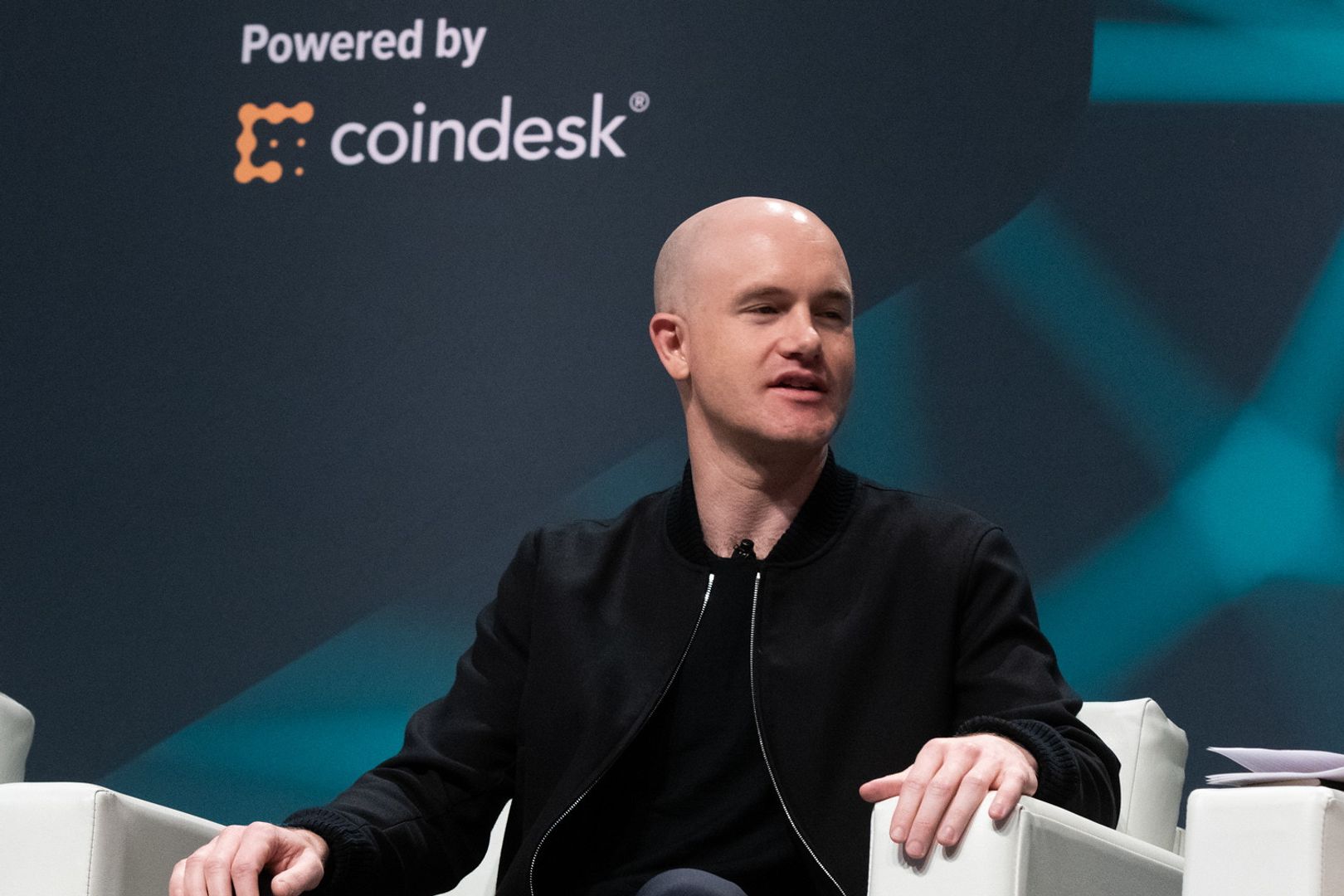
Goldman Sachs and Citizens: Coinbase, Robinhood and Circle to benefit from SEC stock tokenization
Why it matters: Tokenized US stocks could open a new market for crypto infrastructure and stablecoins, but are currently limited by volume caps and issuers' right to opt out.

MetaDAO: $624.7 million in bids, but only $45.4 million actually raised
Why it matters: The case shows that bid volume does not reflect real demand for tokens and requires scrutiny of counting methodology when evaluating platforms.

Circle CEO: the era of crypto hype is over, blockchain is becoming infrastructure
Why it matters: A signal of crypto shifting from speculation to infrastructure for payments and AI agents, supporting long-term demand for USDC and stablecoins.

ZAMA TVL tops $75 million as Morpho confidential vaults and Zama Swap launch
Why it matters: Demand for private DeFi is growing, but TVL sustainability depends on incentives, and 5% annual issuance still outpaces fee burning.

Aave V4 launches on Circle's Arc network with USDC, EURC, cirBTC and WETH
Why it matters: Aave gains a credit market inside Circle's institutional ecosystem, which could draw stablecoin liquidity into Arc.
Circle expands Arc: USDC, EURC, payments and FX in one network
Why it matters: If Arc gains traction, Circle will reduce its reliance on interest income from USDC reserves and become an infrastructure player in onchain finance.

AVAX jumps 18% to $9.78 on Paxos integration and Helicon upgrade
Why it matters: Institutional access through Paxos and a shorter staking period could attract capital to the Avalanche ecosystem.

Circle becomes Chelsea shirt sponsor for 2026/27 season
Why it matters: Circle is promoting USDC through a mass audience to strengthen the stablecoin's recognition amid competition with USDT.
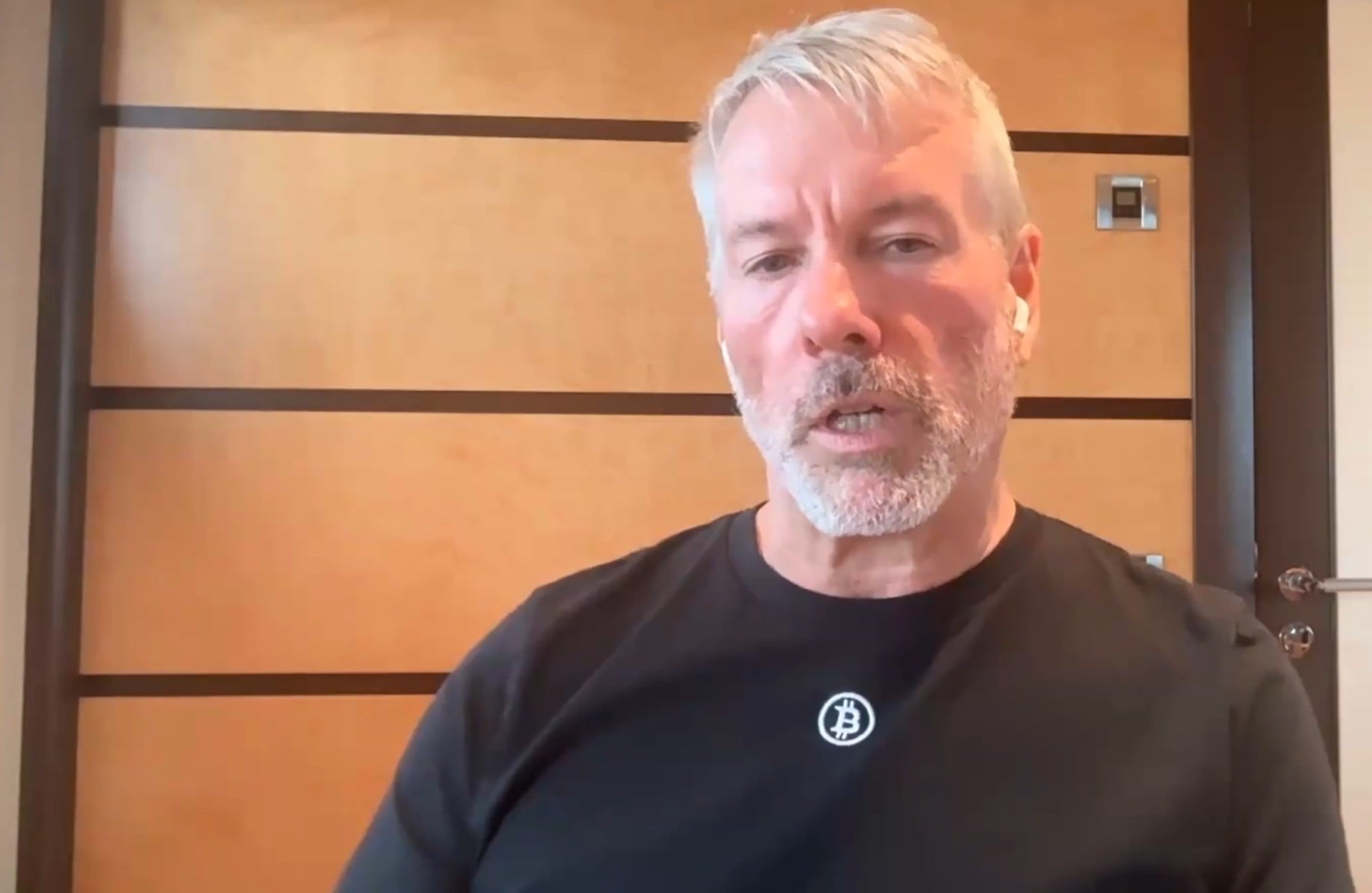
Saylor: crypto market protection is mass adoption, not CLARITY Act
Why it matters: The stance of the largest bitcoin treasury sets the narrative: the market will keep growing without the CLARITY Act through products and institutions.

Tether issues $500 million of USDT on Solana in under an hour
Why it matters: Large stablecoin issuances often precede a rise in trading and DeFi activity, signaling an inflow of liquidity into Solana.
Circle's Arc launches agentic payments settled in USDC
Why it matters: It simplifies payment integration for AI agents and x402 developers, expanding USDC's use across Circle's networks.

Circle launches Arc mainnet with payment agent and managed x402 access
Why it matters: Managed agent wallets could accelerate institutional adoption of USDC in payments by setting a standard for controlling AI agent spending.
White House: stablecoin yield ban would barely boost bank lending
Why it matters: The White House argument weakens the banks' position in the stablecoin yield debate, reducing the risk of restrictions for USDT and USDC holders.

Brazil's Central Bank Bans Stablecoins in Cross-Border Payments from October 1
Why it matters: Brazil is closing a cheap stablecoin settlement channel, which could raise payment costs and increase regulatory pressure on the $1.1 trillion market.