USD Coin (USDC) news

Circle's Arc picks MetaMask as default wallet for onboarding
Why it matters: Integration with the largest self-custody wallet lowers the barrier to entry for a USDC-native network and strengthens Circle's position in institutional DeFi.

Solana Foundation head doubts blockchain gaming, but infrastructure remains
Why it matters: A signal that Solana is shifting focus from GameFi tokens to payment and wallet infrastructure for games, which could affect ecosystem projects.

US banks seek stablecoin yield limits ahead of CLARITY Act vote
Why it matters: The outcome of the dispute will determine whether stablecoins can compete with bank deposits and how the market will be structured after the CLARITY Act.

Spark Liquidity Layer becomes largest onchain capital allocator with $2.54B TVL
Why it matters: SLL's growth shows how institutional custodians like BlackRock are entering DeFi yield through parameter-managed protocols.

Kamino appoints Yieldstreet co-founder Michael Weiss as CEO
Why it matters: The arrival of a top executive from TradFi signals that Solana protocols are targeting institutional markets and U.S. expansion.
Coinbase launches USDC lending via Morpho in Brazil and Canada
Why it matters: Coinbase's expansion into new jurisdictions boosts demand for USDC and DeFi yields on Base.

Solana captures about 70% of x402 micropayment protocol volume
Why it matters: x402 is becoming a foundational payment layer for AI agents, and Solana's dominance strengthens its position in this narrative.

Kazakhstan prepares stablecoins for trade and USDT and USDC analogues
Why it matters: Kazakhstan is creating a regulated alternative to USDT and USDC and a settlement hub with Binance, intensifying competition for the stablecoin market in Central Asia.

USDC integrated into Monad network
Why it matters: Growing USDC liquidity on fast EVM networks intensifies competition for capital and users in DeFi.
Circle shares fall 4.7% ahead of CLARITY Act vote
Why it matters: The bill's stablecoin yield restrictions directly affect Circle's business model, and a failed vote would hit crypto stocks.

Changpeng Zhao shows interest in 'immortal fruit fly' on BNB Chain
Why it matters: A signal of the convergence of AI agents and blockchain: BNB Chain could become a venue for autonomous economic agents.

US Treasury proposes 'orderly' stablecoin redemption under GENIUS Act, diverging from MiCA
Why it matters: Different redemption and reserve rules create two separate liquidity pools for USDC and USDT, which could lengthen redemption times during stress.

Alchemy Pay adds wUSDC for fiat purchases in 173 countries
Why it matters: Expanding fiat on-ramps lowers the barrier to entry into the Apertum ecosystem, but the impact depends on actual growth in wUSDC usage.

Binance launches ETF Wealth Management with 11 U.S. funds
Why it matters: The largest exchange is expanding retail access to traditional funds, intensifying competition with brokers and blurring the line between crypto and TradFi.

Solana gains 35% in Q3 but lags behind Ethereum
Why it matters: Growing corporate SOL reserves and developer activity could become a catalyst for catch-up gains versus Ethereum.
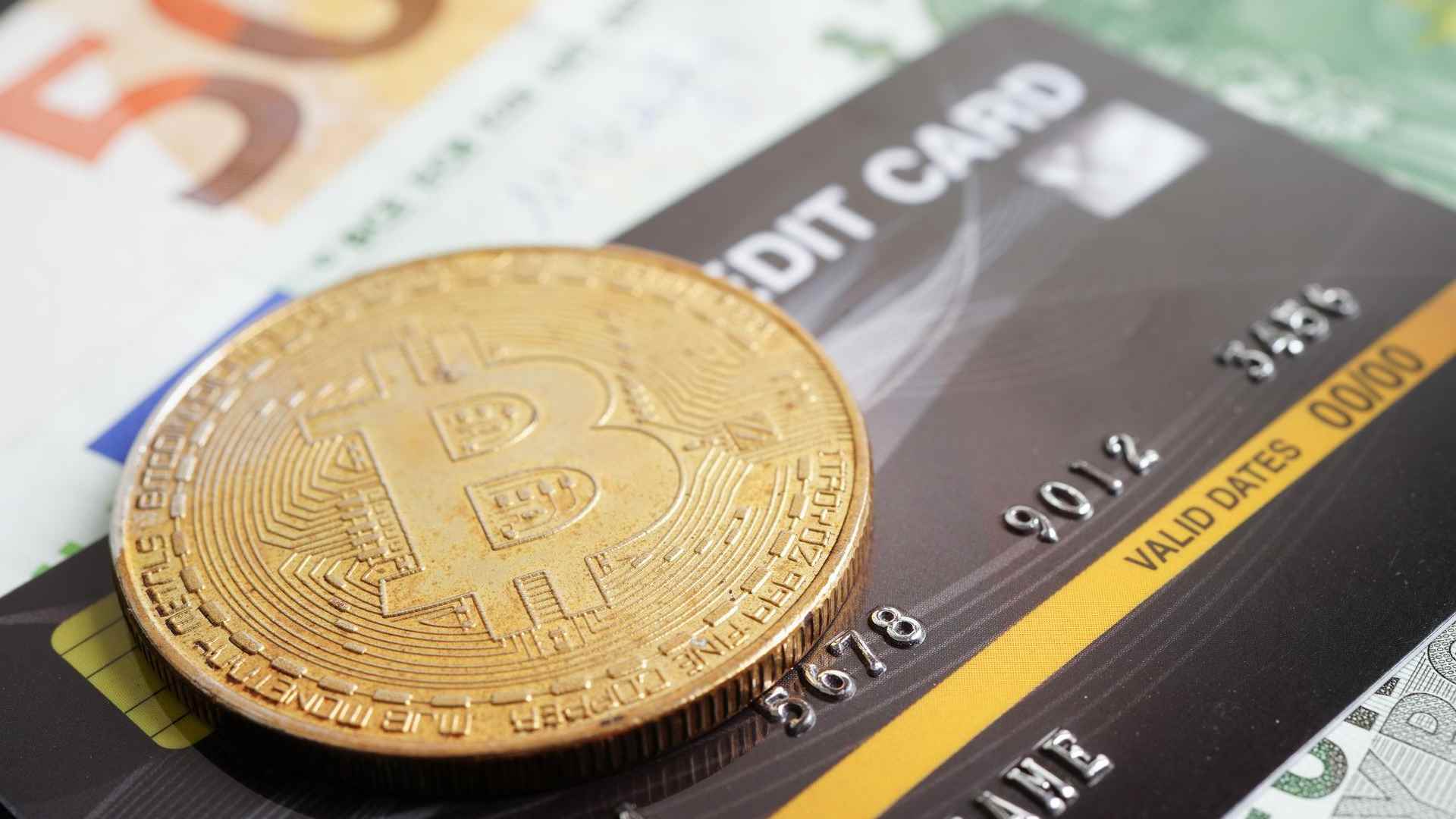
Binance Card in Brazil: user base up 53%, spending up 80%
Why it matters: Growth in crypto card payments shows expanding real-world use of digital assets in everyday transactions.

Binance Margin delists five USDC pairs: ENJ, GENIUS, CVX, GUN and VANA
Why it matters: The delisting of margin pairs reduces liquidity and leverage availability for these tokens on the largest exchange.

White House prepares tools to back CLARITY Act on stablecoins
Why it matters: The outcome of the stablecoin yield dispute will shape the rules for USDT, USDC and the U.S. banking sector.

MEXC: bitcoin reserve rose to 297% in September
Why it matters: Rising reserves reduce risks for the exchange's clients, but official data and the Hacken report have not yet been confirmed.

Ripple's David Schwartz Admits Developers Erred on Stablecoin Design
Why it matters: The debate touches on stablecoin UX and interoperability — a key barrier to mass crypto payments.