USD Coin (USDC) news
Arc logs 450,000 transactions in a day before mainnet launch as USDC transfers top $300 million
Why it matters: The pre-launch buzz around Arc points to strong demand for Circle's infrastructure and could intensify competition among L1s and L2s for USDC liquidity.

Arc mainnet draws 372M USDC within 2 hours of launch
Why it matters: The rapid liquidity inflow shows demand for Circle's new L1, but early-entry premiums point to speculative activity.

Binance Bahrain adds tokenized US stocks and ETFs
Why it matters: It expands the link between crypto and traditional stocks in a regulated Middle Eastern market, accelerating the tokenization of exchange trading.
AxLabs deploys full Ax402 stack on Neo X for AI agent payments
Why it matters: The x402 standard could become the basis for paid AI agent access to APIs and data, expanding stablecoin demand in the machine economy.

Wallet invested $487 in LONG, BITCOIN and USDC and gained $578K before Arc launch
Why it matters: The hype around Arc's September 16 launch is fueling speculation in ecosystem tokens, although the wallet's connection to the project is unconfirmed.
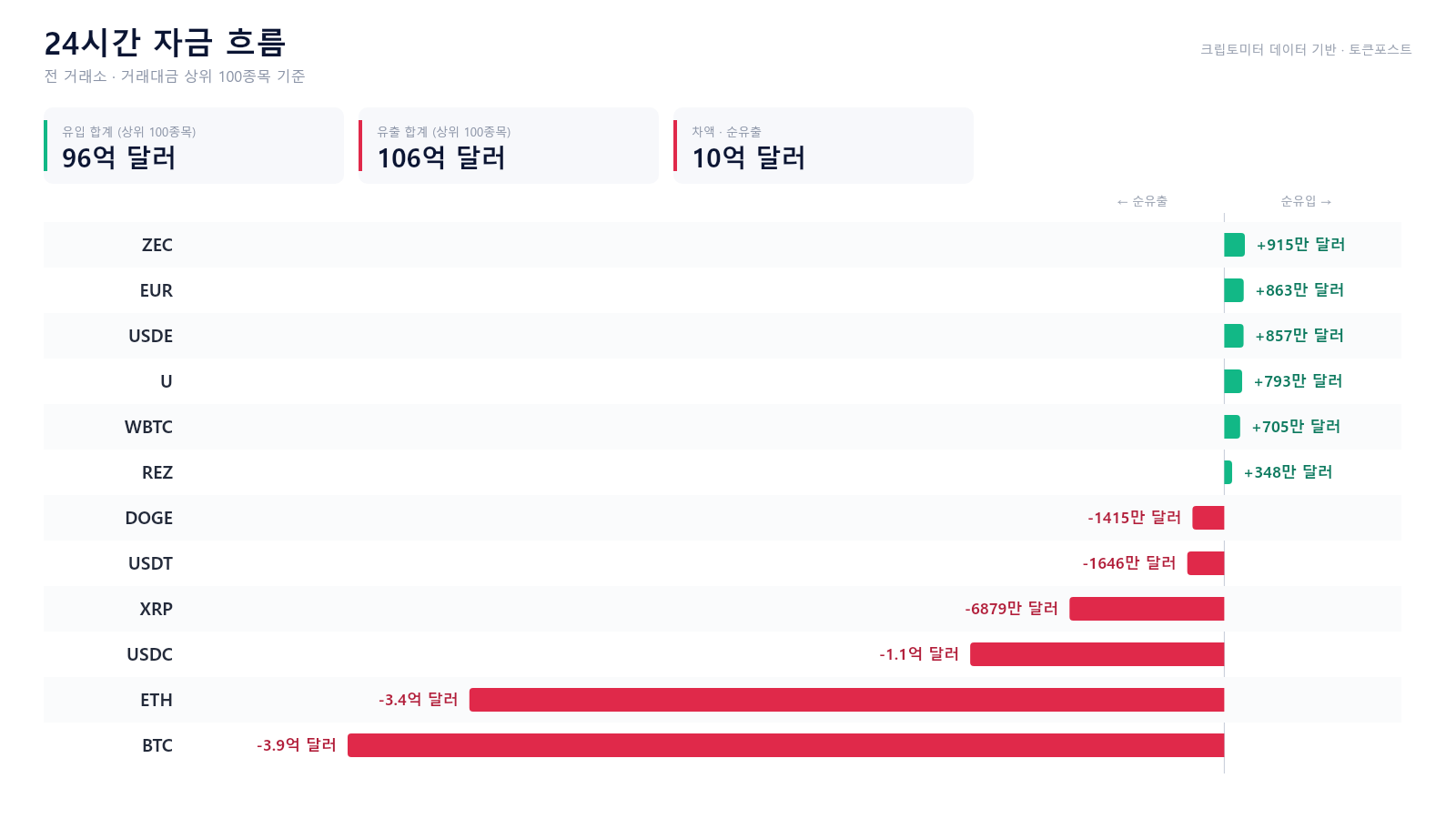
$390 million left BTC and $336 million left ETH in 24 hours, with inflows only into ZEC
Why it matters: Outflows from BTC and ETH amid weak demand signal caution among large holders ahead of the Fed meeting.
Circle's Arc mainnet officially launches, OKX Wallet adds support
Why it matters: The launch of Circle's L1 intensifies competition in the payments blockchain segment and expands the use of USDC.
tread.fi reveals TREAD distribution: 100 million tokens, launch on September 16
Why it matters: A launch without venture or presale allocations reduces sell pressure at the start, but liquidity depends on demand on Hyperliquid.
Allium: stablecoin supply reached $303 billion in August
Why it matters: Growth in payments and B2B settlements confirms stablecoins' shift from a speculative instrument to real payment infrastructure.

Injective: RWA perpetual volume hits $215M in 30 days
Why it matters: Growth in synthetic equity and commodity trading on-chain shows the RWA segment shifting from tokenized bonds to active derivatives, boosting network fees and demand for INJ.

Stablecoins return to exchanges after months of outflows
Why it matters: A growing stock of stablecoins on exchanges may indicate capital is ready to buy crypto, supporting bitcoin.
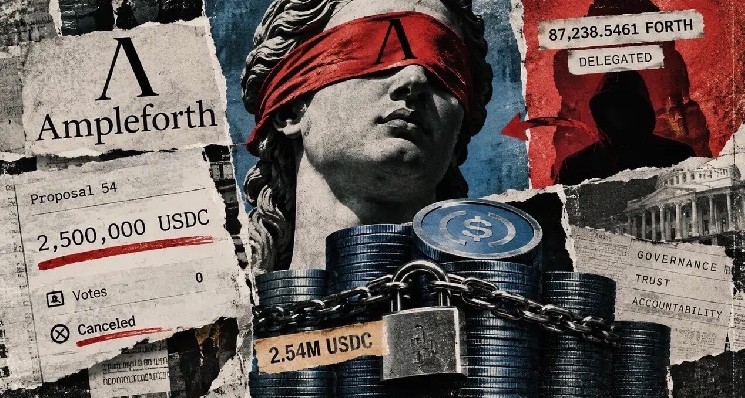
Ampleforth: wallet sought 98% of treasury USDC via Proposal 54
Why it matters: The incident exposes a DeFi governance vulnerability: concentrated vote delegation can push a treasury request through without public discussion.

Erebor Bank limits free stablecoin-to-fiat conversion
Why it matters: A major crypto bank is adjusting its monetization model, setting the tone for other players in the stablecoin market.
Circle shares fall 10.23% to $87.39
Why it matters: The sharp drop in the USDC issuer's stock reflects pressure on crypto companies ahead of the CLARITY Act vote.

Analyst: stablecoins create demand for US Treasuries and strengthen the dollar
Why it matters: The argument links stablecoin regulation to the resilience of the US Treasury market and the dollar's position against the yuan.

Bank of England official: stablecoin growth will strengthen dollar dominance
Why it matters: The growth of stablecoins strengthens demand for US Treasuries, which supports the dollar and influences digital asset regulation.

Argentina's CNV restricts brokerage account funding to fiat only
Why it matters: Tighter funding rules in Argentina limit crypto investors' access to the local capital market.

1inch launches USDC swaps for tokenized Tesla shares on BNB Chain
Why it matters: The growth of tokenized stocks expands crypto traders' access to traditional equities and intensifies competition among networks for this segment.

ARK Invest sells 142K Circle shares, CRCL falls 8% ahead of CLARITY Act vote
Why it matters: The CLARITY Act could legalize stablecoins but also open the market to banks with cheap funding — a direct risk to Circle's business.

Circle's Arc picks MetaMask as default wallet for onboarding
Why it matters: Integration with the largest self-custody wallet lowers the barrier to entry for a USDC-native network and strengthens Circle's position in institutional DeFi.