USD Coin (USDC) news

OCC proposes 7-day stablecoin redemption window during demand spikes
Why it matters: The rules will determine how quickly holders of USDC and other stablecoins can convert tokens into bank dollars during demand spikes.

USDC on Arc trades at nearly 100% premium ahead of September 16 mainnet launch
Why it matters: The hype around Arc shows demand for new L1s from major stablecoin issuers, but the 100% premium poses a risk to buyers if the price normalizes after launch.

WTO: stablecoin transfers up 35-fold, but regulators lag behind
Why it matters: Institutional stablecoin adoption is constrained by fragmented regulation rather than technology — a key risk for market growth.

USDC.e and WETH go live on Neo X via Chainlink CCIP
Why it matters: It expands cross-chain liquidity for USDC and ETH, but the market impact is limited by the scale of the Neo X network.

XLM rises 6% to $0.193 ahead of Protocol 28 vote
Why it matters: A successful upgrade and growing institutional use of Stellar could support a break above the $0.20 resistance.

Aave V4 proposal would introduce 800 ETH Umbrella loss protection
Why it matters: The new mechanism shifts bad-debt risk onto capital providers, changing the risk profile for Aave V4 lenders.

TrueMoney launches Fireblocks wallet for Thai stablecoin THBT
Why it matters: A major Southeast Asian payments service is embedding stablecoin infrastructure into a mass-market app, broadening real-world use of digital currencies.

Algorand's x402 protocol enables AI agent payments
Why it matters: The growth of agentic commerce could become a long-term driver of demand for ALGO as x402 projects scale.

Trader 0xRay closes $98M Hyperliquid shorts with $505K BTC loss
Why it matters: Large public shorts on Hyperliquid can close sharply earlier than analyst data shows, distorting assessments of whale positions.

Circle and Tether benefit from growth of stablecoin neobanks
Why it matters: The growth of neobanks strengthens demand for USDC and USDT, while regulatory steps by Circle and Tether cement their dominance in the payments market.

USDC tops $100 trillion in cumulative onchain transaction volume
Why it matters: USDC has cemented its role as DeFi's main unit of account, but 95% of Circle's revenue depends on interest rates on reserves.
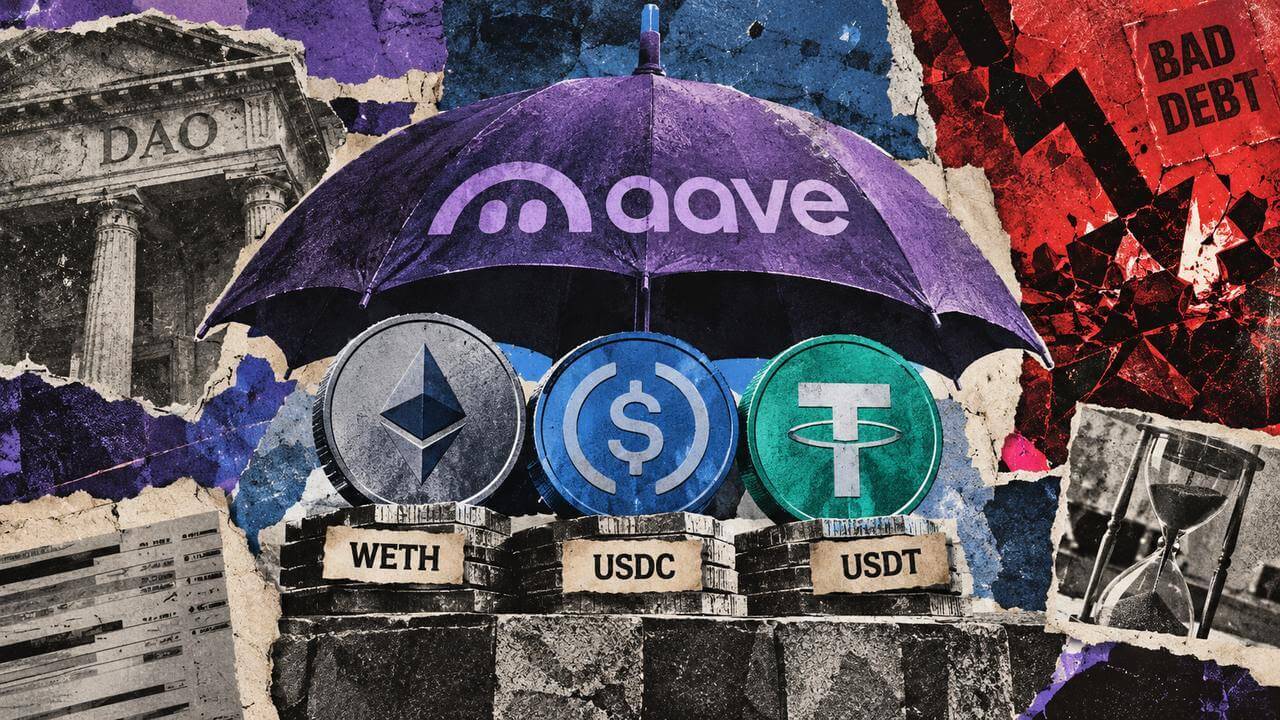
Aave V4: DAO to Cover First Layer of Bad Debt in WETH, USDC, USDT
Why it matters: The mechanism shifts bad debt risk from liquidity providers to the DAO and underwriters, changing the risk model of the largest DeFi lending protocol.

Coinbase rises 10.21%, Circle 7.16% as U.S. indexes fall
Why it matters: The rise in crypto stocks against a falling market points to investor demand for digital-asset-related equities.

Aave USDT0 pool on Monad: only $4.4M of $55.9M available
Why it matters: The high rate may reflect shrinking free liquidity rather than rising demand, increasing the risk of withdrawal delays for large depositors.

Ethena passes SOC 2 Type II audit with no exceptions
Why it matters: SOC 2 Type II is a baseline requirement for working with banks and funds; certification strengthens Ethena's position at the DeFi and TradFi intersection.

Huma Finance's PST token hits $322M market cap on Solana
Why it matters: PST's growth shows institutional demand for tokenized credit and yield-bearing assets in DeFi, strengthening Solana's position as a base for RWAs.

Coinbase defends tokenized stocks as real shares but blocks US investors
Why it matters: The model sets a standard for tokenized stocks, but legal restrictions and criticism from Galaxy Research highlight the gap between marketing and actual holder rights.

Zoth launches zPayments on Base targeting $6B in stablecoin payouts
Why it matters: Expanding stablecoin payments on Base intensifies competition with traditional money transfers and boosts utility demand for USDC.

Solana's Futardio Raises $43M, but Only 2 of 54 Projects Hit Their Targets
Why it matters: Futardio operates as a selection funnel for projects in the MetaDAO system, where the market determines winners before governance through futarchy.

WTO: stablecoins account for just 3% of cross-border payments as 61% of countries lack laws
Why it matters: Regulatory fragmentation is holding back stablecoin growth in settlements, and harmonizing rules could accelerate their adoption in trade and money transfers.