Bitcoin (BTC) news

Bitcoin under pressure ahead of first Fed rate hike in three years
Why it matters: The Fed decision will determine bitcoin's short-term trajectory: holding support opens the way to gains, while a breakdown would intensify selling.

ProCap sells 50 BTC to buy back 12.2% of its shares
Why it matters: The company is the first among bitcoin treasuries to buy back shares at a discount to NAV by selling BTC, changing the reserve accumulation model.

Interactive Brokers enables trading via X Cashtags for US investors
Why it matters: A major broker linking a social network to trading accelerates the flow of retail investors into crypto and stocks.
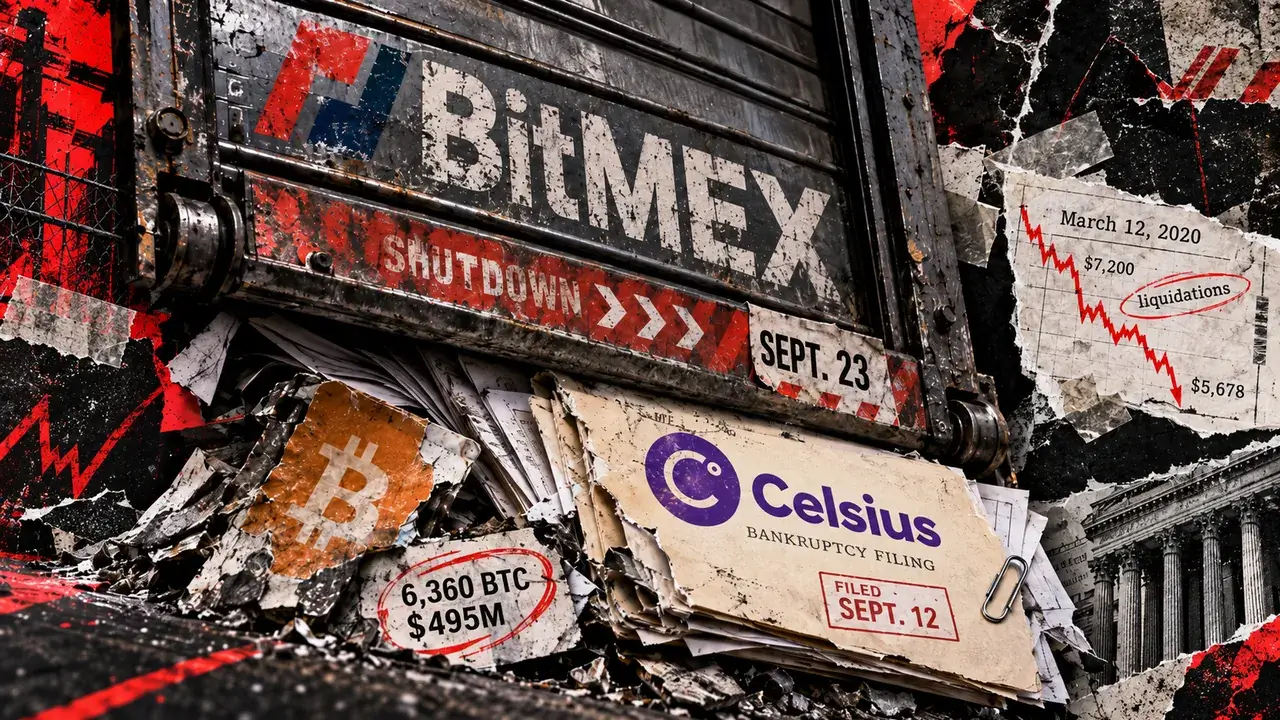
Celsius sues BitMEX for $495 million over 2020 liquidations
Why it matters: The lawsuit creates a risk to BitMEX's assets as the exchange winds down and could lead to a request for interim measures.

Saylor: CLARITY Act failure will accelerate institutional inflows into bitcoin
Why it matters: A signal from the largest institutional BTC holder: the absence of a law does not block capital inflows, which reduces market pressure after the failed vote.

CryptoQuant and Willy Woo see bitcoin bottom forming after CLARITY Act drop
Why it matters: If long-term holders are indeed accumulating, selling pressure may ease, but without clarity on US regulation, growth remains uncertain.

Glassnode: bitcoin ETF demand turns to net outflows
Why it matters: The lack of ETF demand deprives the market of institutional support and raises the risk of further price declines.

CBO: US direct costs of Iran war reach $38 billion, PCE may rise 0.5 pp
Why it matters: Rising energy prices and US government debt increase pressure on inflation and yields, which historically weighs on bitcoin and risk assets.

Wintermute: $463M Bitcoin ETF outflow marks first negative week since June
Why it matters: Without a return of ETF inflows, bitcoin lacks an obvious source of new demand, and the Fed decision will set the short-term trend.

Bitcoin miners face worst crisis in years, putting hashrate control in question
Why it matters: Consolidation of hashrate among large players increases the risks of network centralization and pressure on the BTC price.
Saylor: SEC and CFTC to advance bitcoin custody rules soon
Why it matters: Expanding bank custody of BTC would strengthen institutional demand and bolster confidence in crypto.

Bitcoin stuck in 5.5% range ahead of Fed decision
Why it matters: The Fed decision will set the direction: a return of demand could trigger a breakout higher, while weak ETF flows and rising real yields cap gains.
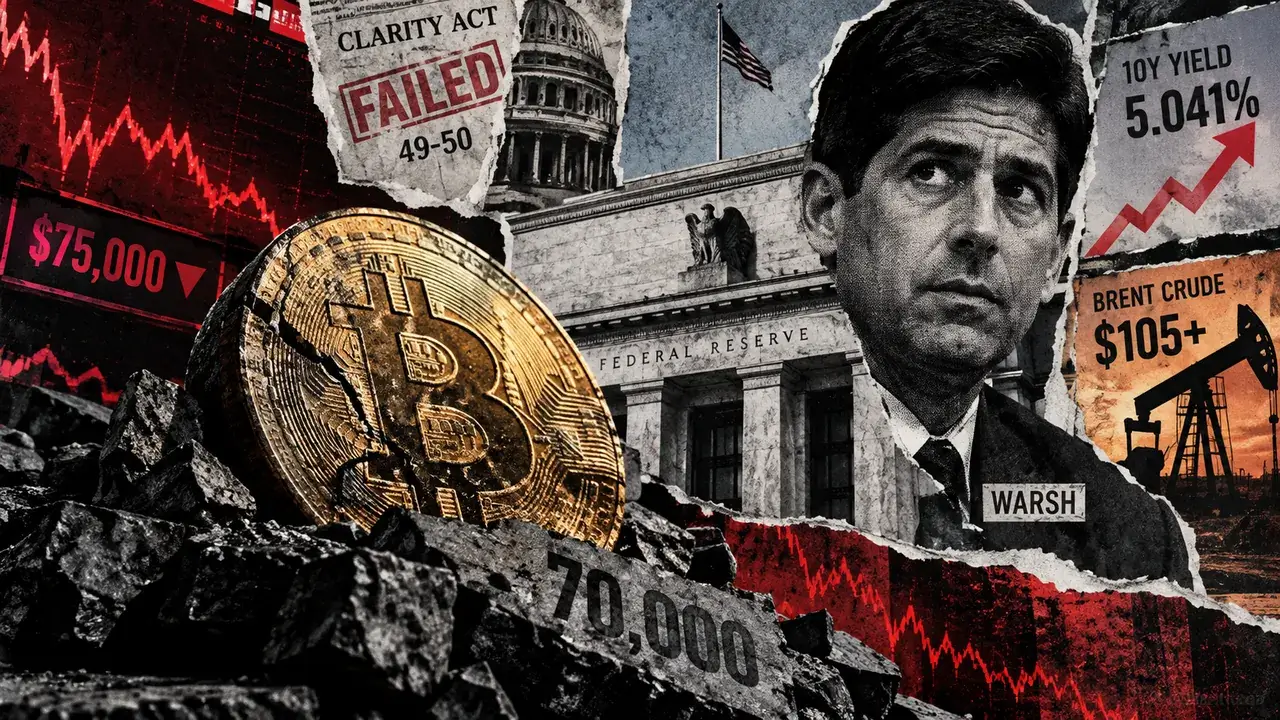
Bitcoin survives Fed pre-meeting: $70,000 is the key test
Why it matters: Holding $70,000 would preserve the August rebound; a break below opens the way to the $62,000-65,000 long-term holder accumulation zone.

Bitcoin Core 32 enters final testing: fees, validation and a vulnerability fix
Why it matters: The update lowers transaction costs as the mempool clears and closes a node vulnerability, but does not change the network's consensus rules.

Bitcoin nears $80,000 on hopes for an end to the Middle East conflict
Why it matters: Easing geopolitical risks and lower oil support risk assets; a close above $80,000 would signal continued gains.

Bitcoin at $75,940: Aroon points to sellers, target $72,547
Why it matters: Ahead of the Fed decision, the market is vulnerable: losing $75,000 could accelerate a drop to $74,800 and $72,547.

Trader Machi Big Brother loses $5 million on 40x BTC long
Why it matters: The case highlights the risks of aggressive leverage on Hyperliquid and could add pressure on ETH at the $2,400 support.

CoinShares: miners to earn up to 70% of revenue from AI infrastructure by end-2026
Why it matters: The shift of capacity to AI reduces hashrate and BTC selling pressure, but makes miners dependent on the computing market.

TD Sequential gives Bitcoin buy signal ahead of Fed decision
Why it matters: A technical buy signal against a hawkish Fed: if the rate hike is already priced in, the announcement could remove pressure from BTC.

Bitcoin at four-week low ahead of Fed decision after CLARITY Act failure
Why it matters: Without federal legislation, US crypto businesses depend on regulatory decisions that can change with administrations, holding back institutional investment.