Bitcoin (BTC) news

Wintermute: $463M Bitcoin ETF outflow marks first negative week since June
Why it matters: Without a return of ETF inflows, bitcoin lacks an obvious source of new demand, and the Fed decision will set the short-term trend.

Bitcoin miners face worst crisis in years, putting hashrate control in question
Why it matters: Consolidation of hashrate among large players increases the risks of network centralization and pressure on the BTC price.
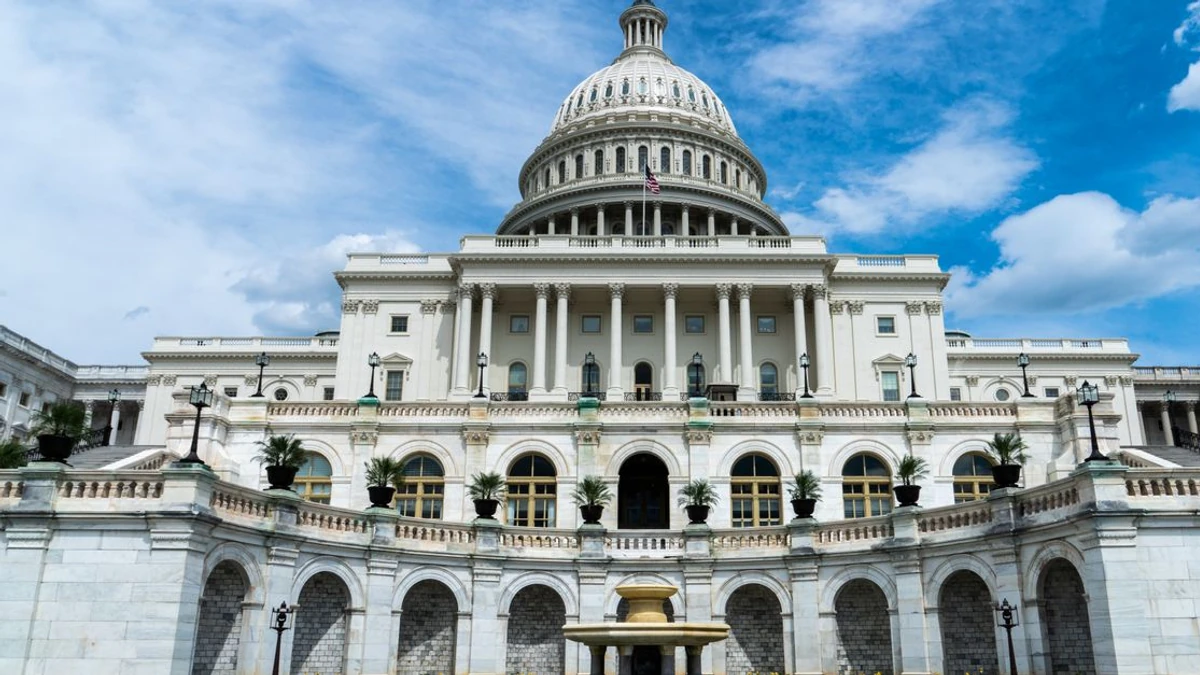
Saylor: SEC and CFTC to advance bitcoin custody rules soon
Why it matters: Expanding bank custody of BTC would strengthen institutional demand and bolster confidence in crypto.

Bitcoin stuck in 5.5% range ahead of Fed decision
Why it matters: The Fed decision will set the direction: a return of demand could trigger a breakout higher, while weak ETF flows and rising real yields cap gains.

Bitcoin survives Fed pre-meeting: $70,000 is the key test
Why it matters: Holding $70,000 would preserve the August rebound; a break below opens the way to the $62,000-65,000 long-term holder accumulation zone.

Bitcoin Core 32 enters final testing: fees, validation and a vulnerability fix
Why it matters: The update lowers transaction costs as the mempool clears and closes a node vulnerability, but does not change the network's consensus rules.

Bitcoin nears $80,000 on hopes for an end to the Middle East conflict
Why it matters: Easing geopolitical risks and lower oil support risk assets; a close above $80,000 would signal continued gains.

Bitcoin at $75,940: Aroon points to sellers, target $72,547
Why it matters: Ahead of the Fed decision, the market is vulnerable: losing $75,000 could accelerate a drop to $74,800 and $72,547.

Trader Machi Big Brother loses $5 million on 40x BTC long
Why it matters: The case highlights the risks of aggressive leverage on Hyperliquid and could add pressure on ETH at the $2,400 support.

CoinShares: miners to earn up to 70% of revenue from AI infrastructure by end-2026
Why it matters: The shift of capacity to AI reduces hashrate and BTC selling pressure, but makes miners dependent on the computing market.

TD Sequential gives Bitcoin buy signal ahead of Fed decision
Why it matters: A technical buy signal against a hawkish Fed: if the rate hike is already priced in, the announcement could remove pressure from BTC.

Bitcoin at four-week low ahead of Fed decision after CLARITY Act failure
Why it matters: Without federal legislation, US crypto businesses depend on regulatory decisions that can change with administrations, holding back institutional investment.

AAVE Falls 5.94% to $119.99 on CLARITY Act Failure, V4 Dispute
Why it matters: The CLARITY Act's failure is pressuring high-beta DeFi tokens, and the contentious V4 tokenomics could add further pressure on AAVE.

INJ plunges 12% to $5.36 amid CLARITY Act failure
Why it matters: The CLARITY Act failure intensified risk-off and long liquidations; for INJ, holding the $4.96-5.03 level is crucial, otherwise a move to $4.42 is possible.

Saylor: after CLARITY Act failure, US regulators will proceed under existing laws
Why it matters: A signal that the US crypto industry will continue to develop through regulators rather than Congress, reducing the market's dependence on the fate of the CLARITY Act.

Malaysia's regulated crypto exchanges top $4B in 2025 trading volume
Why it matters: Malaysia is forging one of Asia's clearest regulatory paths for integrating crypto with Islamic finance, opening access to the Islamic capital market.

10-year US Treasury yield holds above 5% ahead of Fed decision
Why it matters: Rising yields and expectations of a rate hike increase pressure on risk assets, including bitcoin and the crypto market.

ERCOT discloses over 5 GW of conditional capacity for AI projects amid miner shift
Why it matters: Growing power capacity for AI intensifies miners' competition for electricity and reshapes the economics of bitcoin mining in Texas.

Bitcoin falls to $75,586, Ethereum to $2,397 after CLARITY Act failure
Why it matters: The bill's failure and Fed tightening increase pressure on the crypto market, raising the risk of further liquidations and a decline toward $75,000.

Bitcoin, Ethereum and XRP under pressure ahead of Fed decision
Why it matters: The Fed decision and the CLARITY Act failure are amplifying risk-off sentiment: volatility could spike sharply, while ETF outflows weigh on BTC and ETH.