Bitcoin (BTC) news

BTIG reiterates Buy on Coinbase with $240 target
Why it matters: The rating signals a bet on Coinbase's institutional growth despite weak spot trading volume.
Texas scammers threaten mother with baby, extract $23,700 via Bitcoin kiosks
Why it matters: The case illustrates the rise in fraud through crypto ATMs and pressure on vulnerable users.

Glassnode: Bitcoin falls below $76.7K True Market Mean, support is thin
Why it matters: Losing the range opens the way to $71.3K, then $62–65K; a return above $80.5K would put corporate treasuries back in profit.

$632 million in liquidations: longs under pressure ahead of FOMC decision
Why it matters: The Fed decision and further ETF flows will determine whether the sell-off marks the start of a decline or merely a flush of excess leverage.

Crypto market cap falls to $2.59T ahead of Fed decision, after CLARITY Act fails
Why it matters: A rate hike with a hawkish signal could deepen the selloff, while a pause would give BTC, ETH and XRP room to rebound.
Jiang Zhuoer: market to fall first after Fed decision, Bitcoin may hit $84,000
Why it matters: The forecast sets benchmarks for traders ahead of the Fed meeting: a possible drop to $75,000 followed by a rebound.
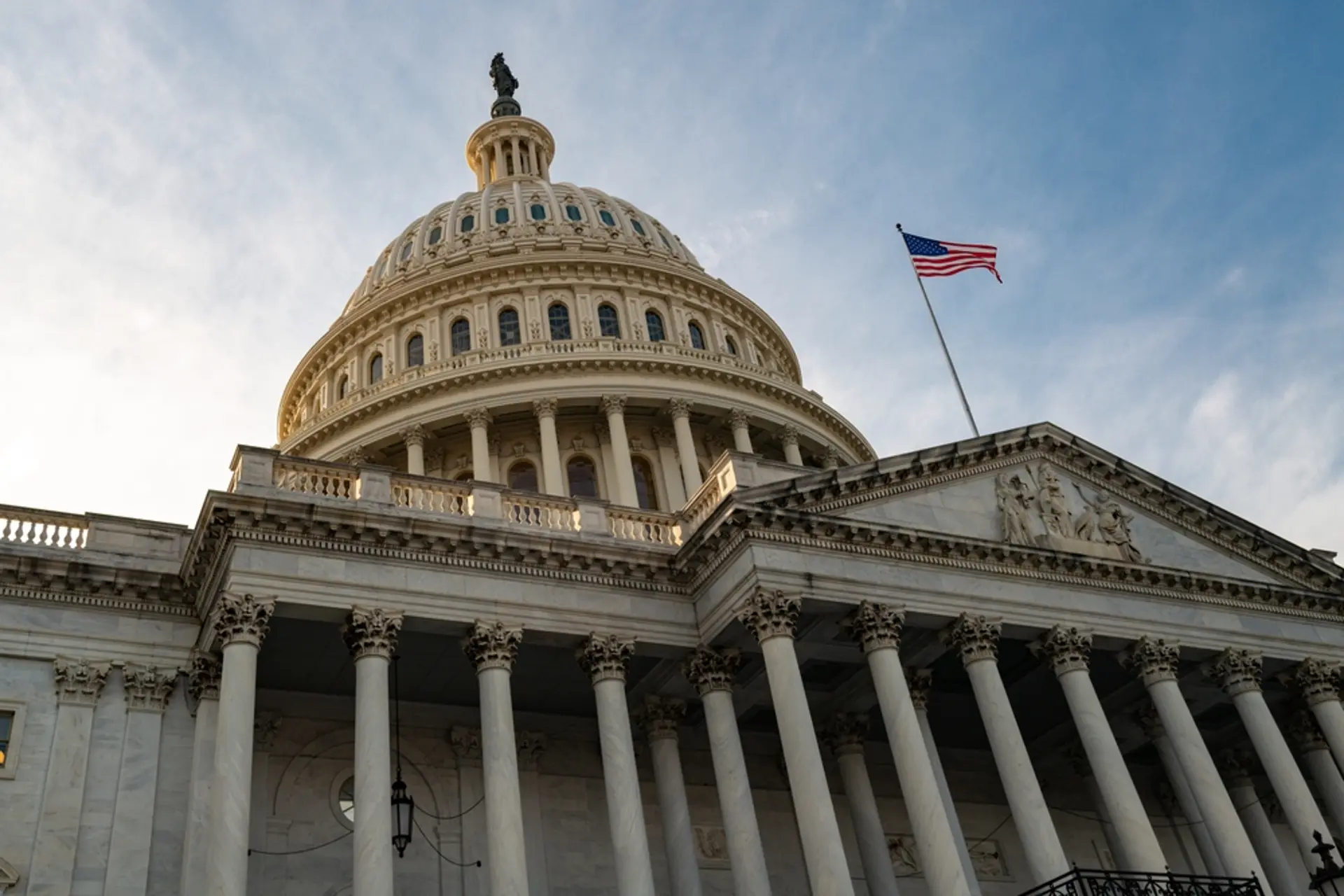
US House begins review of crypto tax and strategic Bitcoin reserve bills
Why it matters: Passing the bills would determine crypto taxation in the US and create a state Bitcoin reserve, affecting institutional demand.

Trezor data leak: 67,000 clients, $320M losses tracked on-chain
Why it matters: KYC data leaks create a long-term risk for holders: an address and passport cannot be changed like a key, raising the threat of physical attacks.

$600M in liquidations and Fed meeting weigh on crypto market
Why it matters: If the Fed hikes rates and signals a second increase, pressure on risk assets will intensify, though moderate leverage may let the market absorb the blow.

Saylor: Bitcoin doesn't need the CLARITY Act, banks are the next phase
Why it matters: It signals that institutional demand for Bitcoin can grow through banks and regulators even without comprehensive legislation.

260 crypto projects shut down in 2026 versus 1,000 in 2025
Why it matters: Fewer closures may point to stabilization in the crypto industry, but the sample is limited to bitcoin-related projects.

Market prices in 87% odds of a Fed rate hike: what it means for bitcoin and gold
Why it matters: The Fed decision and rate forecasts will set the direction for bitcoin and the broader crypto market in the coming weeks.
Bitcoin ETFs see 5,353 BTC outflow, Ethereum ETFs 51,443 ETH in a day
Why it matters: Continued outflows from bitcoin funds add pressure on the BTC price, while the weekly inflow into ETH ETFs points to a divergence in demand.
US Treasury sells 20-year bonds at record 5.42% yield
Why it matters: High long-term US bond yields pull capital away from risk assets and limit bitcoin's upside.

Bitcoin under pressure ahead of first Fed rate hike in three years
Why it matters: The Fed decision will determine bitcoin's short-term trajectory: holding support opens the way to gains, while a breakdown would intensify selling.

ProCap sells 50 BTC to buy back 12.2% of its shares
Why it matters: The company is the first among bitcoin treasuries to buy back shares at a discount to NAV by selling BTC, changing the reserve accumulation model.

Interactive Brokers enables trading via X Cashtags for US investors
Why it matters: A major broker linking a social network to trading accelerates the flow of retail investors into crypto and stocks.
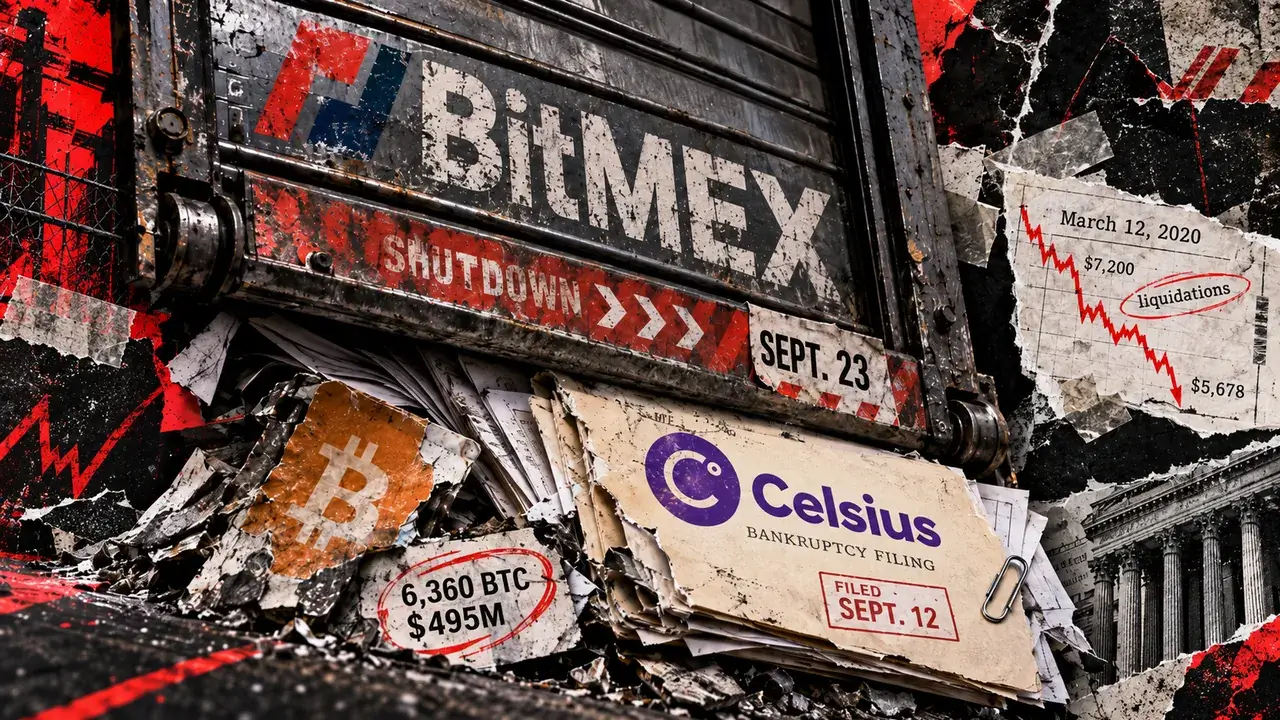
Celsius sues BitMEX for $495 million over 2020 liquidations
Why it matters: The lawsuit creates a risk to BitMEX's assets as the exchange winds down and could lead to a request for interim measures.

Saylor: CLARITY Act failure will accelerate institutional inflows into bitcoin
Why it matters: A signal from the largest institutional BTC holder: the absence of a law does not block capital inflows, which reduces market pressure after the failed vote.

CryptoQuant and Willy Woo see bitcoin bottom forming after CLARITY Act drop
Why it matters: If long-term holders are indeed accumulating, selling pressure may ease, but without clarity on US regulation, growth remains uncertain.