Bitcoin (BTC) news

Binance releases 46th Proof of Reserves report: BTC balances up 3.92%
Why it matters: Rising BTC and ETH balances point to an inflow of assets to the largest exchange, while the USDT outflow may signal lower trading activity.
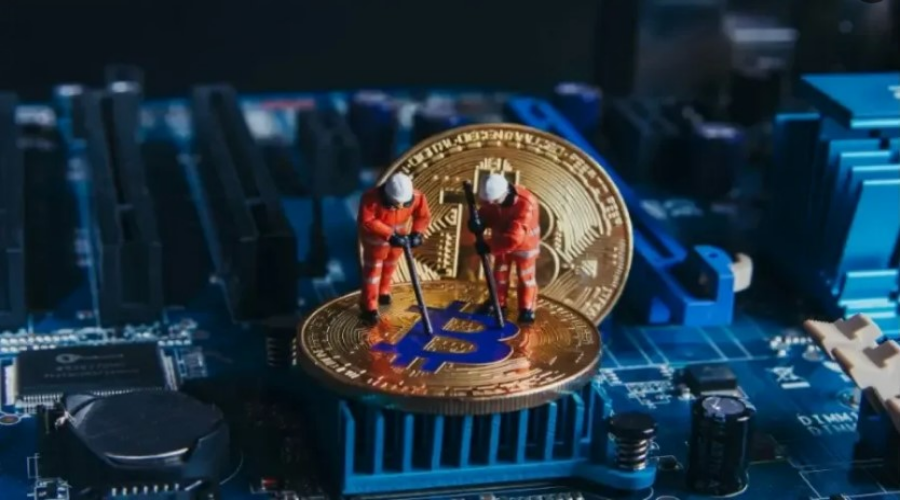
CoinShares: Bitcoin miners fall below breakeven for the first time
Why it matters: Pressure on miner margins is accelerating their shift toward AI infrastructure, which could weaken Bitcoin hashrate growth.
Bitfinex: altcoins give back gains, bitcoin weaker than gold and stocks
Why it matters: The altcoin rally is driven by leverage rather than spot demand: without sustained buying, the market remains vulnerable to further declines.
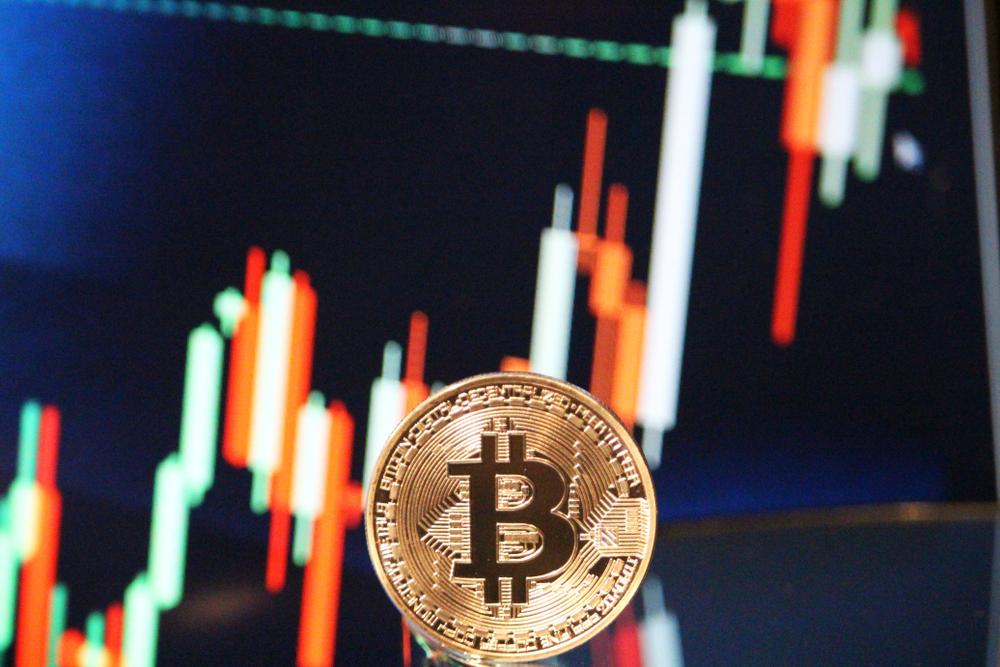
Bitfinex: Bitcoin tests $75,000 support as derivatives positions recover
Why it matters: Holding the $74,985–75,412 range is critical: a breakdown below it would open the way to $73,500 and lower, signaling a return to a bear market.

Dash jumps nearly 10% in a day amid interest in privacy coins
Why it matters: The rally in privacy coins amid tightening regulation may indicate demand for anonymity, but the MACD is signaling weakening momentum.

Bitcoin short-term holder inflows exceeded the 98th percentile three times in September
Why it matters: Rising short-term supply points to a change of holders, but without exchange inflows it does not guarantee price pressure.

Gold draws $500 billion despite rising yields: a threat to Bitcoin
Why it matters: If yields stay high while the dollar remains weak, gold will continue to pull capital away from risk assets, including crypto.
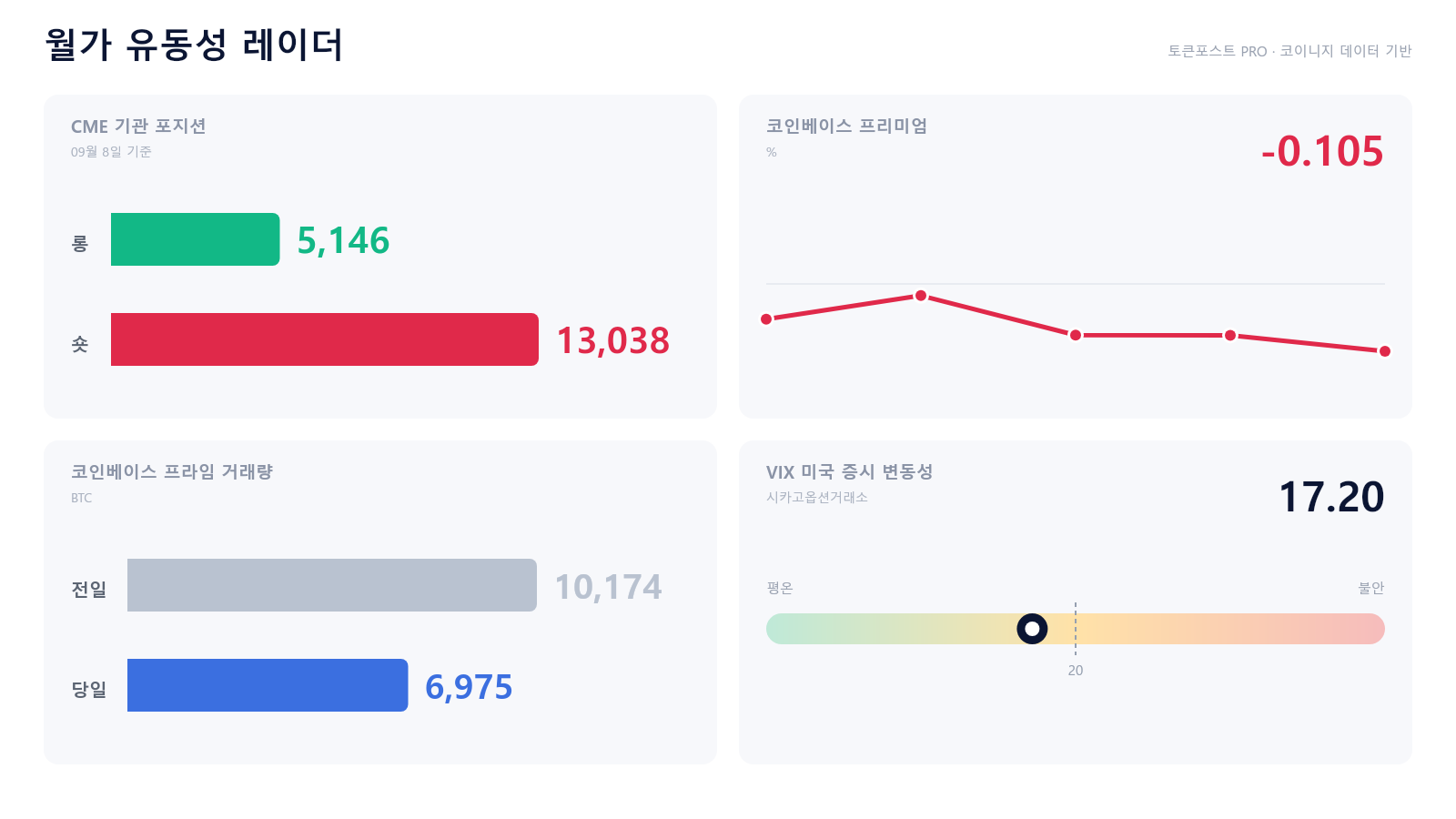
Coinbase premium falls to -0.1051%, Coinbase Prime volume plunges 31.4%
Why it matters: Weak U.S. spot and institutional activity points to cooling demand within the crypto market rather than a broad risk-off move.

NEAR rises 8.44% to $2.64 amid capital rotation into altcoins
Why it matters: Capital rotation from Bitcoin into altcoins with their own narratives may continue if BTC ETF outflows persist.

Exchanges Received 2,655 BTC in a Day as Asian Trading Volume Fell 59%
Why it matters: Rising BTC exchange reserves increase seller pressure in the short term, while the monthly outflow points to a continued medium-term supply deficit.
Glassnode: Altcoins Weaker Than Bitcoin, Options and Order Book Point Lower
Why it matters: Holding $76,700 (True Market Mean) with two daily closes would restore momentum to the market, while a loss would open the way to $71,300 and $62,000–65,000.

Goldman Sachs changes forecast: Fed to hike rates in October
Why it matters: Fed tightening weighs on risk assets, including bitcoin and the crypto market.
Bitcoin ETFs bleed $296M in a day as BlackRock's IBIT loses $144M
Why it matters: Sustained ETF outflows add pressure on bitcoin's price and signal weak institutional demand.

Bitcoin falls to $76,370 as markets await FOMC and Senate debate
Why it matters: The outcome of the FOMC meeting and US regulatory decisions will determine whether bitcoin holds above $75,000 or extends its correction.
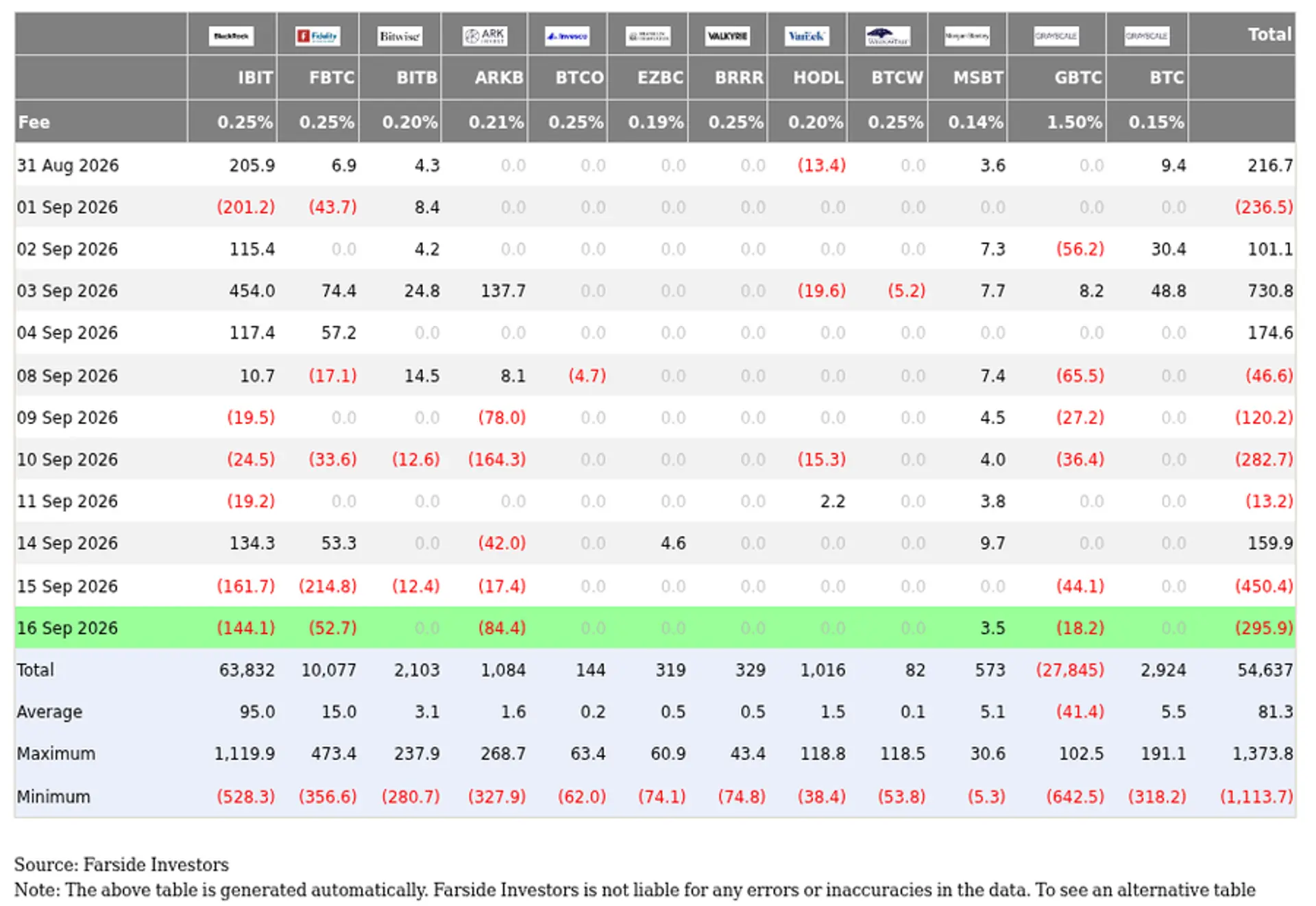
Bitcoin ETFs see second straight day of outflows at $295.9M
Why it matters: Persistent ETF outflows add pressure on bitcoin's price and signal weak institutional demand.

Van de Poppe: Fed rate hike could push bitcoin higher
Why it matters: The view of a well-known analyst runs counter to the traditional reading of rate hikes as pressure on risk assets, including bitcoin.
Fundstrat's Tom Lee calls bitcoin drop a buying opportunity
Why it matters: The view of an influential analyst could shore up investor sentiment after the Fed-driven selloff.

Silk Road hacker James Zhong hid 51,680 BTC for ten years but was caught because of a popcorn tin
Why it matters: The case confirms that blockchain transactions are traceable and that even old stolen coins can return to the market through confiscation.

Gold ETFs drew $18 billion in August, assets hit $615 billion
Why it matters: The rising gold-BTC correlation shows investors see them as a single hedge against macro risks rather than competing assets.

CryptoQuant: bitcoin in a "dead zone" at $75,700 as BDTPA indicator falls to 0.0031
Why it matters: Weak price inertia means frequent false breakouts and a growing risk of a sharp reversal when BDTPA exits the dead zone.