Bitcoin (BTC) news

Bitcoin Hashrate Recovers to ~900 EH/s as Miners Return
Why it matters: Rising hashrate signals a recovery in the network's computing power and improving conditions for miners, but it is not an unambiguous signal of price growth.
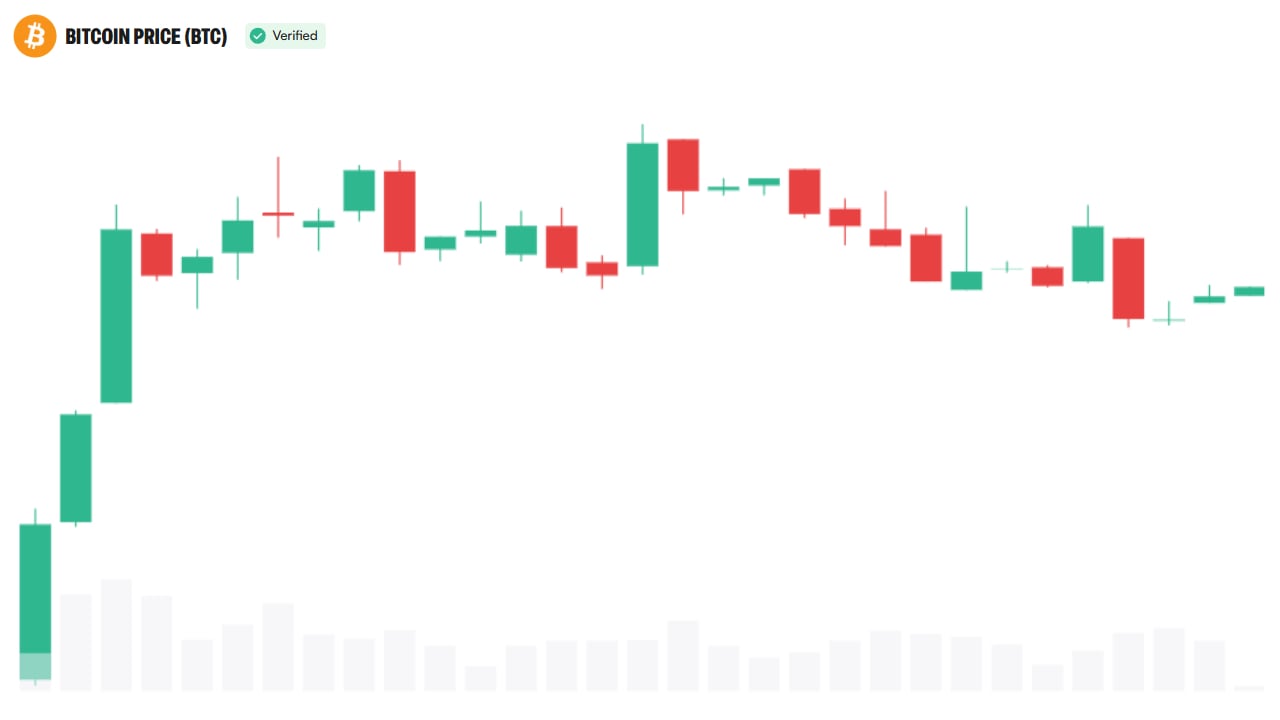
CoinShares: bitcoin unlikely to break $80,000 on Fed policy, CLARITY Act failure
Why it matters: Tight Fed policy and delays in US crypto legislation are postponing a market recovery, with altcoins most at risk.

JPYC issuance tops 4.26B yen after Upbit listing as arbitrageurs double turnover
Why it matters: The case shows how a listing on a major exchange and a supply shortage on one network create arbitrage opportunities for stablecoins.
China cuts US Treasury holdings to $618B, lowest since 2008
Why it matters: Falling demand from the largest holder of US Treasuries weakens the dollar and supports the bitcoin narrative as an alternative reserve asset.

Bitcoin at $76,000, Ethereum at $2,450 as market rebounds after Fed rate hike
Why it matters: The market quickly digested the Fed's hawkish move, but capital is still flowing into U.S. tech stocks rather than crypto, with further moves depending on the rate path.
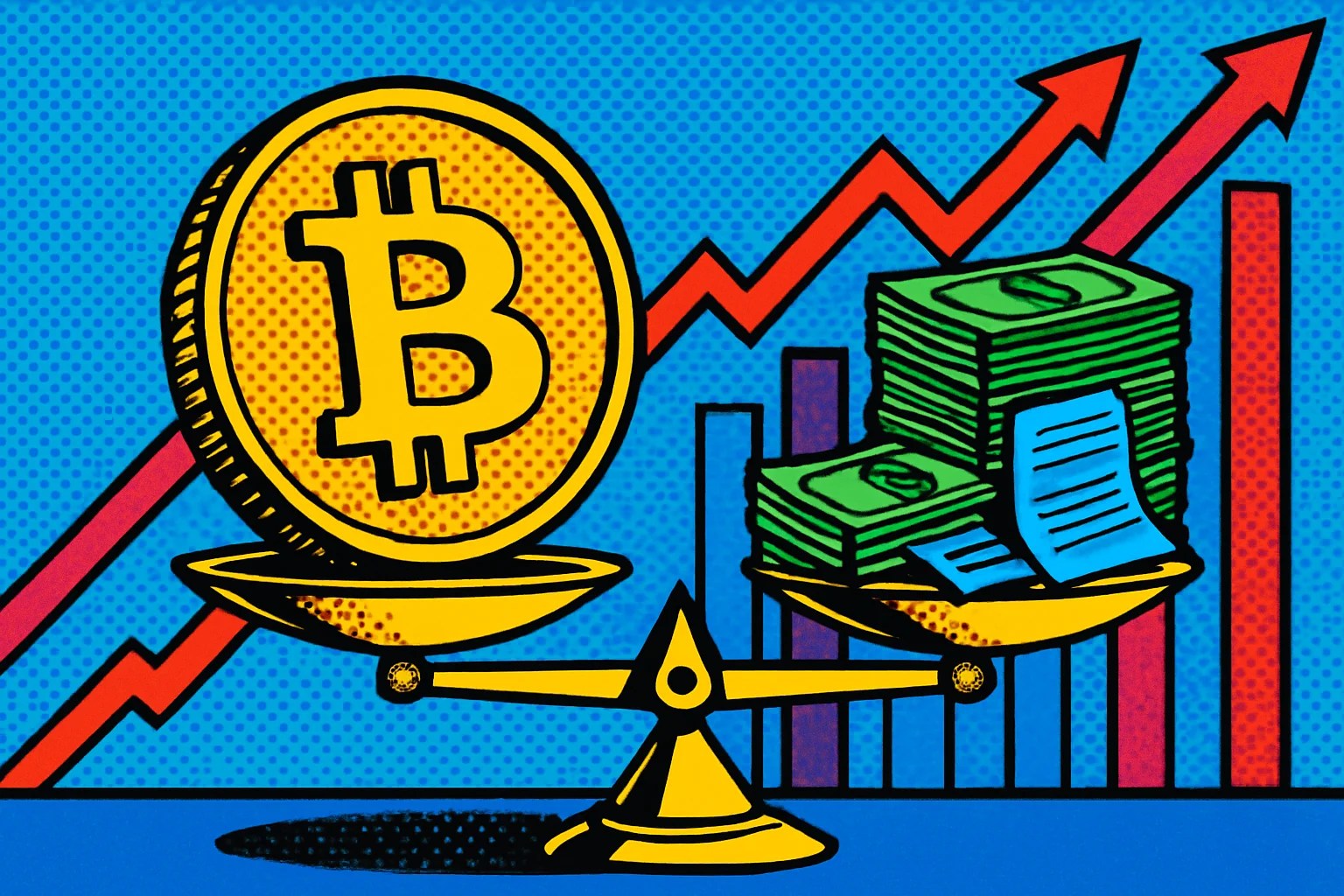
Bitcoin credit market grows to $16B in two years
Why it matters: Growth in BTC-backed lending expands demand for bitcoin as collateral, but carries liquidation and excessive leverage risks.
WSJ: Trump and Warsh kept rate-hike truce, but it may not survive a second one
Why it matters: Political pressure on the Fed affects rate expectations, and therefore bitcoin and risk assets.

Fear and Greed Index rises to 56, entering greed zone
Why it matters: The index's rise signals a return of risk appetite, but does not guarantee continued price gains.

Bitcoin rebounds to $76,304 despite $746M ETF outflow
Why it matters: The rebound is happening on falling volume and against a backdrop of ETF outflows — its durability depends on inflows returning and $75,000 holding.
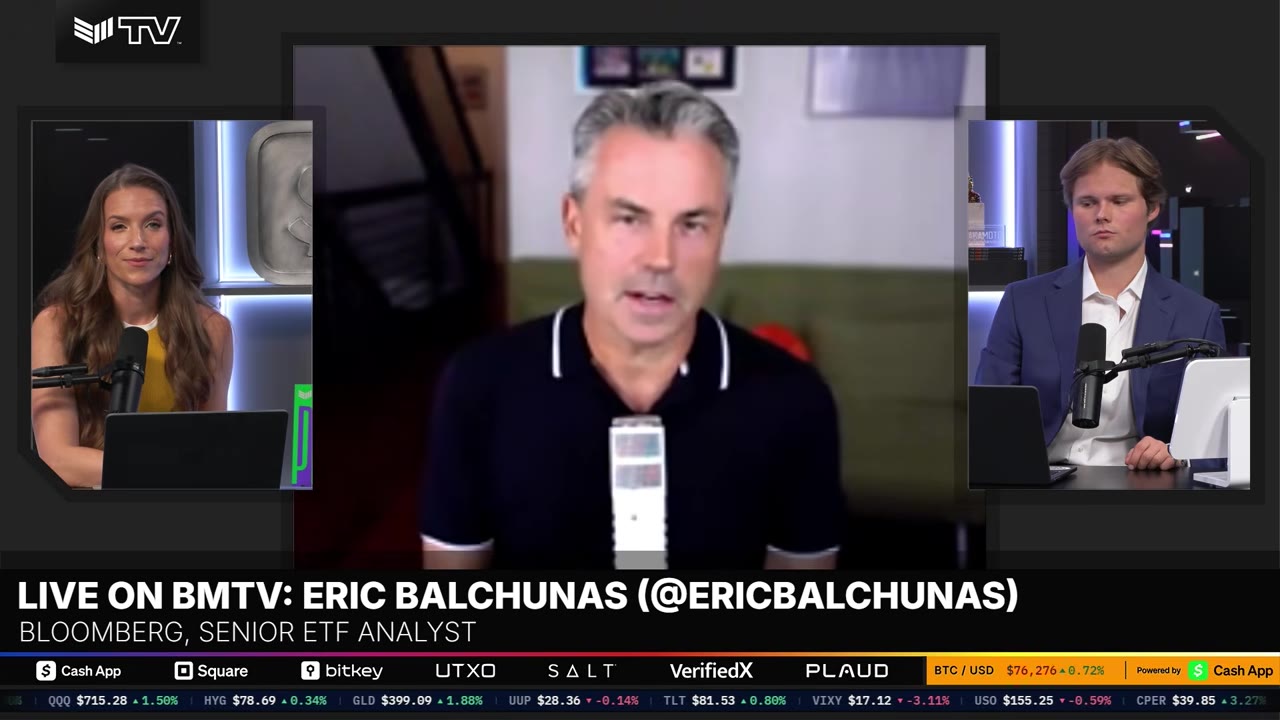
Bloomberg: Bitcoin ETFs opened a new era of crypto financialization
Why it matters: This confirms institutional demand for BTC through ETFs and strengthens the case for Bitcoin as digital gold.

Binance and Apple Pay launch bitcoin payments in Australia
Why it matters: It expands bitcoin's real-world use in retail and intensifies competition among crypto payment services.
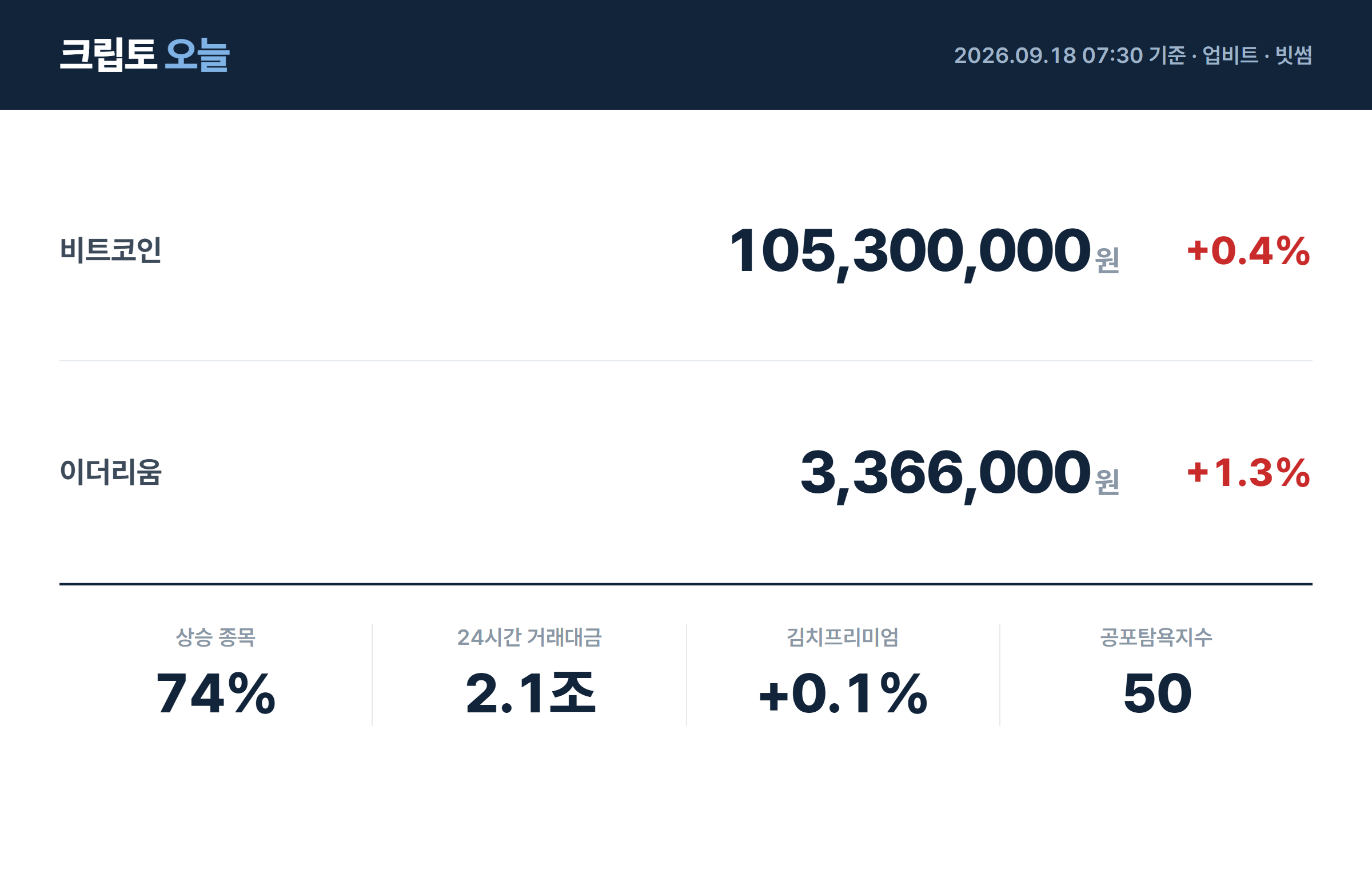
Morning wrap: Bitcoin at 105.3 million won, Travala jumps 75% on Bithumb
Why it matters: Altcoin gains against a neutral Fear & Greed Index (50) point to local demand rather than a broad market reversal.

Macro pressures crypto: 10-year US yield above 5%, bitcoin at $70K
Why it matters: Rising yields and a stronger dollar tighten liquidity: a break below the $70K short-term holder base could intensify liquidations and seller pressure.

BitMEX delists XBTUSD contract and will shut down on September 23
Why it matters: BitMEX's exit closes the era of the first major perpetuals market, but the contract model itself continues to spread to traditional markets.

US DOE launches $215 million quantum contest: risk to Bitcoin
Why it matters: The race for fault-tolerant quantum computers accelerates debate over migrating Bitcoin to post-quantum signatures (BIP 360/361), which would affect wallets, exchanges and custodians.

Zest Protocol launches leveraged bitcoin staking vault on Stacks
Why it matters: The product expands ways to earn yield on bitcoin in DeFi, but leverage raises risks for holders.

Crypto market cap rises to $2.62 trillion as bitcoin rebounds to $76,580 after Fed and CLARITY Act failure
Why it matters: The rebound rests on short liquidations rather than spot demand: the key level is $77,000, and a failure there could mean a return to $74,900.

Cboe: FLEX options volume hits 1.9 million contracts per day in Q1 2026
Why it matters: The growth of FLEX options and the launch of IBIT expirations give institutions a regulated tool to hedge bitcoin positions through Cboe and OCC.
Santiment: the main risk for bitcoin is not the current rate but uncertainty over the next hike
Why it matters: Uncertainty over the Fed rate is holding back risk appetite, which limits gains in bitcoin and the crypto market.
Lightning wallets now survive Bitcoin reorganizations
Why it matters: It reduces the risk of losing funds in Lightning during reorgs, improving the reliability of Bitcoin's second layer.