Bitcoin (BTC) news

US DOE launches $215 million quantum contest: risk to Bitcoin
Why it matters: The race for fault-tolerant quantum computers accelerates debate over migrating Bitcoin to post-quantum signatures (BIP 360/361), which would affect wallets, exchanges and custodians.

Zest Protocol launches leveraged bitcoin staking vault on Stacks
Why it matters: The product expands ways to earn yield on bitcoin in DeFi, but leverage raises risks for holders.

Crypto market cap rises to $2.62 trillion as bitcoin rebounds to $76,580 after Fed and CLARITY Act failure
Why it matters: The rebound rests on short liquidations rather than spot demand: the key level is $77,000, and a failure there could mean a return to $74,900.

Cboe: FLEX options volume hits 1.9 million contracts per day in Q1 2026
Why it matters: The growth of FLEX options and the launch of IBIT expirations give institutions a regulated tool to hedge bitcoin positions through Cboe and OCC.
Santiment: the main risk for bitcoin is not the current rate but uncertainty over the next hike
Why it matters: Uncertainty over the Fed rate is holding back risk appetite, which limits gains in bitcoin and the crypto market.
Lightning wallets now survive Bitcoin reorganizations
Why it matters: It reduces the risk of losing funds in Lightning during reorgs, improving the reliability of Bitcoin's second layer.

US to send notices to 300,000 former BTC-e client addresses
Why it matters: Former BTC-e clients will be able to assert claims to the forfeited assets, but a positive balance alone does not guarantee a return of funds.

Crypto stocks hit harder than Bitcoin by CLARITY Act failure
Why it matters: The bill's failure hits crypto companies' revenue but not Bitcoin, whose next moves depend on decisions by the Fed and the Bank of Japan.
US moves to codify a bitcoin reserve that exists only on paper
Why it matters: The lack of transparency on the US reserve undermines market confidence in government support for bitcoin and delays institutional purchases.

The DeFi Report: bitcoin is in an early bull-cycle phase
Why it matters: If the scenario holds, the current consolidation is accumulation ahead of a rally rather than a continuation of the bear market.
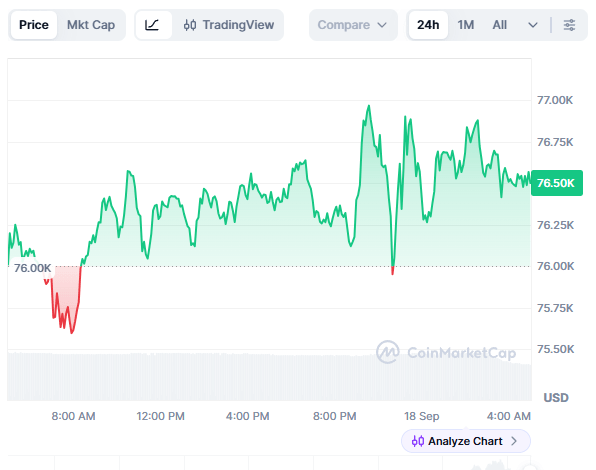
Bitcoin at $76,504, Ethereum at $2,448 as market shows mixed moves
Why it matters: Falling derivatives volume and capital rotation into altcoins point to a wait-and-see stance after the Fed's decision.
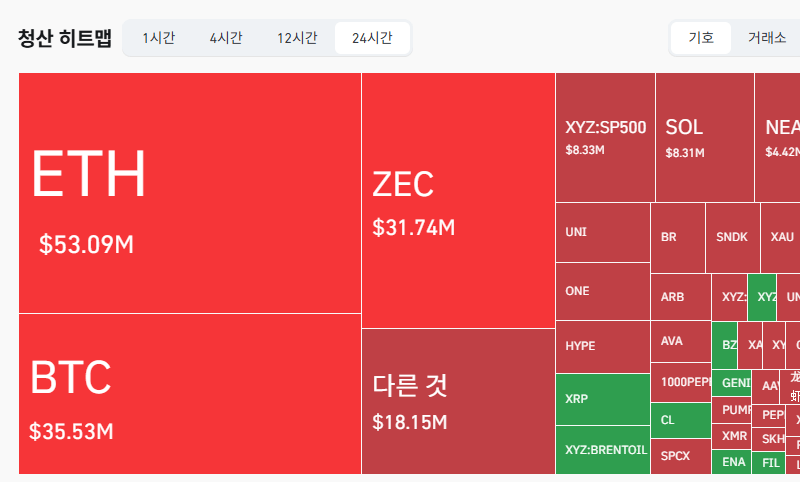
$154.5 million liquidated in 24 hours, 76.7% of it shorts
Why it matters: The dominance of short squeezes points to a market rebound after the hawkish FOMC, which could amplify volatility if key levels are broken.

AI helps find critical vulnerability in Coldcard Mark III wallets
Why it matters: The incident shows that weak key generation in hardware wallets can lead to theft of funds, and AI accelerates the discovery of such vulnerabilities.

Whales Accumulated 115K BTC from January to September 16, Started Selling in September
Why it matters: The shift by large holders toward selling could add pressure on the BTC price near $76,000.

Chinese Miner Jiang Zhuoer Buys Back All Sold Bitcoin, Sees $84,000
Why it matters: A major miner reversing from selling to buying is a signal of returning demand, but it is only a personal view, not a market fact.

Grayscale: 25 bps Fed rate hike will not significantly impact crypto market
Why it matters: Higher rates boost stablecoin issuers' revenues, which could increase interest in USDC and USDT amid market uncertainty.
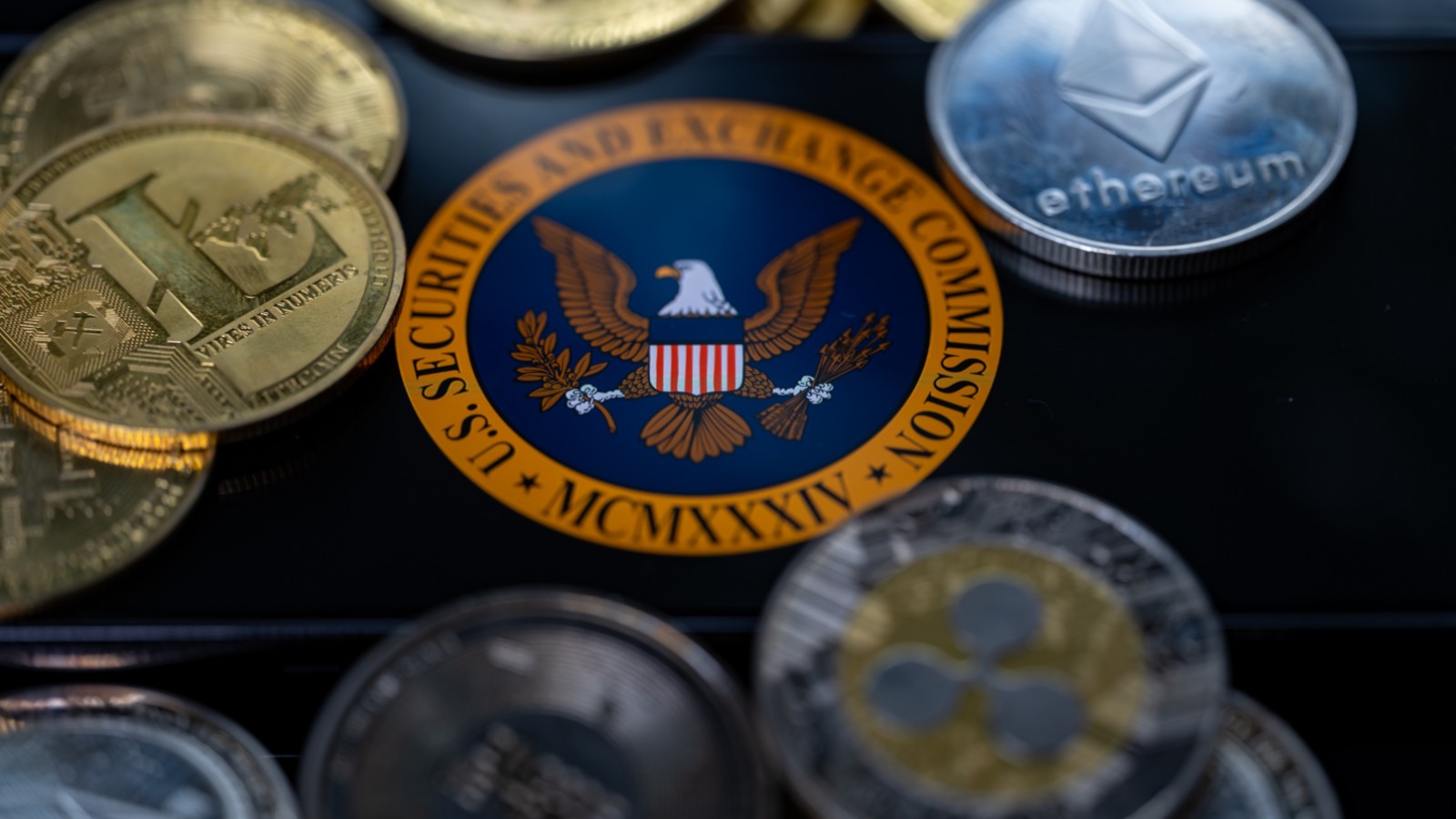
SEC, CFTC, and FDIC accelerate crypto adoption in the US amid CLARITY Act delay
Why it matters: US regulators are bypassing Congress, accelerating institutional crypto and tokenization adoption without the CLARITY Act.

Ducat integrates with TRON for USDT settlements via Bitcoin-backed token
Why it matters: A Bitcoin-backed stablecoin gains access to the largest USDT pool on TRON, expanding liquidity for BTC holders.

Ric Edelman Sees Bitcoin at $500,000 by 2030, Comparing It to Amazon in 1999
Why it matters: Forecasts from major advisors support the institutional adoption narrative for bitcoin, but do not directly change the market situation.

Liquid Network attack: 4,000 BTC withdrawn from federated custody
Why it matters: The incident shows that sidechains and wrappers around Bitcoin add new points of failure without inheriting the security of the main chain.