Bitcoin (BTC) news
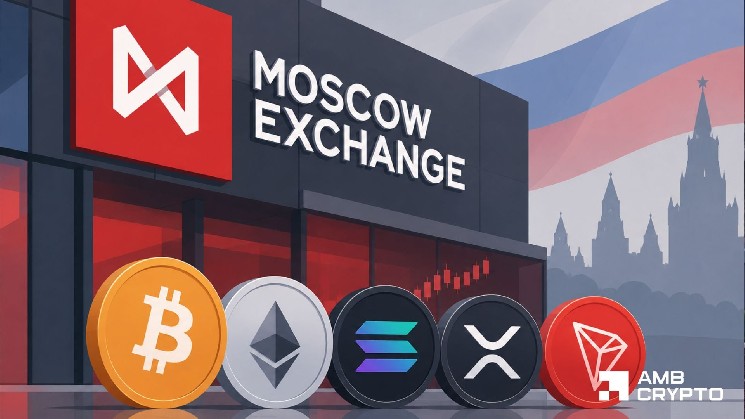
Moscow Exchange to launch 5 crypto perpetuals for qualified investors on September 22
Why it matters: Expanding regulated crypto access in Russia could boost derivatives liquidity, but only among professional investors.

Buterin: 90% of my net worth depends on crypto security
Why it matters: The debate sets a framework for assessing AI-attack risks to blockchains and Ethereum's verification priorities.

Bitcoin holds above $77,000 as NEAR and UNI post double-digit gains
Why it matters: NEAR and UNI gains against a steady bitcoin point to capital rotation into DeFi and L1 altcoins.
iCapital: 10-year US Treasury yields seen in 4.5-5.3% range
Why it matters: Rising US Treasury yields increase pressure on bitcoin and risk assets, capping crypto market upside.

Bitcoin Tries to Hold Above $77,000 After $142M Short Squeeze
Why it matters: A break above $77,600 could accelerate gains via forced buying, but losing $76,000 risks liquidating longs in the $75,500–75,800 zone.

US Sanctions Iranian Exchange BitBank, Seeks Forfeiture of $61M in USDT
Why it matters: The USDT freeze shows that a centralized issuer remains a pressure lever, and exchanges with Middle East clients face tighter scrutiny.
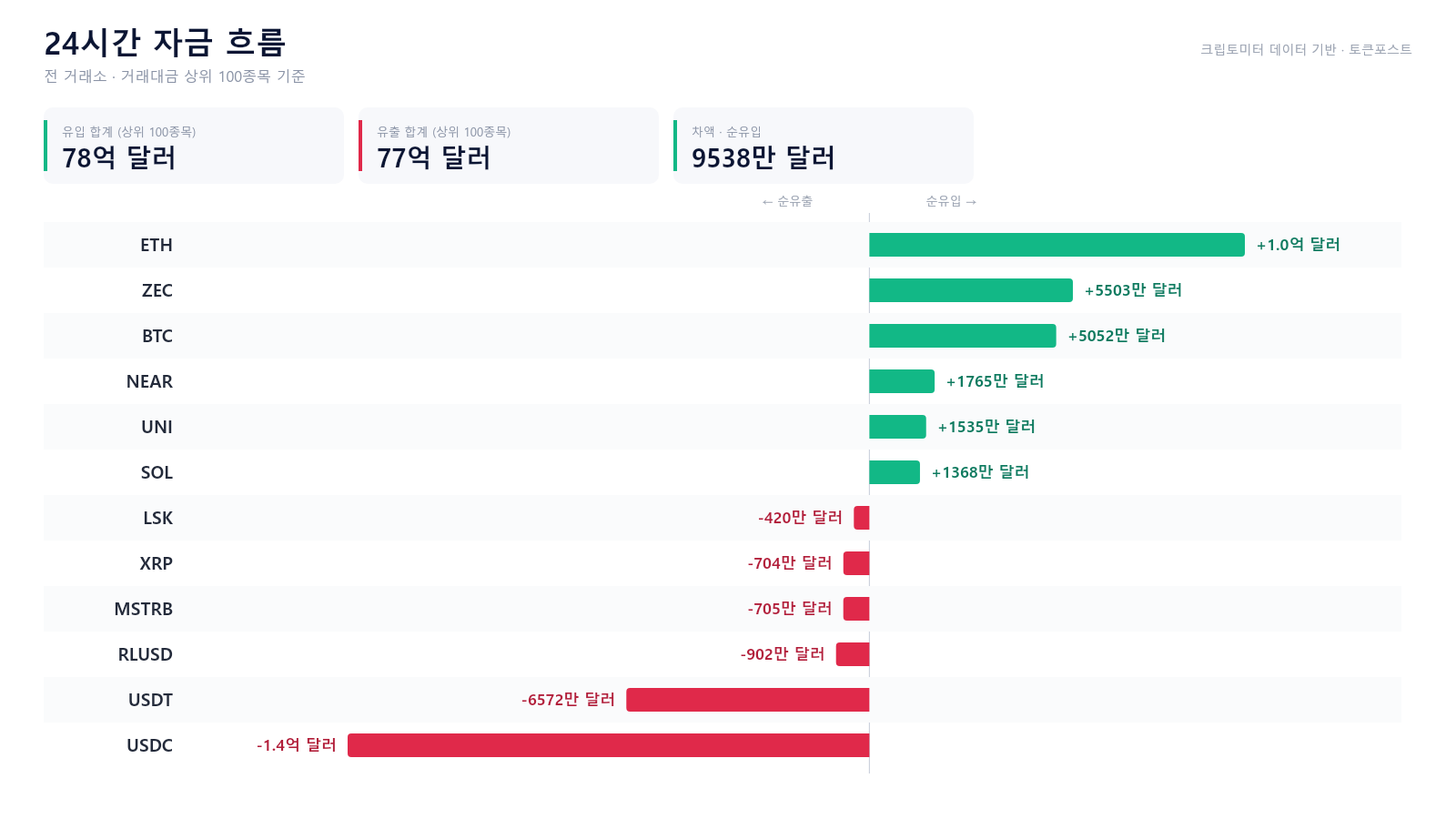
ETH Draws $102M Inflow, BTC $51M, as USDC and USDT See Outflows
Why it matters: Capital rotating out of stablecoins into ETH, BTC and ZEC points to rising risk appetite among large holders.

Bank of Japan Hikes Rate by 25 bps; Bitcoin Rises Against the Yen
Why it matters: The Bank of Japan's tightening adds volatility to currency markets and affects carry trades, with knock-on effects for crypto.
Bitwise CIO: Bitcoin's Rally Doesn't Depend on Senate Bill's Failure
Why it matters: A signal from institutional investors that the failure of the CLARITY Act doesn't change the bullish case for bitcoin.

Bitcoin Hashrate Recovers to ~900 EH/s as Miners Return
Why it matters: Rising hashrate signals a recovery in the network's computing power and improving conditions for miners, but it is not an unambiguous signal of price growth.
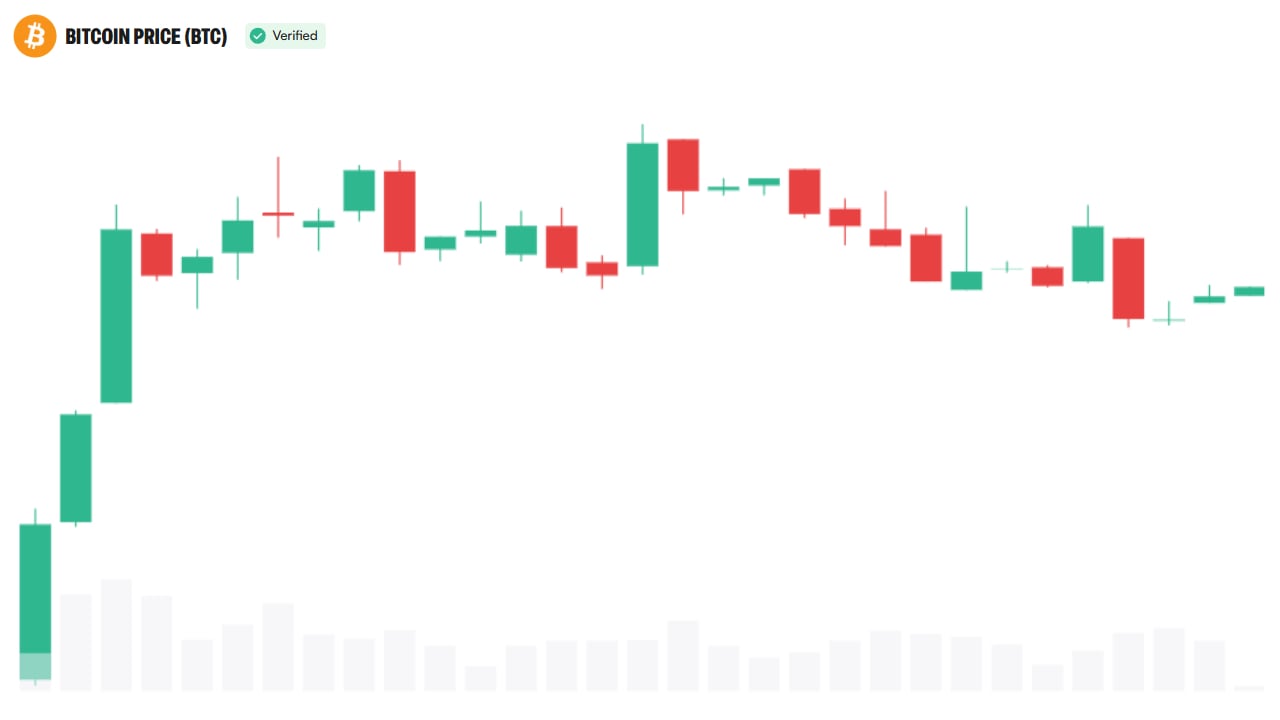
CoinShares: bitcoin unlikely to break $80,000 on Fed policy, CLARITY Act failure
Why it matters: Tight Fed policy and delays in US crypto legislation are postponing a market recovery, with altcoins most at risk.

JPYC issuance tops 4.26B yen after Upbit listing as arbitrageurs double turnover
Why it matters: The case shows how a listing on a major exchange and a supply shortage on one network create arbitrage opportunities for stablecoins.
China cuts US Treasury holdings to $618B, lowest since 2008
Why it matters: Falling demand from the largest holder of US Treasuries weakens the dollar and supports the bitcoin narrative as an alternative reserve asset.

Bitcoin at $76,000, Ethereum at $2,450 as market rebounds after Fed rate hike
Why it matters: The market quickly digested the Fed's hawkish move, but capital is still flowing into U.S. tech stocks rather than crypto, with further moves depending on the rate path.
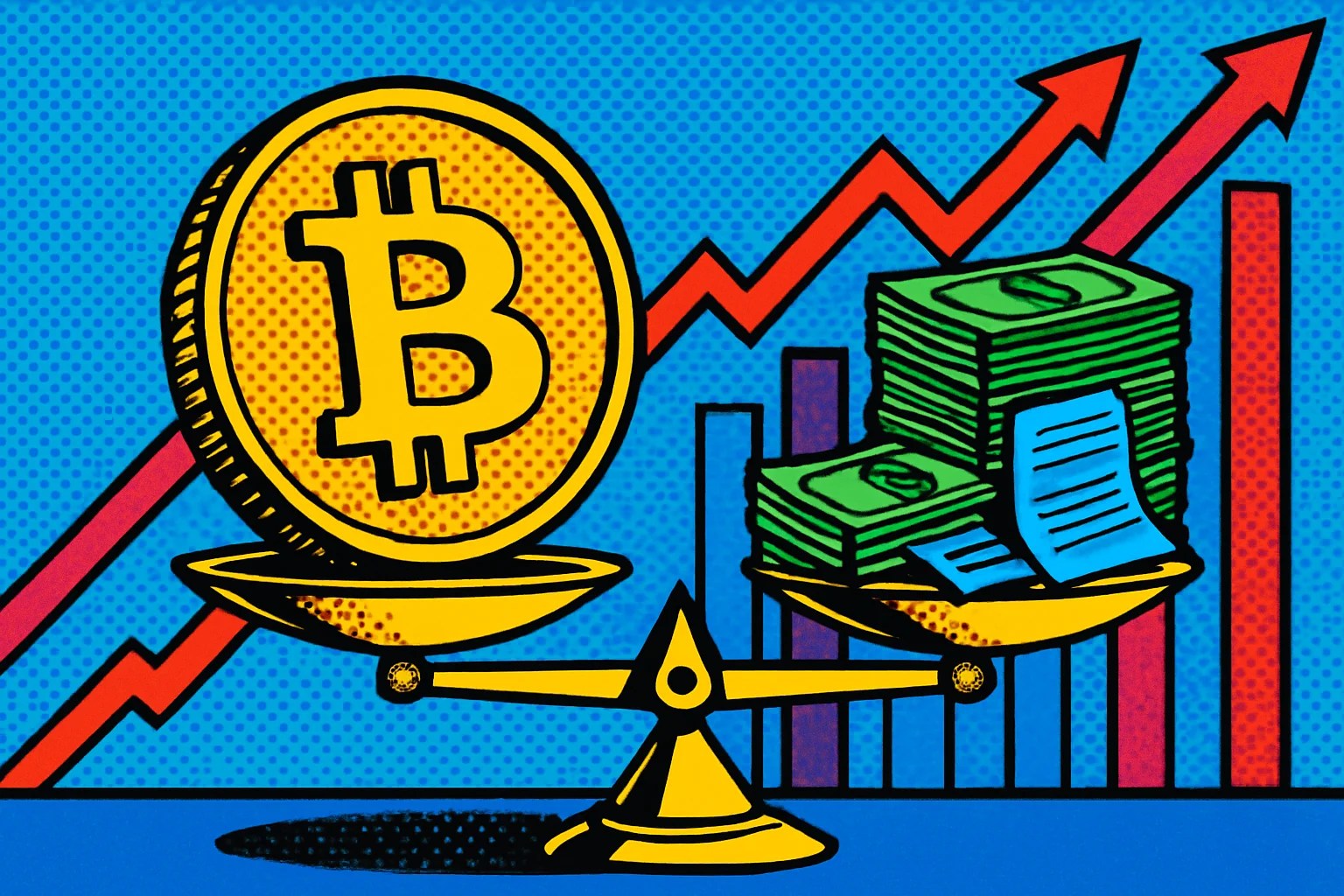
Bitcoin credit market grows to $16B in two years
Why it matters: Growth in BTC-backed lending expands demand for bitcoin as collateral, but carries liquidation and excessive leverage risks.
WSJ: Trump and Warsh kept rate-hike truce, but it may not survive a second one
Why it matters: Political pressure on the Fed affects rate expectations, and therefore bitcoin and risk assets.

Fear and Greed Index rises to 56, entering greed zone
Why it matters: The index's rise signals a return of risk appetite, but does not guarantee continued price gains.

Bitcoin rebounds to $76,304 despite $746M ETF outflow
Why it matters: The rebound is happening on falling volume and against a backdrop of ETF outflows — its durability depends on inflows returning and $75,000 holding.
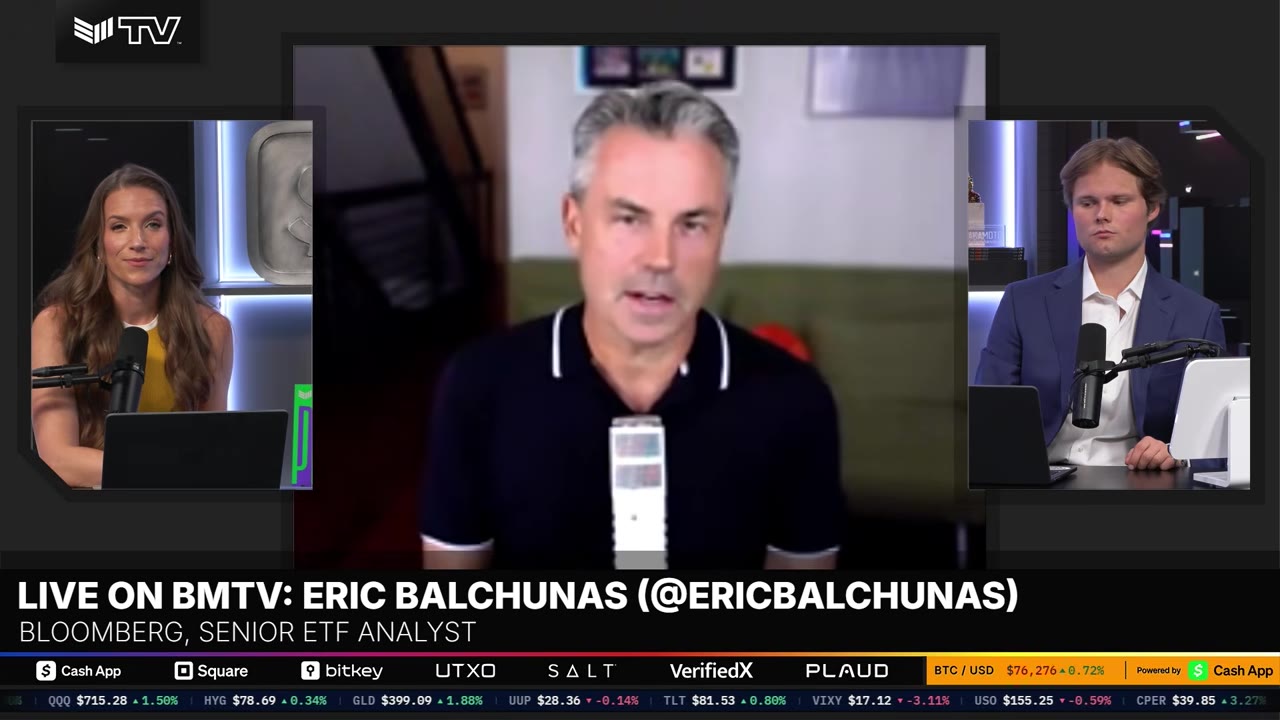
Bloomberg: Bitcoin ETFs opened a new era of crypto financialization
Why it matters: This confirms institutional demand for BTC through ETFs and strengthens the case for Bitcoin as digital gold.

Binance and Apple Pay launch bitcoin payments in Australia
Why it matters: It expands bitcoin's real-world use in retail and intensifies competition among crypto payment services.